



China's Automotive Market Crossroads: Luxury Decline Meets Electric Vehicle Surge
- Revealing the complex transformation of China's automotive landscape amid economic uncertainty






)

!role~Preview!mt~photo!fmt~JPEG%20Baseline)
















Overview
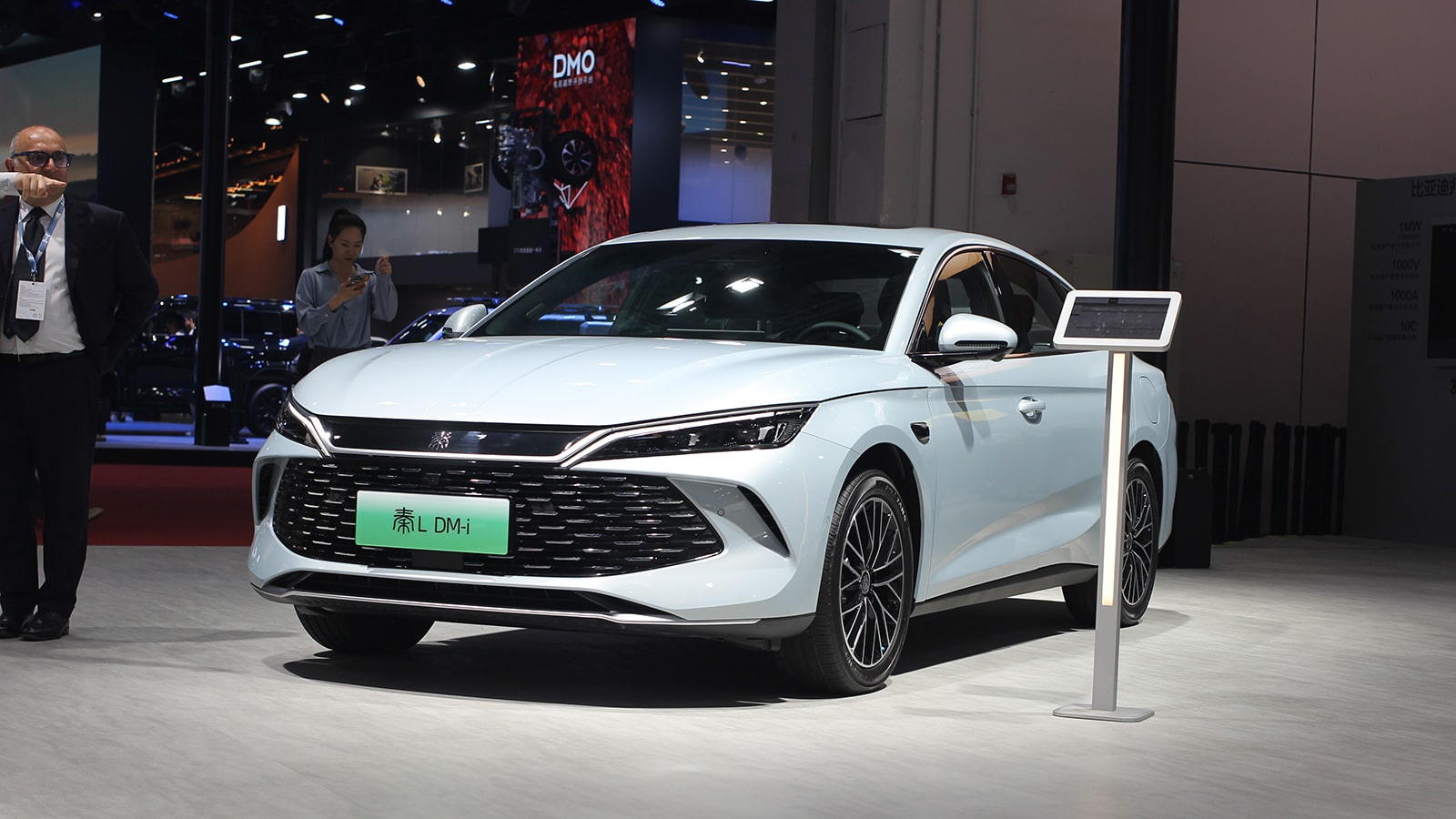
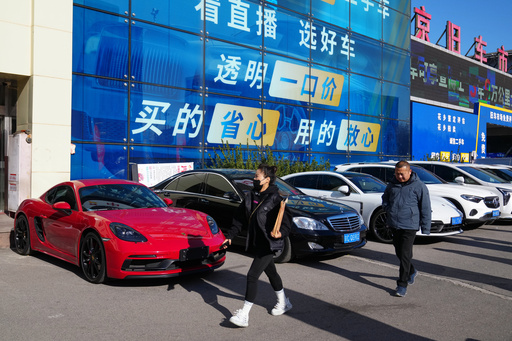
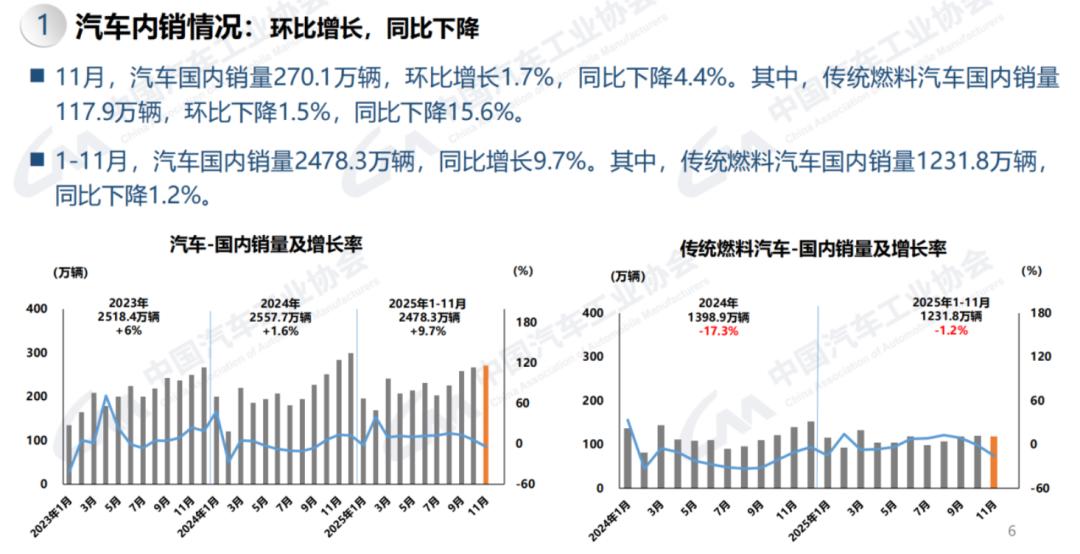
The Chinese automotive market is experiencing a profound structural transformation, characterized by a stark contrast between luxury vehicle contraction and electric vehicle expansion. In November 2024, this dichotomy became dramatically evident: while high-end car sales plummeted, New Energy Vehicle (NEV) registrations hit a remarkable 1.823 million units, representing a 20.6% year-on-year increase.
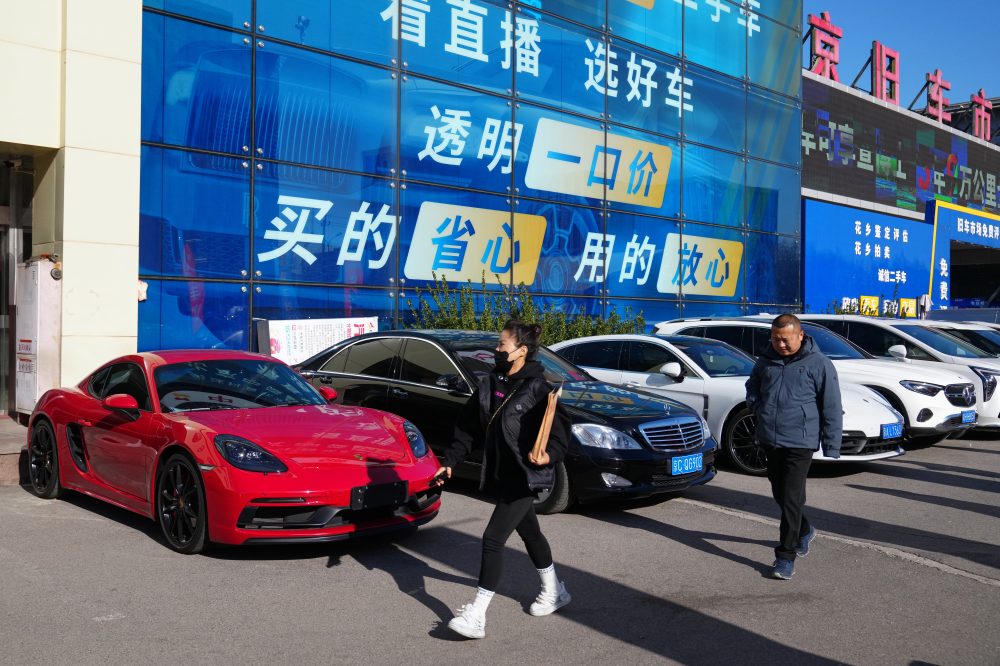
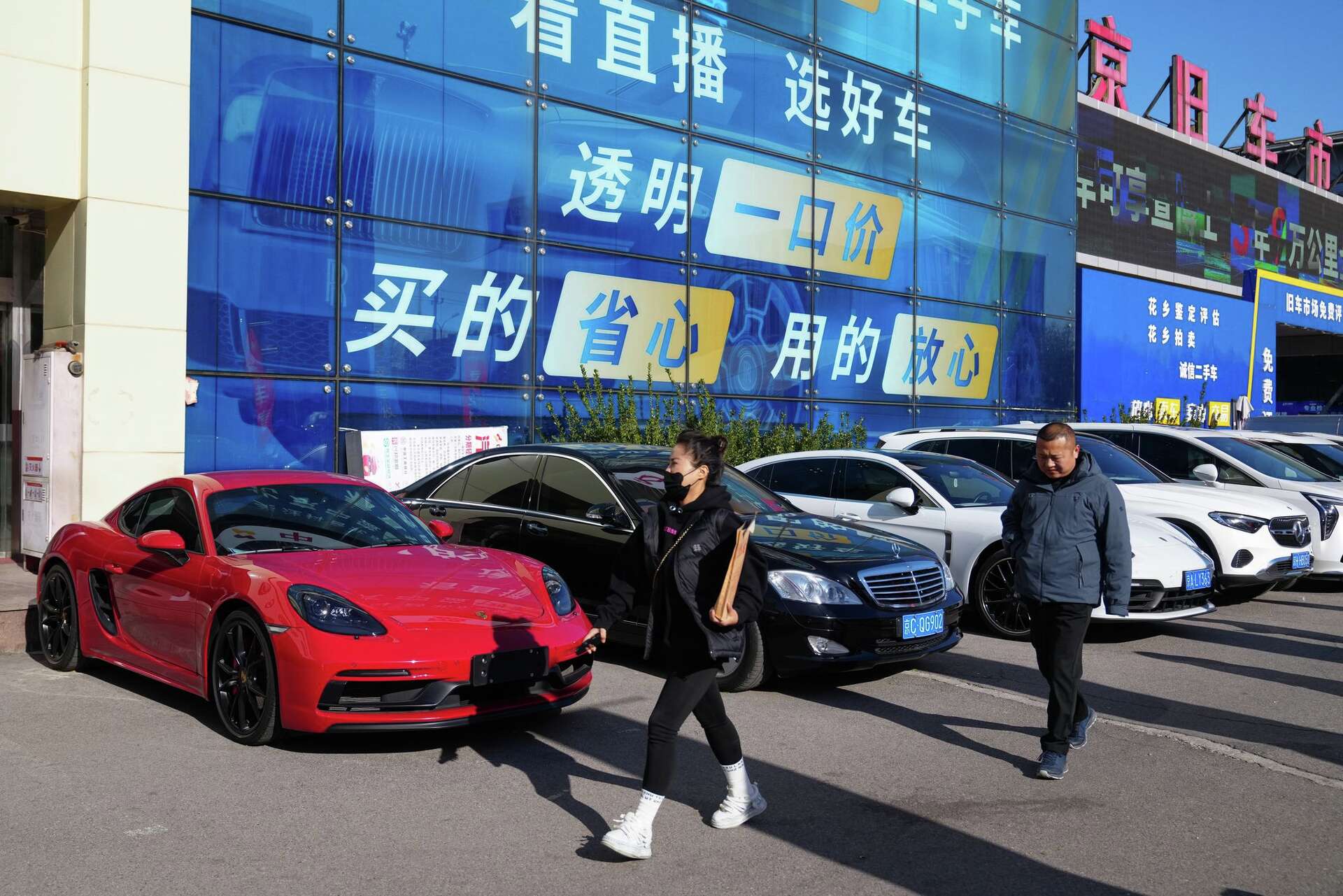
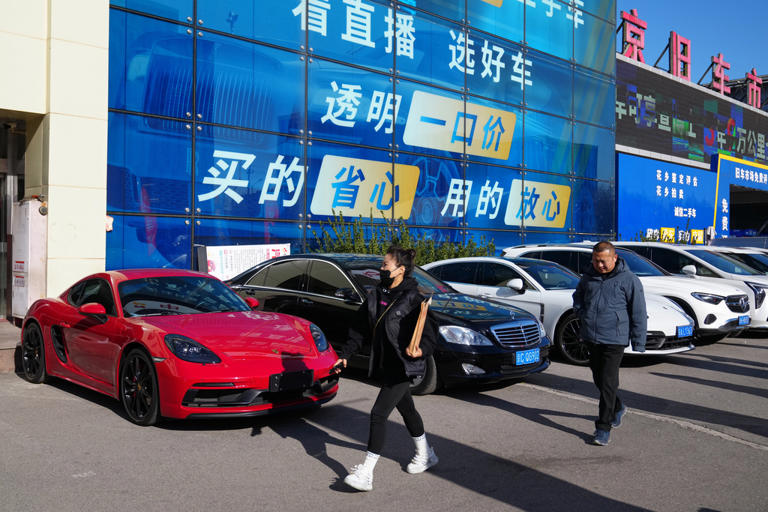
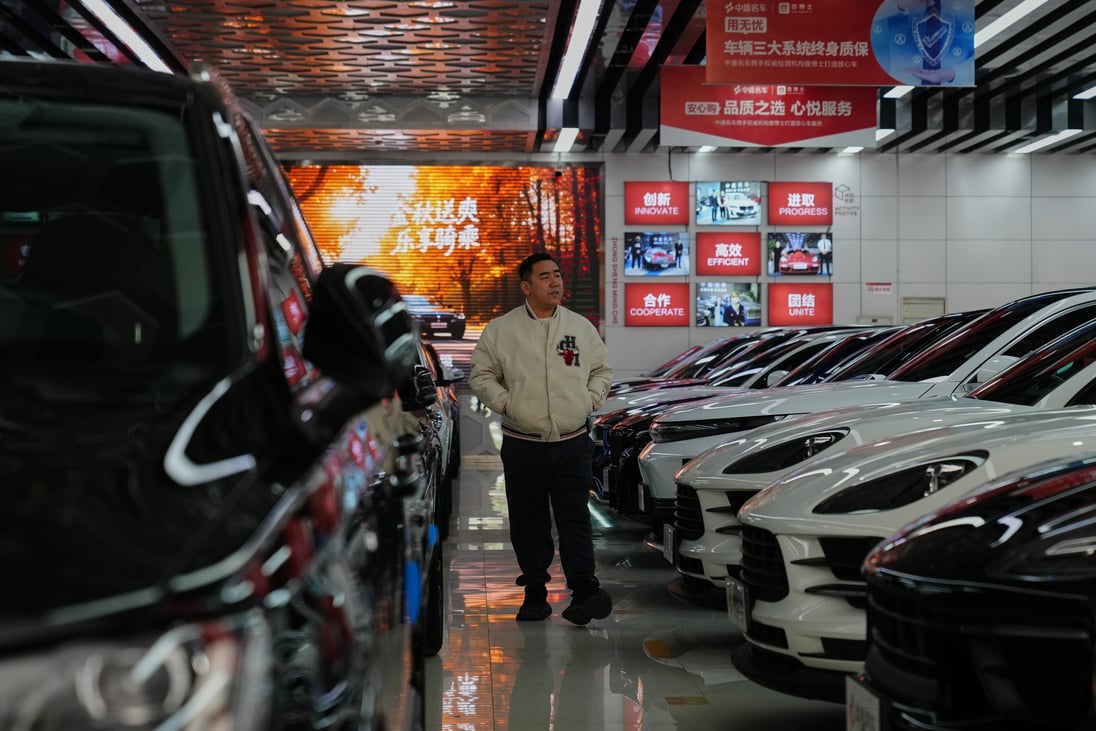
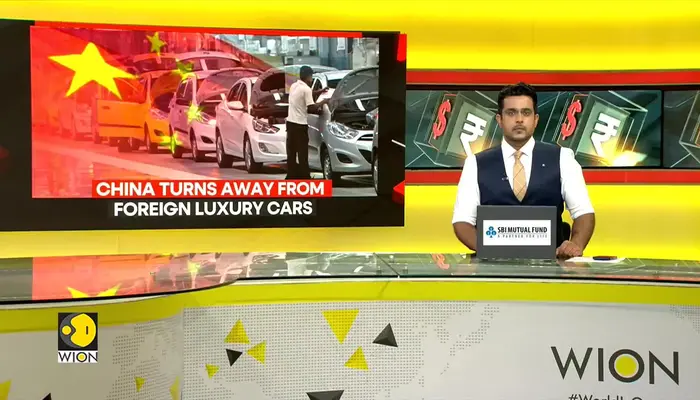
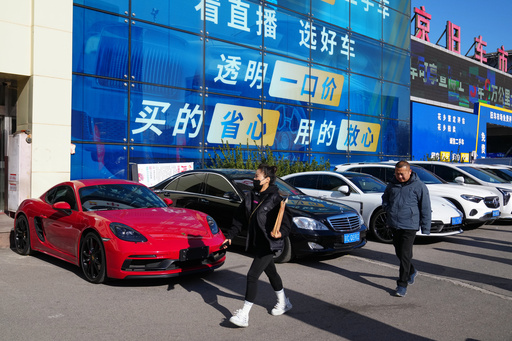
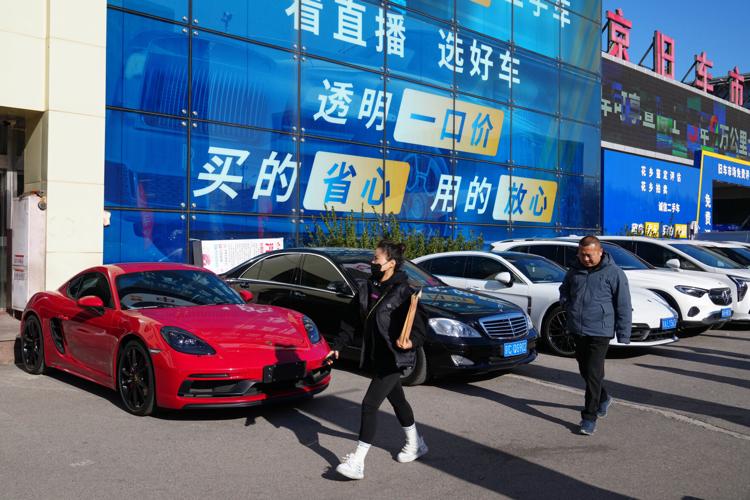
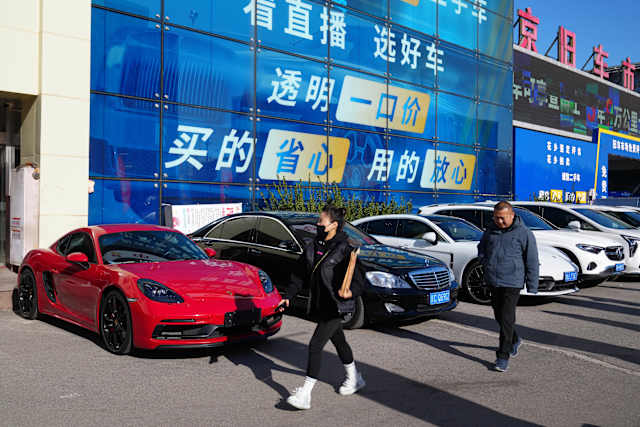
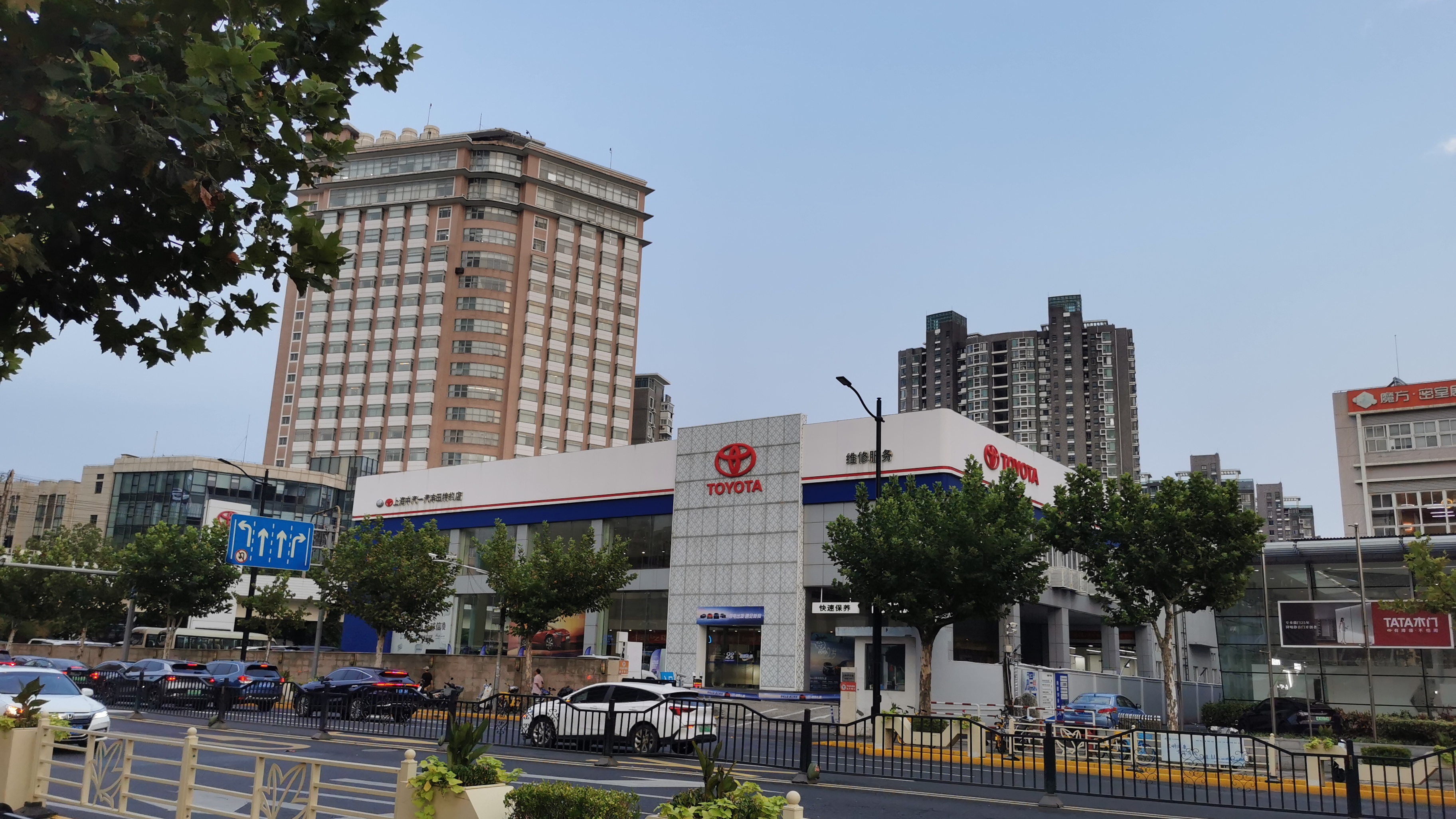
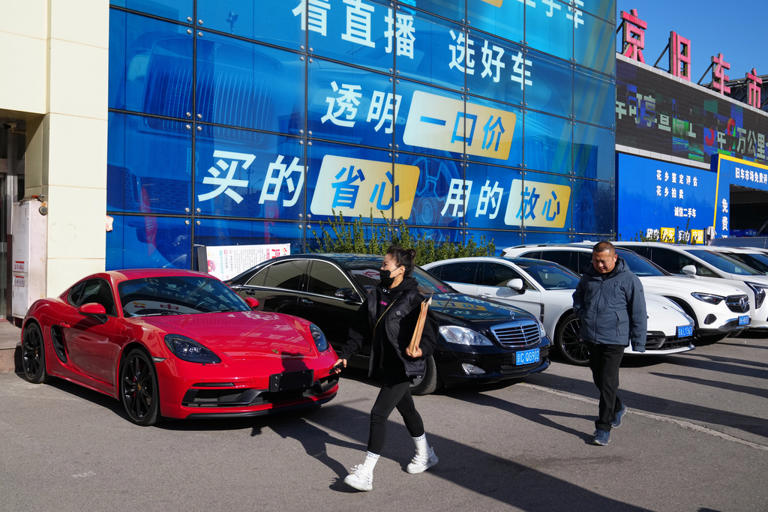
Luxury Market Stress Points: European automakers are facing significant challenges as premium automobile demand in China weakens. The market's luxury segment, traditionally dominated by Mercedes-Benz, BMW, and Audi, is experiencing a substantial downturn driven by broader economic uncertainties. Consumers are becoming increasingly cautious about discretionary spending, signaling a potential long-term shift in purchasing behavior. This contraction suggests that economic sensitivity is particularly acute in high-end market segments, forcing manufacturers to reconsider their strategic positioning.
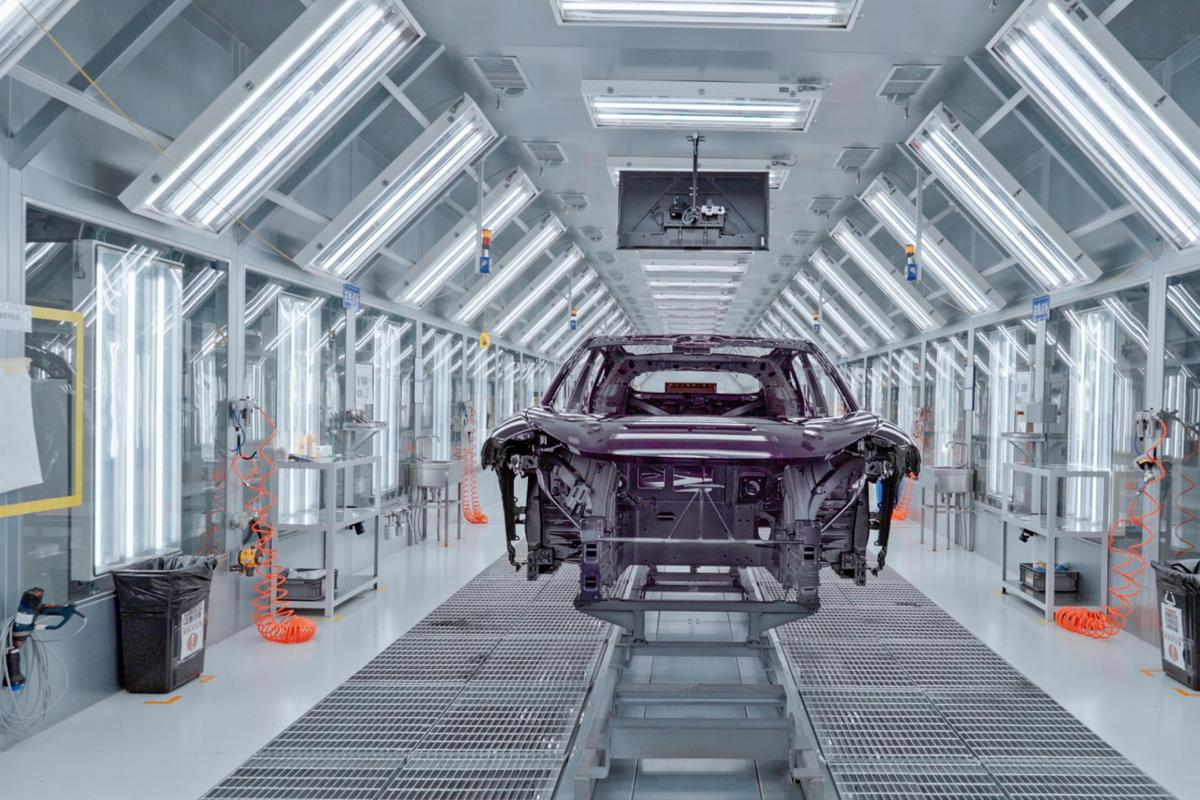
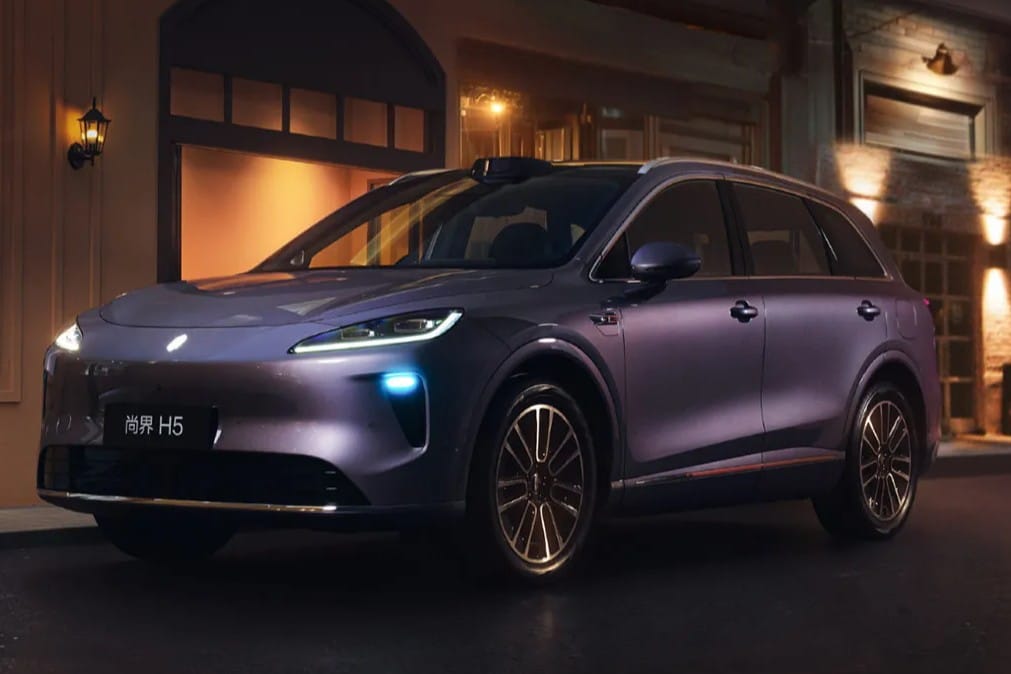
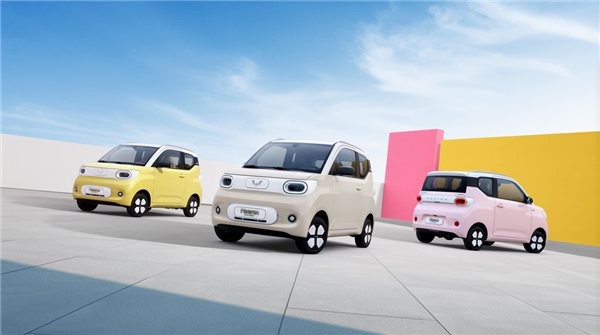
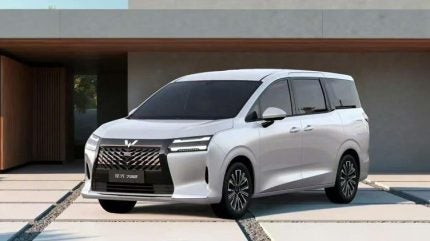
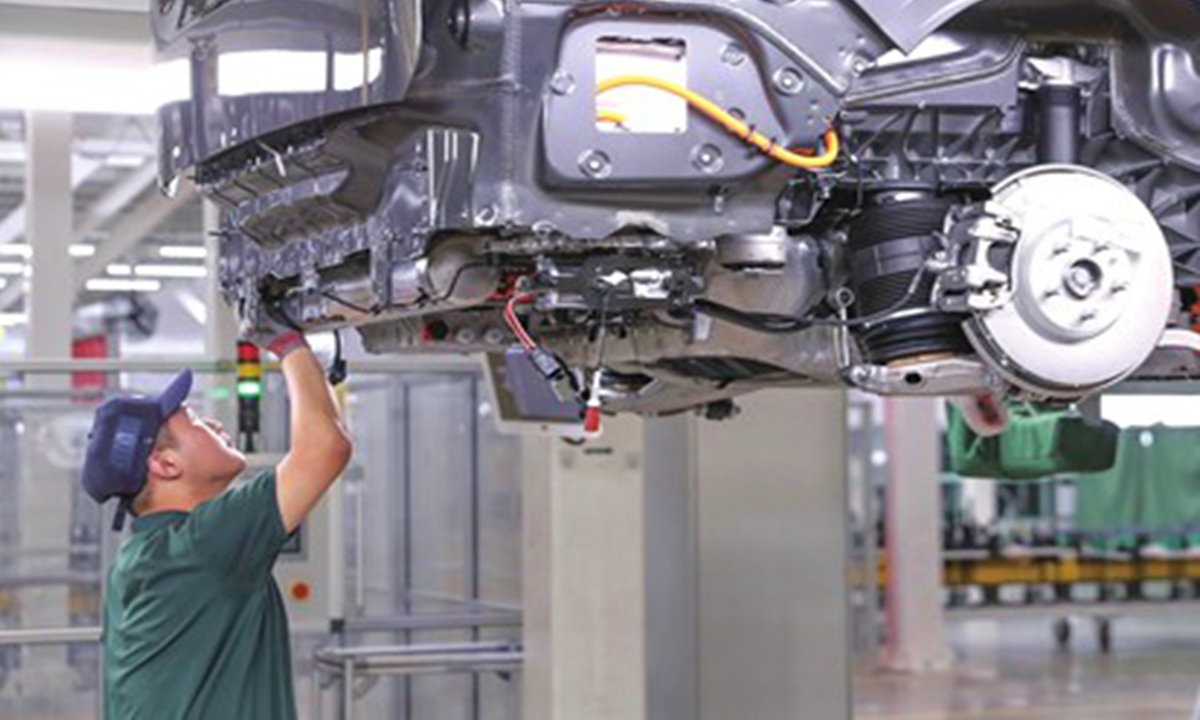
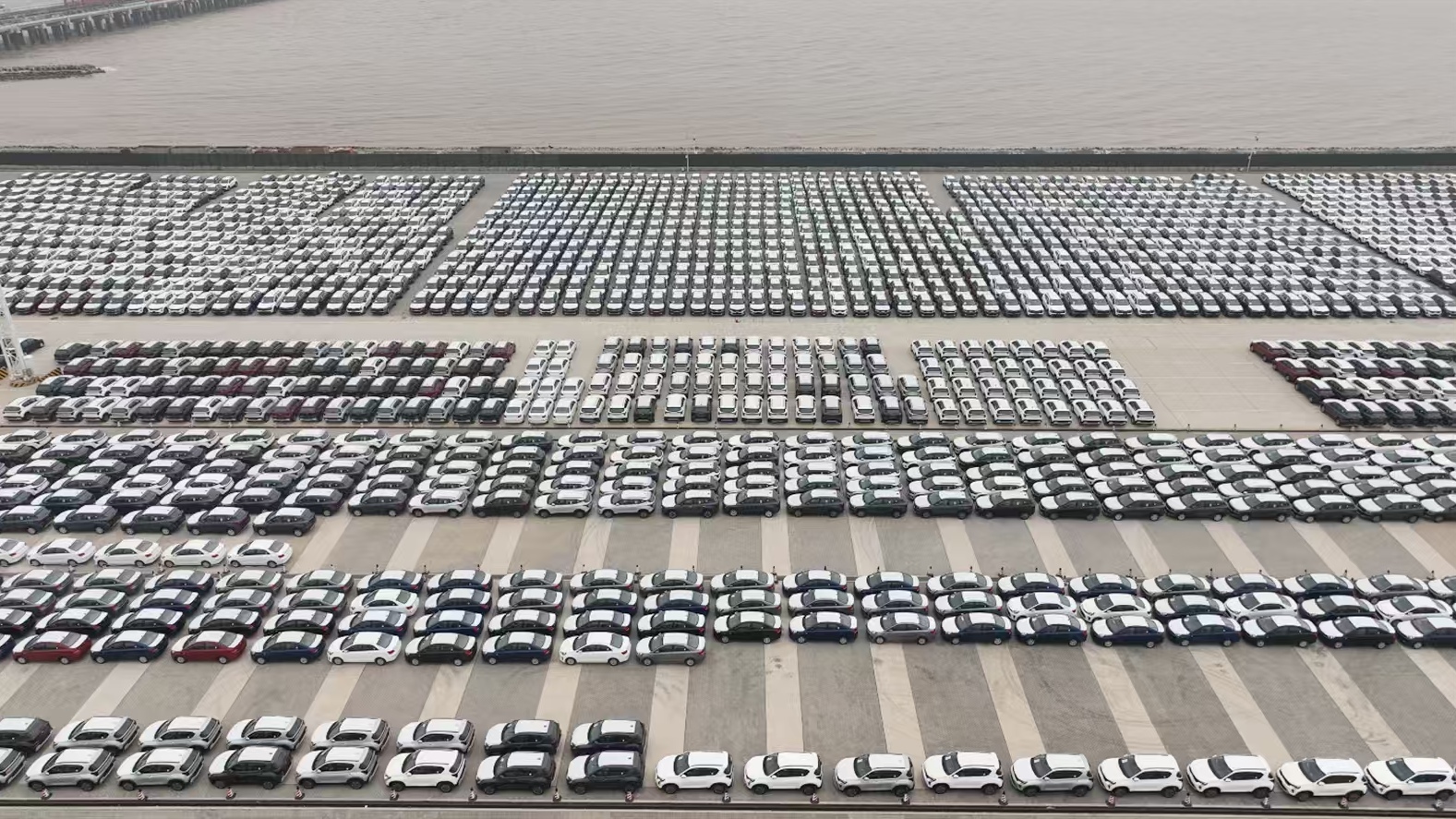
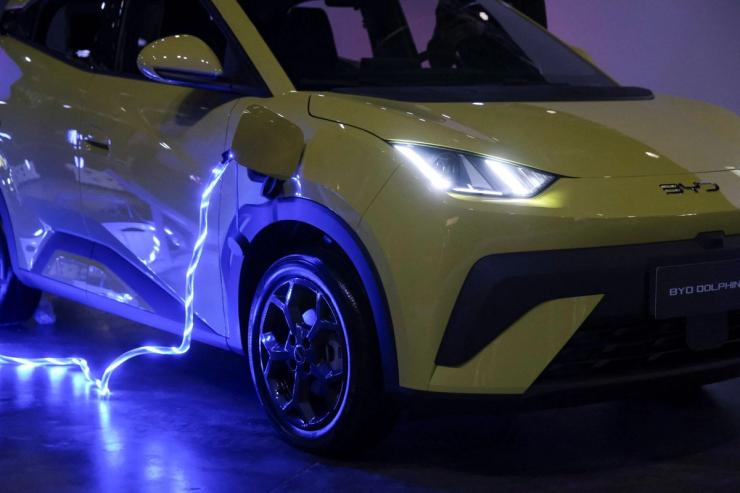
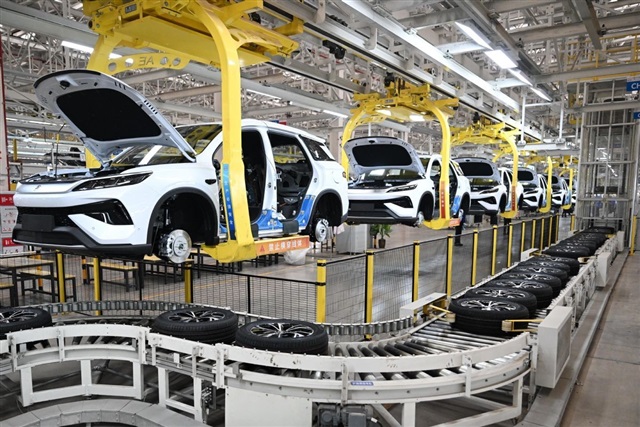
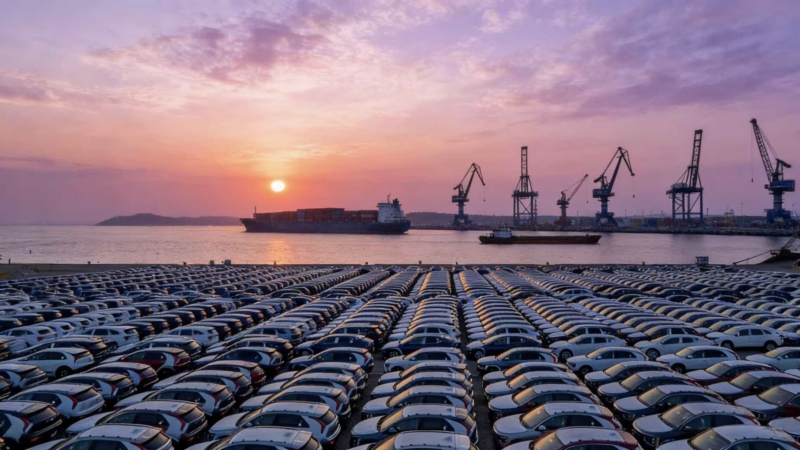
Electric Vehicle Momentum: Simultaneously, China's NEV market demonstrates remarkable resilience and growth. Battery-electric vehicles surpassed one million units for the third consecutive month, with a 28.9% year-on-year increase. Particularly noteworthy is the export performance, with 300,000 NEVs exported in November—a staggering 260% year-on-year growth. The NEV market share has climbed to 53.2%, compared to 45.6% a year earlier, indicating a fundamental restructuring of the automotive ecosystem.
The divergence between luxury vehicle decline and electric vehicle expansion reveals deeper economic and technological transitions. European manufacturers must rapidly adapt, potentially by:
- Accelerating electric vehicle development
- Introducing more affordable premium models
- Exploring alternative market segments with lower economic sensitivity
Strategic Implications: This market transformation signals a critical inflection point. China is not just consuming vehicles but reshaping global automotive dynamics through technological innovation and strategic export capabilities. The New Energy Vehicle sector is emerging as a key driver of industrial policy, export potential, and technological leadership.
For global automotive players, the message is clear: flexibility, technological adaptation, and understanding nuanced market shifts are no longer optional—they are existential imperatives.
Questions 4
What strategies should European automakers adopt in response to these market changes?
European manufacturers should focus on three key strategies: accelerating electric vehicle development, introducing more affordable premium models, and exploring market segments less sensitive to economic fluctuations. Technological adaptation and market flexibility are crucial for survival.
How significant is China's electric vehicle export growth?
China's NEV exports grew an extraordinary 260% year-on-year in November 2024, with 300,000 vehicles exported. This represents a major strategic shift, positioning China as a global leader in electric vehicle production and international market penetration.