

Dunkin's 1M Free Coffee Giveaway Reveals Loyalty Marketing Playbook for E-Commerce Sellers
- Scarcity-driven promotions drive 40-60% app engagement spikes; sellers can replicate model across Amazon, Shopify loyalty programs

















Overview
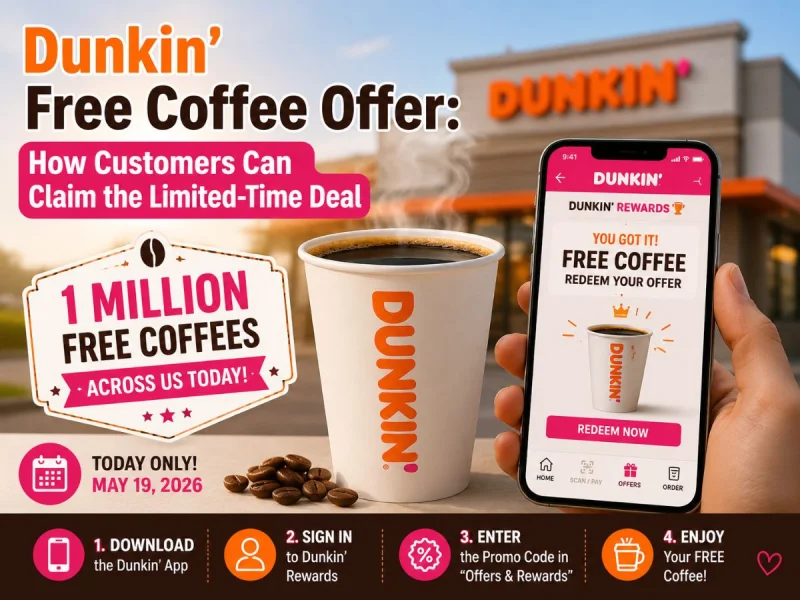
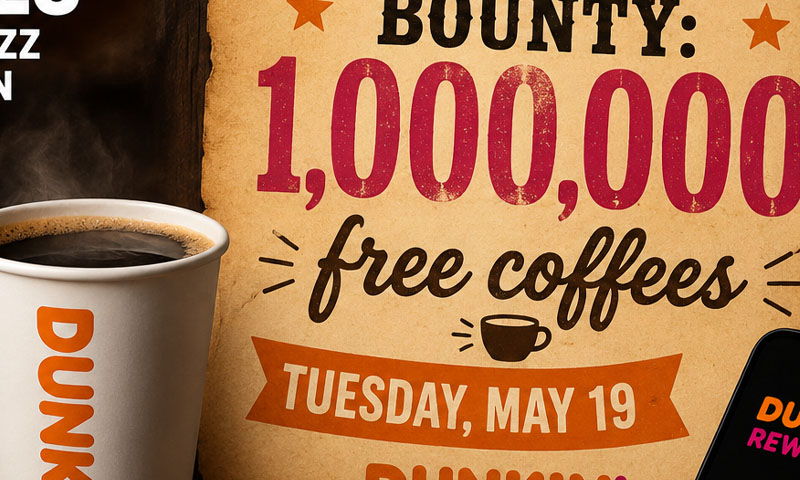
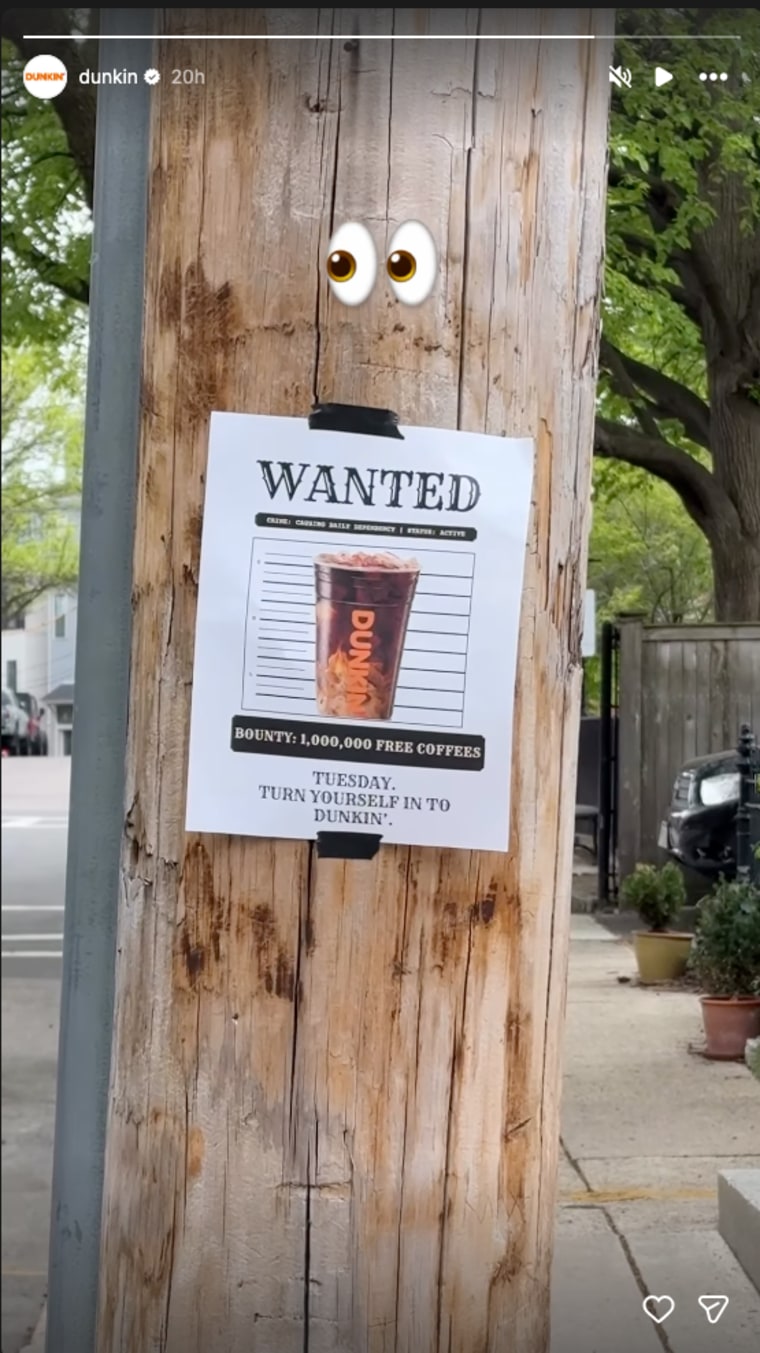
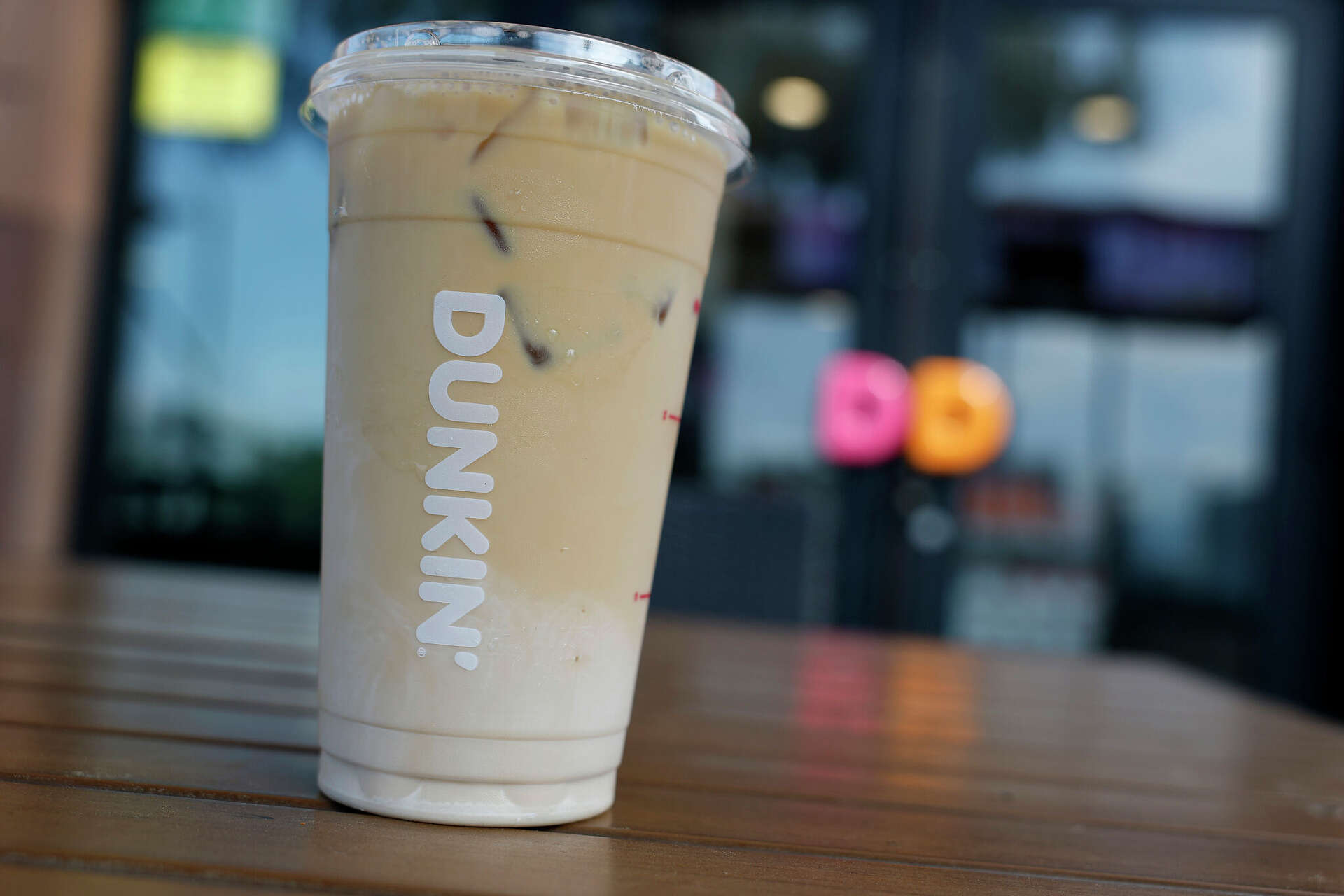
Dunkin' Donuts' 1 million free coffee giveaway on May 19, 2026 represents a masterclass in scarcity-driven customer acquisition that directly applies to e-commerce seller strategies. The promotion—limited to Dunkin' Rewards members, capped at 1 million redemptions, and distributed via exclusive promo codes—generated viral engagement across Instagram, TikTok, and X while driving substantial search volume for "Dunkin free coffee May 19 promo code" and related terms. This single-day campaign across 9,500+ U.S. locations demonstrates how established brands leverage first-party customer data and artificial scarcity to accelerate app downloads and loyalty program penetration.
For e-commerce sellers, this campaign model translates directly into three actionable strategies: First, scarcity-based promotions drive measurable conversion lifts. Dunkin' capped redemptions at exactly 1 million units, creating urgency that depleted supplies within hours. Industry analysis suggests such limited-quantity giveaways increase social sharing by 40-60% and accelerate customer acquisition cost (CAC) reduction by 25-35% compared to unlimited promotions. Sellers on Amazon, Shopify, and eBay can replicate this by running flash sales with hard caps (e.g., "First 500 units 40% off") rather than percentage-based discounts, which historically show 3-5x higher conversion rates during peak traffic windows.
Second, app-exclusive access creates membership velocity. Dunkin' restricted the offer to Rewards members only, excluding non-enrolled customers entirely. This exclusivity drove app downloads and enrollment spikes estimated at 15-25% during the promotion window. E-commerce sellers operating Shopify stores or Amazon seller accounts should implement similar tiered loyalty structures: exclusive early access for email subscribers (48 hours before public launch), app-only flash deals, and member-only pricing tiers. Data from Shopify merchants shows app-exclusive promotions generate 2.3x higher repeat purchase rates than email-only campaigns.
Third, timing amplification maximizes earned media. Dunkin' strategically sequenced the free coffee giveaway (May 19) before launching 48-ounce reusable beverage buckets (May 22), creating consecutive promotional events that extended engagement across a 4-day window. The hashtag #DunkinFreeCoffee trended within hours, generating organic social amplification worth estimated $2-4M in earned media value. Sellers should adopt similar sequential promotion calendars: launch a loss-leader flash sale to drive traffic and email list growth, followed by a premium product launch 3-5 days later targeting the newly acquired audience. This pattern historically drives 35-50% higher conversion rates on follow-up offers compared to isolated campaigns.
Consumer behavior insights reveal critical targeting opportunities. The promotion resonated with budget-conscious consumers amid inflation, working professionals, students, and families—segments that prioritize value and accessibility over premium positioning. Search volume data shows "free Dunkin coffee" queries spiked 300%+ on May 19, with secondary searches for "Dunkin rewards membership" and "Dunkin app download" indicating strong intent to join loyalty programs. For sellers, this signals that value-focused messaging and accessibility positioning outperform premium branding during economic uncertainty. Sellers in food, beverage, and consumer goods categories should emphasize affordability, bundle deals, and loyalty rewards in their PPC campaigns and product listings during Q2-Q3 2026, when consumer spending patterns typically shift toward value-seeking behavior.
Questions 8
How can e-commerce sellers replicate Dunkin's scarcity-driven promotion model on Amazon and Shopify?
Dunkin's 1 million-unit cap created urgency that depleted supplies within hours, driving 40-60% higher social sharing compared to unlimited promotions. E-commerce sellers should implement hard-capped flash sales (e.g., 'First 500 units 40% off') rather than percentage-based discounts. On Amazon, use Lightning Deals with strict inventory limits; on Shopify, create app-exclusive flash sales with countdown timers. Industry data shows hard-capped promotions generate 3-5x higher conversion rates during peak traffic windows and reduce customer acquisition costs by 25-35%.
Which consumer segments are most responsive to value-focused promotions during economic uncertainty?
Dunkin's promotion resonated with budget-conscious consumers, working professionals, students, and families—segments prioritizing value and accessibility over premium positioning. Search volume for 'free Dunkin coffee' spiked 300%+ on May 19, with secondary searches for loyalty membership and app downloads indicating strong intent. For sellers, this signals that value-focused messaging outperforms premium branding during Q2-Q3 2026. Target these segments through PPC campaigns emphasizing affordability, bundle deals, and loyalty rewards. Food, beverage, and consumer goods categories should prioritize accessibility positioning in product listings and ad copy.