

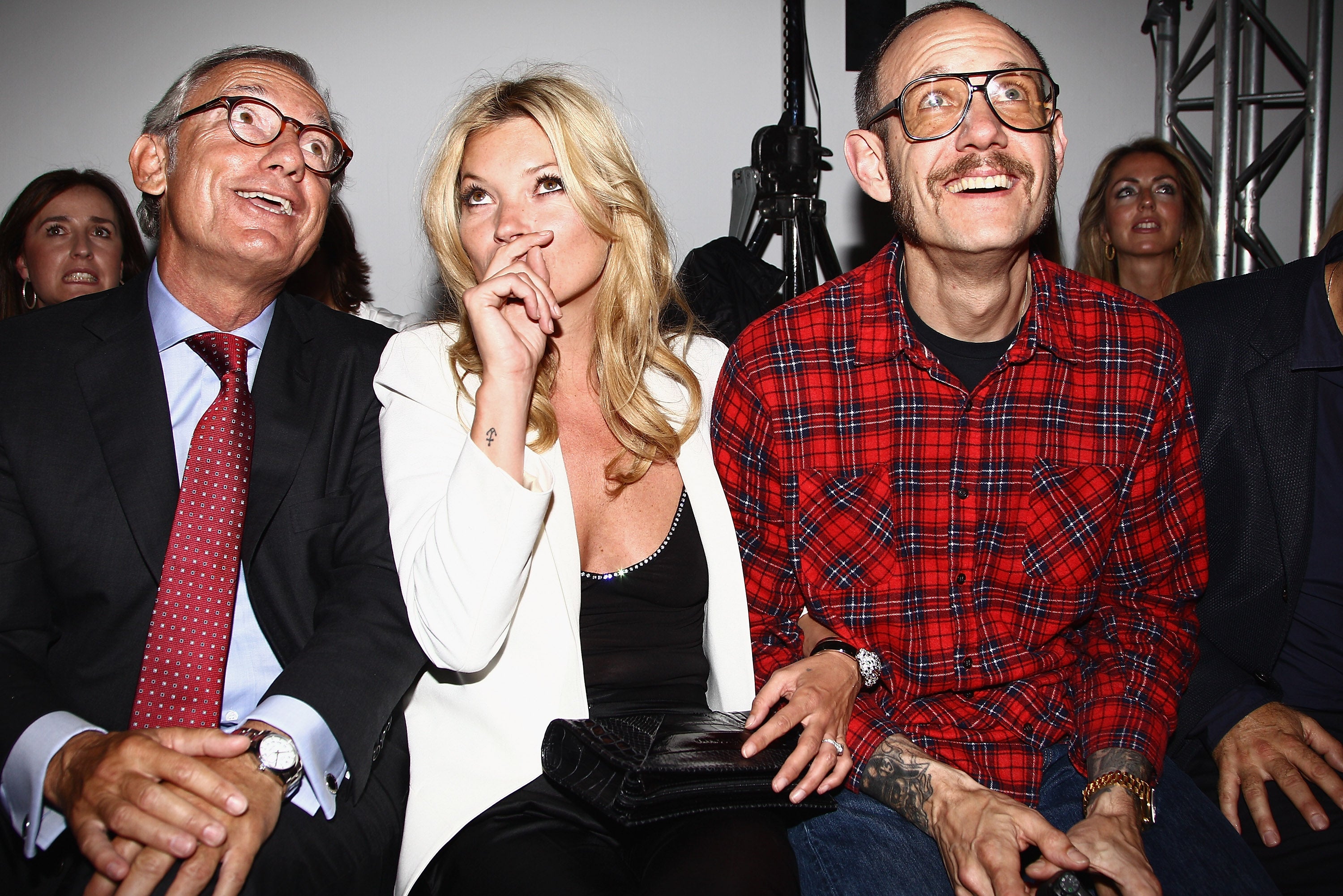


Mango Leadership Crisis & €3.8B Fashion Retailer Succession Risk | Seller Supply Chain Impact
- Vice chairman arrested in homicide investigation; €4.5B founder's estate uncertainty threatens European fashion supply chain stability for cross-border sellers

















Overview
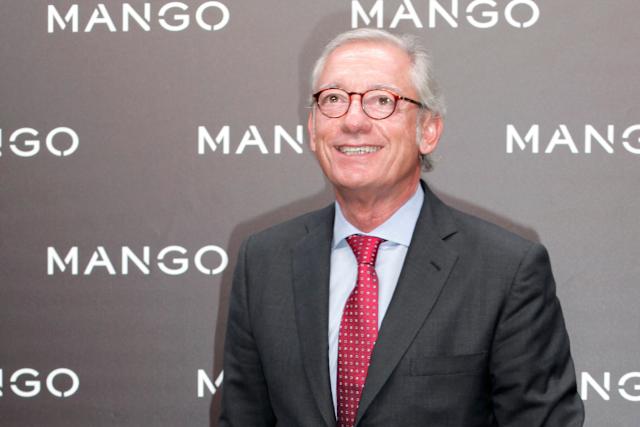
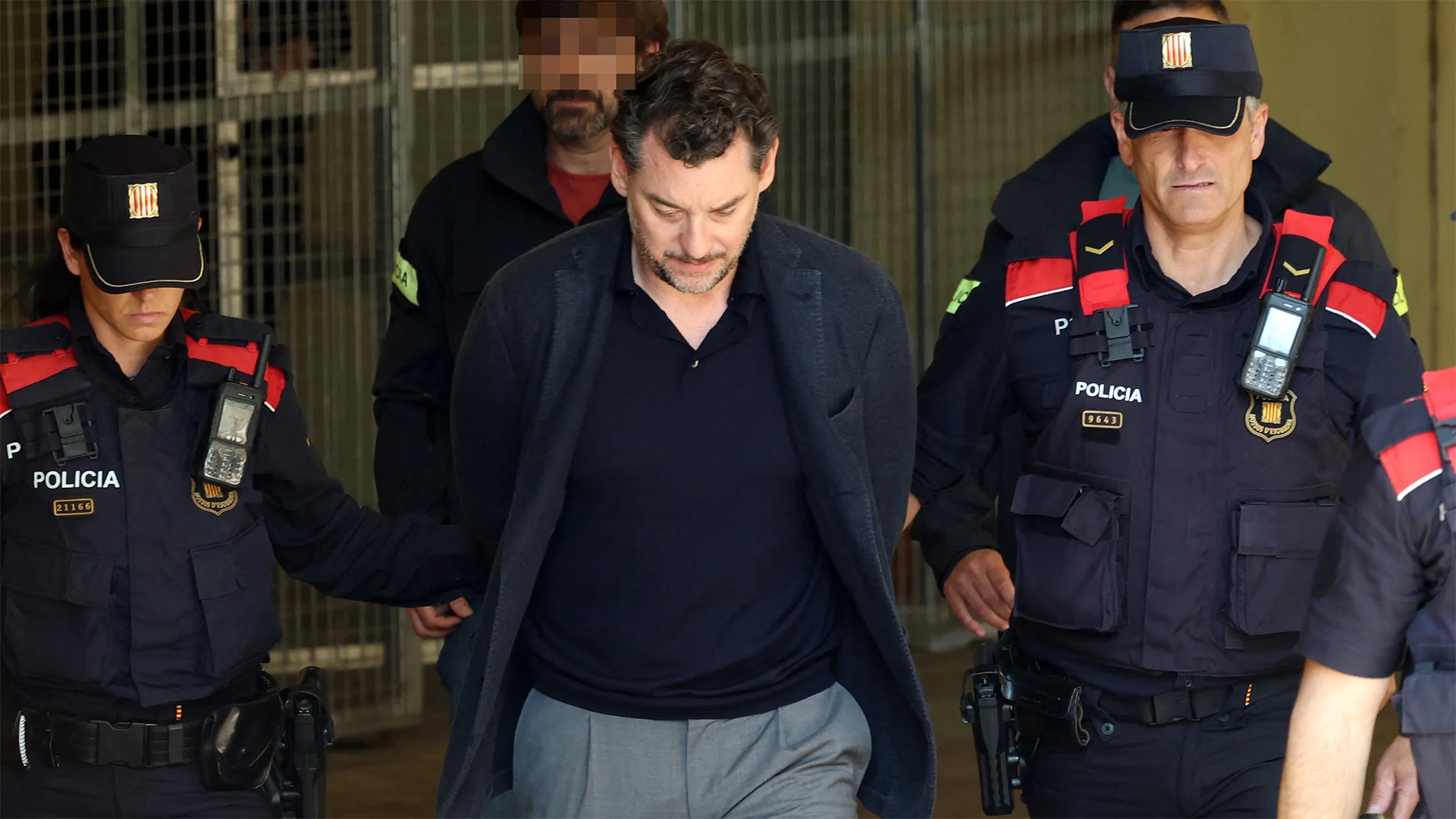
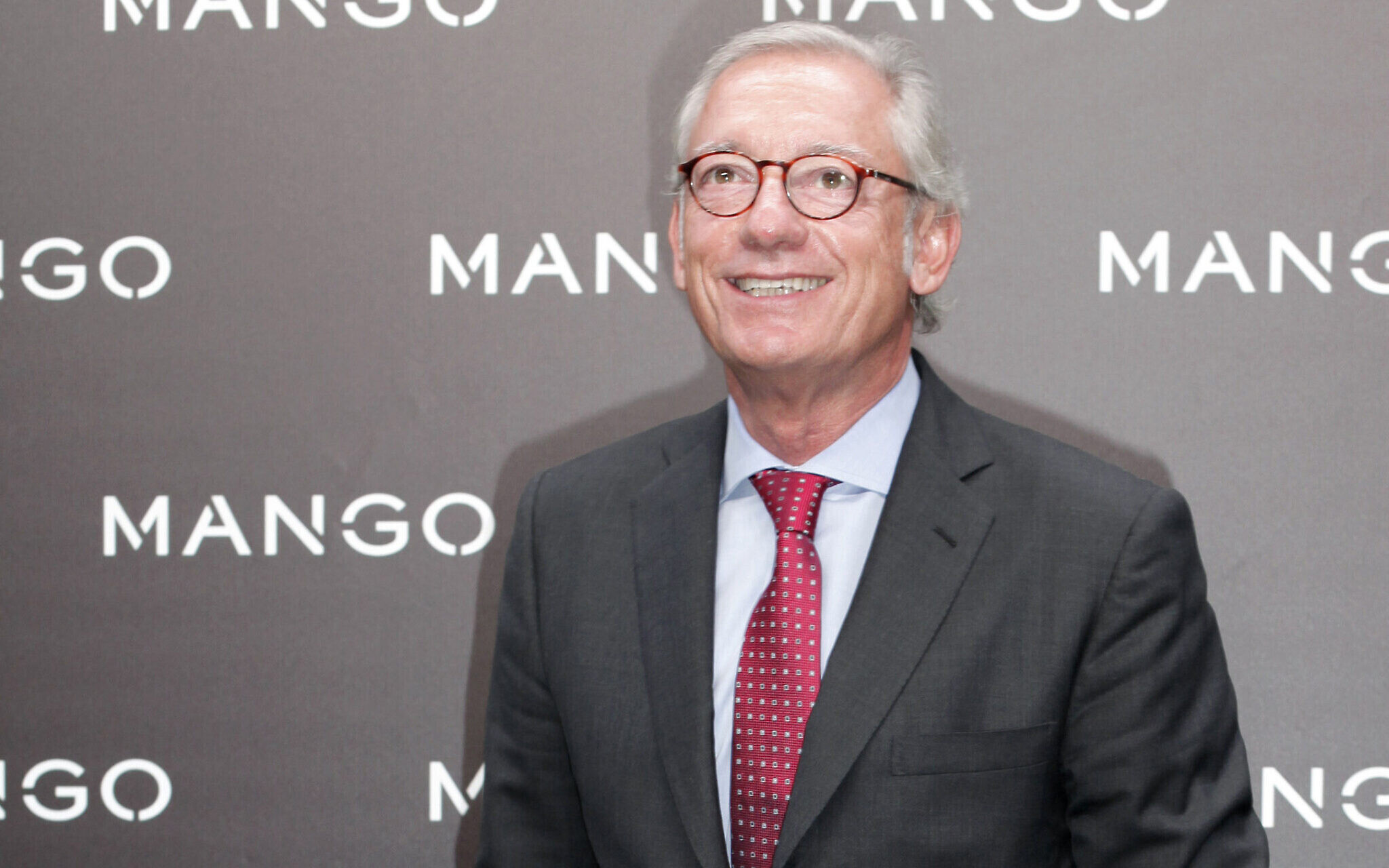
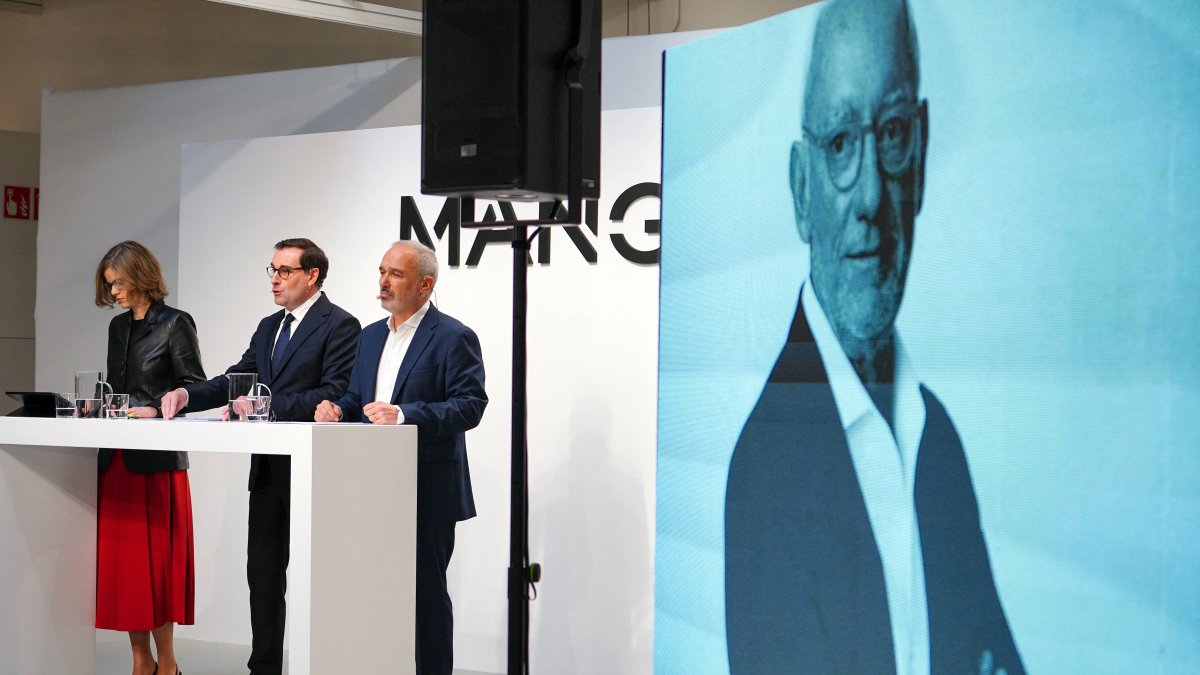
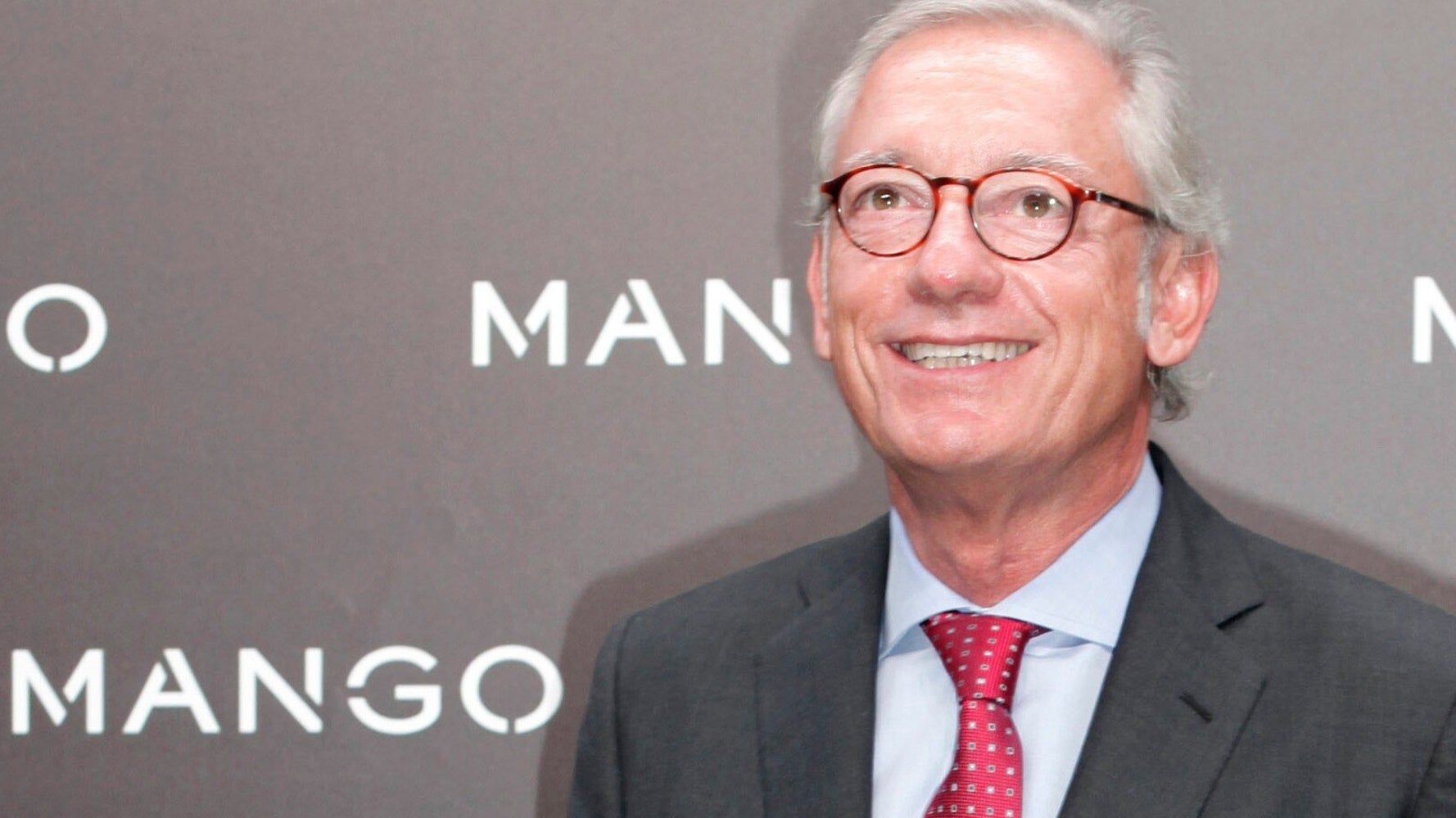
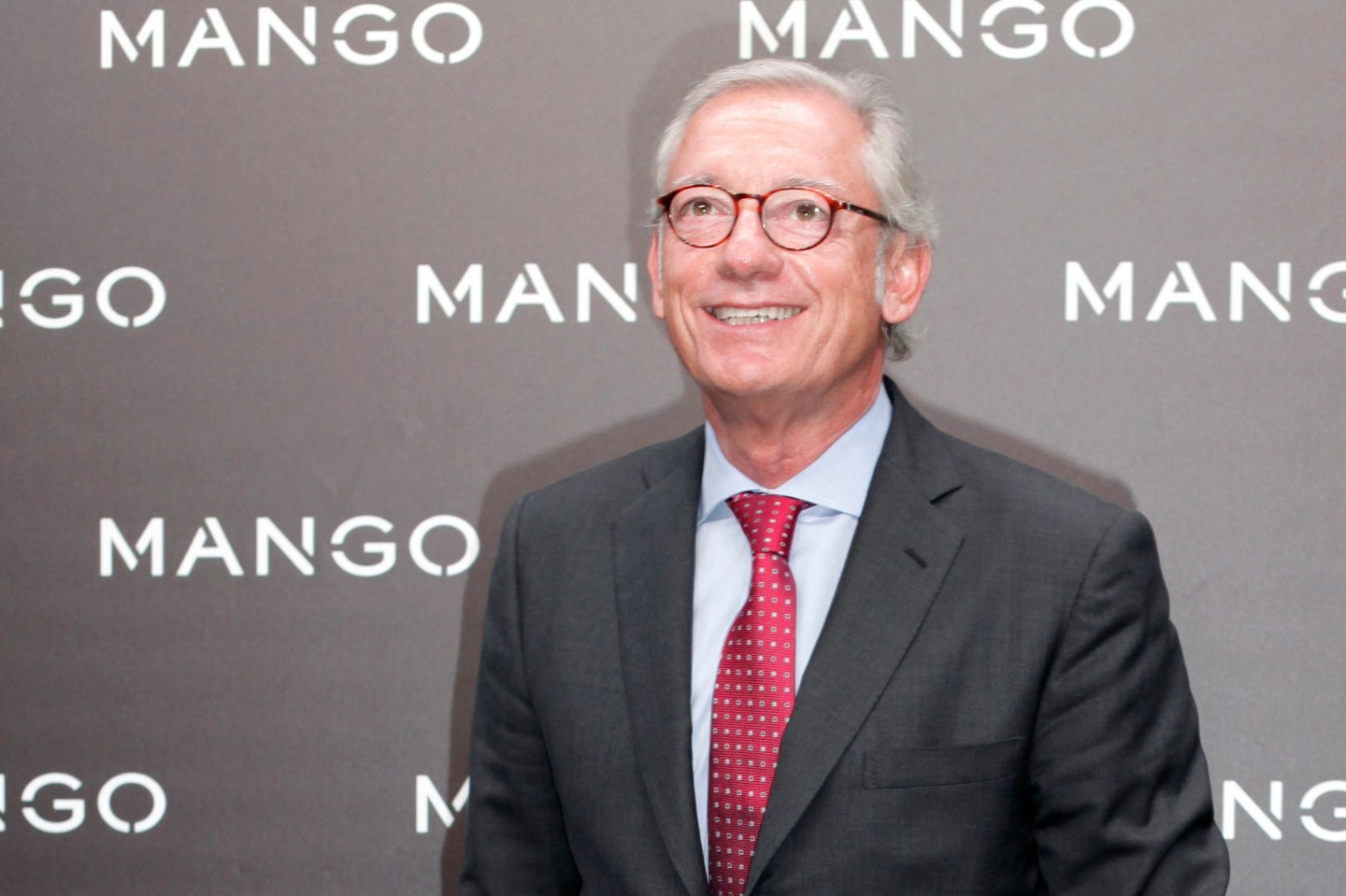
The arrest of Jonathan Andic, vice chairman of Spanish fashion giant Mango, on May 19, 2026, in connection with his father Isak Andic's death creates unprecedented governance uncertainty for one of Europe's largest fashion retailers. Isak Andic, who founded Mango in 1984 and built it into a €3.8 billion annual revenue powerhouse competing directly with Inditex-owned Zara, died in December 2024 after falling 320 feet down a ravine near Barcelona. Initially ruled accidental, the case was reopened in March 2025 and reclassified as a homicide investigation in October 2025. Jonathan Andic was released on €1 million bail with passport surrender and weekly court appearance requirements, while the Andic family maintains his innocence. This leadership crisis directly impacts cross-border e-commerce sellers who rely on Mango's supply chain, distribution networks, and retail partnerships across Europe.
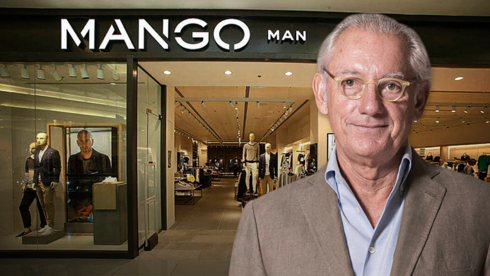
For e-commerce sellers, this governance crisis signals potential operational disruption at a €4.5 billion asset company. Mango operates globally with significant e-commerce presence and double-digit growth trajectory, making it a critical player in European fashion distribution. The uncertainty surrounding Jonathan Andic's leadership role—he serves as vice chairman of Mango's board—creates questions about strategic direction, capital allocation, and potential asset restructuring. Family-controlled businesses like Mango often experience succession complications during crises, potentially triggering management changes, supply chain reallocations, or strategic pivots that affect supplier relationships and inventory commitments. Sellers who source from Mango's supply chain, partner with the retailer for distribution, or compete in overlapping fashion categories face potential volatility in 2026-2027 as the legal case unfolds and leadership transitions may occur.
The investigation's reclassification from accidental death to homicide represents a significant shift with reputational implications for the Andic family's business empire. Spain's High Court of Justice of Barcelona confirmed the homicide investigation, indicating substantial new evidence emerged between March and October 2025. This legal uncertainty creates a 12-24 month window where Mango's strategic decisions may be constrained by litigation, management distraction, or potential leadership changes. For sellers in the fashion category—particularly those competing with Mango's private label products or relying on European distribution—this creates both risk (potential supply chain disruption) and opportunity (market share gains if Mango's operational focus diminishes). The company's silence on its website and social media regarding the arrest suggests management is managing reputational risk carefully, but investor confidence in family-controlled fashion retailers typically declines during high-profile legal crises, potentially affecting credit availability and capital investment in supply chain modernization.
Questions 7
What timeline should sellers expect for resolution and operational normalization?
Criminal homicide investigations in Spain typically require 18-36 months for trial completion, meaning Mango faces extended uncertainty through 2027-2028. Jonathan Andic's weekly court appearance requirements and passport surrender will constrain his operational involvement during this period. Sellers should plan for 12-24 months of potential operational volatility, including possible interim leadership appointments, strategic reviews, and capital allocation changes. The case's outcome—whether charges are dropped, reduced, or proceed to trial—will determine whether Mango experiences rapid normalization or extended succession complications. Monitor court proceedings and Mango's quarterly announcements for signals of leadership transitions or strategic pivots. Prepare contingency plans assuming 18-month minimum timeline for full operational clarity.
How might Mango's e-commerce operations be affected by the leadership crisis?
Mango operates globally with significant e-commerce presence and achieved double-digit growth, indicating strong digital capabilities. However, high-profile criminal investigations often trigger management distraction and delayed strategic decisions in digital transformation, inventory optimization, and marketplace expansion. Sellers competing with Mango on Amazon, eBay, Shopify, and regional European marketplaces may see reduced competitive pressure if Mango's e-commerce investment and marketing spending decline during the litigation period. Monitor Mango's sponsored product advertising, new product launches, and marketplace expansion for signs of reduced investment. This creates 12-24 month windows for competing sellers to expand market share in European fashion categories where Mango typically dominates. Expect potential price reductions from Mango as management prioritizes cash preservation over growth during the crisis.