



Global Health Crisis Reshapes Supply Chain Risk | Sellers Face New Sourcing Challenges
- WHO declares public health emergency affecting 513+ cases across Central Africa; CDC Level 3 travel restrictions impact sourcing networks and logistics corridors for cross-border sellers












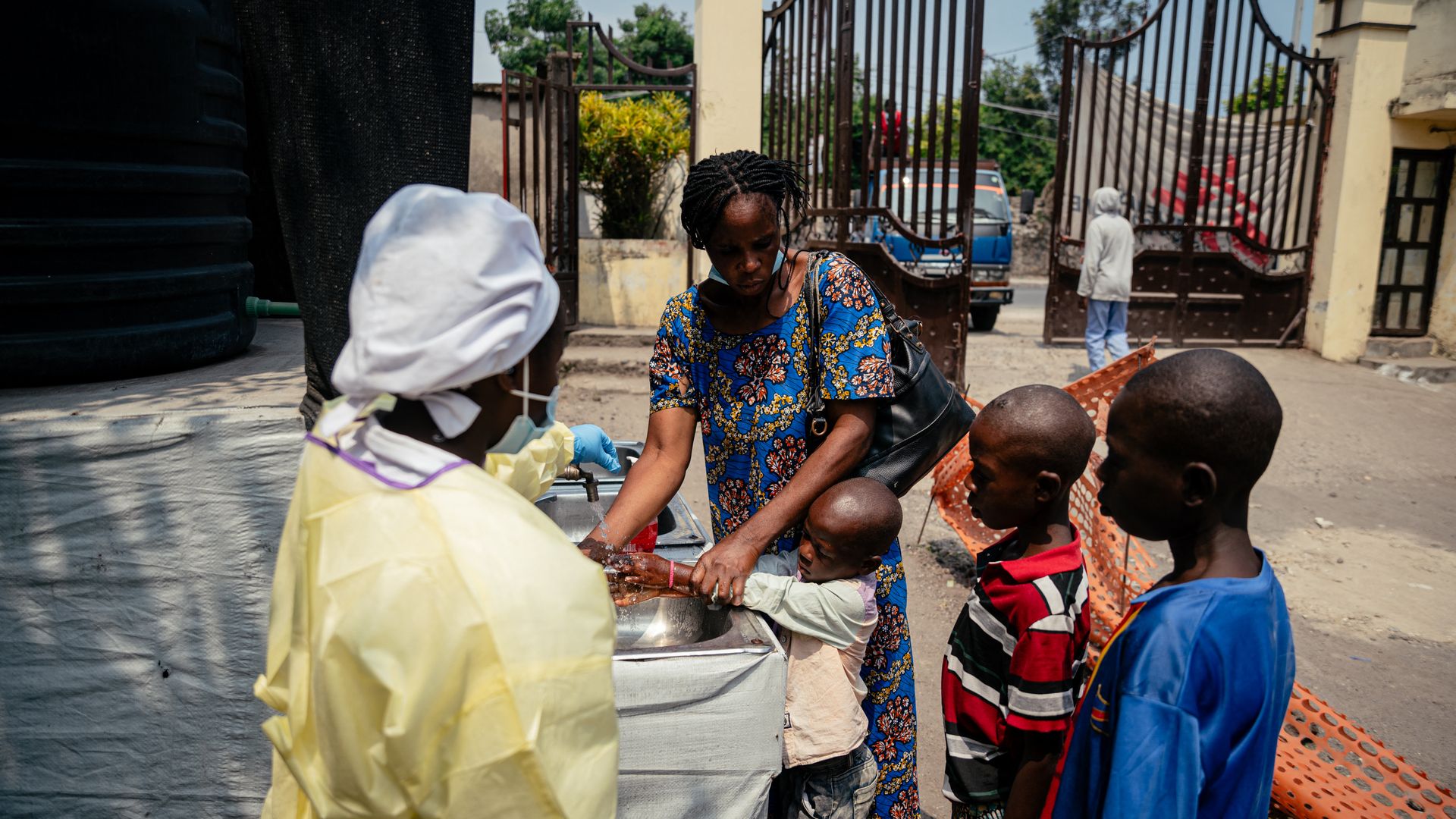
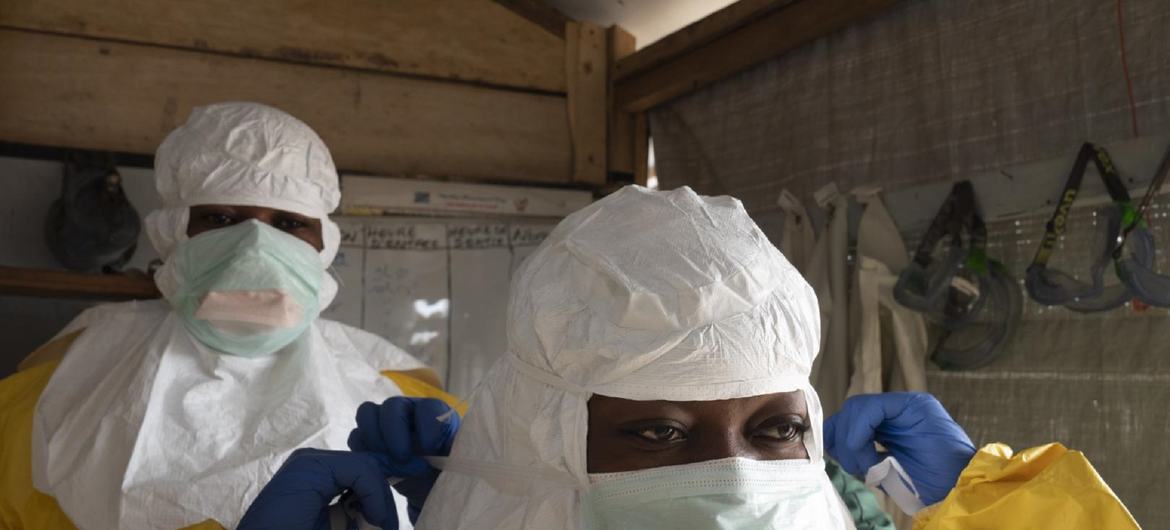
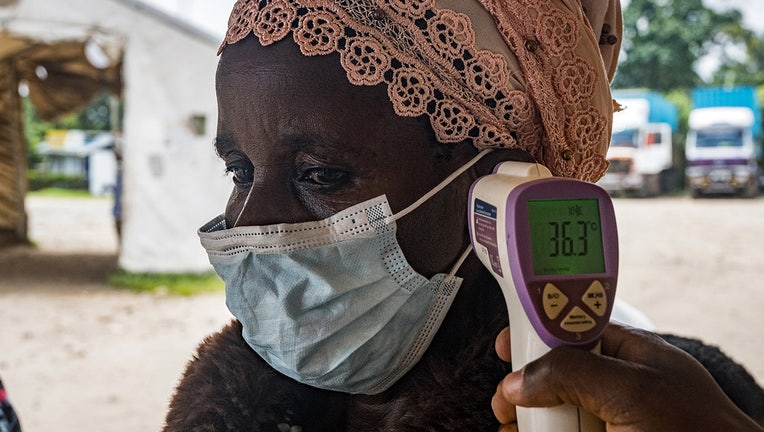




Overview
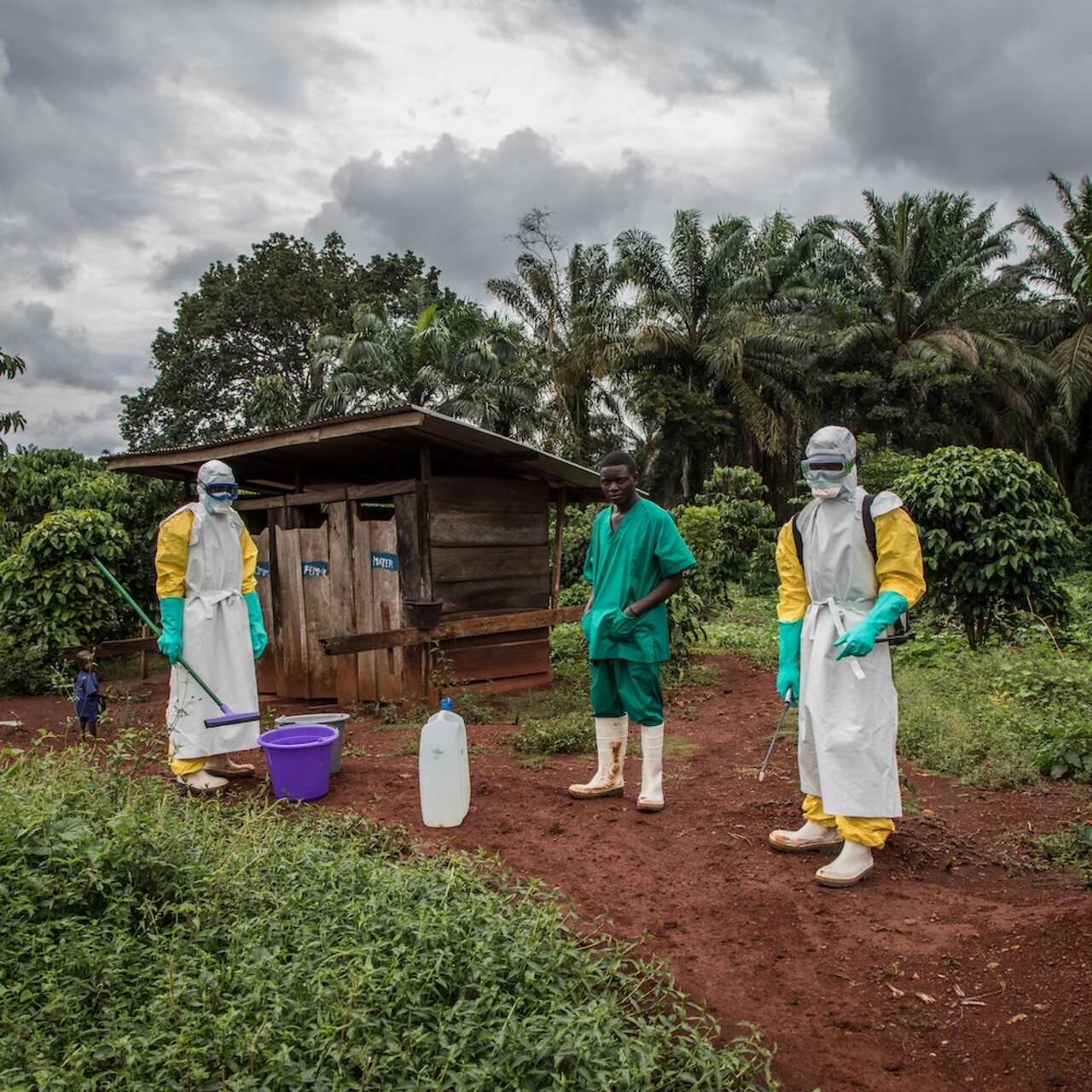
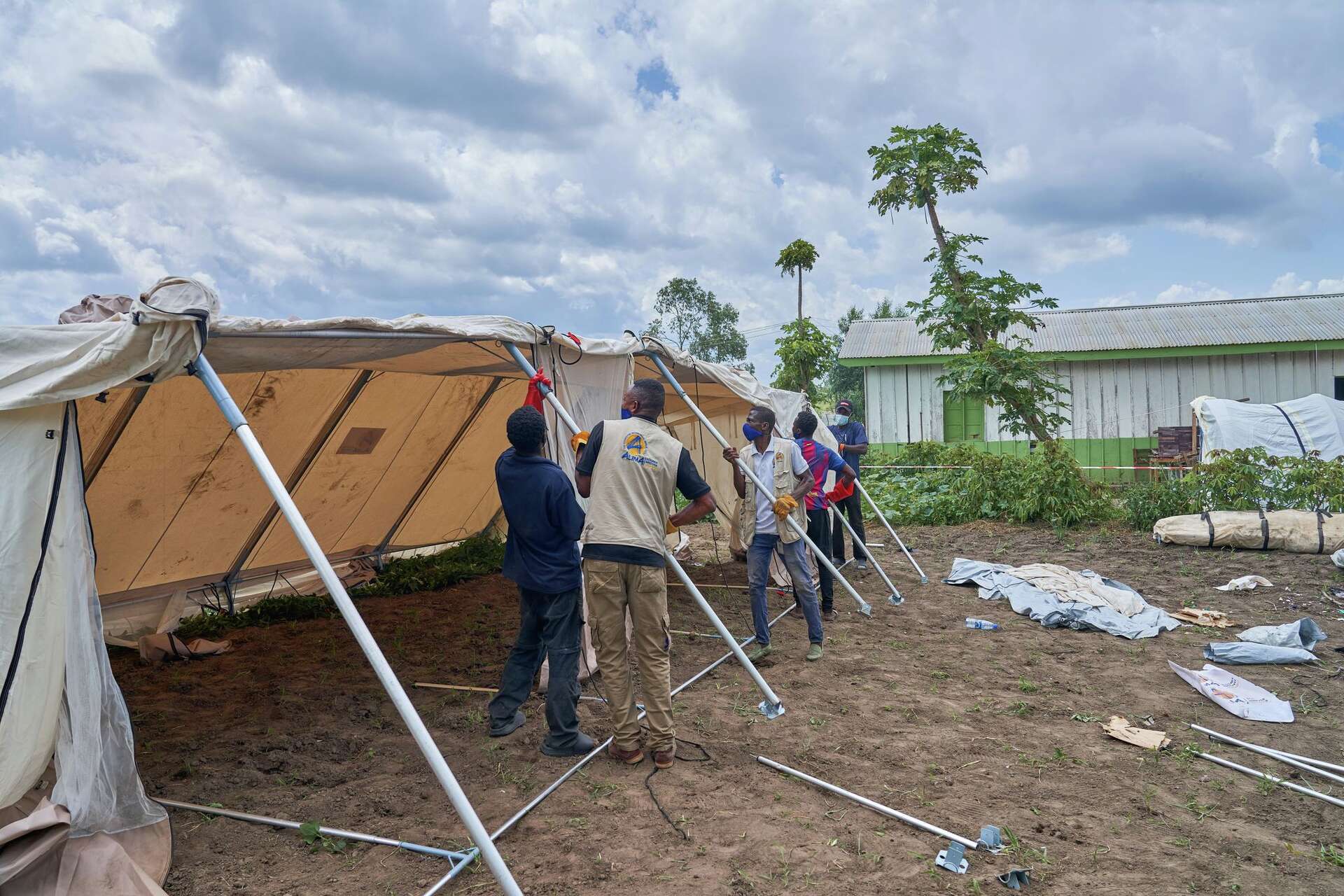
The Bundibugyo Ebola outbreak declared a public health emergency by the WHO on May 17, 2026, with 513+ suspected cases and 131+ deaths across the Democratic Republic of Congo and Uganda, represents a critical supply chain risk factor for cross-border e-commerce sellers. The CDC issued Level 3 travel restrictions for DRC and Level 1 for Uganda, limiting personnel movement and disrupting logistics operations in regions that serve as manufacturing hubs and transit corridors for African and Asian suppliers. This is the 17th recorded Ebola outbreak in DRC since 1976, indicating endemic risk that sellers must now factor into supplier diversification strategies.
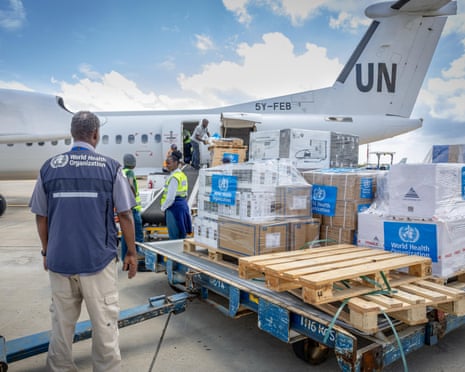
Supply Chain Implications: The outbreak directly impacts sellers sourcing from Central Africa, particularly those relying on DRC and Uganda for minerals (cobalt, coltan), agricultural products (coffee, cocoa), and manufactured goods. The insecurity and population displacement noted in the CDC advisory compounds existing logistics challenges, potentially extending lead times by 2-4 weeks for affected routes. Sellers with concentrated supplier bases in Ituri Province face immediate inventory risk, while those using regional 3PL providers must verify continuity plans. The 21-day CDC travel restriction for individuals returning from affected zones creates workforce challenges for companies with on-site quality control or supplier relationship managers in these regions.
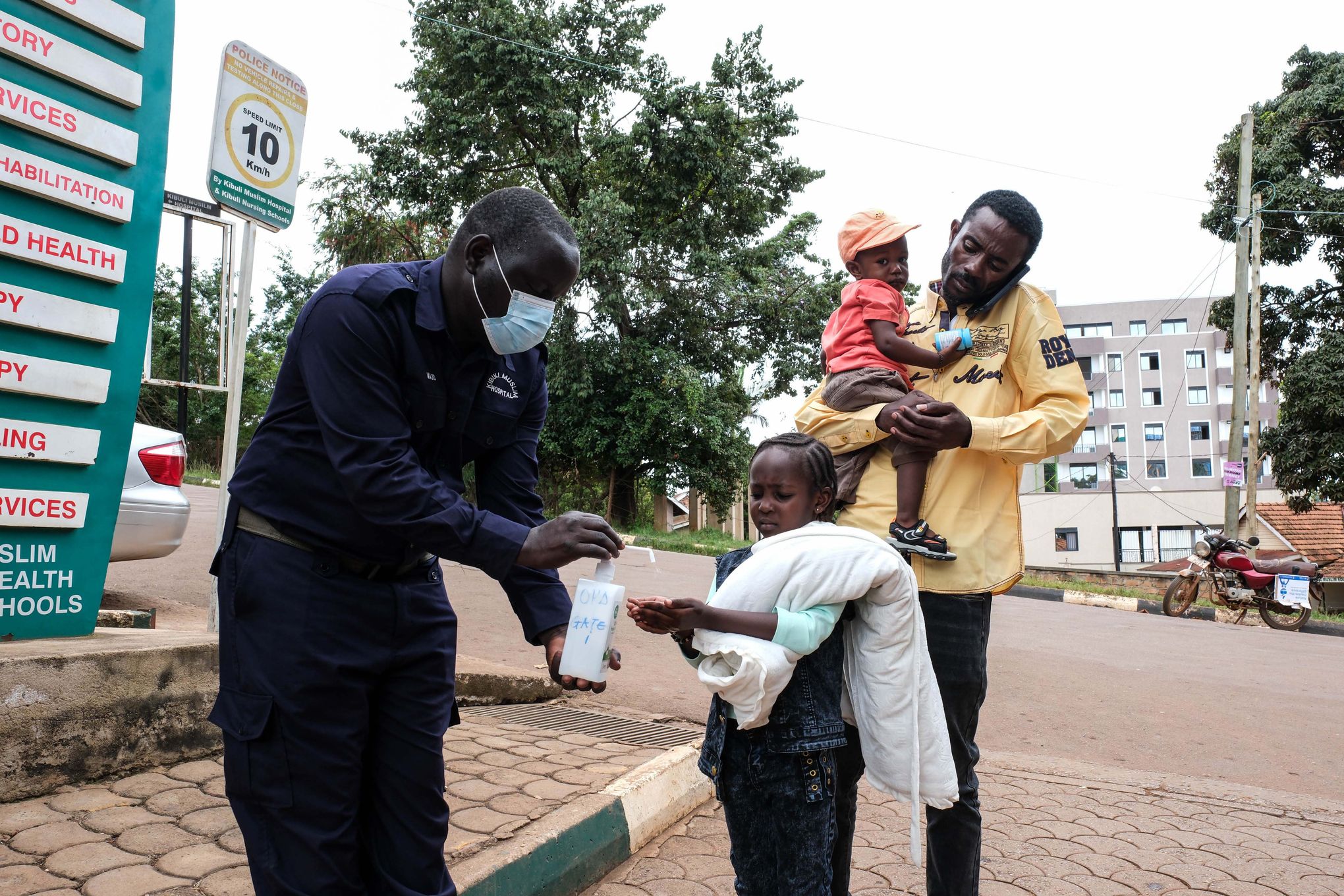
Market Opportunity Context: Health crisis-driven demand typically creates product category spikes—medical supplies, protective equipment, and wellness products historically see 30-50% sales increases during outbreak periods. Sellers in health and safety categories (N95 masks, hand sanitizers, thermometers, medical gloves) should anticipate increased search volume and competition. The low risk to American public (per CDC guidance) means U.S. consumer panic buying is unlikely, but B2B healthcare procurement may accelerate. Sellers should monitor Amazon Health & Household category trends and prepare inventory for potential seasonal demand shifts in Q2-Q3 2026, while simultaneously managing supplier communication delays and potential shipping cost increases due to rerouted logistics networks.
Questions 8
What immediate actions should sellers take regarding this outbreak?
**Within 7 days**: Audit your supplier base for DRC and Uganda operations, particularly in Ituri Province. Contact 3PL providers to verify continuity plans and alternative routing options. **Within 14 days**: Review inventory levels for products dependent on Central African sourcing and consider accelerating orders if lead times are stable. Request written confirmation from suppliers about their health protocols and workforce status. **Within 30 days**: Develop supplier diversification plans to reduce concentration risk in affected regions. Update your supply chain risk dashboard to include endemic disease outbreaks as a monitoring category. The **21-day CDC travel restriction** means any personnel returning from affected zones cannot immediately resume on-site activities, so plan staffing accordingly.
How should I communicate with suppliers in affected regions?
The outbreak creates communication challenges due to **insecurity and population displacement** noted in the CDC advisory. Expect delayed responses from suppliers in Ituri Province and Uganda border regions. **Prioritize written communication** (email, messaging platforms) over phone calls, as cellular infrastructure may be disrupted. Request suppliers provide **weekly status updates** on operations, workforce health, and shipping timelines rather than relying on ad-hoc contact. The **8-10 day Ebola incubation period** means health screening delays are likely at borders and airports. Establish backup contacts within supplier organizations in case primary contacts are affected. Document all communications for compliance purposes, as health crises may trigger insurance claims or force majeure provisions in supplier contracts.