
)



Ocean Biodiversity Boom: 1,121 New Species Discovery Signals Emerging Markets for Marine-Inspired Products & Sustainable Sourcing
- Ocean Census announces 54% increase in annual species identifications across 85 countries; creates opportunities for marine-themed merchandise, biotech ingredient sourcing, and sustainability-focused product categories








)


Overview
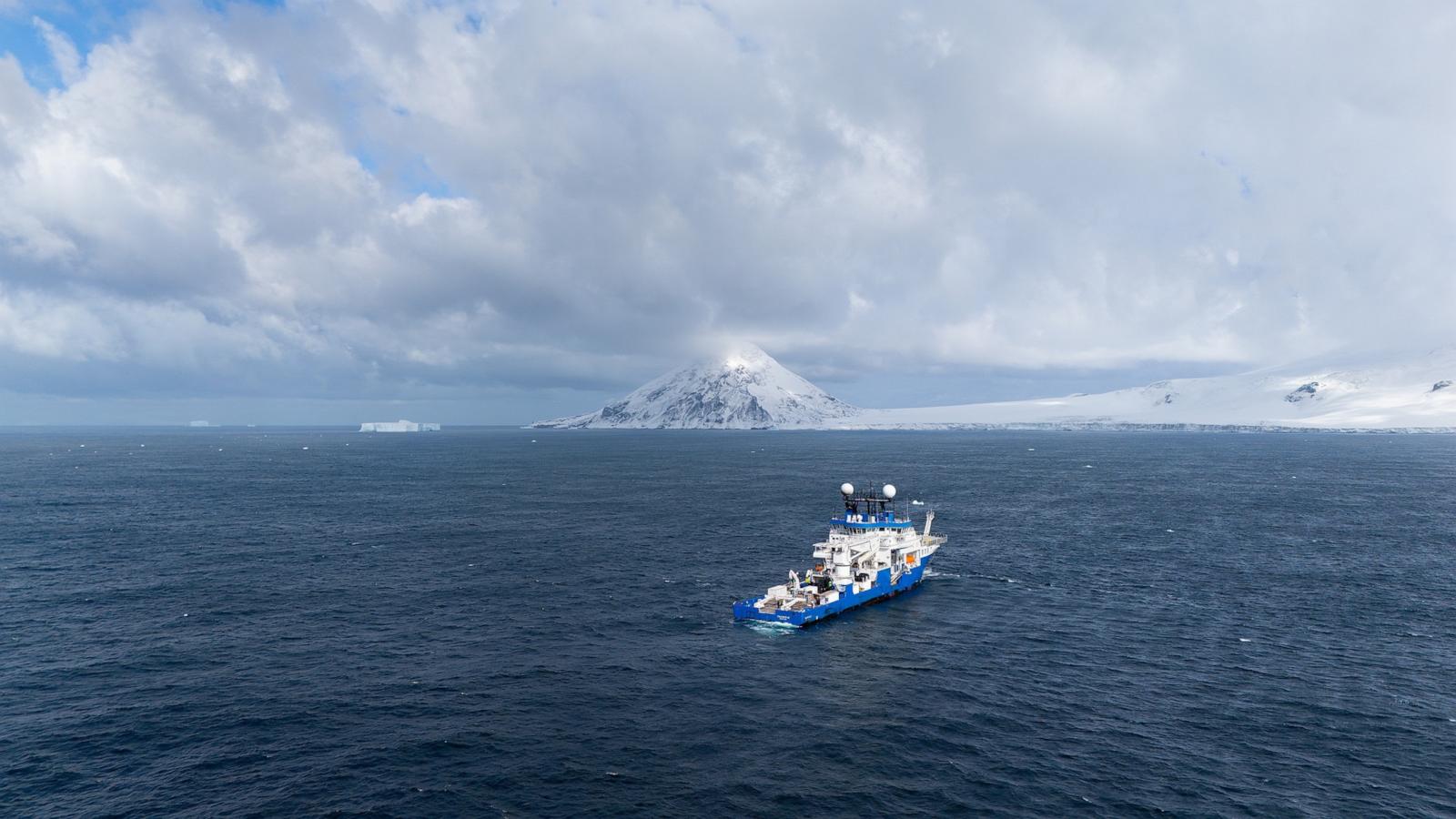
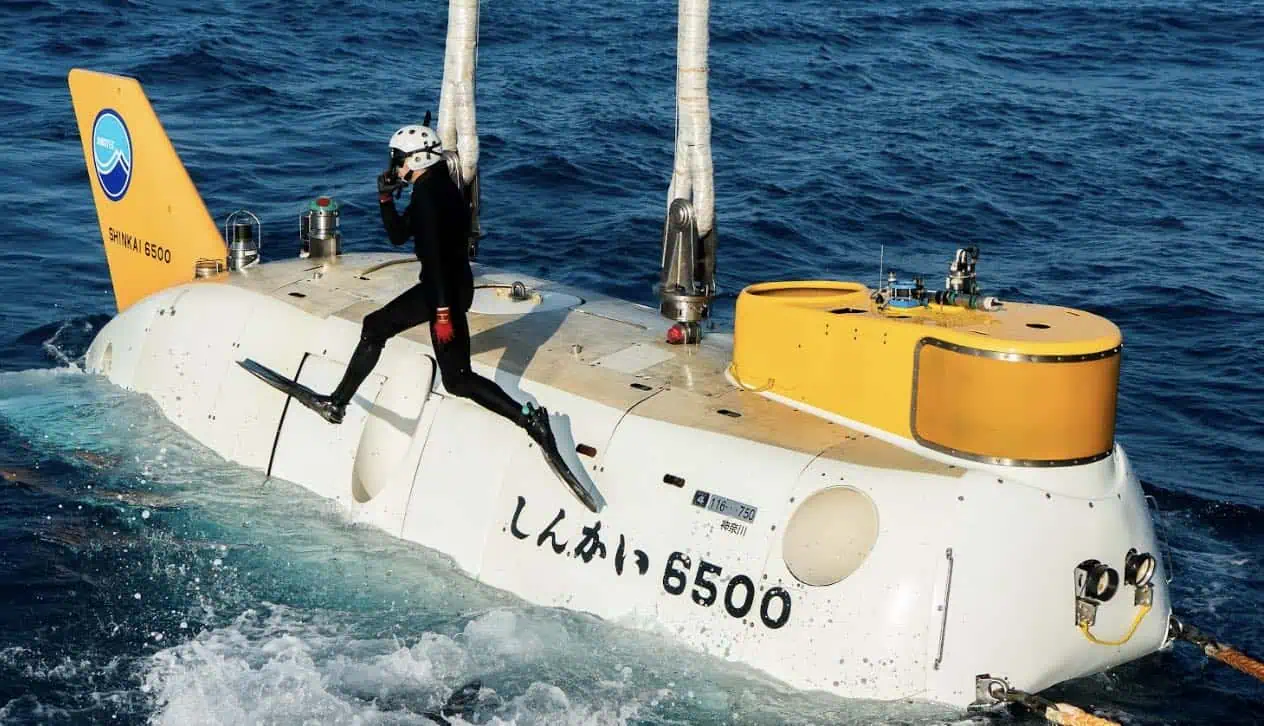
The Ocean Census initiative, led by Japan's Nippon Foundation and UK's Nekton institute, announced the discovery of 1,121 previously unknown marine species in a single year—representing a 54% increase in annual identifications across 13 expeditions spanning 85 countries with over 1,000 researchers involved. This unprecedented biodiversity documentation wave, occurring since April 2024, creates multiple indirect but significant opportunities for cross-border e-commerce sellers across several emerging product categories and market segments.
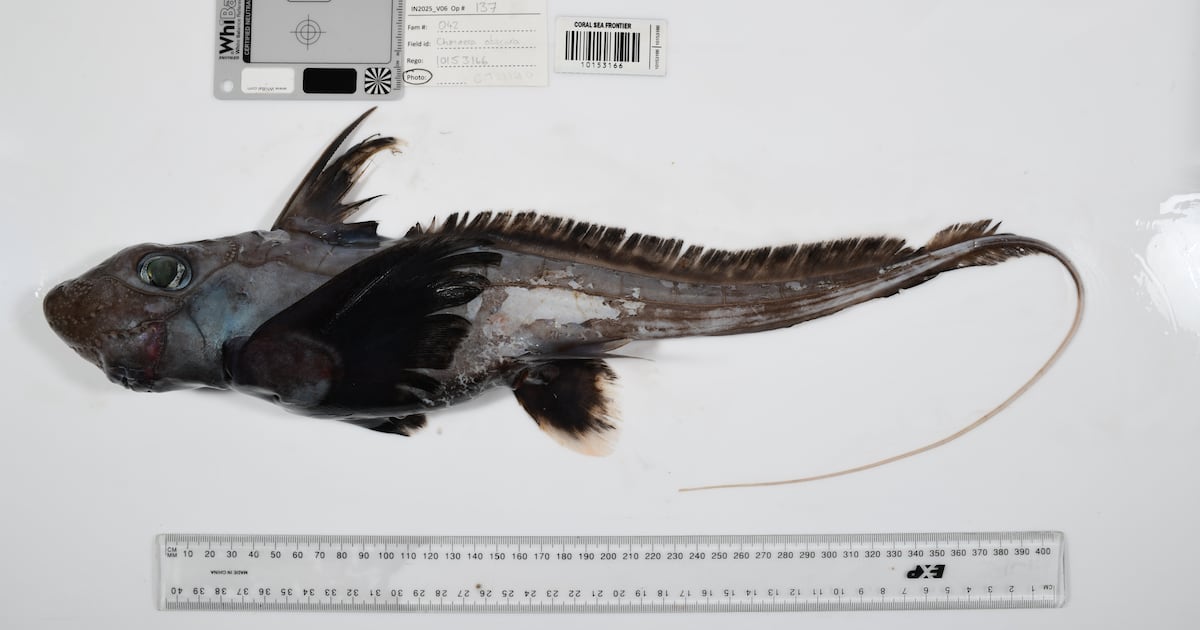
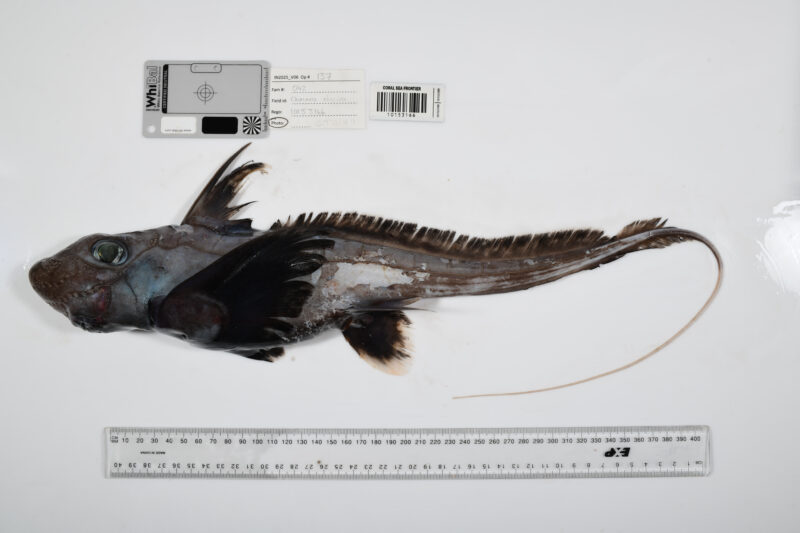
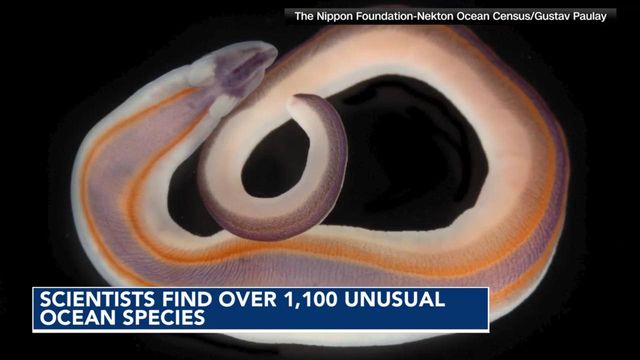
Product Category Opportunities: The discovery of exotic marine species—including ghost sharks (chimaeras), carnivorous "death ball" sponges with velcro-like hooks, symbiotic bristle worms, and ribbon worms with pharmaceutical potential—signals growing consumer interest in marine biology, ocean conservation, and nature-inspired design. Sellers can capitalize on this through: (1) Educational merchandise featuring newly discovered species (documentaries, educational kits, museum-quality prints, collectible cards), (2) Ocean conservation-themed products (reusable ocean-friendly packaging, sustainable fishing gear, marine protection apparel), and (3) Bioinspired design categories (velcro alternatives inspired by sponge hooks, biomimetic textiles, nature-based product innovations). The ribbon worm discoveries in Timor-Leste with pharmaceutical applications for Alzheimer's and schizophrenia treatments indicate emerging demand for biotech-sourced supplements and wellness products derived from marine organisms.
Sustainability & Sourcing Implications: The news emphasizes urgent conservation threats from climate change, ocean warming, pollution, and deep-sea mineral mining—creating demand for sustainable sourcing certifications and eco-conscious product positioning. Sellers in seafood, cosmetics, and supplement categories should anticipate increased consumer scrutiny regarding marine sourcing practices. The 13.5-year gap between species discovery and formal scientific description creates a documentation acceleration opportunity: sellers can position products as "supporting ocean research" through partnerships with Ocean Census or similar initiatives, adding premium positioning and differentiation. Regional sourcing from the 85 countries involved (particularly Japan, Australia, Timor-Leste, Mediterranean regions, and South Sandwich Islands) may become more strategically important as marine resource management tightens.
Market Intelligence & Consumer Behavior: The 54% year-over-year increase in species identifications and the fact that 90% of ocean species remain undiscovered signals a broader consumer trend toward ocean exploration, marine education, and environmental consciousness. This aligns with growing demand for STEM education products, nature documentaries, and eco-tourism merchandise. Sellers should monitor trending searches for "ghost shark," "ocean discovery," and "marine species" to identify emerging demand spikes. The involvement of major institutions (Scripps Institution of Oceanography, Smithsonian National Museum of Natural History) and the emphasis on formal scientific validation creates opportunities for sellers to partner with educational institutions for co-branded products and exclusive content licensing.
Questions 8
How does the Ocean Census discovery impact sustainable sourcing and product positioning?
The discovery emphasizes urgent conservation threats from climate change, ocean warming, pollution, and deep-sea mineral mining—creating consumer demand for sustainable sourcing certifications and eco-conscious positioning. Sellers in seafood, cosmetics, and supplement categories should anticipate increased scrutiny of marine sourcing practices. The 13.5-year gap between species discovery and formal scientific description creates a positioning opportunity: sellers can partner with Ocean Census or similar initiatives to market products as 'supporting ocean research,' adding premium differentiation. Regional sourcing from the 85 countries involved (Japan, Australia, Timor-Leste, Mediterranean, South Sandwich Islands) may become strategically important as marine resource management tightens, potentially affecting supply chains and pricing.
What pharmaceutical and wellness opportunities emerge from ribbon worm discoveries?
The discovery of ribbon worms in Timor-Leste with potent chemical defenses being investigated for Alzheimer's and schizophrenia treatments signals emerging demand for marine-derived biotech supplements and wellness products. Sellers should monitor pharmaceutical and supplement categories for new marine-sourced ingredients entering the market. The formal scientific description process typically requires 13 years, but Ocean Census's expedited 'discovered' status allows immediate database recording, potentially accelerating commercialization timelines. Sellers can position marine-derived wellness products as 'scientifically validated' through partnerships with research institutions like Scripps Institution of Oceanography or the Smithsonian, creating premium product tiers and justifying higher price points.