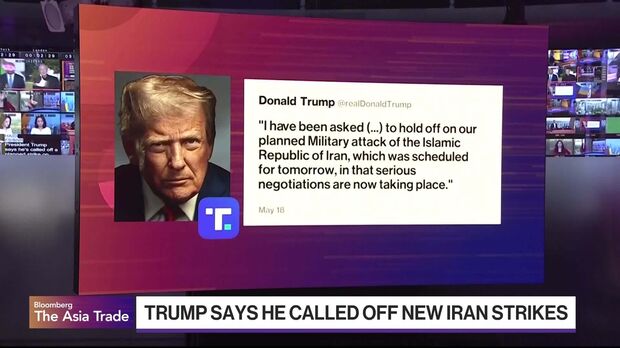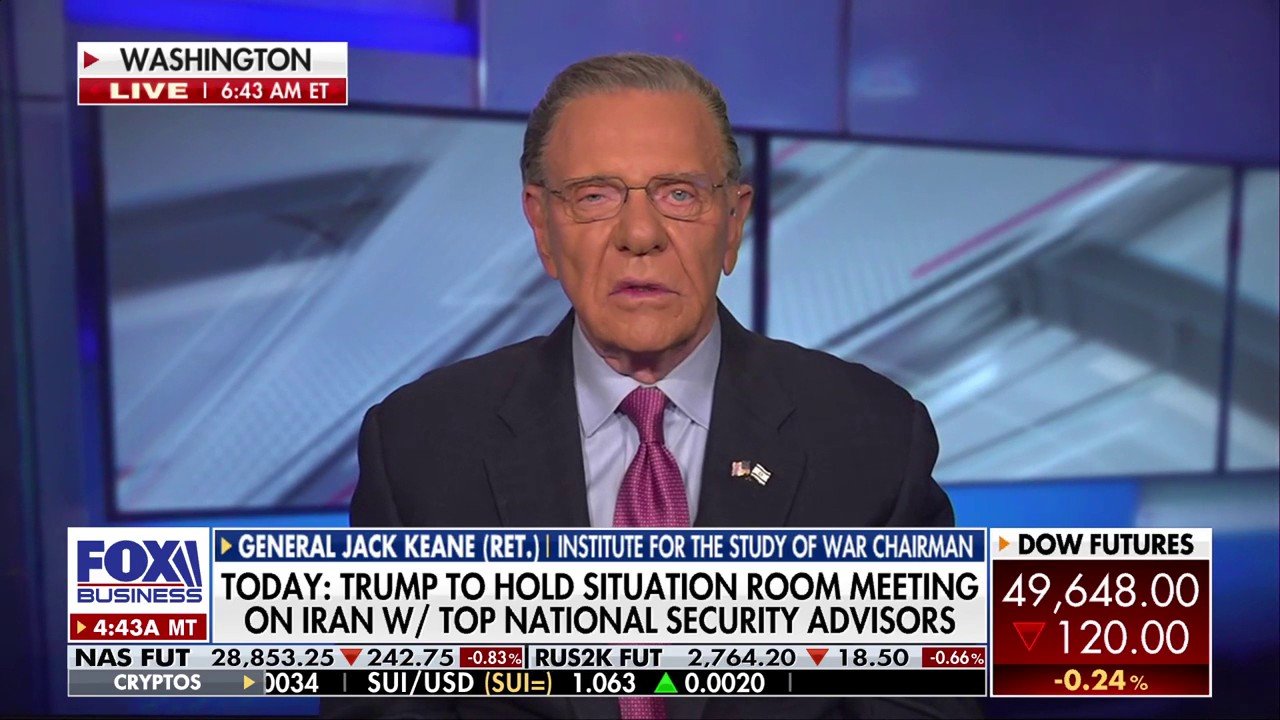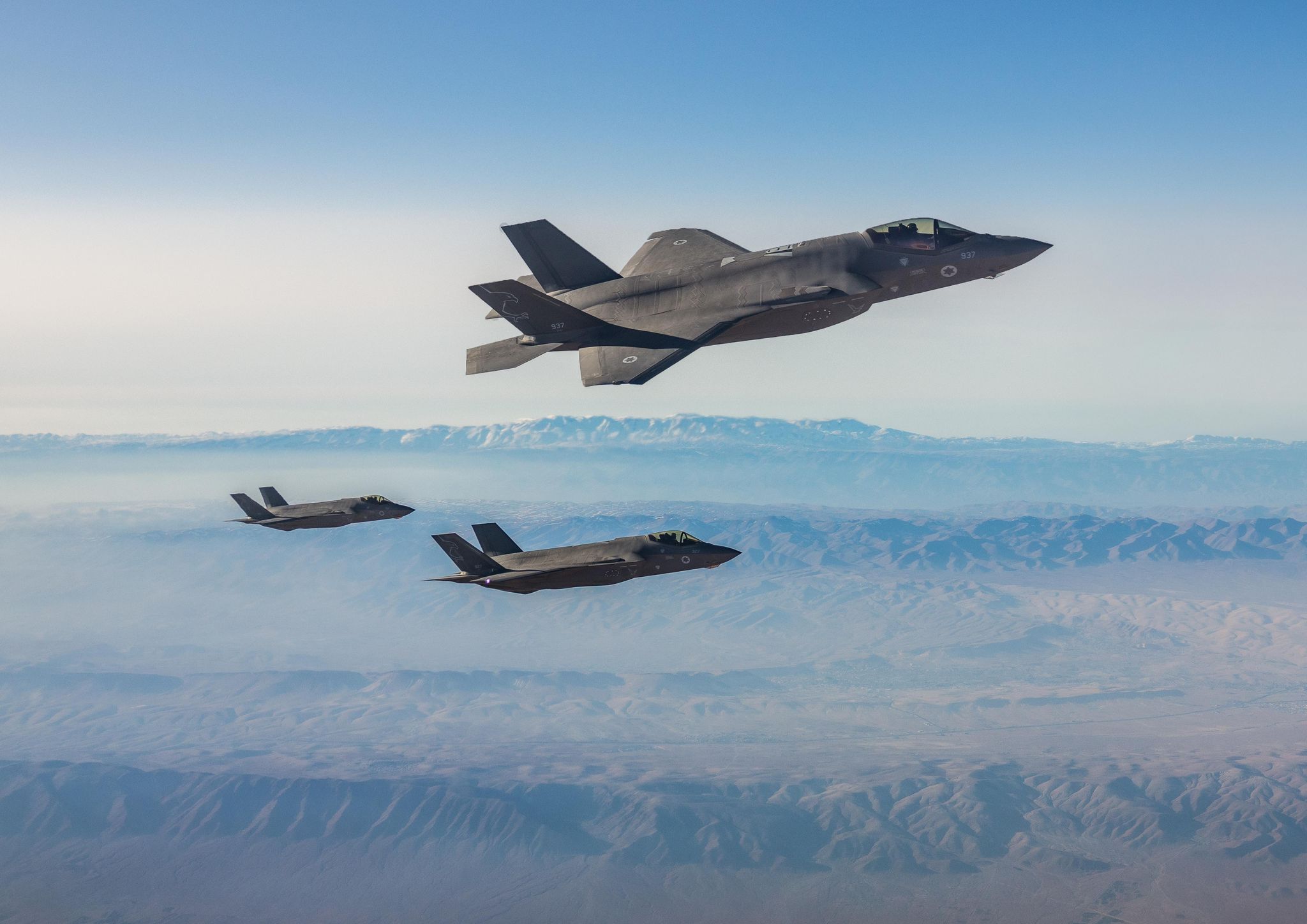



The geopolitical standoff between the U.S. and Iran represents a critical supply chain inflection point for cross-border sellers. President Trump's May 19, 2026 announcement delaying military strikes—following pressure from Gulf allies Saudi Arabia, Qatar, and UAE—creates a temporary diplomatic window with profound implications for e-commerce logistics, energy costs, and market access. The Strait of Hormuz, through which 21% of global petroleum and 30% of liquefied natural gas transits annually, remains under threat from Iranian military posturing. This uncertainty directly translates to increased shipping costs for sellers importing goods from Asia or exporting to Middle Eastern markets.
Immediate shipping cost impacts are quantifiable and severe. Rising oil prices from geopolitical tensions trigger fuel surcharges on ocean freight (typically 3-8% of base rates) and air cargo (5-12% premiums). For sellers shipping 500+ units monthly via ocean freight from China to U.S. ports, this represents $150-400 additional monthly costs per container. Sellers routing inventory through the Suez Canal face compounded risks: potential Strait of Hormuz disruptions could force rerouting around Africa, adding 10-14 days to transit times and 15-25% to shipping costs. Amazon FBA sellers managing inventory velocity face critical timing decisions—delayed shipments compress sell-through windows and increase storage fees ($0.87/cubic foot monthly for standard-size items in Q2-Q3).
Currency instability in Iran and regional economies creates payment processing complications and market access barriers. The news reports Iranian currency collapse, directly impacting payment processing for sellers with Iranian customers or regional payment partners. Additionally, potential sanctions expansion could restrict e-commerce operations in Iran entirely, eliminating market access for sellers currently serving Iranian buyers through VPNs or regional intermediaries. For sellers with 5-15% of revenue from Middle Eastern markets (typical for electronics, apparel, and consumer goods categories), this represents material revenue risk. The diplomatic pause—described as lasting "a little while, hopefully maybe forever"—creates a 30-90 day window before potential military escalation, making this a time-sensitive sourcing and inventory planning decision point.
Saudi Arabia, UAE, and Qatar represent highest-opportunity markets during diplomatic window. These three nations are actively negotiating with Iran, suggesting potential trade normalization if agreement succeeds. UAE and Qatar have 40-50% higher e-commerce penetration than Iran, with growing middle-class consumer bases. Sellers should increase PPC advertising spend in these markets by 20-30% during the 30-90 day diplomatic window—consumer confidence typically peaks when military risk declines. Focus on consumer goods (home, apparel, electronics) categories where Gulf consumers show 15-25% higher spending during periods of geopolitical stability. Consider establishing regional fulfillment partnerships in Dubai or Doha to capture market share before competitors recognize the opportunity. Typical ROI for Gulf market entry is 6-9 months, making this a strategic timing window.

Subscribe to freight rate indices (Freightos, Xeneta, Container xChange) providing daily updates on ocean freight premiums. Set automated alerts when fuel surcharges exceed 6% above baseline rates—this typically signals 2-3 week window before broader shipping cost increases. For Amazon FBA sellers, use Seller Central analytics to track inventory velocity by SKU and adjust PPC spend accordingly when transit delays are anticipated. Establish relationships with freight forwarders offering 'rate lock' guarantees for 7-14 days, allowing time to adjust pricing strategy. Monitor oil prices (WTI crude) daily—when prices exceed $80/barrel, expect fuel surcharges to increase within 5-7 business days. For sellers with $50K+ monthly shipping costs, negotiate volume discounts with 3PL providers contingent on rate transparency and advance notice of surcharge changes.
Iran tensions directly increase shipping costs through fuel surcharges on ocean and air freight. Ocean freight typically adds 3-8% surcharges during geopolitical volatility, while air cargo premiums reach 5-12%. For sellers shipping 500+ units monthly from Asia, this translates to $150-400 additional monthly costs per container. Potential Strait of Hormuz disruptions could force rerouting around Africa, adding 10-14 days to transit times and 15-25% to total shipping costs. Sellers should lock in freight rates immediately and consider increasing inventory buffers by 15-20% to mitigate delivery delays affecting Amazon's IPI scores and Buy Box eligibility.
Trump stated the military pause lasts 'a limited period of time,' with diplomatic negotiations ongoing through Gulf allies (Saudi Arabia, Qatar, UAE). Industry analysts estimate a 30-90 day window before potential escalation. Sellers should immediately audit inventory in transit, accelerate shipments from Asia-Pacific suppliers before potential Strait of Hormuz disruptions, and establish backup logistics routes through alternative ports (Rotterdam, Singapore). Consider shifting 10-15% of inventory to 3PL providers in U.S. distribution centers to reduce transit risk. Monitor daily oil prices and freight indices—when WTI crude exceeds $85/barrel, fuel surcharges typically spike within 2-3 weeks.
Implement a 'safety stock' strategy increasing inventory buffers by 15-20% for high-velocity SKUs, particularly in electronics and consumer goods categories. Accelerate shipments from Asia-Pacific suppliers immediately—each week of delay increases fuel surcharge exposure by 0.5-1%. For sellers with $100K+ monthly revenue, consider splitting shipments across multiple carriers and routes to reduce single-point-of-failure risk. Monitor freight rate indices daily (Freightos, Xeneta) and lock in rates when premiums are below 5% above baseline. Establish backup 3PL relationships in U.S. distribution centers to absorb inventory if ocean freight delays exceed 2 weeks. For Middle Eastern markets, reduce inventory commitments by 20-30% until diplomatic resolution clarifies sanctions trajectory.
Expanded Iran sanctions could restrict e-commerce operations entirely for sellers with Iranian customers or suppliers. Current OFAC (Office of Foreign Assets Control) regulations prohibit U.S. persons from transacting with Iran, but enforcement gaps exist for sellers using VPNs or regional intermediaries. If sanctions expand, sellers face penalties of $20,000-$250,000 per violation plus potential criminal liability. Sellers should immediately audit customer databases for Iranian IP addresses, payment origins, and shipping destinations. Implement geographic blocking in Shopify, Amazon, and eBay seller dashboards to prevent Iranian customer transactions. For suppliers, verify no Iranian ownership or control through OFAC SDN (Specially Designated Nationals) list screening. Consult trade compliance counsel if revenue from Middle Eastern markets exceeds 10% of total sales.
Iranian currency instability directly affects sellers with Iranian customers or regional payment partners. Payment processors like Stripe and PayPal restrict Iranian transactions due to U.S. sanctions, but sellers using regional intermediaries face currency conversion losses of 5-15% during volatility periods. For sellers with 5-15% of revenue from Middle Eastern markets, this represents material margin compression. Additionally, potential sanctions expansion could eliminate market access entirely. Sellers should immediately audit customer bases by geography, reduce exposure to Iran-based buyers, and diversify payment methods to reduce currency risk. Consider shifting focus to UAE, Saudi Arabia, and Qatar markets where currency stability is higher and sanctions compliance is simpler.
Electronics (HS codes 8471-8517), consumer goods (HS 9406-9406), and apparel (HS 6204-6209) categories face highest disruption risk due to Asia-Pacific sourcing concentration. These categories typically route 40-60% of inventory through Strait of Hormuz shipping lanes. Sellers in high-velocity categories (electronics, fashion, home goods) face compounded risk: delayed inventory increases FBA storage fees ($0.87/cubic foot monthly) and reduces sell-through velocity, triggering IPI score penalties. Sellers should prioritize nearshoring for fast-moving SKUs—consider Mexico/Central America sourcing for apparel and consumer goods to reduce Strait of Hormuz exposure. For electronics, evaluate Vietnam and India suppliers as alternatives to China, reducing transit time by 5-7 days and eliminating Strait of Hormuz risk.
Saudi Arabia, UAE, and Qatar represent highest-opportunity markets during diplomatic window. These three nations are actively negotiating with Iran, suggesting potential trade normalization if agreement succeeds. UAE and Qatar have 40-50% higher e-commerce penetration than Iran, with growing middle-class consumer bases. Sellers should increase PPC advertising spend in these markets by 20-30% during the 30-90 day diplomatic window—consumer confidence typically peaks when military risk declines. Focus on consumer goods (home, apparel, electronics) categories where Gulf consumers show 15-25% higher spending during periods of geopolitical stability. Consider establishing regional fulfillment partnerships in Dubai or Doha to capture market share before competitors recognize the opportunity. Typical ROI for Gulf market entry is 6-9 months, making this a strategic timing window.

Subscribe to freight rate indices (Freightos, Xeneta, Container xChange) providing daily updates on ocean freight premiums. Set automated alerts when fuel surcharges exceed 6% above baseline rates—this typically signals 2-3 week window before broader shipping cost increases. For Amazon FBA sellers, use Seller Central analytics to track inventory velocity by SKU and adjust PPC spend accordingly when transit delays are anticipated. Establish relationships with freight forwarders offering 'rate lock' guarantees for 7-14 days, allowing time to adjust pricing strategy. Monitor oil prices (WTI crude) daily—when prices exceed $80/barrel, expect fuel surcharges to increase within 5-7 business days. For sellers with $50K+ monthly shipping costs, negotiate volume discounts with 3PL providers contingent on rate transparency and advance notice of surcharge changes.
Iran tensions directly increase shipping costs through fuel surcharges on ocean and air freight. Ocean freight typically adds 3-8% surcharges during geopolitical volatility, while air cargo premiums reach 5-12%. For sellers shipping 500+ units monthly from Asia, this translates to $150-400 additional monthly costs per container. Potential Strait of Hormuz disruptions could force rerouting around Africa, adding 10-14 days to transit times and 15-25% to total shipping costs. Sellers should lock in freight rates immediately and consider increasing inventory buffers by 15-20% to mitigate delivery delays affecting Amazon's IPI scores and Buy Box eligibility.
Trump stated the military pause lasts 'a limited period of time,' with diplomatic negotiations ongoing through Gulf allies (Saudi Arabia, Qatar, UAE). Industry analysts estimate a 30-90 day window before potential escalation. Sellers should immediately audit inventory in transit, accelerate shipments from Asia-Pacific suppliers before potential Strait of Hormuz disruptions, and establish backup logistics routes through alternative ports (Rotterdam, Singapore). Consider shifting 10-15% of inventory to 3PL providers in U.S. distribution centers to reduce transit risk. Monitor daily oil prices and freight indices—when WTI crude exceeds $85/barrel, fuel surcharges typically spike within 2-3 weeks.
Implement a 'safety stock' strategy increasing inventory buffers by 15-20% for high-velocity SKUs, particularly in electronics and consumer goods categories. Accelerate shipments from Asia-Pacific suppliers immediately—each week of delay increases fuel surcharge exposure by 0.5-1%. For sellers with $100K+ monthly revenue, consider splitting shipments across multiple carriers and routes to reduce single-point-of-failure risk. Monitor freight rate indices daily (Freightos, Xeneta) and lock in rates when premiums are below 5% above baseline. Establish backup 3PL relationships in U.S. distribution centers to absorb inventory if ocean freight delays exceed 2 weeks. For Middle Eastern markets, reduce inventory commitments by 20-30% until diplomatic resolution clarifies sanctions trajectory.
Expanded Iran sanctions could restrict e-commerce operations entirely for sellers with Iranian customers or suppliers. Current OFAC (Office of Foreign Assets Control) regulations prohibit U.S. persons from transacting with Iran, but enforcement gaps exist for sellers using VPNs or regional intermediaries. If sanctions expand, sellers face penalties of $20,000-$250,000 per violation plus potential criminal liability. Sellers should immediately audit customer databases for Iranian IP addresses, payment origins, and shipping destinations. Implement geographic blocking in Shopify, Amazon, and eBay seller dashboards to prevent Iranian customer transactions. For suppliers, verify no Iranian ownership or control through OFAC SDN (Specially Designated Nationals) list screening. Consult trade compliance counsel if revenue from Middle Eastern markets exceeds 10% of total sales.
Iranian currency instability directly affects sellers with Iranian customers or regional payment partners. Payment processors like Stripe and PayPal restrict Iranian transactions due to U.S. sanctions, but sellers using regional intermediaries face currency conversion losses of 5-15% during volatility periods. For sellers with 5-15% of revenue from Middle Eastern markets, this represents material margin compression. Additionally, potential sanctions expansion could eliminate market access entirely. Sellers should immediately audit customer bases by geography, reduce exposure to Iran-based buyers, and diversify payment methods to reduce currency risk. Consider shifting focus to UAE, Saudi Arabia, and Qatar markets where currency stability is higher and sanctions compliance is simpler.
Electronics (HS codes 8471-8517), consumer goods (HS 9406-9406), and apparel (HS 6204-6209) categories face highest disruption risk due to Asia-Pacific sourcing concentration. These categories typically route 40-60% of inventory through Strait of Hormuz shipping lanes. Sellers in high-velocity categories (electronics, fashion, home goods) face compounded risk: delayed inventory increases FBA storage fees ($0.87/cubic foot monthly) and reduces sell-through velocity, triggering IPI score penalties. Sellers should prioritize nearshoring for fast-moving SKUs—consider Mexico/Central America sourcing for apparel and consumer goods to reduce Strait of Hormuz exposure. For electronics, evaluate Vietnam and India suppliers as alternatives to China, reducing transit time by 5-7 days and eliminating Strait of Hormuz risk.
Saudi Arabia, UAE, and Qatar represent highest-opportunity markets during diplomatic window. These three nations are actively negotiating with Iran, suggesting potential trade normalization if agreement succeeds. UAE and Qatar have 40-50% higher e-commerce penetration than Iran, with growing middle-class consumer bases. Sellers should increase PPC advertising spend in these markets by 20-30% during the 30-90 day diplomatic window—consumer confidence typically peaks when military risk declines. Focus on consumer goods (home, apparel, electronics) categories where Gulf consumers show 15-25% higher spending during periods of geopolitical stability. Consider establishing regional fulfillment partnerships in Dubai or Doha to capture market share before competitors recognize the opportunity. Typical ROI for Gulf market entry is 6-9 months, making this a strategic timing window.
Subscribe to freight rate indices (Freightos, Xeneta, Container xChange) providing daily updates on ocean freight premiums. Set automated alerts when fuel surcharges exceed 6% above baseline rates—this typically signals 2-3 week window before broader shipping cost increases. For Amazon FBA sellers, use Seller Central analytics to track inventory velocity by SKU and adjust PPC spend accordingly when transit delays are anticipated. Establish relationships with freight forwarders offering 'rate lock' guarantees for 7-14 days, allowing time to adjust pricing strategy. Monitor oil prices (WTI crude) daily—when prices exceed $80/barrel, expect fuel surcharges to increase within 5-7 business days. For sellers with $50K+ monthly shipping costs, negotiate volume discounts with 3PL providers contingent on rate transparency and advance notice of surcharge changes.