



Billion-Dollar Lottery Dreams Reimagined How Powerball and Mega Millions Engineered Mega Jackpots
- Strategic Prize Manipulation Transforms US Lottery Landscape for Players and Operators


Overview
The American lottery landscape has undergone a dramatic metamorphosis, with billion-dollar jackpots transforming from rare anomalies to calculated marketing strategies. Since 2016, the United States has witnessed an unprecedented 12 lottery jackpots exceeding $1 billion, revealing a sophisticated game of mathematical and psychological engineering by lottery organizations.
Lottery game designers have systematically reshaped player expectations through multiple strategic mechanisms. By intentionally modifying winning odds—reducing Powerball's grand prize probability from 1 in 175.2 million to an almost insurmountable 1 in 292.2 million—they've created an environment of extreme scarcity that paradoxically increases player excitement. The pricing strategy has been equally calculated: Powerball raised ticket prices from $1 to $2 in 2012, while Mega Millions recently jumped to $5, allowing for larger prize accumulation.
The psychological brilliance lies in understanding human motivation. As economics professor Victor Matheson astutely notes, players aren't purchasing tickets for modest prizes, but for the tantalizing possibility of becoming instant billionaires. By concentrating more money into progressively larger jackpots and making wins increasingly rare, lottery organizations have transformed their games from mere gambling mechanisms into national spectacles of hope and imagination.
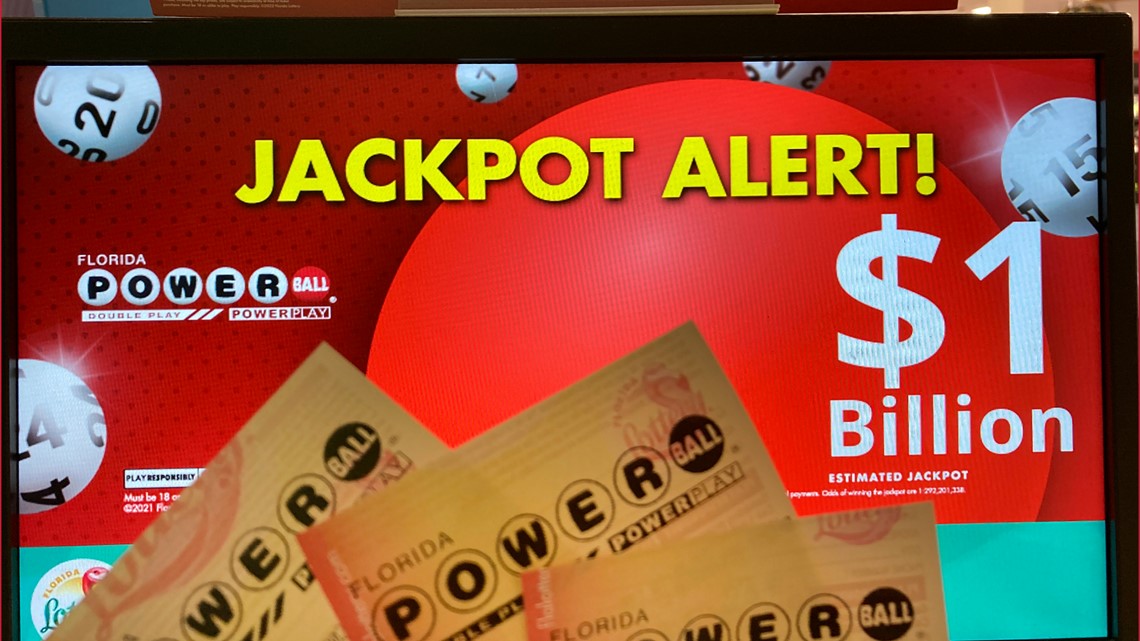
The nationwide expansion of lottery games has been crucial to this strategy. With Mega Millions and Powerball now available in almost all states, Washington D.C., and the U.S. Virgin Islands, the prize pools have become truly massive. The current Powerball drawing exemplifies this trend: an annuitized prize of $1 billion, yet most winners will opt for the immediate lump sum of $461.3 million—a testament to the complex financial engineering behind these mega-jackpots.
This isn't just about gambling; it's a sophisticated system of hope monetization. Lottery organizations have effectively created a product that sells not just a ticket, but a brief, intoxicating moment of transformative possibility—where $2 can momentarily represent an entire life reimagined.
Questions 3
What's the difference between annuitized and lump-sum lottery prizes?
Annuitized prizes are calculated using current interest rates and promise 30 yearly payments that increase over time. Lump-sum prizes are significantly smaller—for instance, the current $1 billion Powerball jackpot translates to a $461.3 million immediate payout.
Why do people continue buying lottery tickets despite incredibly low odds?
As economics professor Victor Matheson explains, people aren't buying tickets for small prizes, but for the transformative possibility of becoming billionaires. The psychological allure of a life-changing moment outweighs the statistical improbability of winning.