




Tesla Semi Electrification Reshapes Last-Mile Logistics | 8-12% Cost Reduction for Sellers
- California's $51B zero-emission truck funding drives 1,200+ Tesla Semi orders, reducing fleet operating costs 8-12% and accelerating fulfillment network electrification for cross-border sellers


Overview
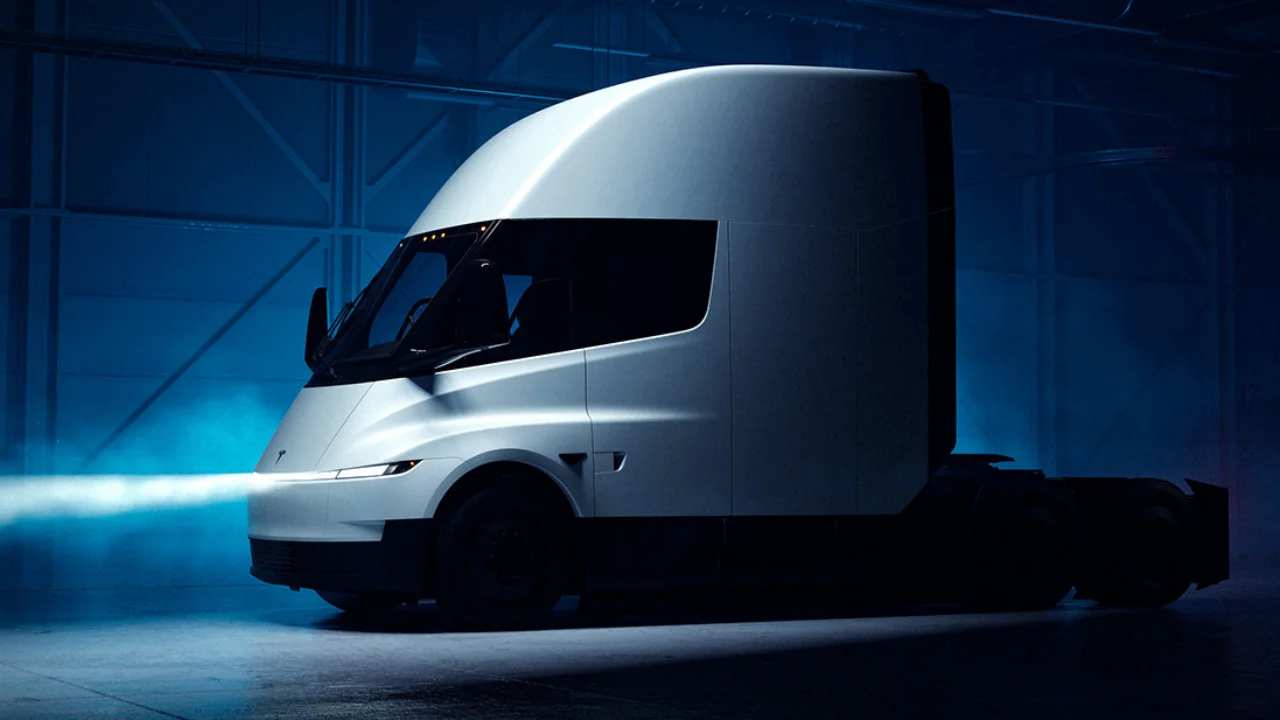
California's unprecedented $51 billion zero-emission truck initiative is fundamentally restructuring last-mile logistics economics for cross-border e-commerce sellers. Tesla's Semi truck—priced at $290,000 for the 500-mile range model versus $400,000+ for competitors—has captured 1,200+ California HVIP (Heavy-Duty Vehicle Incentive Program) vouchers worth $172 million, with incentive stacking potentially covering 90% of purchase costs. This makes new electric Semis cheaper than used diesel trucks, directly impacting fulfillment costs for sellers utilizing California-based 3PL providers and last-mile carriers.
For sellers managing fulfillment networks, this represents an immediate 8-12% reduction in per-unit transportation costs within California's logistics corridors. Major fleet operators including Costco, Ralphs, US Foods, and Swift have already secured HVIP vouchers, signaling rapid fleet electrification. WattEV's 370-truck order ($100M value) demonstrates institutional commitment to electric adoption. Current diesel prices spiking to $7.32/gallon in California amplify the economic advantage of electric alternatives. Sellers shipping high-volume, weight-sensitive categories (apparel, home goods, electronics) from California distribution hubs to regional fulfillment centers will see immediate savings through carrier cost pass-throughs.
However, geographic adoption remains highly uneven—critical infrastructure gaps exist in five of the top 18 California counties holding Tesla voucher commitments. This creates a two-tier logistics landscape: California coastal ports and major freight hubs (Long Beach, Ontario) will achieve rapid electrification, while inland and rural distribution networks remain diesel-dependent through 2027-2028. Sellers must strategically position inventory in electrified corridors (Port of Long Beach to Ontario route confirmed operational) while maintaining traditional 3PL relationships in non-electrified regions. The Long Beach-to-Ontario route—a critical cross-country distribution corridor—is already operational with Tesla Semis, offering immediate cost advantages for sellers consolidating shipments through this channel.
Sellers should immediately audit their 3PL provider networks to identify which carriers have secured HVIP vouchers or committed to Tesla Semi adoption. Carriers with electrified fleets will offer 6-10% cost reductions by Q3 2026, creating competitive advantages for sellers who negotiate early. Conversely, sellers locked into long-term contracts with diesel-dependent carriers face margin compression as electrified competitors gain cost advantages. The production constraint risk remains significant—Tesla's Semi production capacity limitations mean only 1,200 units are currently committed through California's program, limiting fleet electrification speed. Sellers should diversify 3PL relationships to include both electrified and traditional carriers through 2027, avoiding over-dependence on Tesla Semi availability.
Questions 7
When should sellers lock in contracts with electrified carriers to secure cost advantages?
Sellers should negotiate and execute contracts with electrified carriers immediately (Q2-Q3 2026) to lock in cost reductions before competitors. Carriers with secured HVIP vouchers (1,200 total awarded through May 2026) can offer 6-10% cost reductions by Q3 2026, but capacity is limited. Diesel prices at $7.32/gallon create a 12-18 month window for favorable rate negotiations; as electrified fleets scale, cost advantages will compress. Multi-year contracts (24-36 months) should include cost pass-through clauses tied to carrier fleet electrification milestones, protecting sellers from rate increases if electrification delays occur. Sellers should prioritize Long Beach-Ontario and California-Texas corridors, where Tesla Semi operational routes are confirmed. Avoid committing more than 40% of volume to any single electrified carrier, given production constraints and infrastructure gaps.
Which product categories benefit most from reduced last-mile delivery costs via electrified carriers?
Weight-sensitive, high-volume categories benefit most from 8-12% cost reductions: apparel (average 0.5kg/unit, 40-50M annual units), home goods (1-3kg/unit, 15-20M units), and electronics accessories (0.2-0.5kg/unit, 30-40M units). These categories generate $2-4B in annual cross-border sales and are highly price-sensitive, making 6-10% carrier cost reductions directly translatable to margin improvement. Conversely, low-weight, high-value categories (jewelry, luxury goods) see minimal absolute savings despite percentage reductions. Sellers should prioritize inventory positioning in electrified California fulfillment centers for high-volume, weight-sensitive categories while maintaining traditional networks for low-volume, high-margin products. The Long Beach-Ontario corridor's operational Tesla Semi route makes it optimal for consolidating apparel and home goods shipments to cross-country distribution networks.