


Cultural Sensitivity in Global Marketing | Critical Lessons for Cross-Border Sellers
- Starbucks Korea CEO fired after Tank Day campaign triggers 5.5% stock decline; reveals $2B+ risk for brands ignoring local historical sensitivities in Asian markets













)

Overview
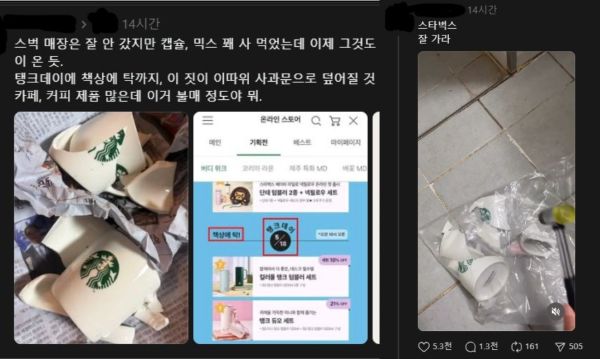
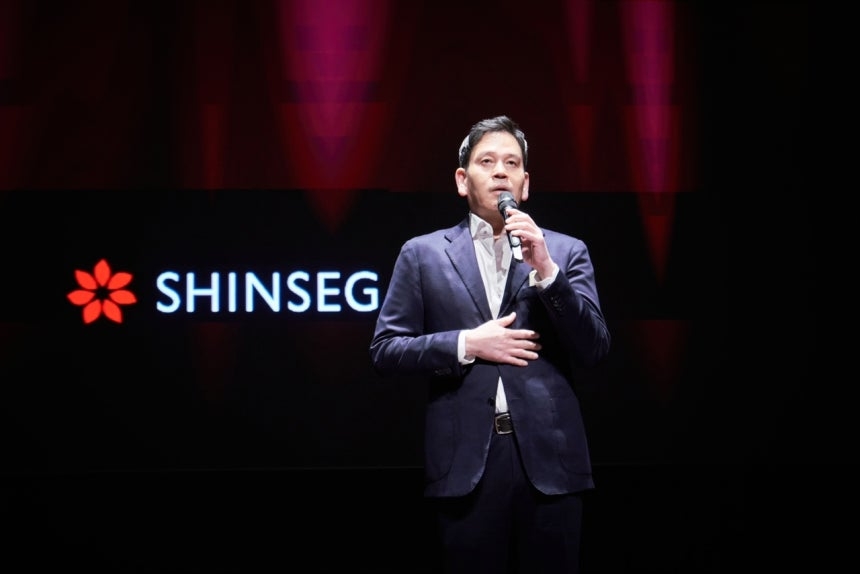
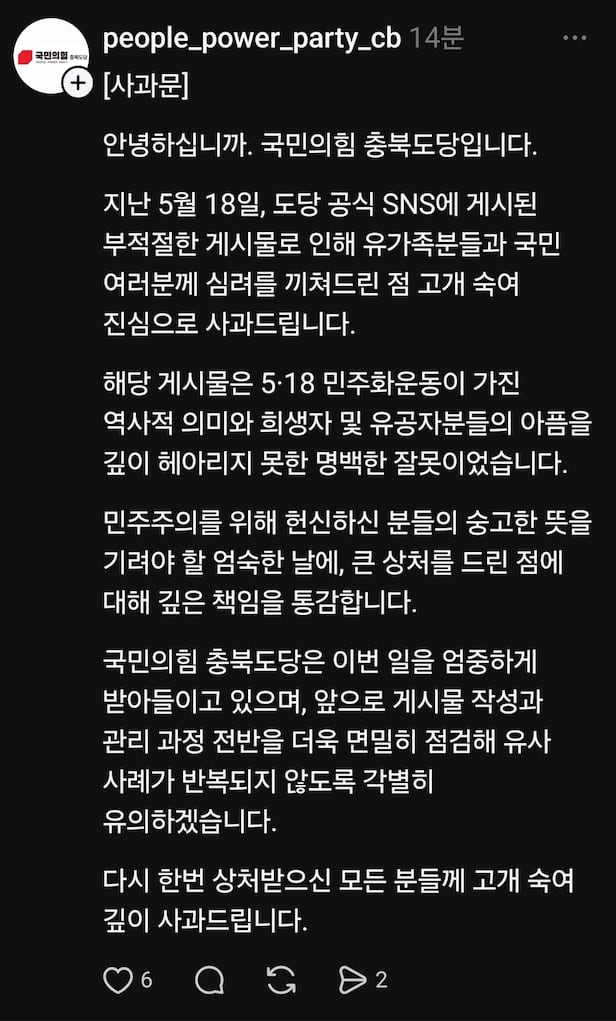
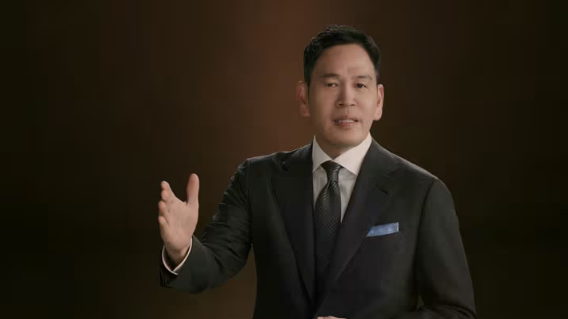
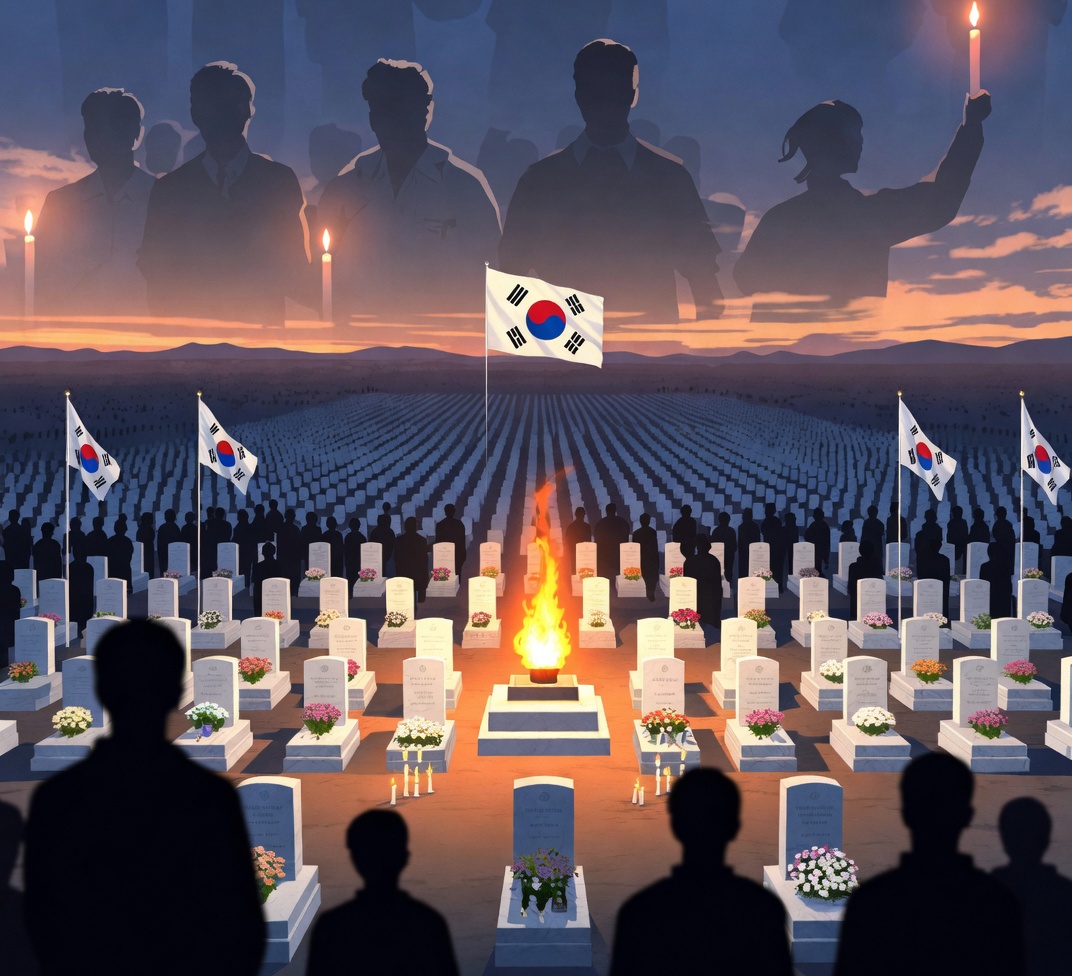
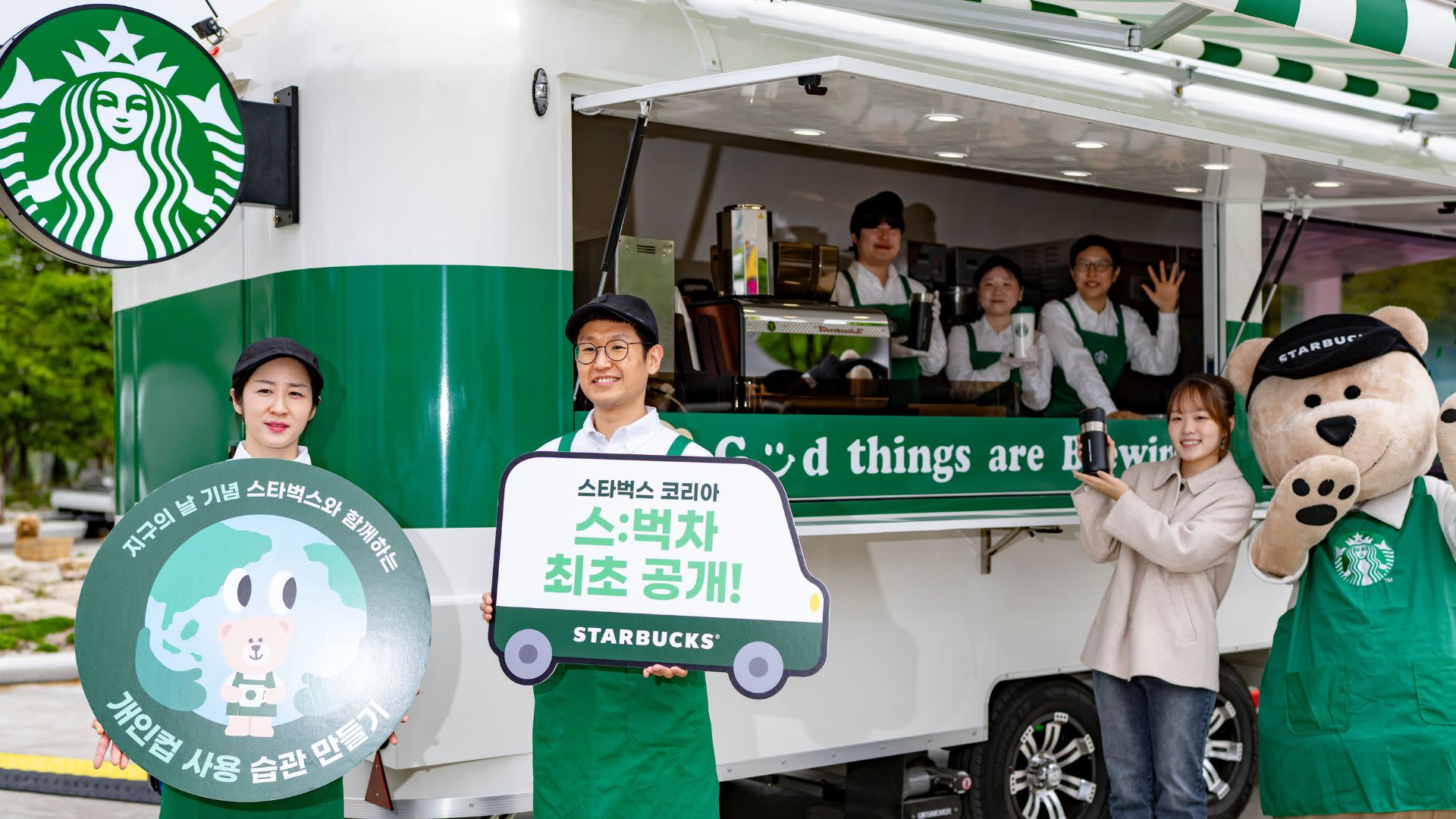
The Starbucks Korea marketing crisis represents a critical case study in how cultural insensitivity can devastate brand value and operational performance in international markets. On May 19, 2025-2026, Starbucks Korea launched a "Tank Day" promotion for Tank Series coffee tumblers, coinciding with South Korea's Democratisation Movement Day—commemorating the 1980 Gwangju Uprising where military forces killed hundreds of pro-democracy protesters. The campaign's slogan "tak on the table" directly referenced both the tanks used in the massacre and a 1987 torture-death cover-up, triggering immediate social media boycotts and presidential condemnation. Within hours, Shinsegae Group (which owns 67.5% of Starbucks Korea through E-Mart subsidiary) dismissed CEO Sohn Jeong-hyun and implemented emergency damage control, resulting in a 5.5% stock price decline at market close.
For cross-border sellers and brand operators, this incident illuminates three critical operational risks: First, content approval failures in localized markets. Starbucks Global implemented "stronger internal controls, review standards, and company-wide training" post-crisis, signaling that multinational brands now require multi-layer cultural vetting for regional campaigns. Sellers operating in Asia-Pacific markets (particularly South Korea, Japan, Taiwan) must audit marketing calendars against local commemorative dates, political sensitivities, and historical trauma narratives. Second, rapid reputational contagion through social media. The campaign suspension occurred "within hours" of launch, demonstrating how boycott calls on Korean social platforms (Naver, Kakao) can force immediate product withdrawal and executive termination. Sellers relying on Amazon Korea, Coupang, or Naver Shopping must monitor real-time sentiment shifts and maintain crisis communication protocols. Third, shareholder/stakeholder accountability. The 5.5% E-Mart share decline ($50-100M+ market cap impact) shows that cultural missteps now trigger immediate financial consequences, affecting parent company valuations and licensing agreements.
Operational implications for sellers: Brands selling coffee merchandise, drinkware, and beverage-related products in South Korea face heightened scrutiny on campaign messaging. The incident demonstrates that product categories tied to cultural moments (commemorative tumblers, limited-edition drinkware) require 30-60 day pre-launch review cycles with local cultural consultants. Sellers using Amazon Advertising, Coupang Ads, or Naver Shopping should expect platform-level content moderation to intensify around sensitive dates (May 18-19 in Korea, August 15 in Japan, etc.). Additionally, the crisis reveals that Shinsegae Group's broader organizational issues—including 2022 anti-communist rhetoric and 2023 MAGA-aligned messaging—created a corporate culture disconnected from historical consciousness, suggesting that parent company governance directly impacts subsidiary brand safety. For sellers partnering with Korean retailers or operating through Shinsegae-affiliated channels, this signals potential for future compliance tightening and reputational risk spillover.
Questions 7
How does parent company governance affect subsidiary brand safety in cross-border retail operations?
The Starbucks Korea crisis revealed that Shinsegae Group Chair Chung Yong-jin's 2022 anti-communist rhetoric and 2023 MAGA-aligned messaging created organizational culture disconnected from historical consciousness, directly contributing to the Tank Day campaign approval failure. This demonstrates that parent company values, leadership statements, and political alignment directly impact subsidiary marketing decisions and brand safety. Sellers partnering with regional operators should conduct governance due diligence, reviewing parent company leadership statements, political affiliations, and historical positions before entering licensing or partnership agreements. The incident shows that organizational culture misalignment can trigger rapid executive termination, shareholder accountability, and reputational spillover affecting all affiliated brands, suggesting that sellers should prioritize partners with demonstrated commitment to cultural sensitivity and historical awareness.
What historical dates and cultural sensitivities should sellers avoid when planning campaigns in Asian markets?
South Korea's May 18-19 Democratisation Movement Day commemorates the 1980 Gwangju Uprising, a sacred date where any campaign referencing military, tanks, or violence triggers immediate backlash and potential boycotts. Sellers must audit marketing calendars against regional commemorative dates: May 18-19 (Korea), August 15 (Japan/Korea), June 4 (China), and similar politically sensitive anniversaries. The Starbucks crisis demonstrates that even unintentional wordplay ('tak' = tank sound) can evoke historical trauma and trigger presidential condemnation. Sellers should implement 60-90 day pre-launch review cycles with local cultural consultants, cross-reference campaign messaging against historical incident databases, and avoid product naming or promotional imagery that could reference military violence, political repression, or regime brutality in any regional market.