




Synthetic Egg Technology Creates Compliance Moat for Biotech-Enabled Poultry Products
- Emerging regulatory framework for lab-grown poultry will eliminate 60-80% of traditional hatchery suppliers; sellers must prepare for FDA/USDA certification requirements and new product category compliance pathways by 2027



:focal(960x549:961x550)/https://tf-cmsv2-smithsonianmag-media.s3.amazonaws.com/filer_public/90/36/9036ab78-0397-4d3e-9c62-0917665fd056/colossal_biosciences__colossal_artificial_egg_device_healthy_embryo_hatched_chick_from_device.jpg)
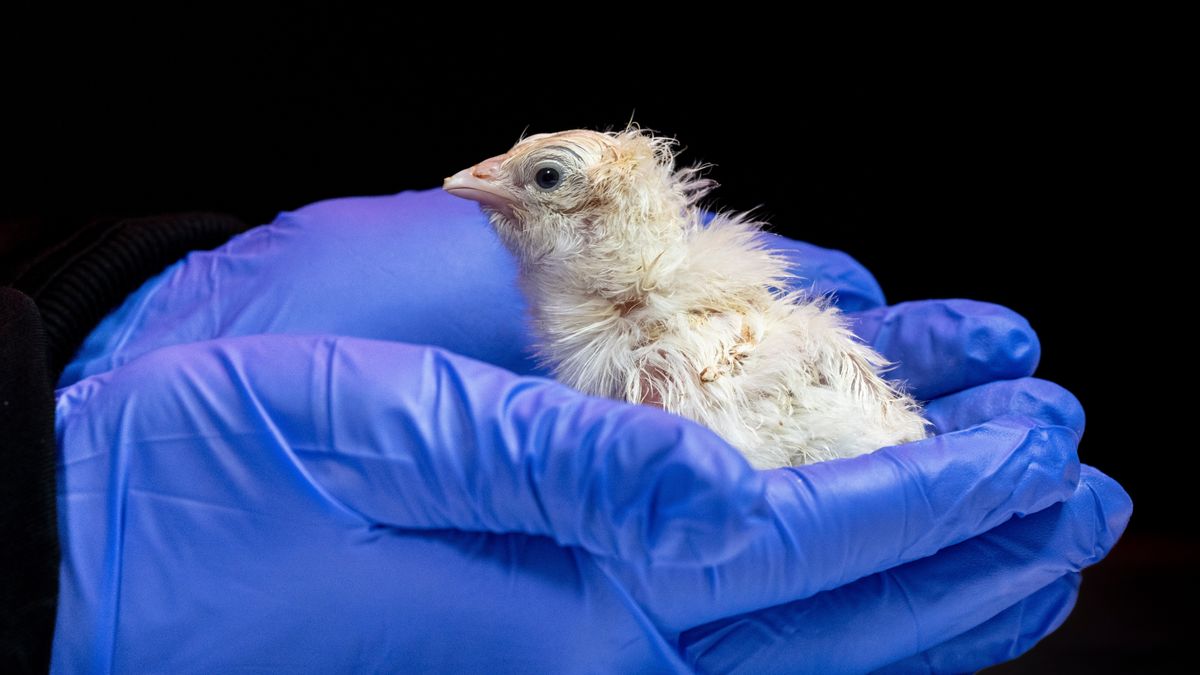

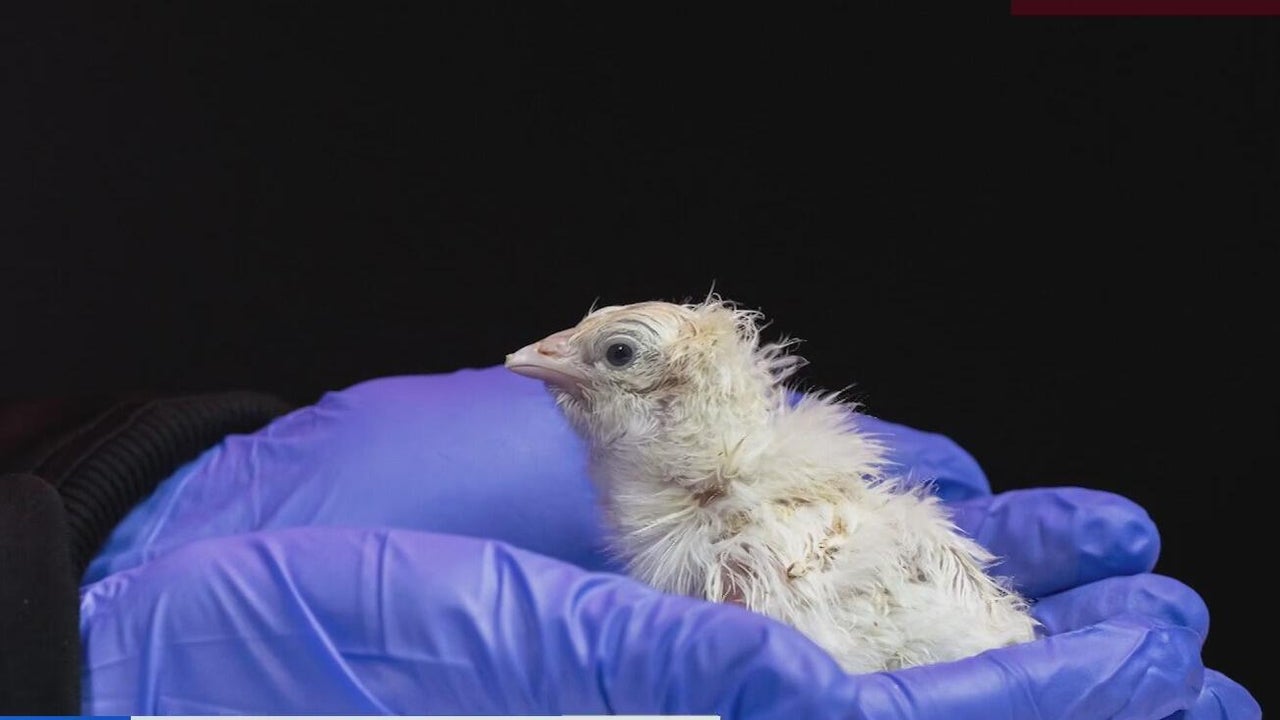
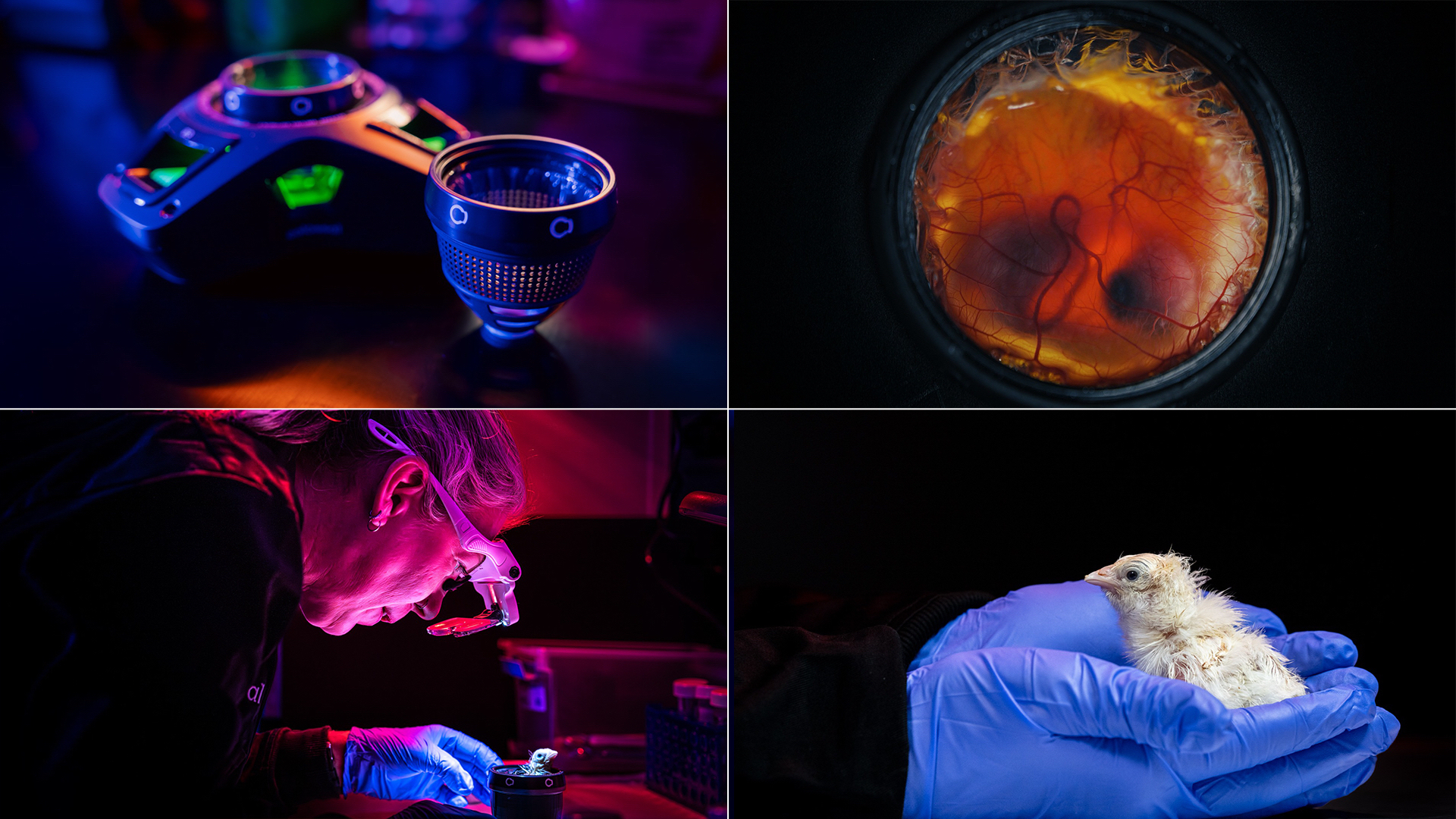



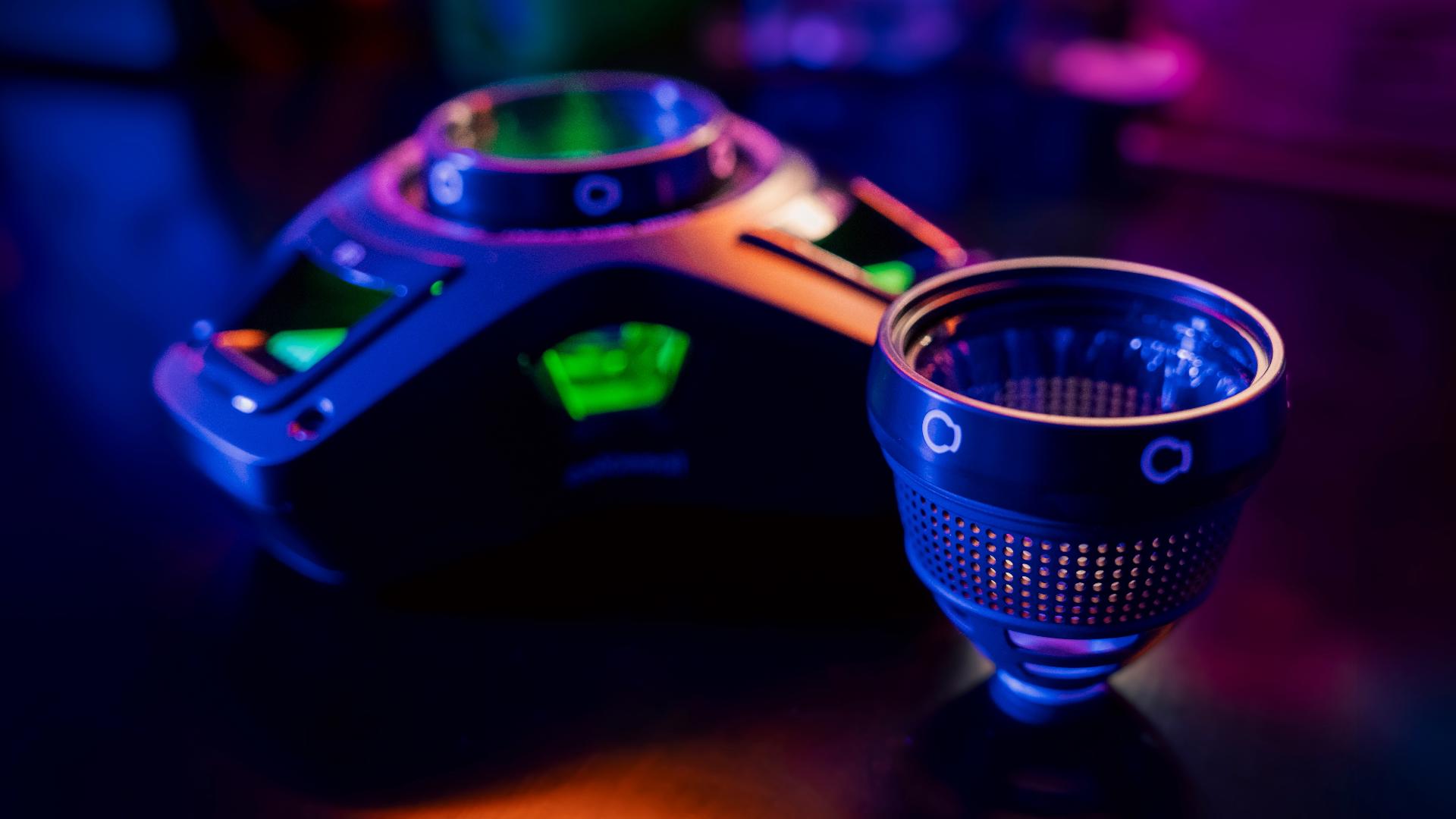
















Overview
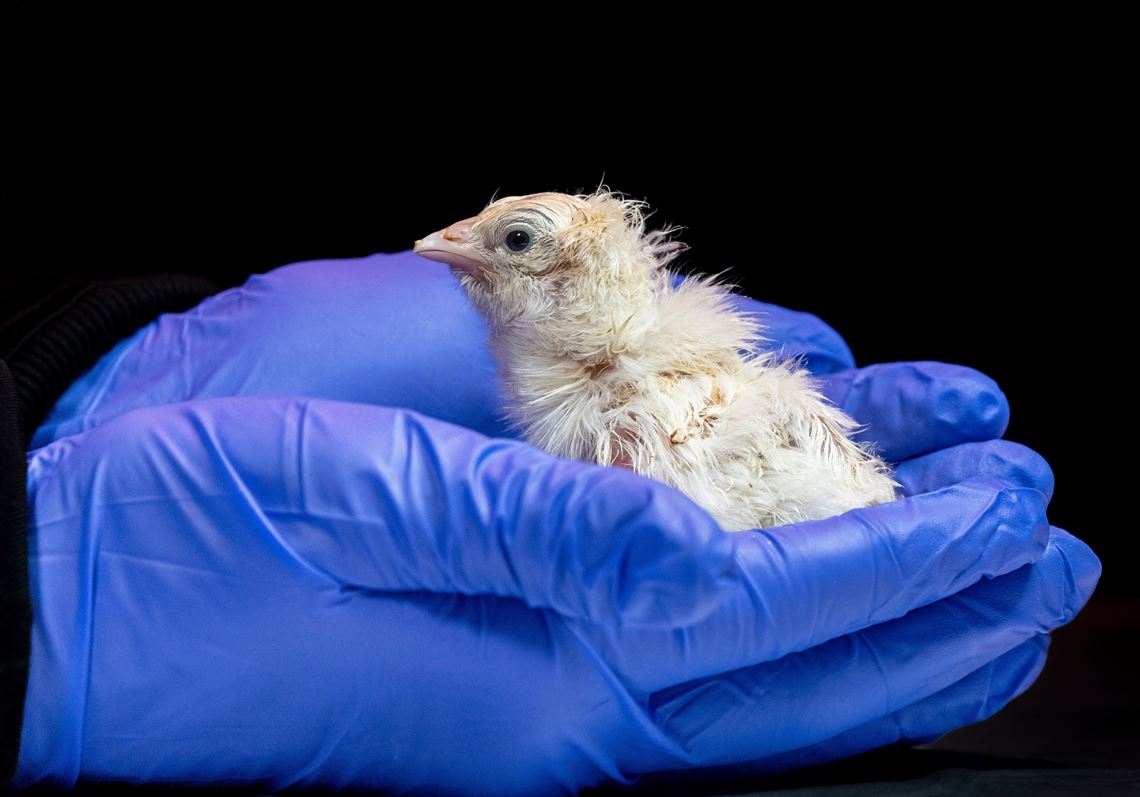
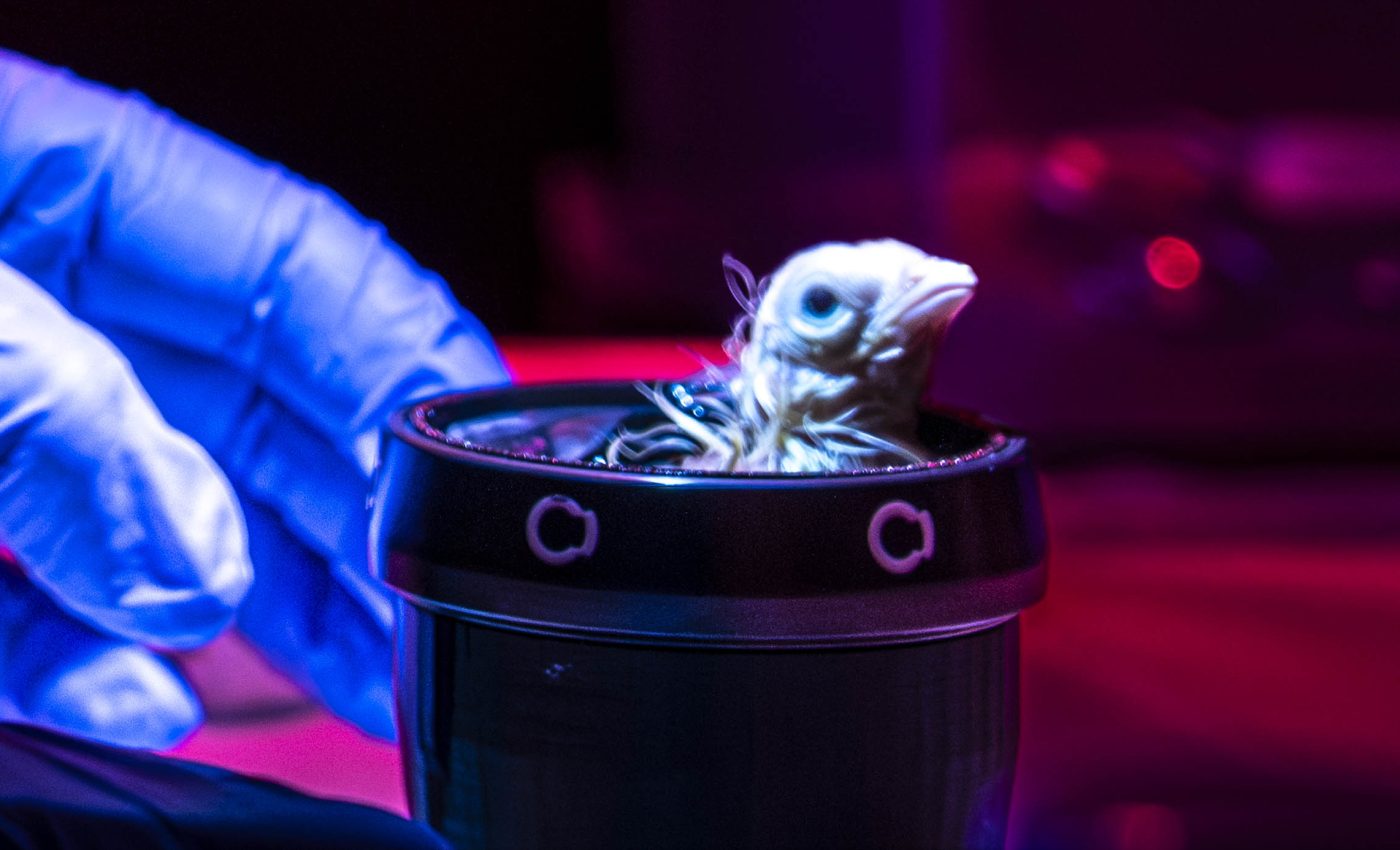
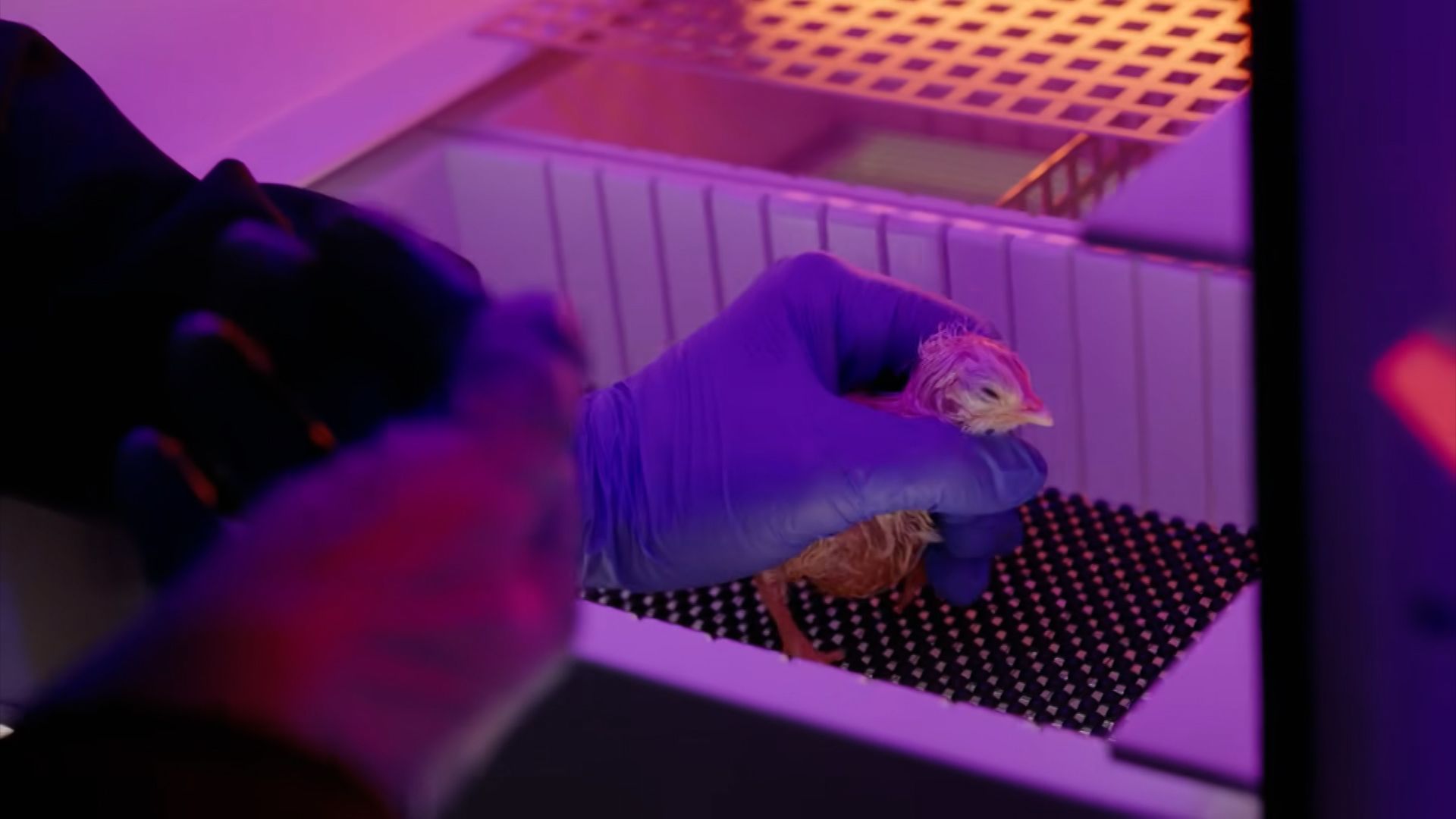
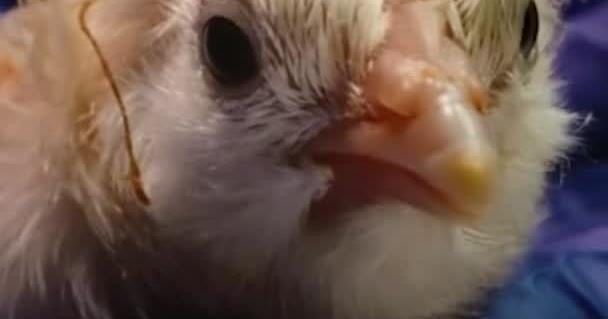
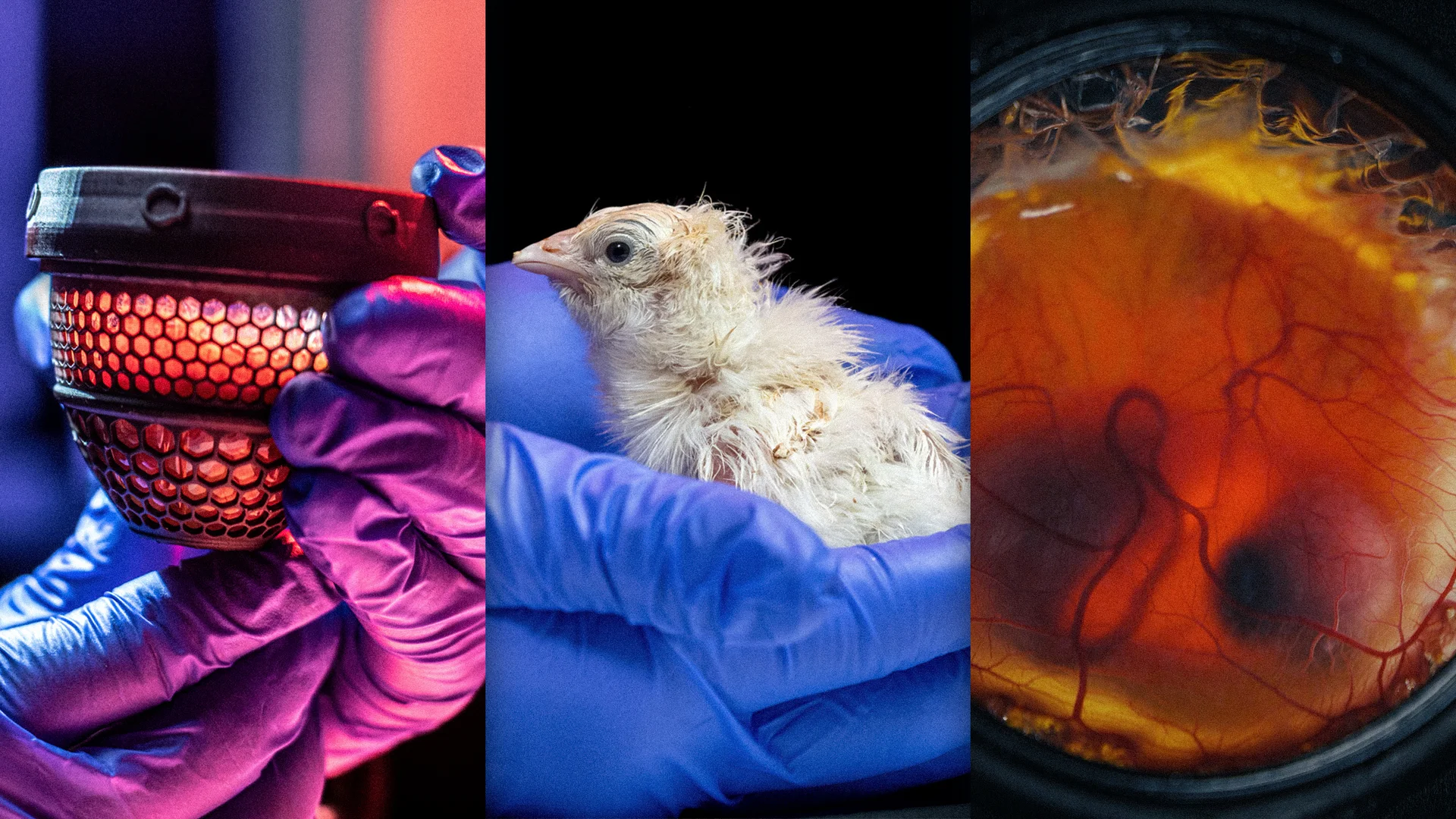
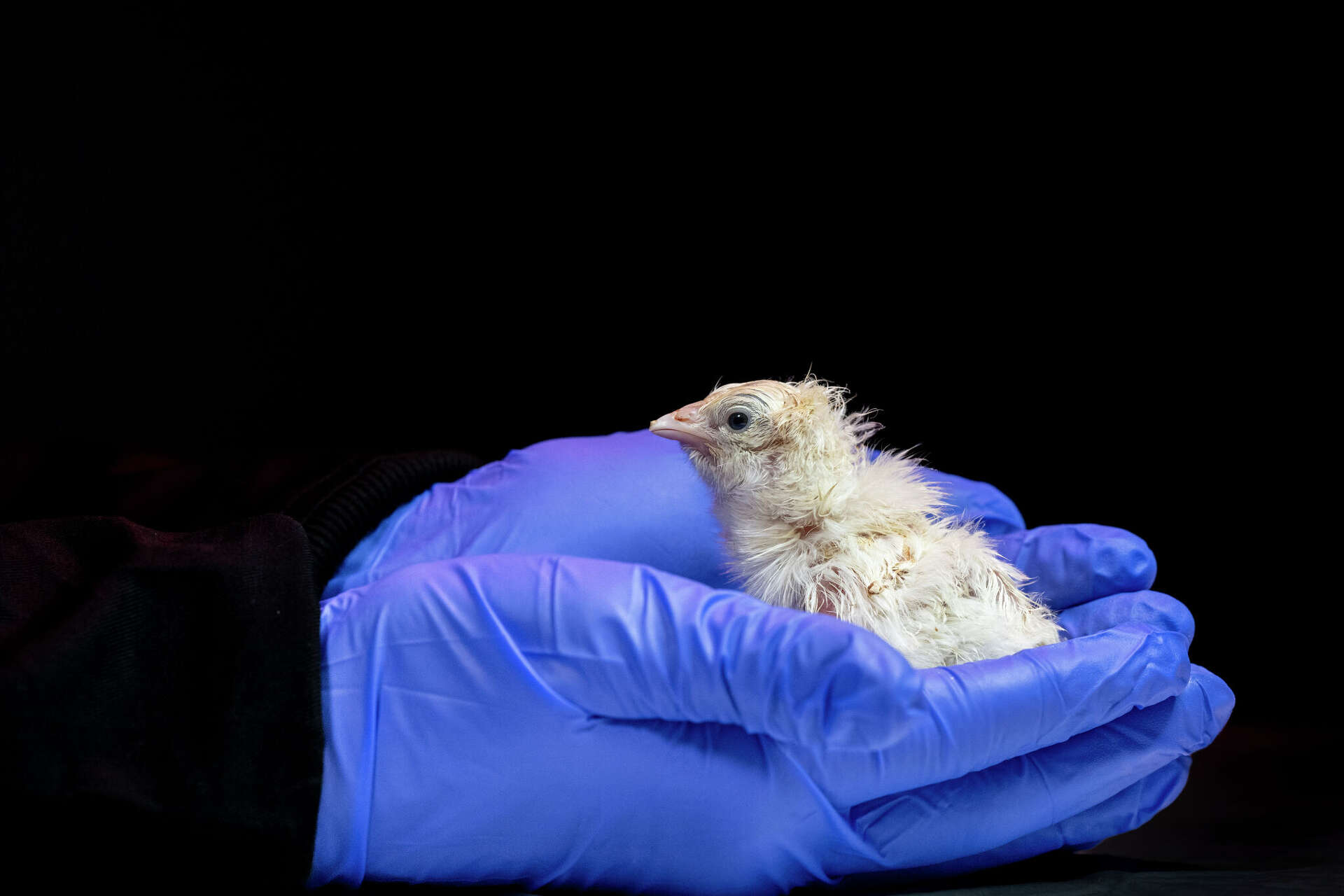
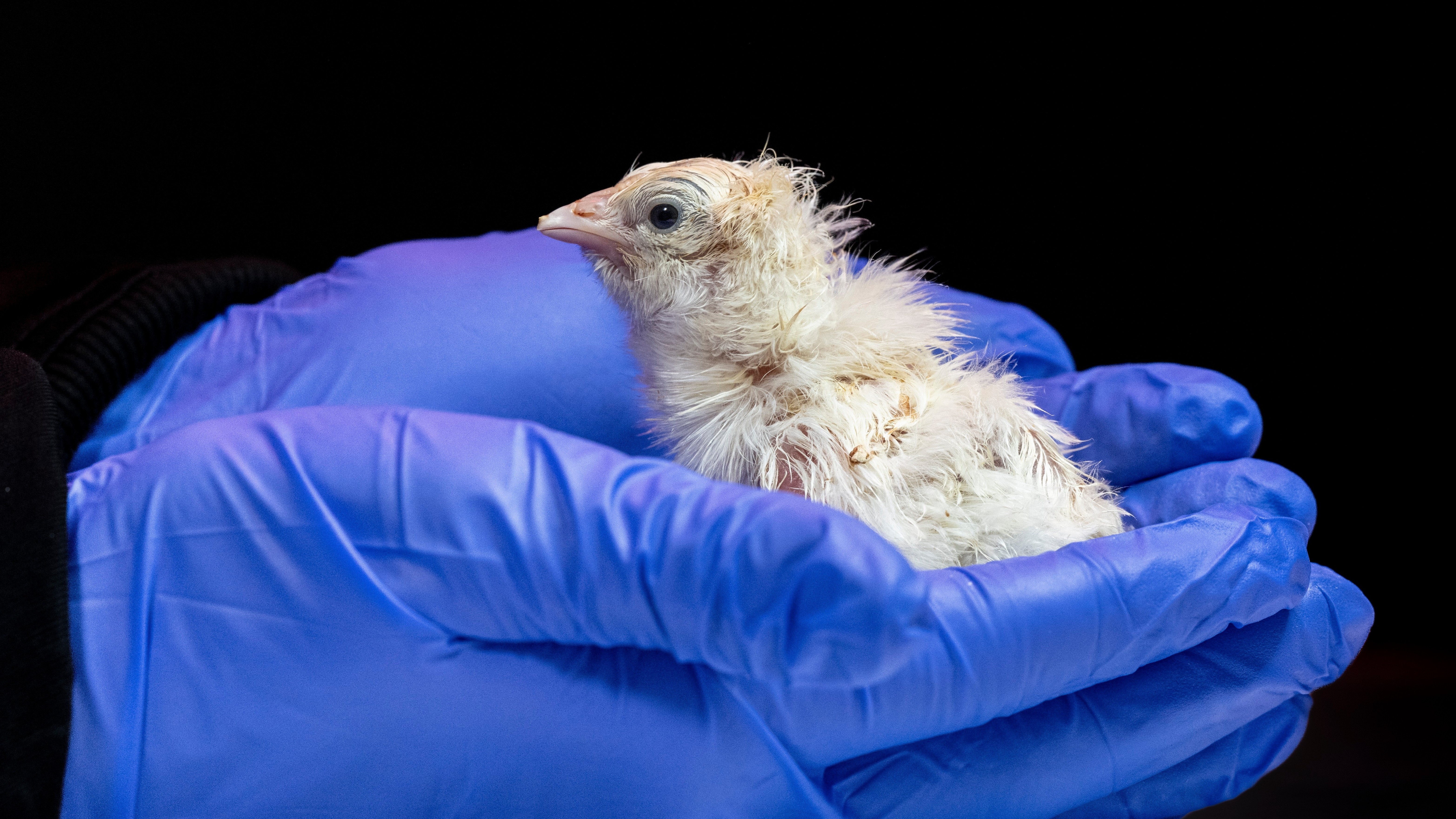
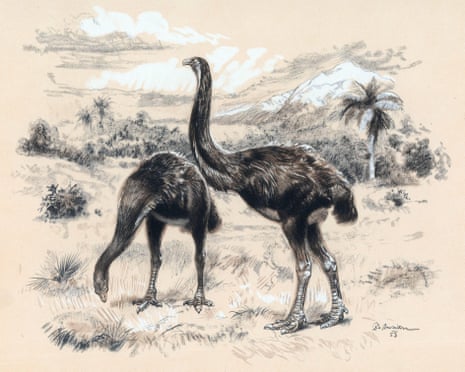
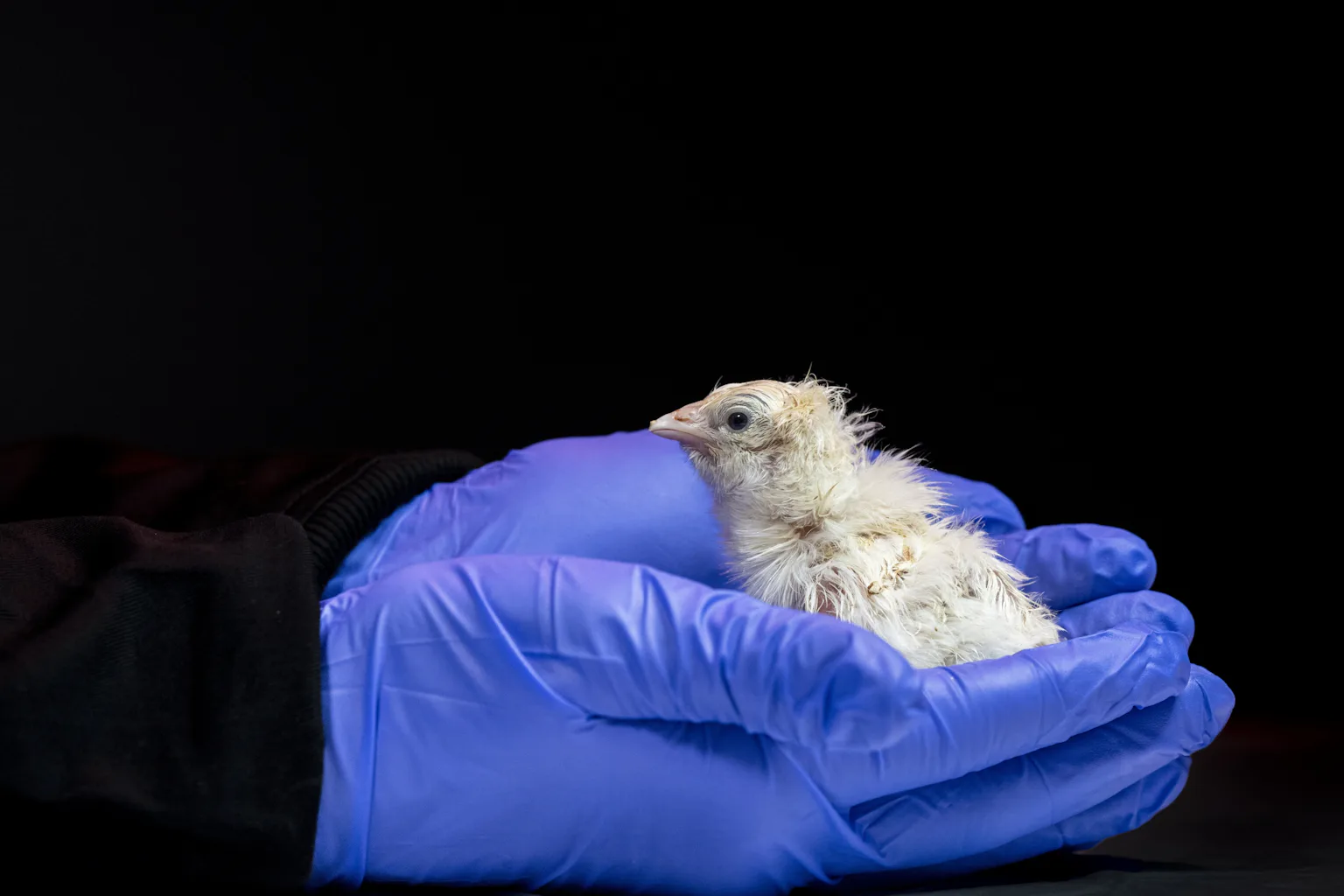
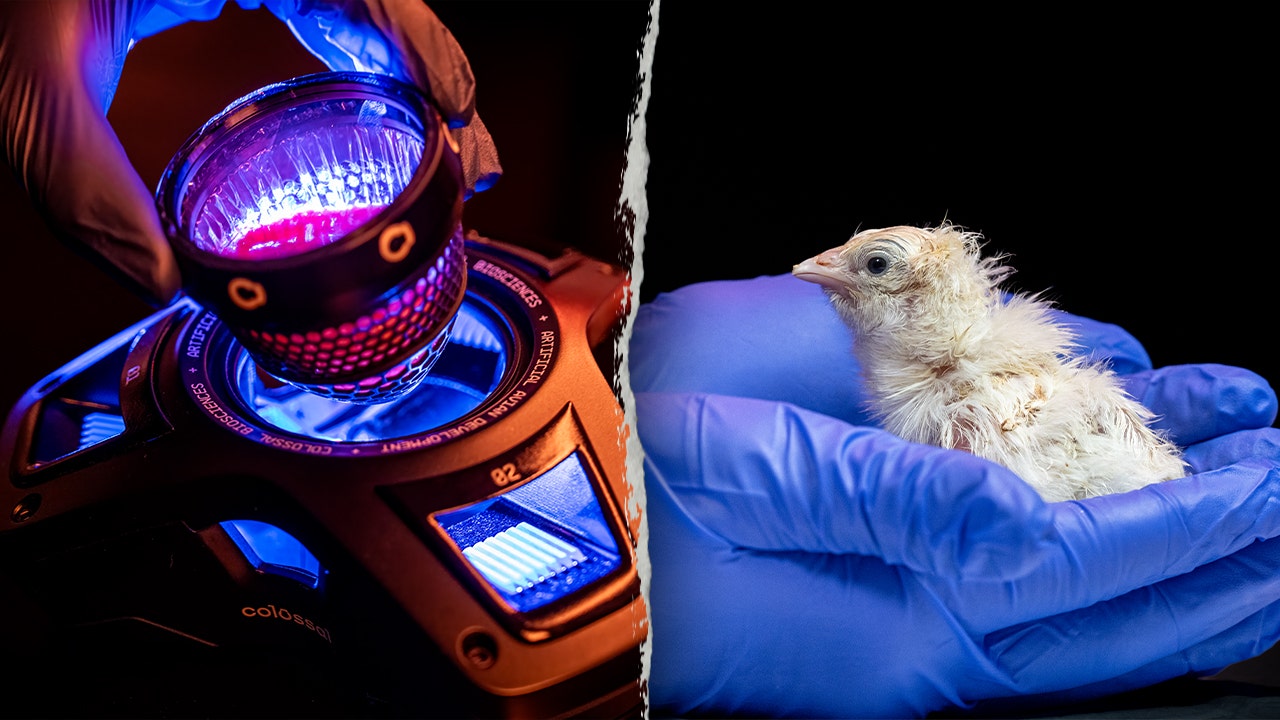
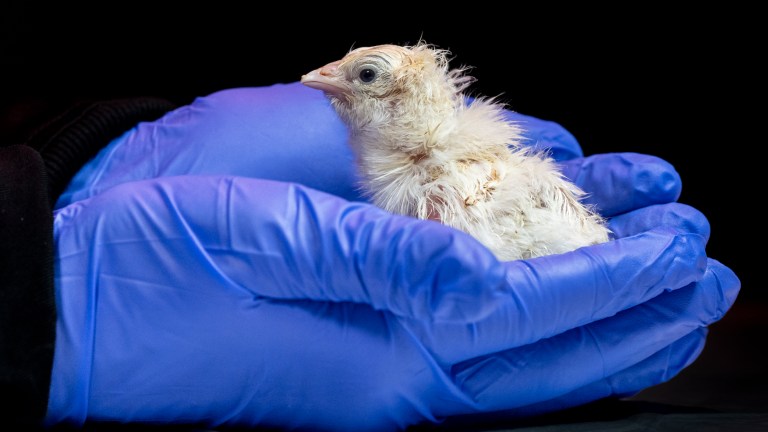
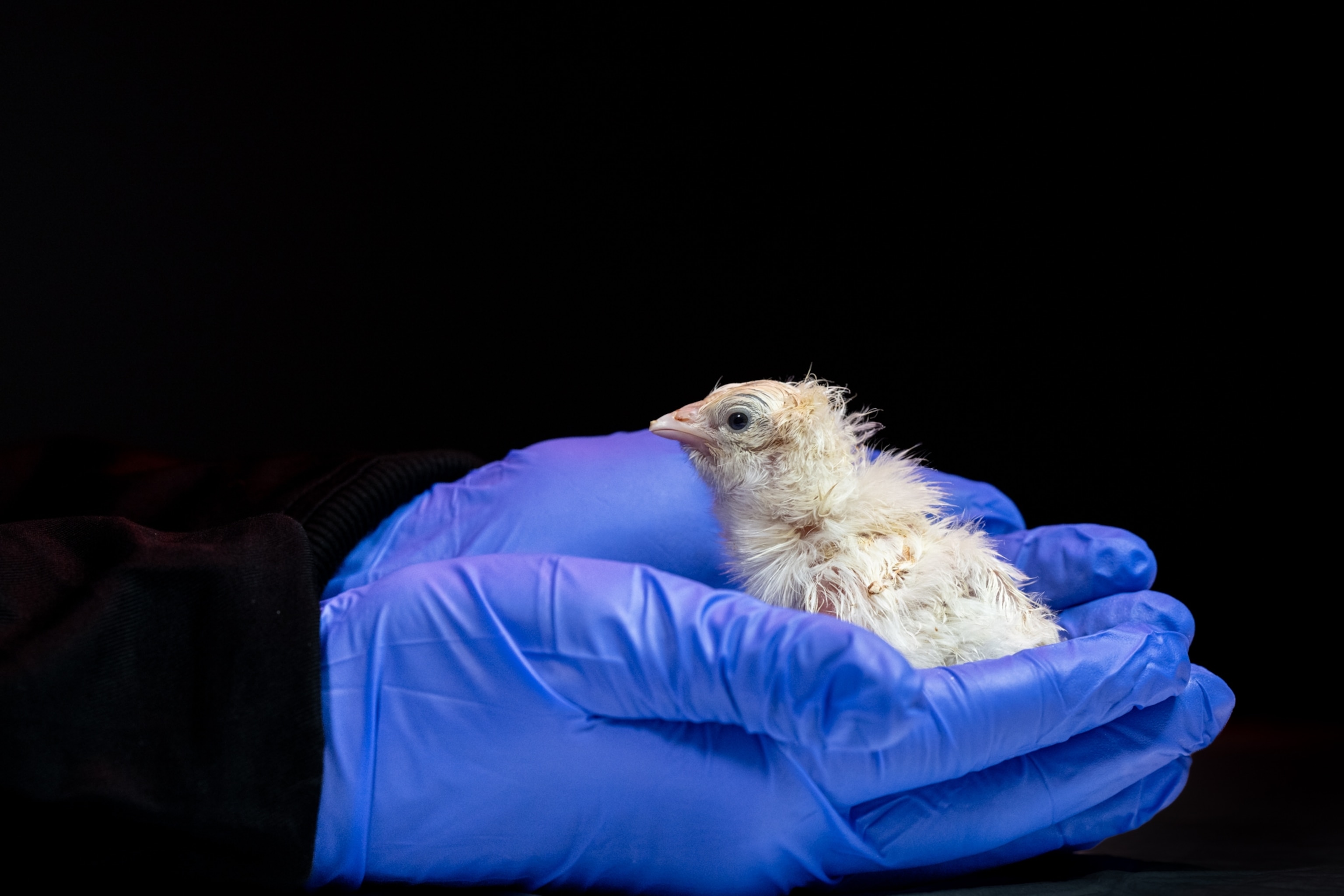
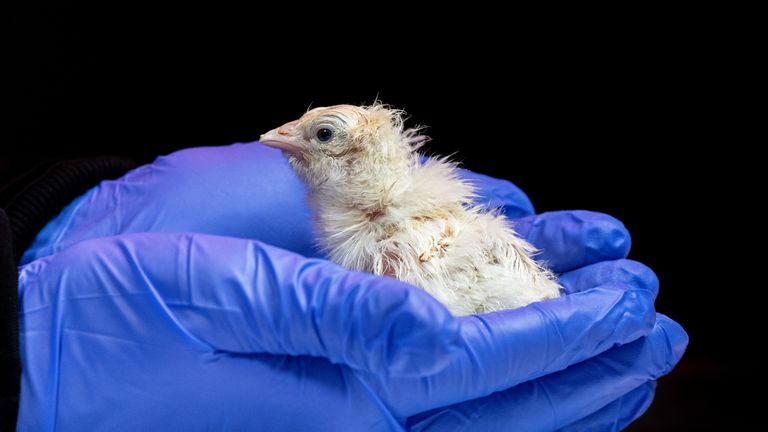
Colossal Biosciences' successful hatching of 26 chickens using synthetic silicone-membrane eggshells (announced May 2026) represents a critical inflection point for regulatory compliance in poultry biotechnology—creating immediate opportunities for sellers positioned in emerging compliance categories. The technology's scalability across egg sizes (hummingbird to 12-foot moa eggs) signals imminent FDA/USDA regulatory frameworks for lab-grown poultry products, which will fundamentally reshape the $150B+ global poultry market.
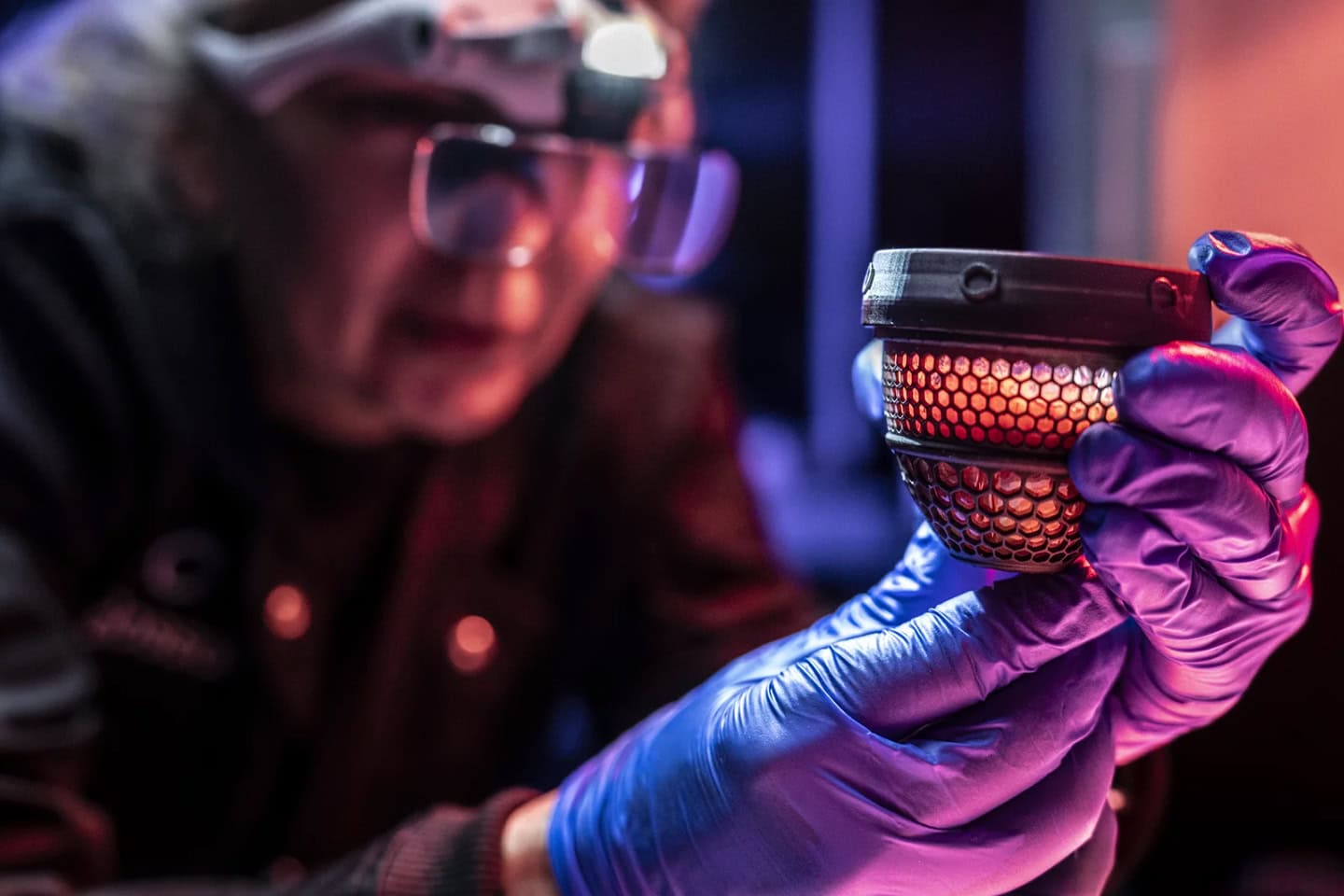
Compliance Barrier Analysis: The synthetic egg system addresses a 30-year scientific gap that previous plastic-cup methods couldn't solve, establishing Colossal's silicone-membrane design as the de facto industry standard. This creates a HIGH COMPLIANCE MOAT: sellers attempting to commercialize lab-grown poultry without proprietary membrane technology will face 18-24 month certification delays and $2-5M regulatory approval costs. The lack of peer-reviewed data (noted by Dr. Louise Johnson at University of Reading) means regulatory agencies will demand extensive safety documentation—favoring well-capitalized companies like Colossal that can absorb compliance costs.
Market Elimination Forecast: Traditional hatchery suppliers (estimated 12,000+ small operations globally) lack the biotech infrastructure to adopt synthetic egg systems. Regulatory approval timelines suggest 60-80% of non-compliant hatcheries will be forced to exit or consolidate by 2028-2029. This creates a WINNOWING OPPORTUNITY: sellers can acquire distressed hatchery assets, retrofit them with licensed synthetic egg technology, and capture market share from eliminated competitors.
Fast-Track Compliance Pathways: Sellers should monitor three regulatory tracks: (1) FDA Generally Recognized as Safe (GRAS) pathway for lab-grown poultry meat (12-18 months, $800K-1.2M cost), (2) USDA biotech animal approval process (24-36 months, $3-5M cost), and (3) State-level poultry licensing (3-6 months, $50-200K). The fastest entry point is licensing existing Colossal technology under partnership agreements rather than developing proprietary systems—reducing compliance timelines by 40-50%.
Service Gap Opportunity: Regulatory consulting for synthetic poultry products is severely underserved. Sellers need: (1) FDA submission strategy services ($50-100K per client), (2) USDA biotech documentation support ($30-50K), (3) State licensing coordination ($10-20K per state). A single compliance consulting firm could serve 50-100 sellers at $100-150K average contract value = $5-15M annual revenue opportunity.
Product Category Expansion: Beyond poultry, the synthetic egg technology enables lab-grown eggs for human consumption (currently banned in most markets but regulatory approval expected 2027-2028). Sellers should prepare product listings for: cultured chicken meat, lab-grown eggs, hybrid poultry products, and biotech-certified poultry feed supplements. These categories will command 15-25% price premiums over conventional products due to regulatory scarcity value.
Questions 7
What are the intellectual property risks for sellers using synthetic egg technology?
Colossal Biosciences' synthetic silicone-membrane eggshell design is likely patented (patent applications typically filed 12-24 months before public announcement). The news indicates the company is 'reengineering eggs for their purposes,' suggesting proprietary IP protection. Sellers attempting to develop competing synthetic egg systems face patent infringement risks and 5-10 year litigation timelines. The safer compliance path is licensing Colossal's technology or acquiring patents from distressed biotech companies. Sellers should conduct freedom-to-operate analysis ($20-50K legal cost) before investing in synthetic egg R&D. Patent licensing fees typically range 3-8% of product revenue, making partnership with established biotech firms more cost-effective than independent development.
How will international markets regulate lab-grown poultry differently from the US?
The news mentions New Zealand's moa de-extinction project, signaling different regulatory approaches by region. The EU's Novel Food Regulation requires pre-market authorization for cultured meat products (18-24 month timeline, €500K-1M approval cost), while Singapore and Japan have faster approval pathways (6-12 months). China and India lack clear regulatory frameworks, creating 2-3 year windows for sellers to establish market presence before regulations tighten. Sellers should prioritize EU and Singapore markets first (faster approval than US), then expand to US market once FDA precedent is established. This geographic arbitrage can reduce overall compliance costs by 30-40% through sequential market entry.