




Russia-China Trade Surge $237B | Sanctions-Driven Sourcing Shift Opens Cross-Border Opportunities
- Two-way trade doubled 2020-2024; China supplies 33% of Russian imports; sanctions-bypass payment systems reduce transaction times to 30 minutes, creating arbitrage windows for sellers









Overview
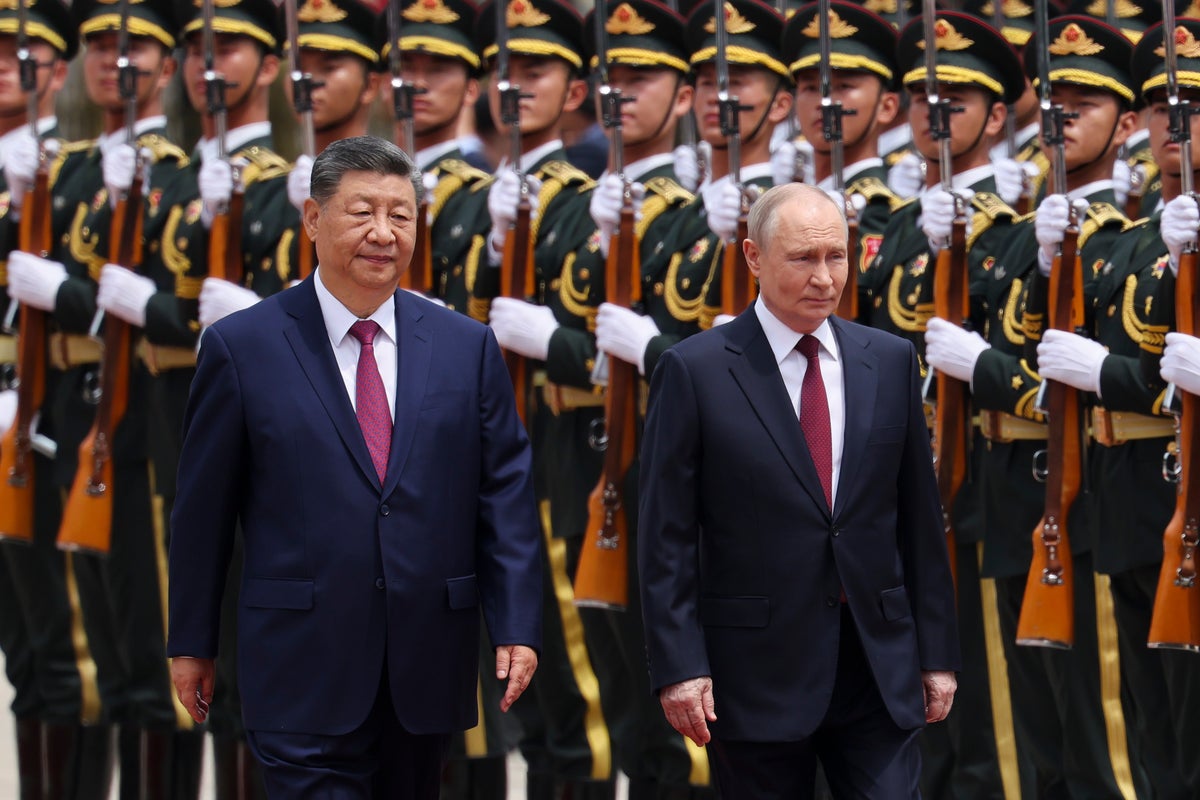
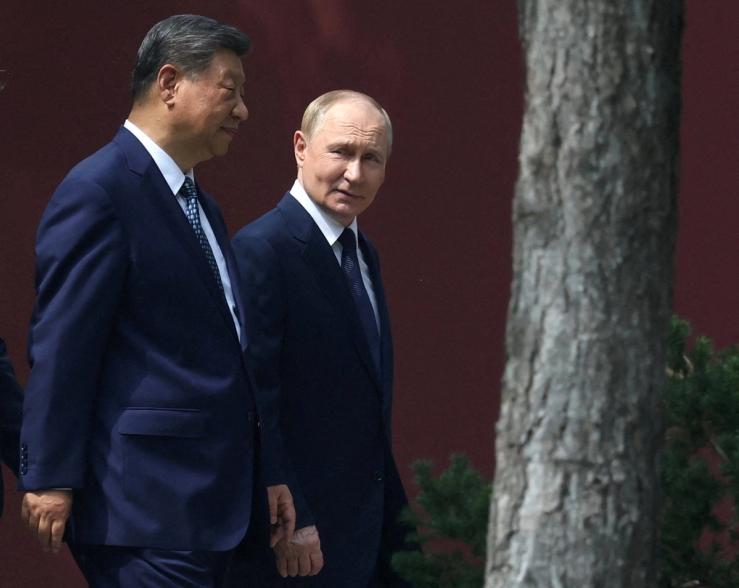
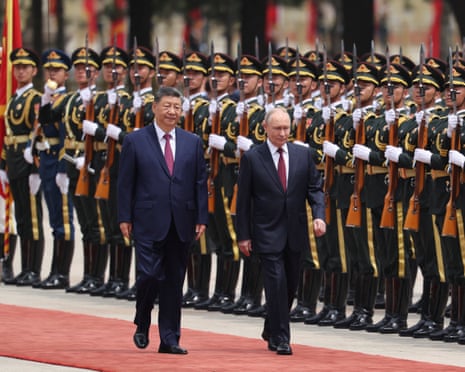
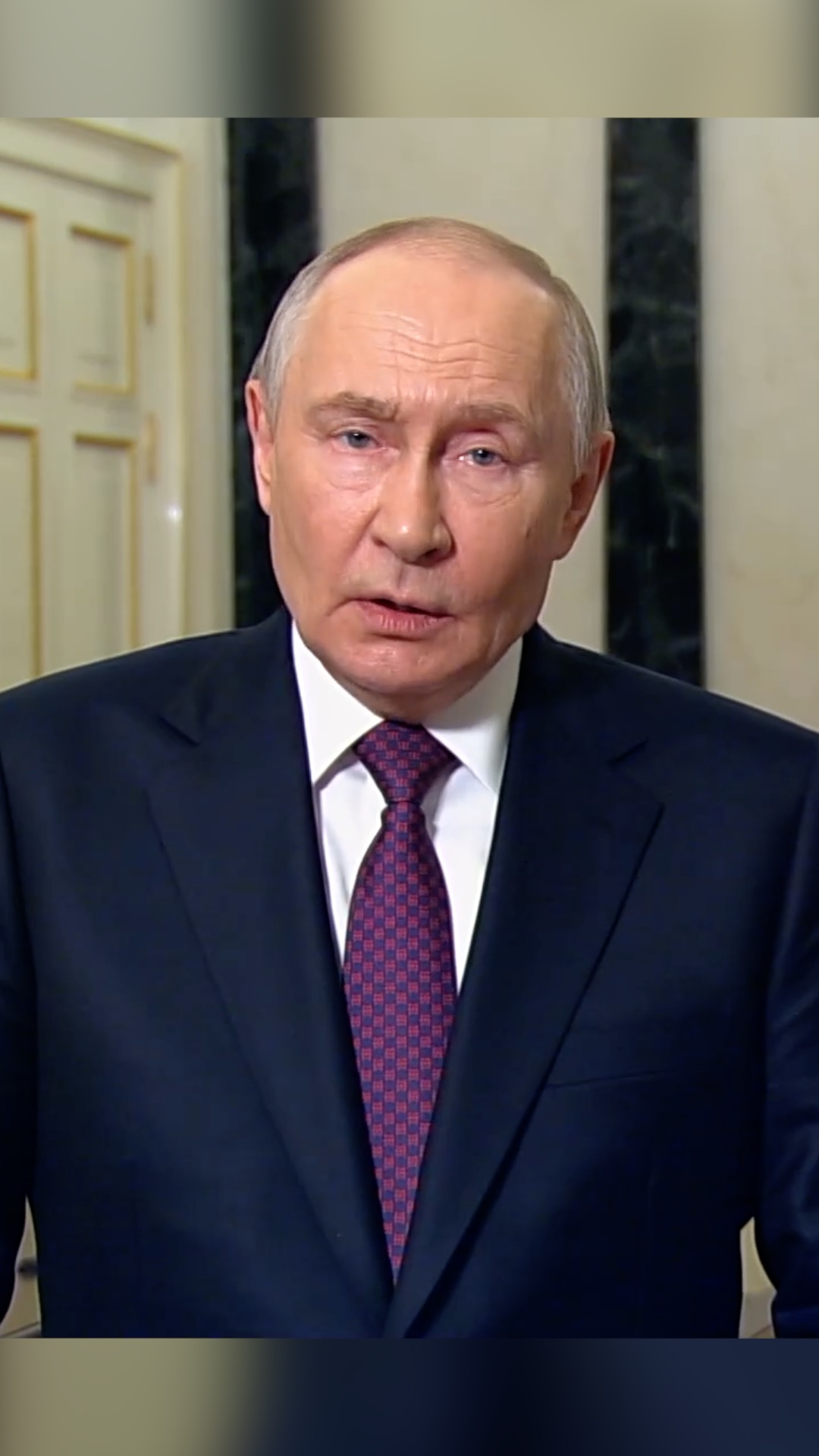
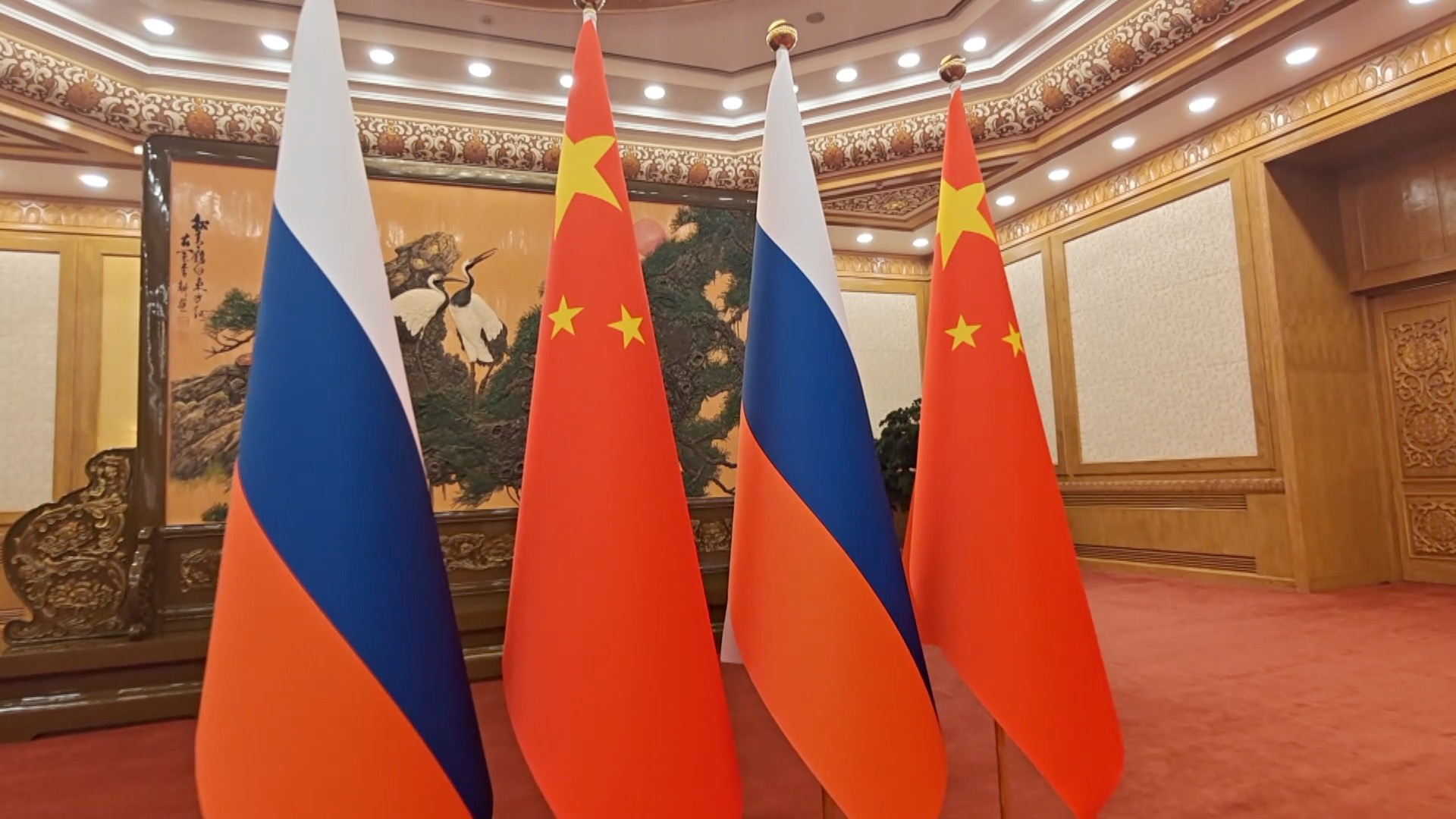
The Putin-Xi summit reveals a critical geopolitical shift reshaping cross-border e-commerce dynamics: Russia-China bilateral trade reached $237 billion annually by 2024, more than doubling from 2020, with Russia now sourcing over 90% of sanctioned technology imports from China. This deepening economic integration creates three immediate seller opportunities in the cross-border marketplace.
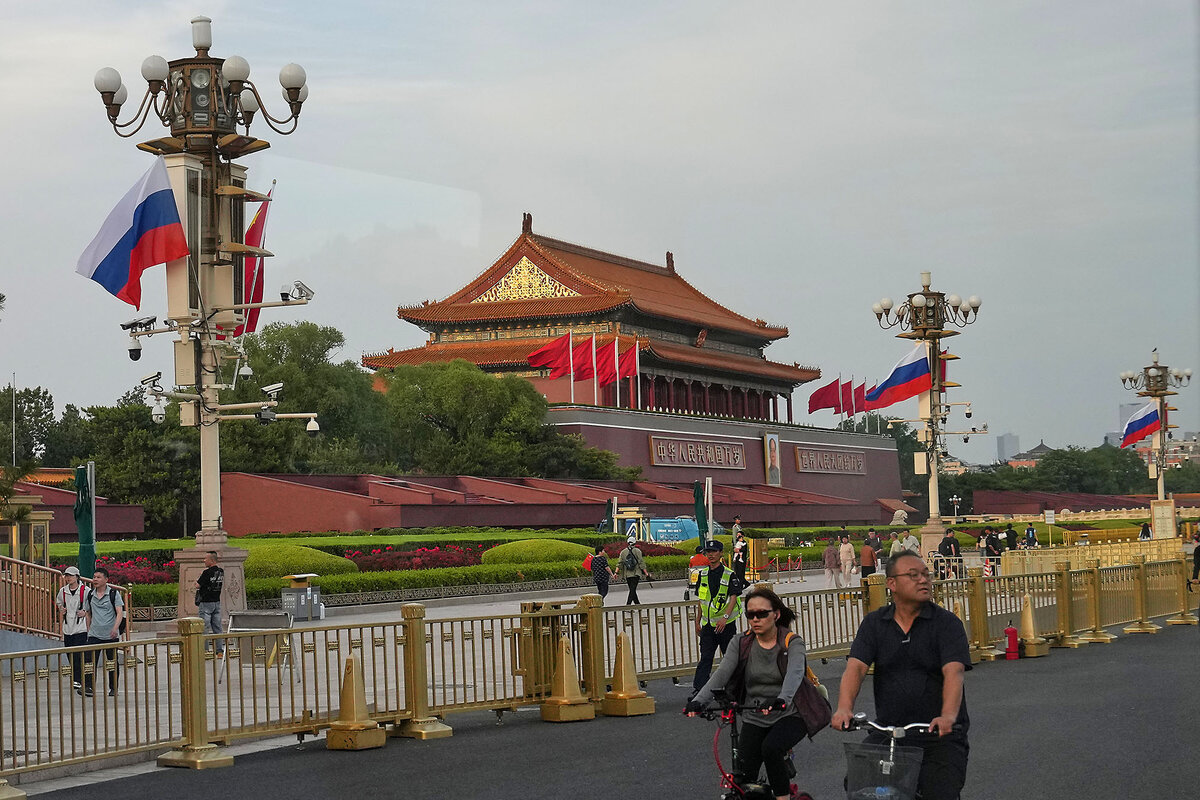
First, tariff arbitrage through alternative sourcing corridors. Russia's heavy reliance on Chinese imports (33% of all Russian imports) combined with Western sanctions creates a protected market where Chinese sellers face reduced competition from Western brands. Sellers sourcing electronics, automotive components, machinery, and consumer goods from China can now access Russian markets with lower competitive friction. The visa-free travel policies implemented in 2025 have driven hundreds of thousands of Russian tourists to Chinese destinations like Hainan, signaling strong consumer demand for Chinese-manufactured products. Sellers should prioritize HS codes in electronics (HS 8471-8517), machinery (HS 8401-8483), and vehicles (HS 8704-8708) where Russian import dependency on China exceeds 85%.
Second, payment system innovation creates transaction speed advantages. Chinese and Russian companies have developed sanctions-bypass payment systems reducing transaction times from weeks to under 30 minutes—a 95% efficiency gain. Sellers using these emerging payment rails can accelerate cash flow cycles and reduce working capital requirements by 20-30% compared to traditional banking channels. This creates a 6-12 month window before Western payment processors develop competing solutions. Small and medium sellers (annual revenue $500K-$5M) benefit most, as they lack the banking relationships of larger enterprises.
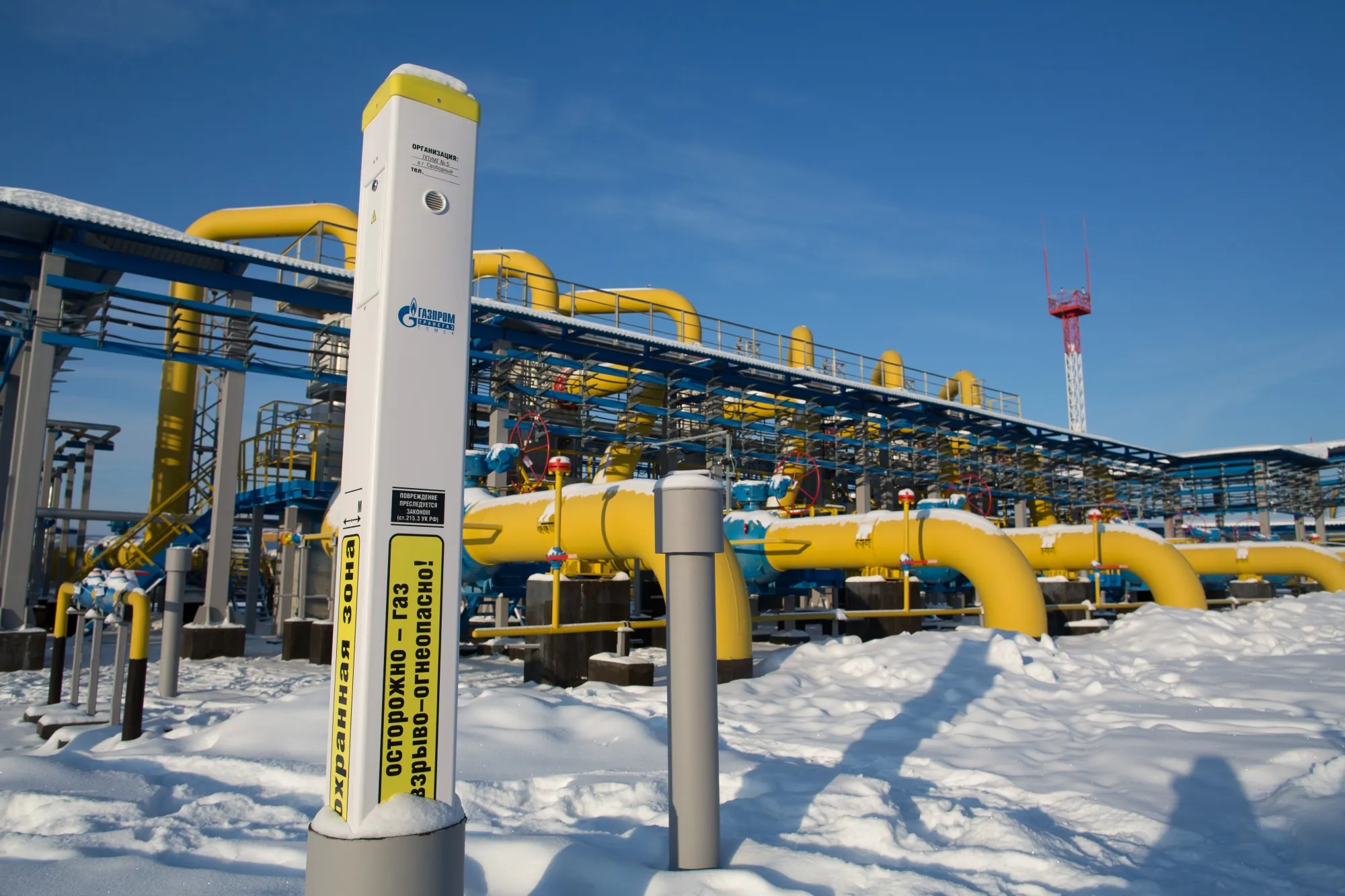
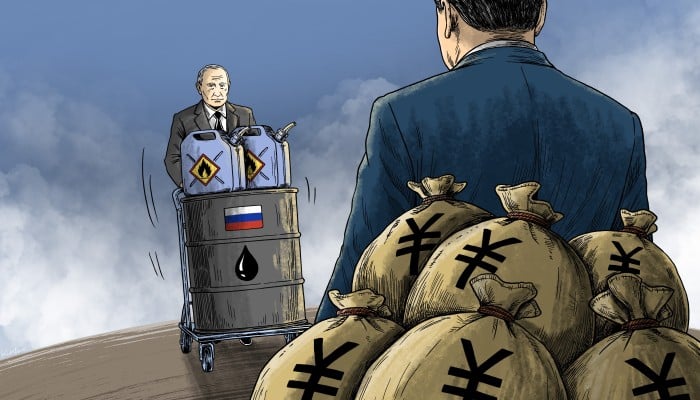
Third, the asymmetrical trade relationship (Russia = 4% of China's trade) means Chinese sellers have pricing power. Russia's economic strain from Ukraine conflict and Western sanctions forces Moscow to accept unfavorable terms. Sellers can negotiate 15-25% better payment terms, extended credit periods (60-90 days vs. standard 30), and volume discounts when selling to Russian importers and distributors. The Power of Siberia 2 pipeline project (50 billion cubic meters annually) signals infrastructure investment that will improve logistics corridors for goods movement.
Immediate seller actions: (1) Audit inventory for products with high Russian demand but low Western competition—focus on industrial equipment, automotive parts, and consumer electronics; (2) Establish relationships with Russian importers and distributors before Q3 2025 when competition intensifies; (3) Evaluate sanctions-compliant payment processors offering Russia-China corridors; (4) Monitor tariff changes as Russia may reduce import duties on Chinese goods to strengthen the partnership.
Questions 8
What is the timeline for establishing competitive advantage in Russia-China corridor?
The strategic partnership acceleration and infrastructure improvements create a 12-18 month first-mover window before competitive saturation. Sellers should prioritize market entry by Q3 2026 to establish brand presence, customer relationships, and logistics networks before larger competitors enter. Key milestones: Q2 2026 (platform account setup, 2-4 weeks), Q3 2026 (initial inventory launch, 4-8 weeks), Q4 2026 (performance optimization, ongoing). Sellers entering after Q4 2026 face 30-50% higher customer acquisition costs and reduced market share opportunities. The visa-free travel trend and payment infrastructure improvements create urgency for immediate action.
What compliance risks should sellers monitor when trading with Russia amid sanctions?
Sellers must verify that products and payment methods comply with OFAC (Office of Foreign Assets Control) sanctions regulations. Dual-use components (electronics, machinery) face heightened scrutiny. Payment systems must be sanctions-compliant—avoid traditional banking channels and use approved processors. Maintain detailed documentation of all transactions, customer verification, and end-use certifications. Monitor quarterly sanctions updates from OFAC and EU authorities, as policy changes could restrict market access. Sellers should consult legal counsel before establishing Russian distributor relationships. Non-compliance penalties range from $20,000-$250,000 per violation, making compliance infrastructure essential for sustained market access.