



NATO Uncertainty Reshapes European Defense Spending | Cross-Border Seller Opportunities in Military-Adjacent Markets
- Pentagon cancels 4,000-troop Poland rotation amid 5,000-troop Europe withdrawal, triggering 4.8% Polish defense GDP surge and $50B+ regional military modernization demand














Overview
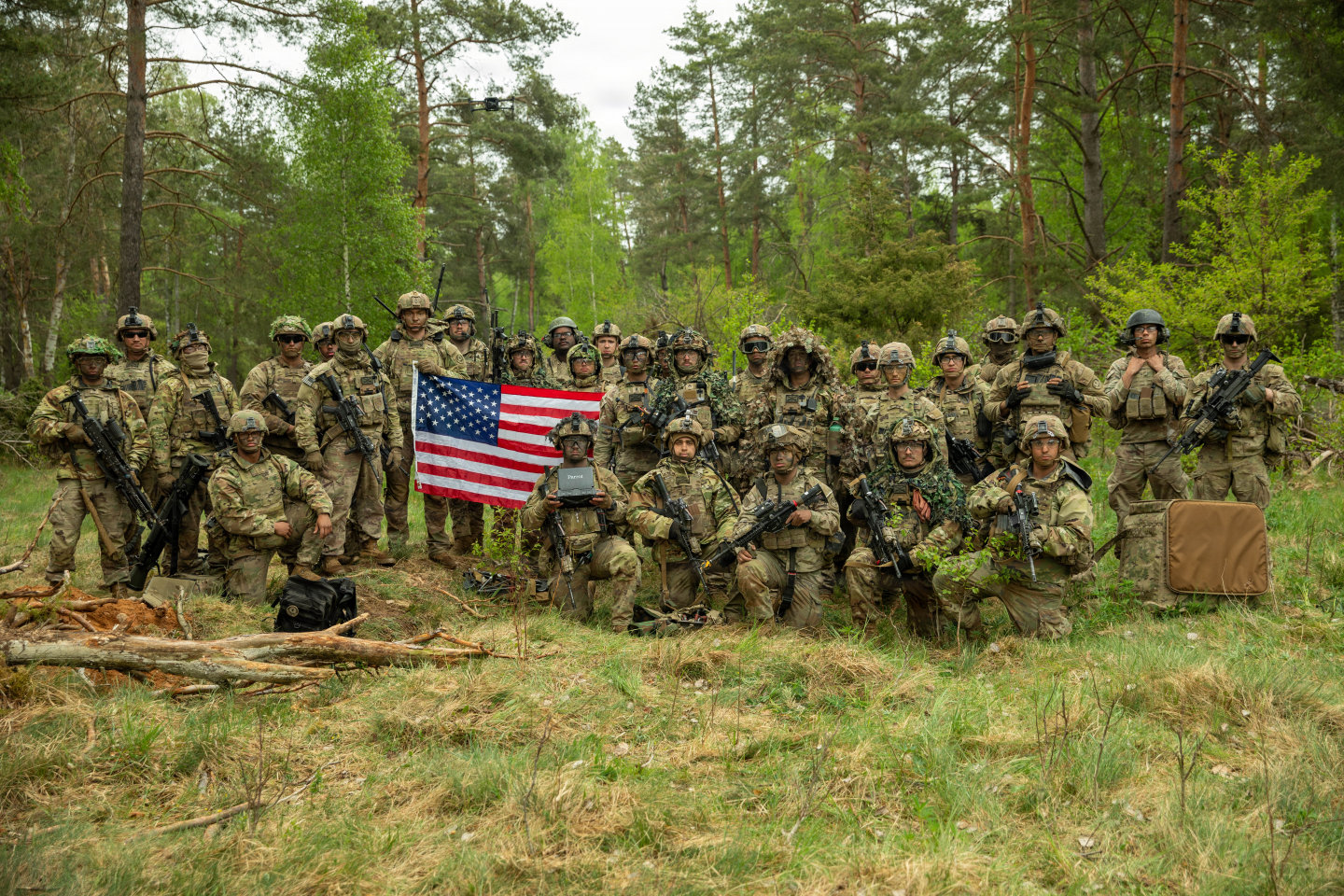
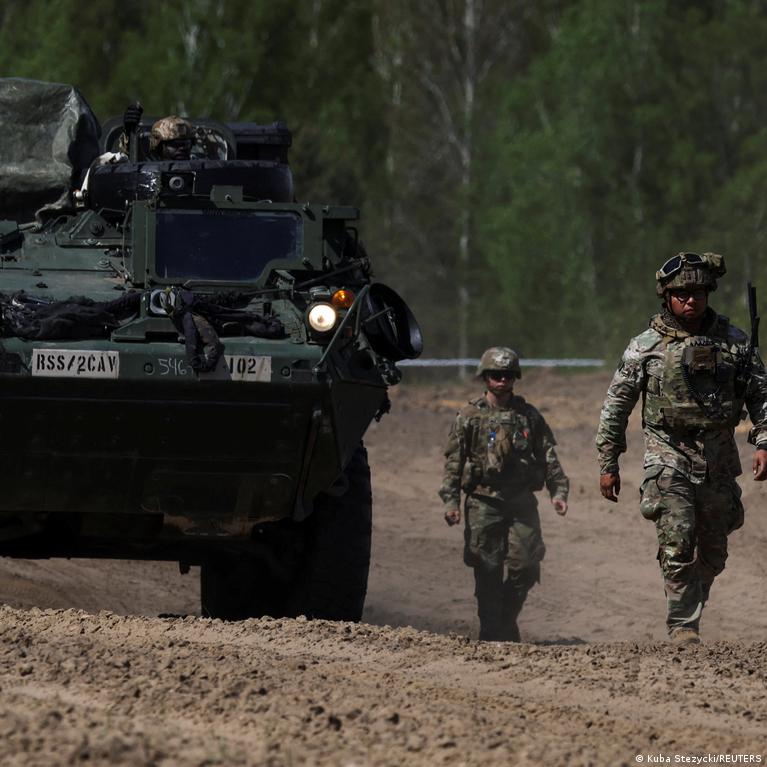
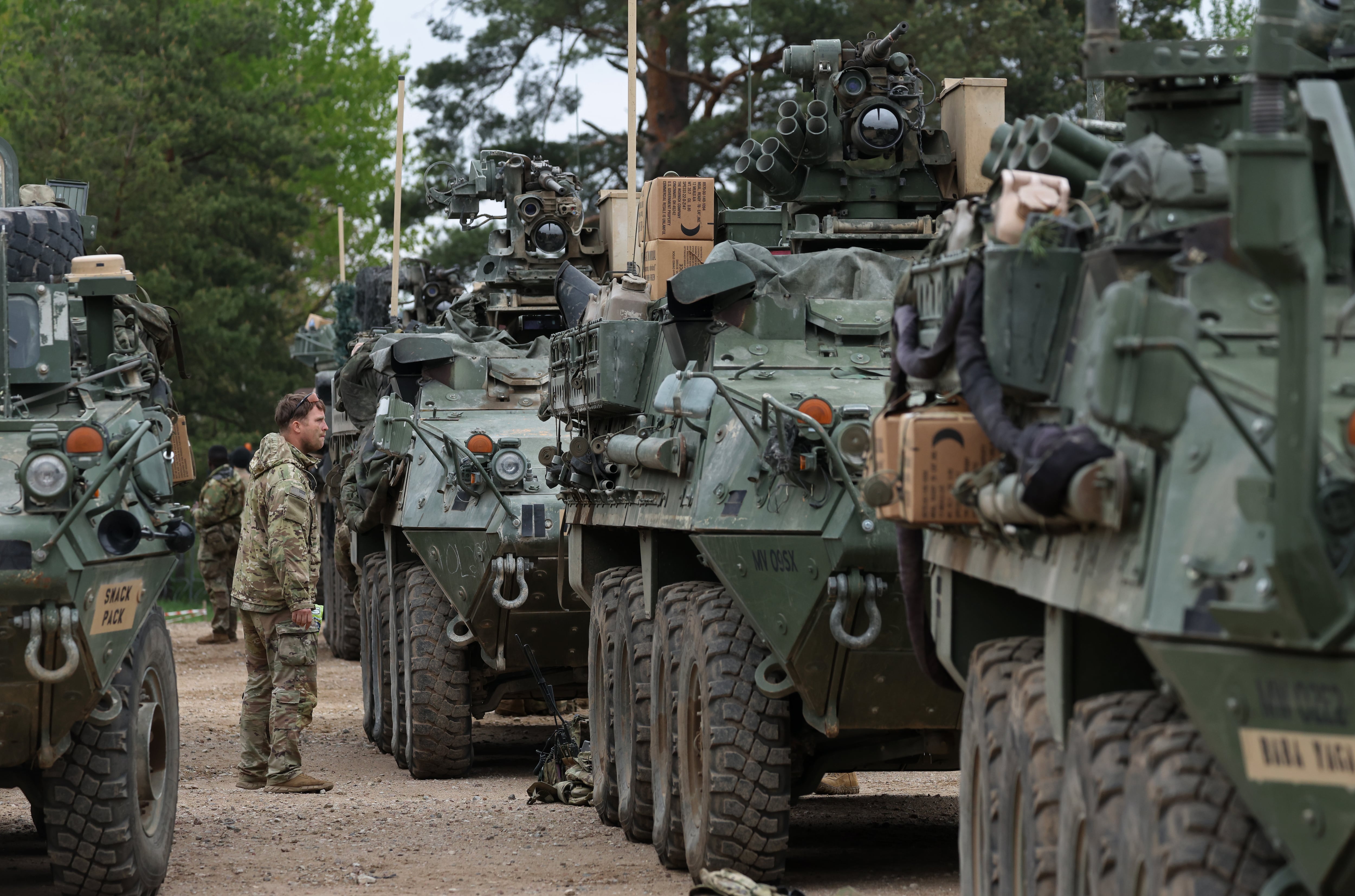
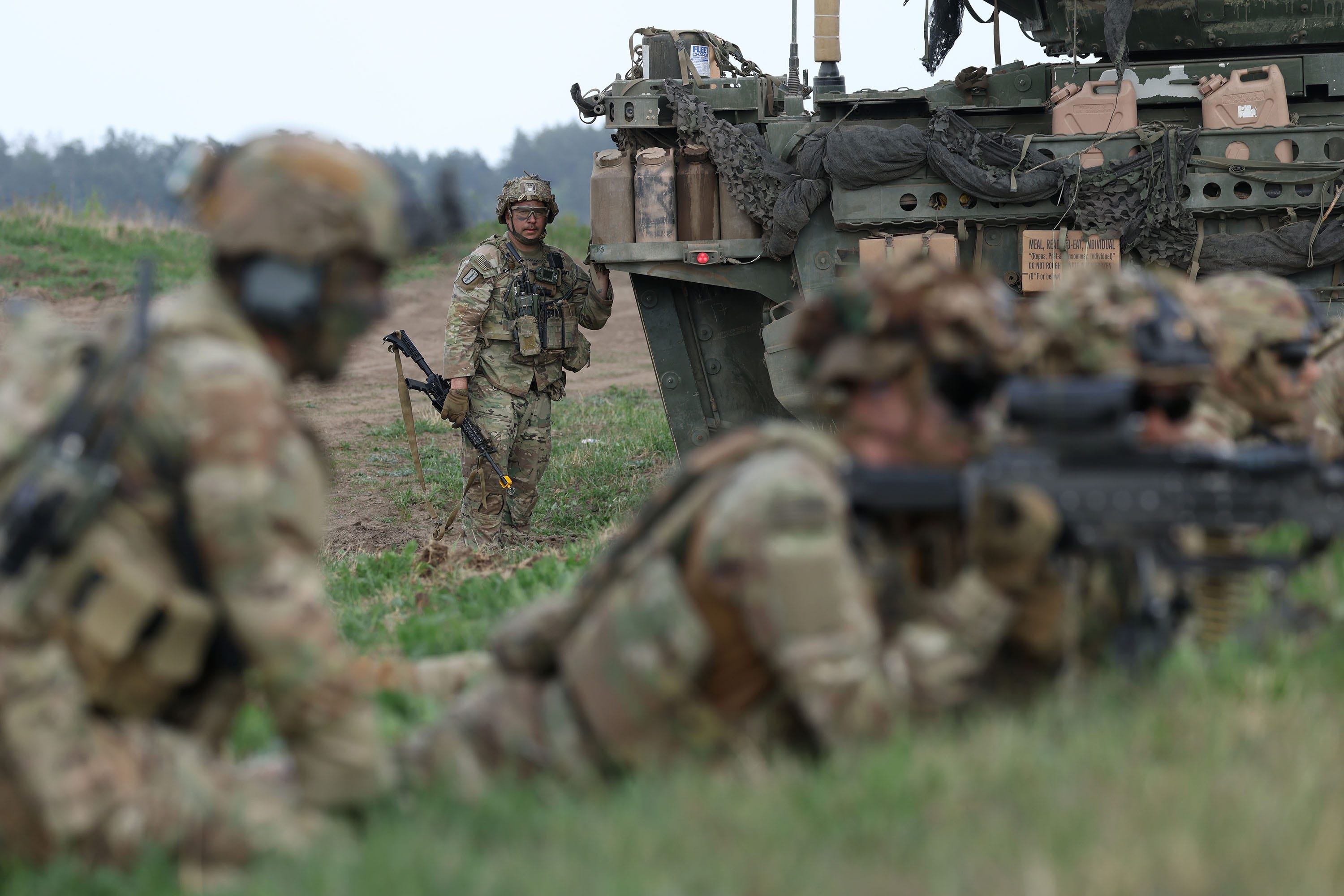
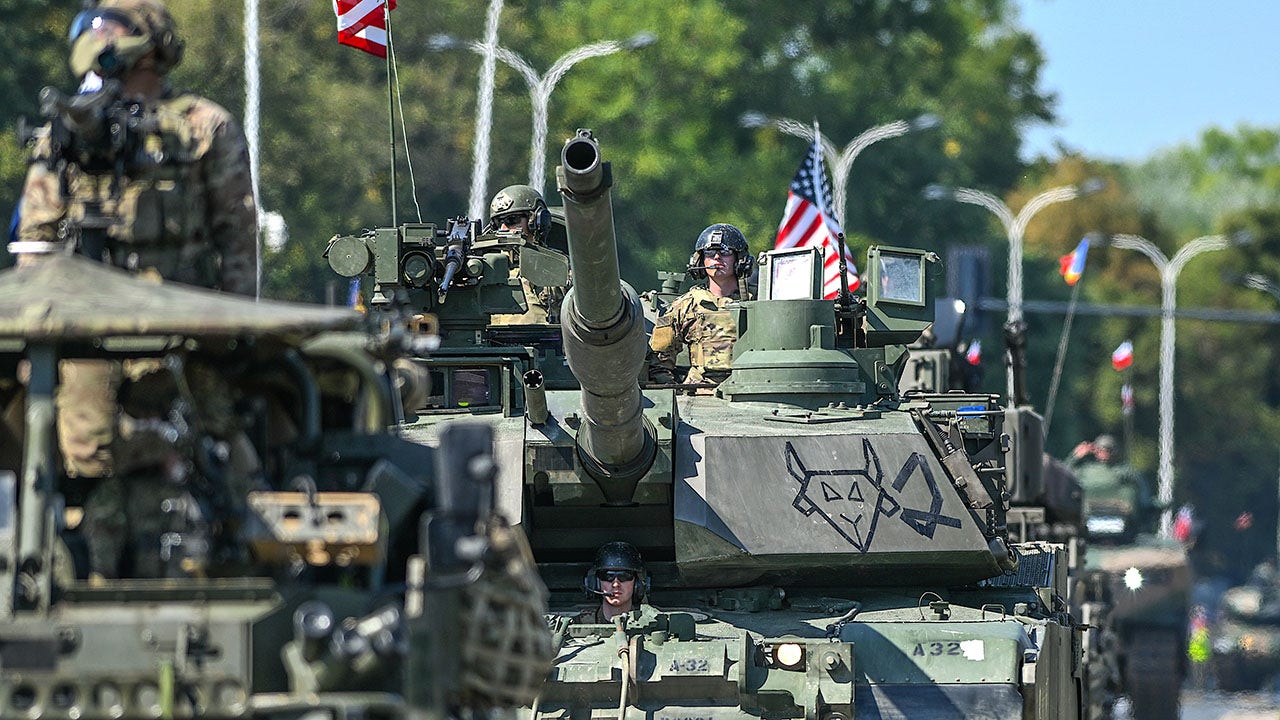
The Pentagon's decision to halt the deployment of approximately 4,000 U.S. Army troops to Poland and withdraw 5,000 troops from Europe represents a fundamental strategic realignment with profound implications for cross-border sellers operating in defense-adjacent and civilian markets. Poland, which hosts approximately 10,000 U.S. troops on rotational deployments and spends 4.8% of GDP on defense—the highest proportion among NATO members—now faces uncertainty regarding long-term American military presence, forcing accelerated investment in indigenous defense capabilities and civilian infrastructure resilience.
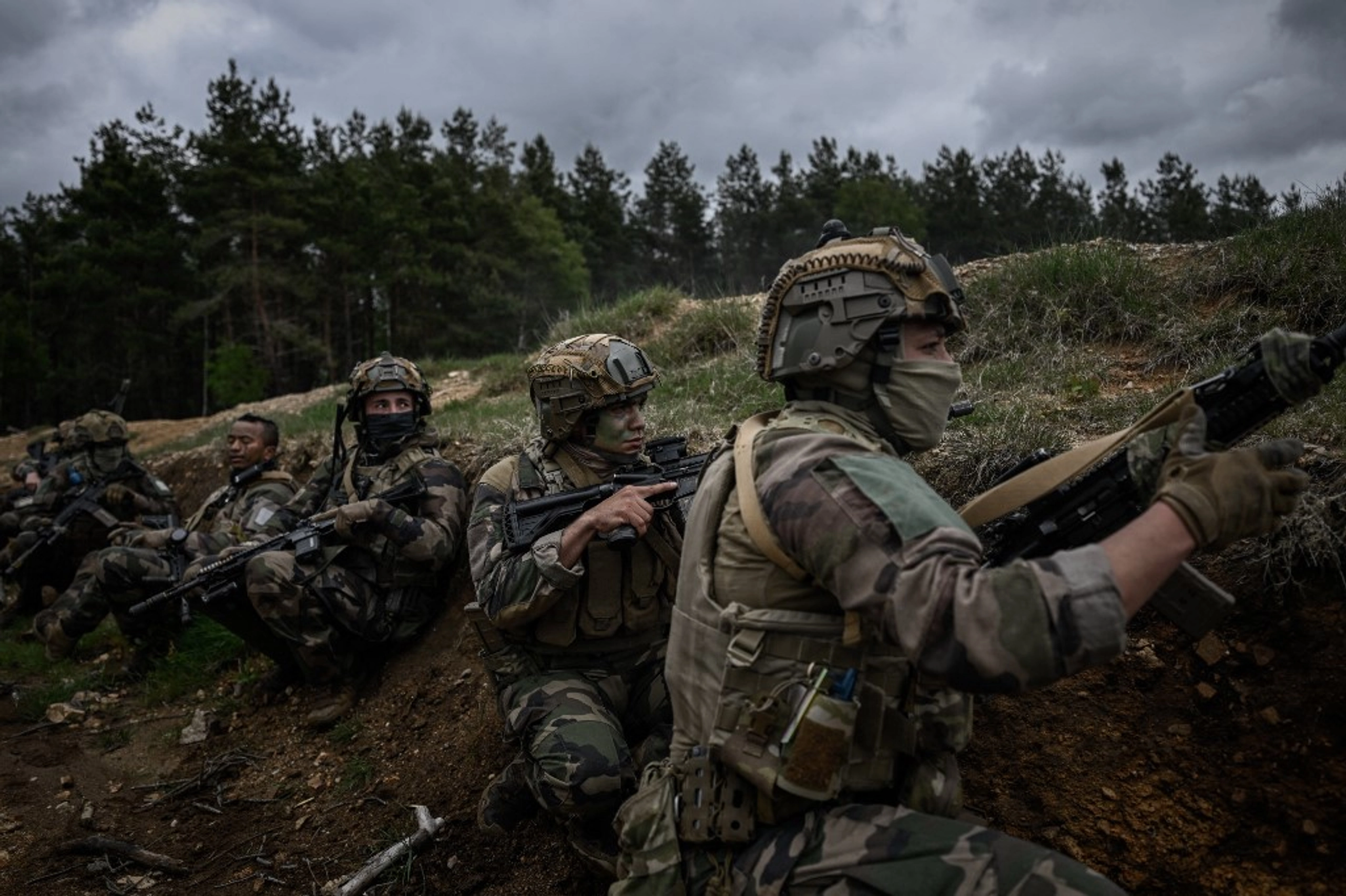
This geopolitical shift creates immediate market opportunities for cross-border sellers in three critical categories: (1) Cybersecurity and Infrastructure Protection Products - Polish officials emphasize ongoing hybrid threats from Russia, including cyberattacks, sabotage, and disinformation campaigns targeting government institutions and critical infrastructure. This drives demand for enterprise cybersecurity solutions, network monitoring equipment, and data protection services across Poland and Eastern European NATO members (Romania, Bulgaria, Croatia, Baltic states). (2) Military Modernization Supply Chain - Poland and Eastern European nations have invested heavily in military modernization since 2004, incorporating American equipment including Abrams tanks, PATRIOT systems, and F-16 fighters. The reduced U.S. military footprint accelerates demand for compatible spare parts, maintenance equipment, training materials, and logistics support products. (3) Civilian Resilience and Emergency Preparedness - NATO 3.0 framework emphasizes greater European defense responsibility and reduced long-term American troop dependence. This drives consumer demand for emergency preparedness products, backup power systems, water purification equipment, and communication devices across Eastern European markets.
The strategic implications extend beyond military procurement. Mark Hertling's analysis clarifies that American forces in Europe primarily serve U.S. strategic interests through forward positioning, operational reach, logistics infrastructure, and intelligence integration across 49 European countries and dozens of African and Middle Eastern partners. The withdrawal signals reduced U.S. commitment to European security architecture, creating a 12-24 month window where European governments accelerate domestic defense spending and infrastructure investment. Poland's Deputy Foreign Minister Marcin Bosacki acknowledged communication shortcomings but reaffirmed expectations for continued troop rotations maintaining approximately 10,000 personnel, indicating policy uncertainty that extends through 2025-2026. This creates volatility in Eastern European markets but also concentrated demand spikes as governments rush to fill capability gaps before further U.S. reductions materialize.
For cross-border sellers, the competitive advantage flows to suppliers positioned in Poland, Czech Republic, and other Eastern European manufacturing hubs that can rapidly scale production of defense-compatible products and civilian resilience equipment. Sellers with existing relationships in European defense supply chains or cybersecurity sectors can capitalize on accelerated procurement cycles. The 12-month window before policy stabilization represents a time-sensitive opportunity to establish market presence in categories experiencing 20-40% demand acceleration.
Questions 7
What market research should sellers conduct before entering Polish and Eastern European defense-adjacent markets?
Sellers should conduct competitive analysis of existing suppliers in cybersecurity, military spare parts, and emergency preparedness categories, identifying market gaps and pricing opportunities. Research Polish government procurement processes through official channels (Biuletyn Zamówień Publicznych - Public Procurement Bulletin) to understand contract cycles and requirements. Analyze NATO standardization requirements (STANAG compliance) for products targeting military or critical infrastructure customers. Evaluate currency risk—Polish zloty volatility against USD/EUR affects margin stability. Assess regulatory compliance costs for EU customs, VAT registration, and product certification. Interview existing suppliers in the region to understand relationship-building timelines (typically 6-12 months before first contracts). Finally, monitor Polish defense budget announcements and NATO strategic documents for policy changes affecting demand trajectories through 2026.
How does reduced U.S. military presence affect logistics and fulfillment operations for sellers in Eastern Europe?
The Pentagon's withdrawal reduces U.S. military logistics infrastructure in Poland and Eastern Europe, creating opportunities for private 3PL providers and cross-border sellers to establish fulfillment networks. Poland's role as a critical military and logistics hub since Russia's 2022 Ukraine invasion means existing infrastructure remains valuable for civilian e-commerce operations. Sellers should expect 10-15% increases in logistics costs through 2025 as military-grade infrastructure transitions to civilian use and government procurement accelerates. However, reduced military congestion on transportation corridors may offset some cost increases. Sellers should evaluate establishing regional fulfillment centers in Poland or Czech Republic by Q3 2025 to capture demand acceleration and reduce shipping times to Eastern European markets by 2-3 days compared to Western European fulfillment.