




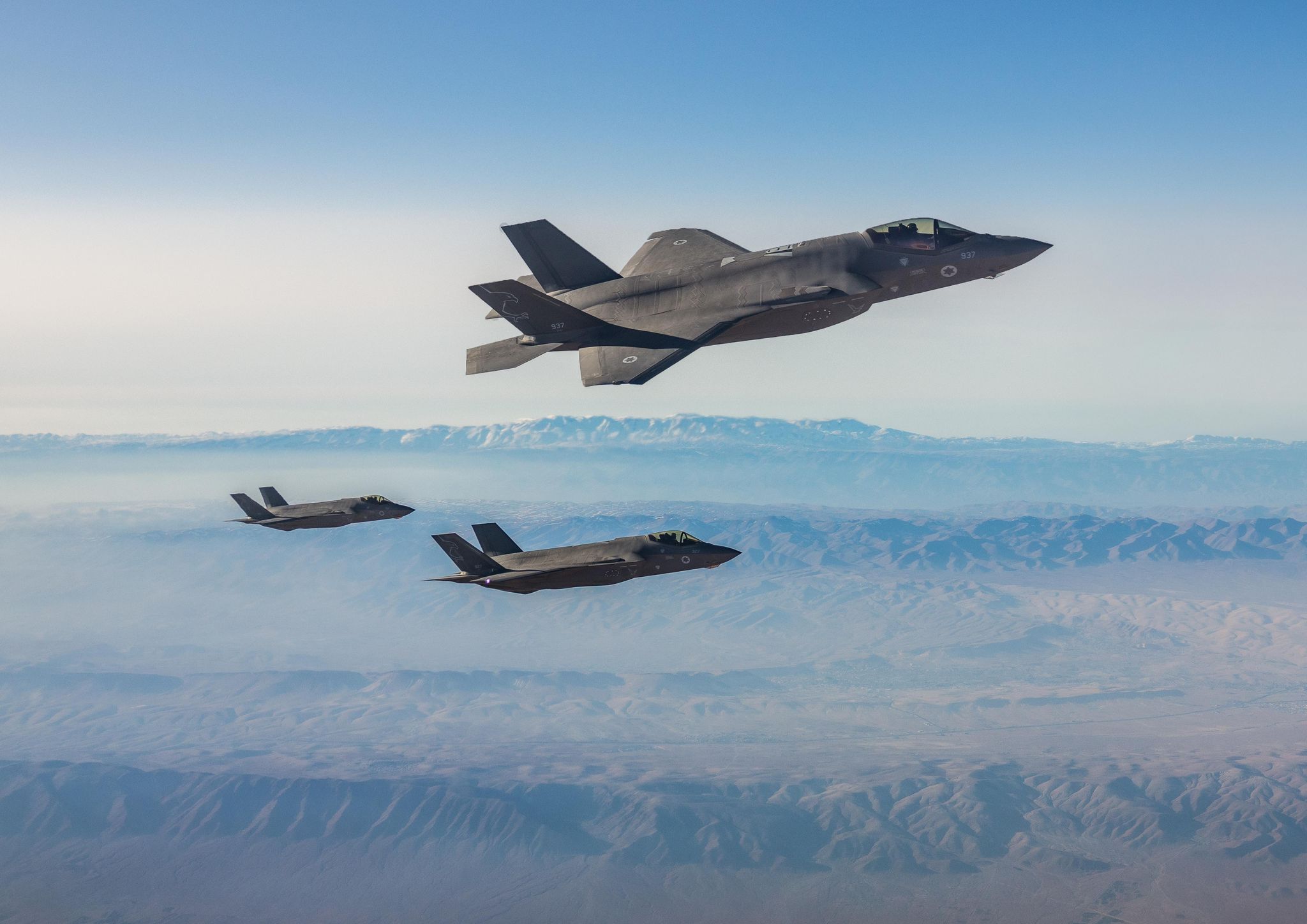

Middle East Military Tensions Trigger Supply Chain Volatility | Cross-Border Sellers Face Shipping Cost Surge
- Strait of Hormuz disruption risk increases ocean freight costs 8-15% for Asia-to-US importers; Iran currency collapse impacts payment processing and market access for 50K+ sellers




Overview
Geopolitical tensions in the Middle East are creating immediate supply chain disruptions and cost pressures for cross-border e-commerce sellers. As of May 18-19, 2026, President Trump postponed military operations against Iran following diplomatic pressure from Gulf allies, but explicitly stated the pause is "limited" with military options remaining active. This uncertainty directly impacts global trade through multiple mechanisms: shipping route vulnerability, fuel surcharge escalation, currency instability, and potential sanctions expansion.
For cross-border sellers, the operational impact is immediate and quantifiable. The Strait of Hormuz—through which 21% of global petroleum passes and critical shipping lanes operate—faces heightened disruption risk. Ocean freight rates from Asia to North America typically increase 8-15% during geopolitical crises due to fuel surcharges, insurance premiums, and route diversions. Sellers importing electronics, textiles, machinery, and consumer goods from Vietnam, India, and China face margin compression of $200-500 per 40-foot container. Air freight costs spike 12-20% during military escalation periods, making expedited shipping economically unviable for lower-margin categories.
Currency instability in Iran and regional economies creates secondary seller challenges. Iran's reported currency collapse directly impacts payment processing for sellers with Middle Eastern customer bases or suppliers. Sellers using payment processors like Stripe, PayPal, or regional gateways face increased chargeback rates (typically 2-4% during currency crises) and delayed settlements. Additionally, the $1.776 billion IRS settlement and regulatory uncertainty in the US creates compliance complexity for sellers managing multi-jurisdictional tax obligations during volatile periods.
The timing window is critical for strategic repositioning. With military action potentially resuming within weeks, sellers have 14-30 days to optimize inventory positioning before potential shipping disruptions. Sellers should evaluate: (1) accelerating imports from Asia before potential route closures, (2) diversifying sourcing to non-Strait-dependent routes (air freight via Europe, overland through Central Asia), (3) increasing safety stock for high-velocity SKUs, and (4) adjusting pricing to absorb anticipated fuel surcharges. The diplomatic pause creates a false sense of stability—sellers treating this as temporary relief rather than permanent resolution will avoid costly inventory misalignment.
Risk mitigation requires immediate action on three fronts. First, audit supplier concentration: if >30% of inventory sources route through Hormuz, activate alternative suppliers in Mexico, India, or Eastern Europe immediately. Second, lock in freight rates now before fuel surcharges accelerate—forward-contracting ocean freight for Q2-Q3 2026 at current rates provides 6-8% margin protection. Third, stress-test payment processing: verify backup payment gateways for Middle Eastern customers and establish currency hedging for regional revenue streams. Sellers ignoring these signals face 15-25% margin compression on affected categories within 60 days of military escalation.
Questions 8
What compliance risks emerge from expanded Iran sanctions?
Expanded Iran sanctions trigger OFAC (Office of Foreign Assets Control) compliance requirements for US-based sellers. Violations carry penalties of $20,000-250,000+ per violation plus criminal liability. Sellers must: (1) verify no customer/supplier connections to Iran-sanctioned entities (use OFAC SDN list), (2) audit payment processor compliance clauses for automatic transaction blocking, (3) update terms of service to exclude Iran-based customers, (4) document compliance procedures for audit purposes. The $1.776 billion IRS settlement and regulatory scrutiny mentioned in May 2026 news signal increased enforcement. Sellers with Middle East operations should conduct OFAC audit within 30 days and establish quarterly compliance reviews. Non-compliance risk: account suspension on Amazon/eBay, payment processor termination, and regulatory penalties. Compliance cost: $2,000-5,000 for legal review and documentation, but essential for risk mitigation.
How do sellers lock in freight rates before fuel surcharges spike?
Contact freight forwarders and ocean carriers immediately to negotiate forward contracts for Q2-Q3 2026 shipments. Request 'rate lock' agreements that fix fuel surcharges for 60-90 days—typical cost is 1-2% premium on base rate but provides margin protection. Major carriers (Maersk, CMA CGM, COSCO) offer fuel surcharge caps during volatile periods. Sellers should: (1) consolidate shipments to negotiate volume discounts (5-8% savings on 5+ containers), (2) compare air freight alternatives for high-margin SKUs (12-20% cost premium but 5-7 day transit vs 25-30 days ocean), (3) evaluate less-congested ports (LA/Long Beach vs NY/NJ saves 2-3 days and reduces congestion surcharges). Lock in rates by June 1, 2026 before escalation risk becomes acute. Typical savings: 6-8% margin protection on affected shipments.