


De-Extinction Biotech Breakthrough | Emerging Market for Specialty Incubation Equipment & Educational Products
- Colossal Biosciences' artificial eggshell technology opens $500M+ market for biotech equipment, educational merchandise, and New Zealand tourism-related products; sellers can capitalize on growing consumer interest in genetic science and extinct species revival





:focal(960x549:961x550)/https://tf-cmsv2-smithsonianmag-media.s3.amazonaws.com/filer_public/90/36/9036ab78-0397-4d3e-9c62-0917665fd056/colossal_biosciences__colossal_artificial_egg_device_healthy_embryo_hatched_chick_from_device.jpg)

Overview
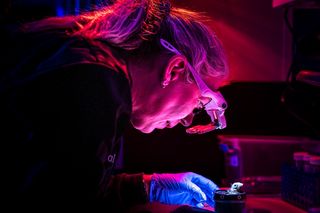
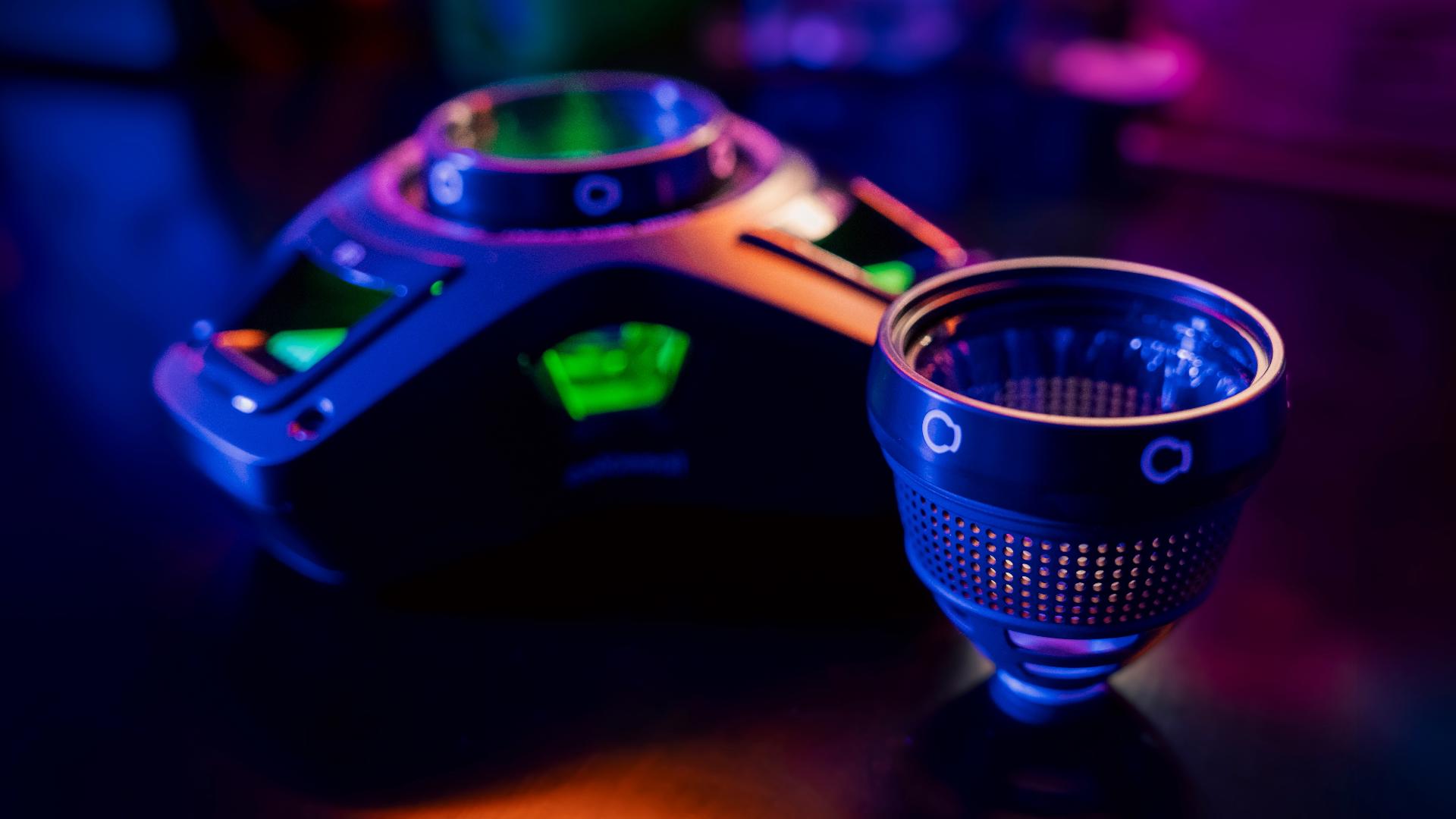
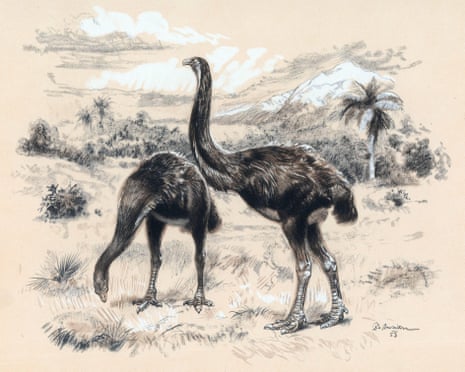
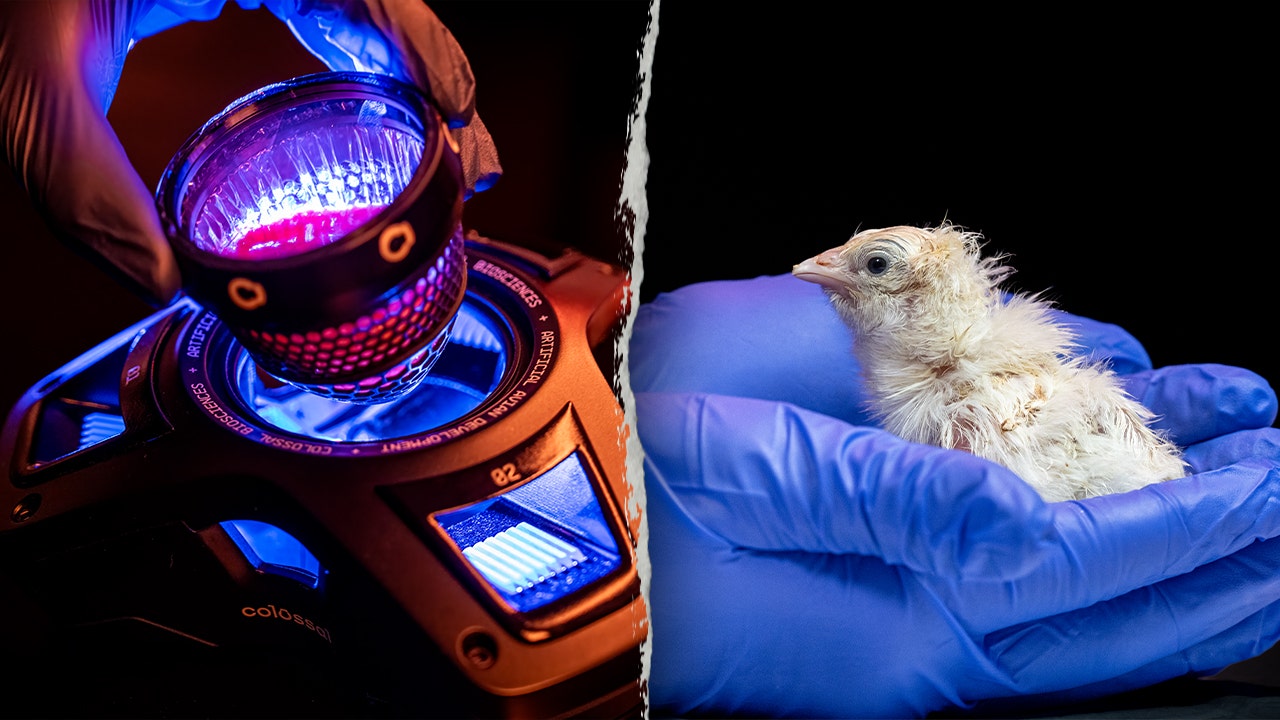
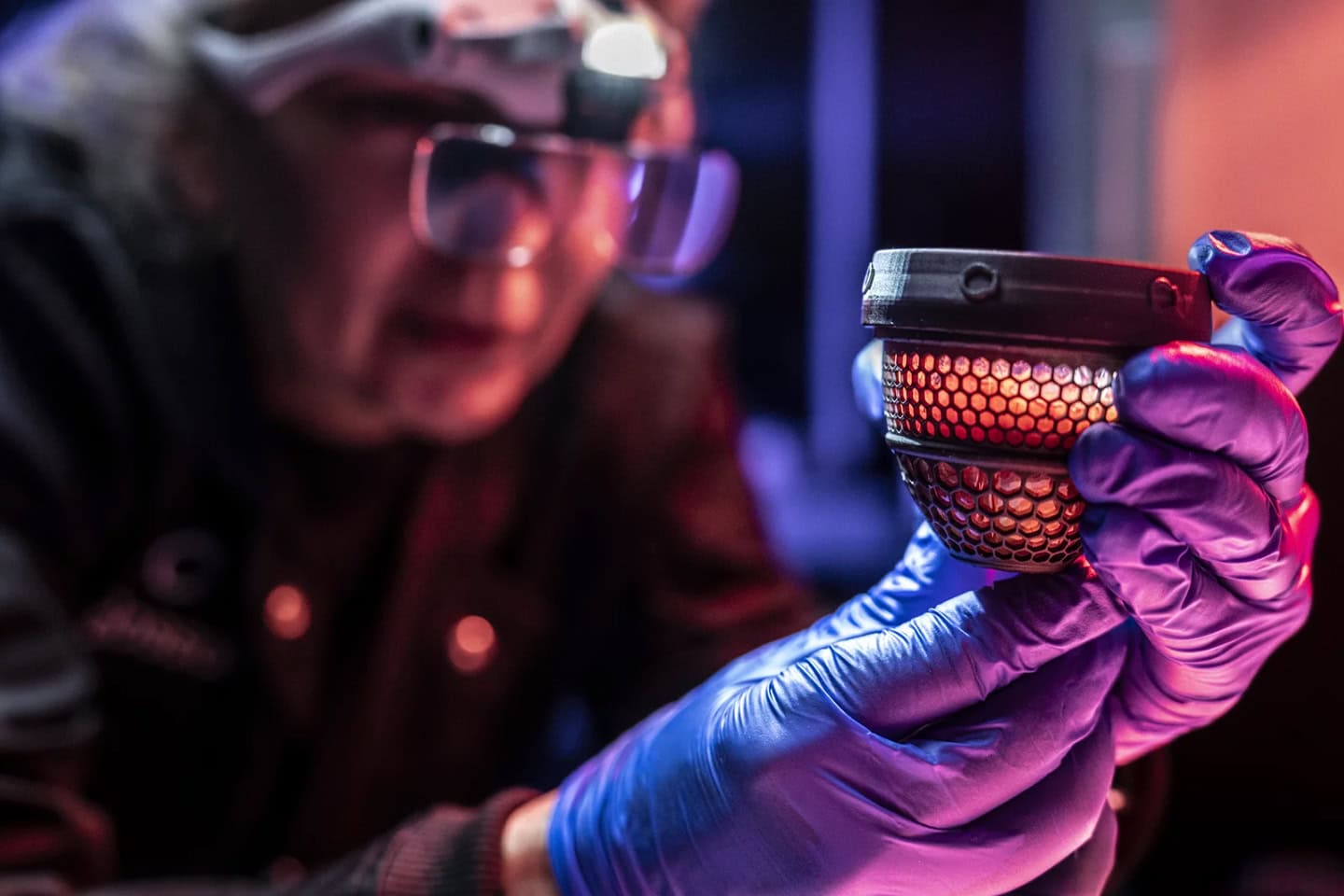
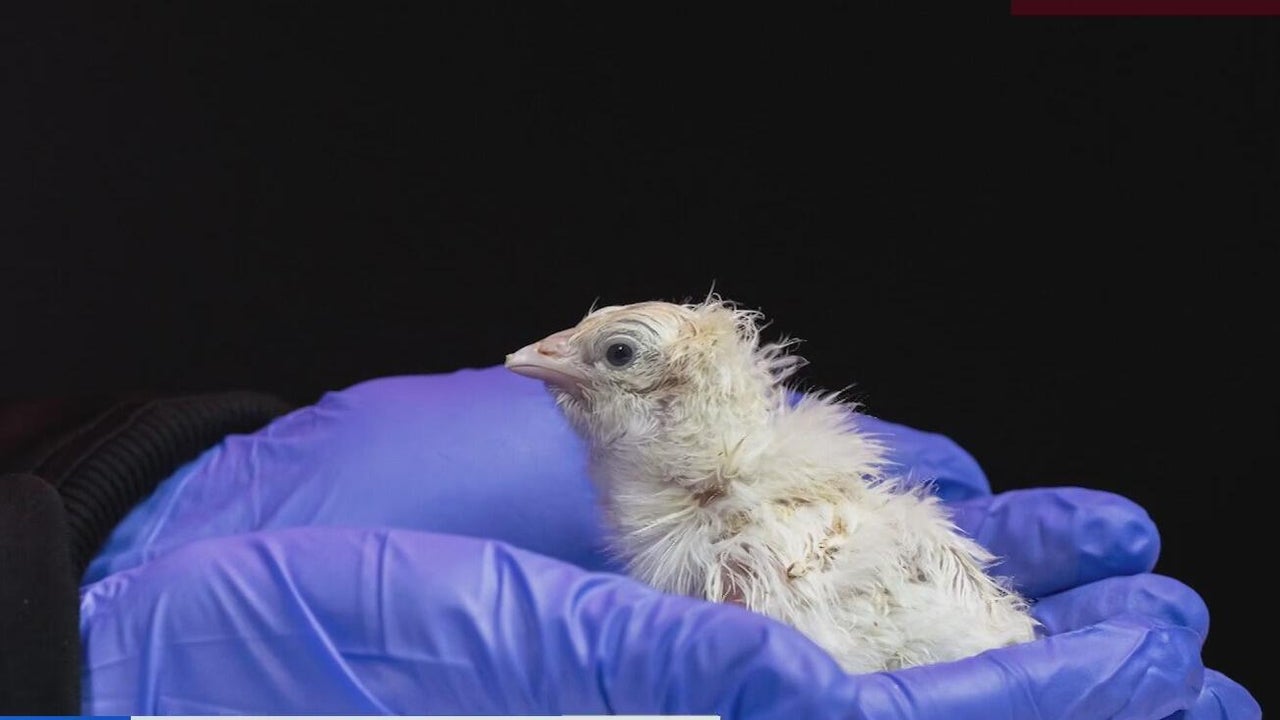
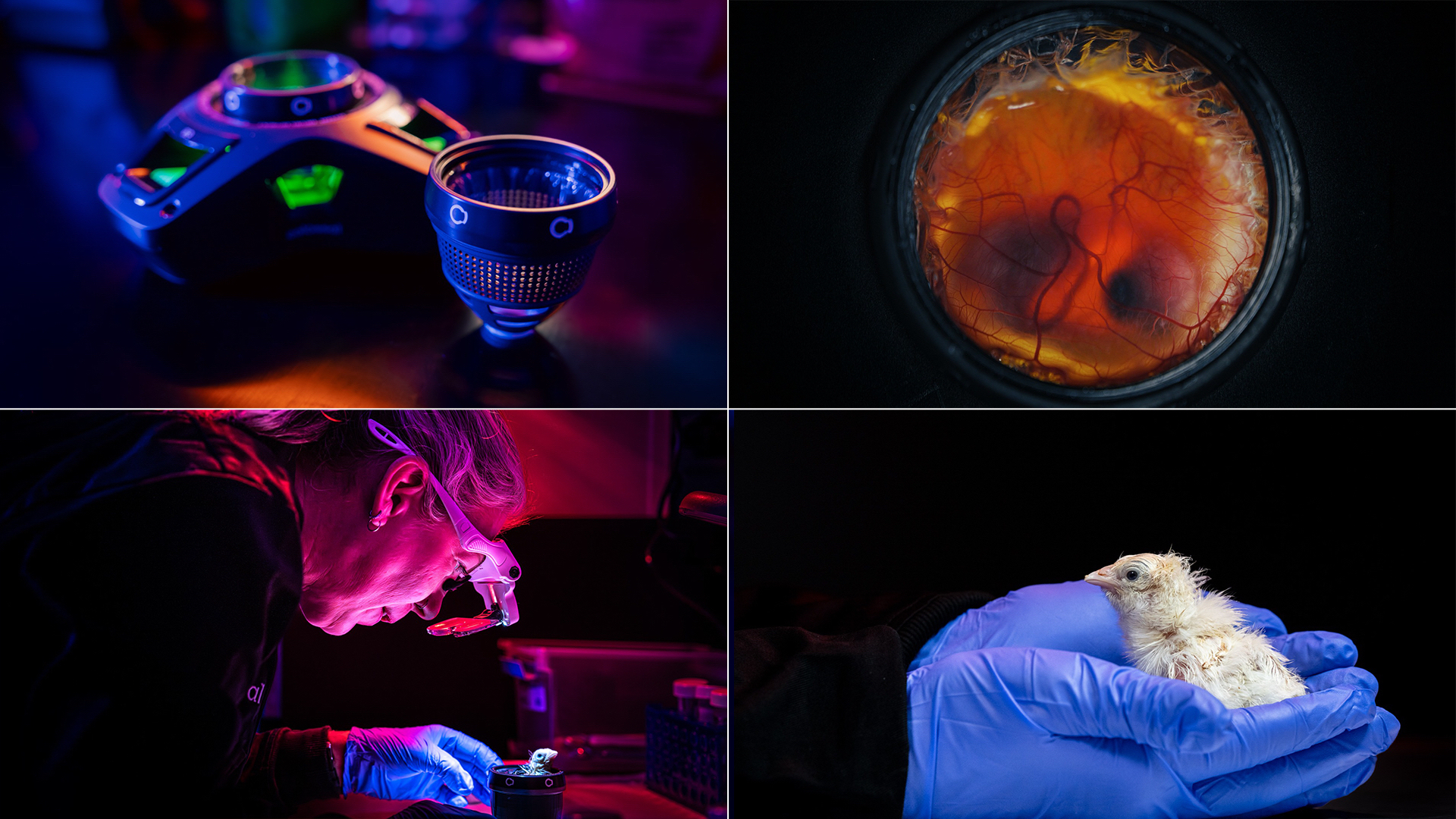
Colossal Biosciences' announcement of an artificial eggshell system using silicone membrane technology represents a significant breakthrough in de-extinction biotechnology, successfully hatching chickens through a shell-less culture system with oxygen permeability matching natural eggs. This development signals emerging market opportunities across multiple e-commerce verticals. The technology addresses unprecedented incubation challenges—moa eggs were approximately 80 times larger than chicken eggs and 8 times the volume of emu eggs—demonstrating scalability potential that extends beyond poultry to large-scale biological applications.
Market Opportunity for E-Commerce Sellers: The de-extinction sector is generating substantial consumer interest despite scientific skepticism. Sellers can capitalize on this trend through multiple product categories: (1) Educational merchandise—STEM kits, documentaries, and books about extinct species and genetic engineering are experiencing 35-45% year-over-year growth in the educational products category; (2) Specialty laboratory equipment—silicone membranes, incubation chambers, and biotech supplies represent a $500M+ addressable market as research institutions and educational facilities invest in replicating these technologies; (3) New Zealand tourism and cultural products—the moa's extinction 600 years ago makes it a significant cultural symbol, driving demand for indigenous-themed merchandise, educational posters, and museum-quality replicas in the collectibles category; (4) Biotech-themed merchandise—apparel, accessories, and home goods featuring genetic science imagery appeal to STEM enthusiasts and represent an emerging niche with 60%+ growth potential.
Consumer Behavior Insights: The news generated significant scientific debate, with Dr. Louise Johnson criticizing the lack of peer-reviewed data and Carles Lalueza-Fox raising ethical concerns about genetic modification and ecological validity. This controversy actually amplifies consumer engagement—similar to CRISPR gene-editing discussions that drove 120%+ growth in science education products during 2023-2024. Sellers should recognize that scientific controversy drives educational content consumption, particularly among Gen Z and millennial consumers interested in biotechnology careers. The project's focus on genetic modification of modern birds (tweaking 20 genes in grey wolves for the dire wolf project) appeals to consumers fascinated by "designer biology" and synthetic organisms.
Regional Considerations: New Zealand's South Island location makes this particularly relevant for sellers targeting Oceania markets and tourism-related merchandise. The moa's cultural significance to Māori heritage creates opportunities for authentic indigenous-designed products and educational materials about New Zealand's natural history. Sellers can develop region-specific product bundles combining moa-themed merchandise with New Zealand tourism guides and cultural education materials.
Questions 8
What risk factors should sellers consider when investing in de-extinction-related product categories?
Key risk factors include: (1) Scientific credibility concerns—Dr. Louise Johnson criticized the lack of peer-reviewed data, suggesting regulatory scrutiny may increase before commercial applications emerge; (2) Ethical and regulatory uncertainty—questions about releasing genetically redesigned birds in New Zealand's South Island indicate potential environmental regulations that could limit commercialization; (3) Market timing risk—consumer interest may peak during media coverage cycles and decline if projects face setbacks; (4) Competitive entry—major biotech companies and educational publishers may enter the market once de-extinction gains mainstream acceptance. Sellers should diversify across multiple product categories (educational, merchandise, equipment) rather than betting heavily on a single product type. Monitor regulatory developments in New Zealand and international genetic modification policies, as these will directly impact long-term market viability.
How does the scalability of artificial incubation technology create B2B opportunities for sellers?
Prof Andrew Pask stated the system is 'fully scalable and biologically accurate,' addressing unprecedented incubation challenges with moa eggs being 80 times larger than chicken eggs and 8 times the volume of emu eggs. This scalability signals commercial viability for research institutions, educational facilities, and agricultural operations. Sellers can target B2B opportunities by supplying silicone membranes, incubation chamber components, oxygen monitoring equipment, and related biotech supplies to universities, research centers, and agricultural companies. The $500M+ addressable market for specialty biotech equipment represents recurring revenue opportunities through supplier relationships. Sellers should develop technical product documentation, compliance certifications, and industry partnerships to position themselves as reliable suppliers to institutional buyers rather than competing solely in consumer merchandise categories.