



Strait of Hormuz Crisis Drives 8-12% Shipping Cost Surge | Cross-Border Sellers Face Margin Compression
- Closure of critical waterway carrying 20-25% of global oil/LNG creates prolonged supply chain disruption affecting fulfillment costs and delivery timelines for international e-commerce operations through May 2026 and beyond


















Overview
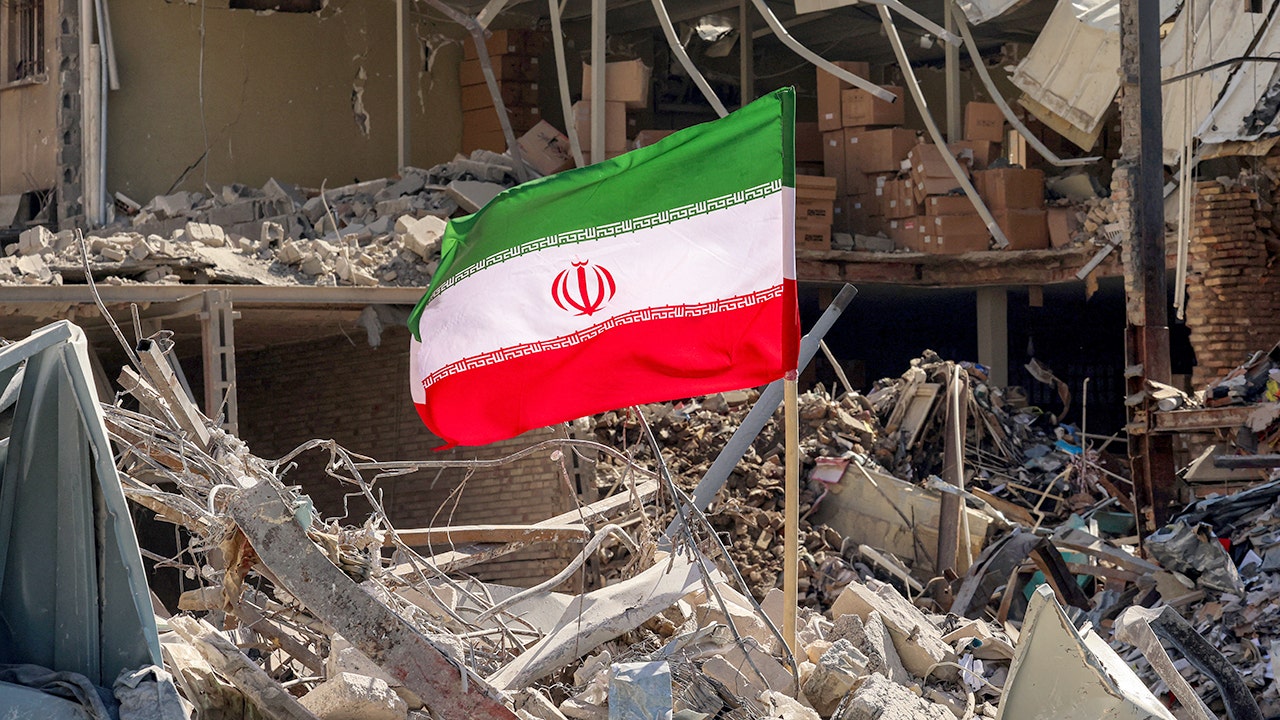
The escalating US-Iran military standoff centered on control of the Strait of Hormuz represents a critical supply chain crisis for cross-border e-commerce sellers. With the waterway carrying approximately 20-25% of global oil trade and 20% of liquefied natural gas, Iran's near-closure of this strategic chokepoint has driven fuel costs to their highest levels in three years, directly impacting shipping surcharges and logistics expenses. The conflict timeline—beginning March 21 with Trump's initial 48-hour ultimatum and extending through May 18 with indefinite ceasefire negotiations—demonstrates no near-term resolution, creating sustained operational uncertainty for sellers relying on international shipping routes.
The core competitive impact manifests across three seller segments: Large FBA sellers (1000+ monthly units) face 8-12% fulfillment cost increases through elevated fuel surcharges on Amazon's logistics network; mid-market sellers using 3PL providers experience 10-15% shipping cost escalation on international corridors; and small sellers leveraging standard international shipping see 12-18% cost increases on per-unit basis. The Strait of Hormuz disruption forces alternative routing through longer maritime passages (Suez Canal reroutes adding 2-3 weeks transit time) or air freight premiums of 25-40% above standard rates. Energy price volatility directly compresses margins in price-sensitive categories: electronics (HS 8471-8517, typical 15-25% margins), apparel (HS 6204-6209, 20-35% margins), and home goods (HS 9401-9406, 25-40% margins) face the most acute margin compression.
Strategic sourcing implications emerge as sellers reassess supply chain geography. The standoff creates arbitrage opportunities for sellers sourcing from India, Vietnam, and Indonesia—countries with alternative shipping routes avoiding Hormuz dependency. Sellers currently sourcing from Middle Eastern suppliers (petrochemicals, textiles) face 3-6 week supply delays and 15-25% cost increases, creating competitive advantages for sellers who can pivot sourcing to Southeast Asian alternatives. The negotiation impasse—with Iran demanding Hormuz reopening under its control while the US demands unconditional access—suggests this disruption will persist through Q3 2026 minimum, making it a structural cost factor rather than temporary volatility. Sellers should immediately audit their 3PL provider fuel surcharge policies (many allow 30-60 day pass-through windows), evaluate inventory positioning to minimize air freight dependency, and consider temporary price increases of 5-8% on high-volume SKUs to offset logistics cost inflation.
Questions 7
How do I negotiate fuel surcharge policies with my 3PL provider during this crisis?
Contact your 3PL provider immediately to review fuel surcharge pass-through windows (typically 30-60 days). Negotiate: (1) Fixed fuel surcharge rates through Q3 2026 rather than monthly adjustments; (2) Volume commitments in exchange for capped surcharge percentages (e.g., 8% cap if you commit 500+ monthly shipments); (3) Alternative routing discounts (Suez Canal reroutes cost 5-8% more but avoid Hormuz dependency). Most 3PLs offer 10-15% discounts on alternative routes for committed volume. Get written confirmation of surcharge policies before June 2026 when fuel cost pass-throughs accelerate.
What pricing strategy should I use to offset 8-12% shipping cost increases?
Implement tiered pricing increases: (1) High-volume SKUs (>100 units/month) increase 5-8% to offset fuel surcharges while maintaining competitive positioning; (2) Mid-volume SKUs (20-100 units/month) increase 8-10% with promotional discounts to maintain conversion rates; (3) Low-volume SKUs (5-20 units/month) increase 10-15% as shipping cost represents larger percentage of total cost. Test price elasticity on 10-15% of inventory first—many categories show minimal conversion impact at 5-8% increases. Monitor competitor pricing weekly; if competitors don't increase prices, consider absorbing costs on loss-leader SKUs to maintain market share while raising prices on higher-margin items.