


NATO Defense Spending Surge 2025-2035 | Cross-Border Supplier Opportunities in Nordic & European Markets
- €4B+ Swedish military procurement signals 3-5% annual defense budget growth across NATO, creating supply chain opportunities for industrial components, logistics services, and specialized equipment suppliers targeting government contracts and defense-adjacent B2B markets












Overview
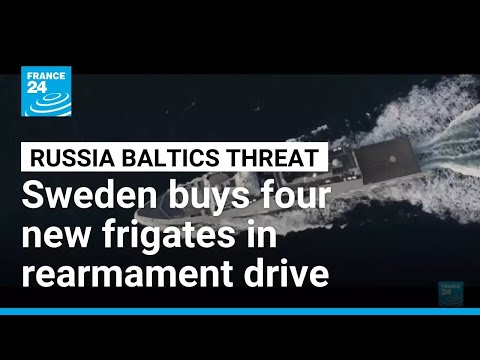
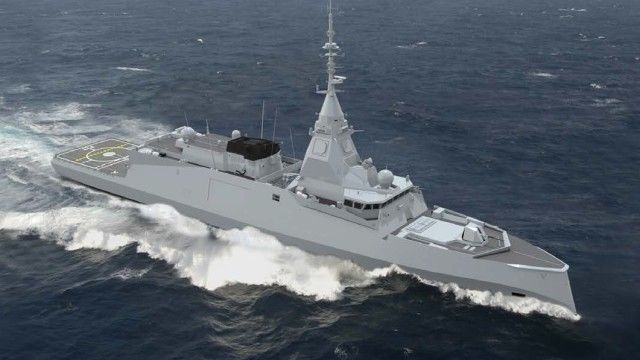
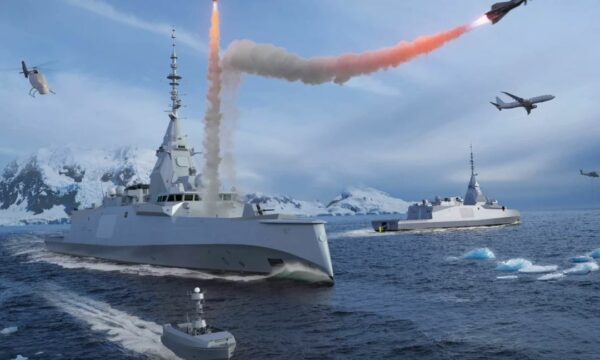
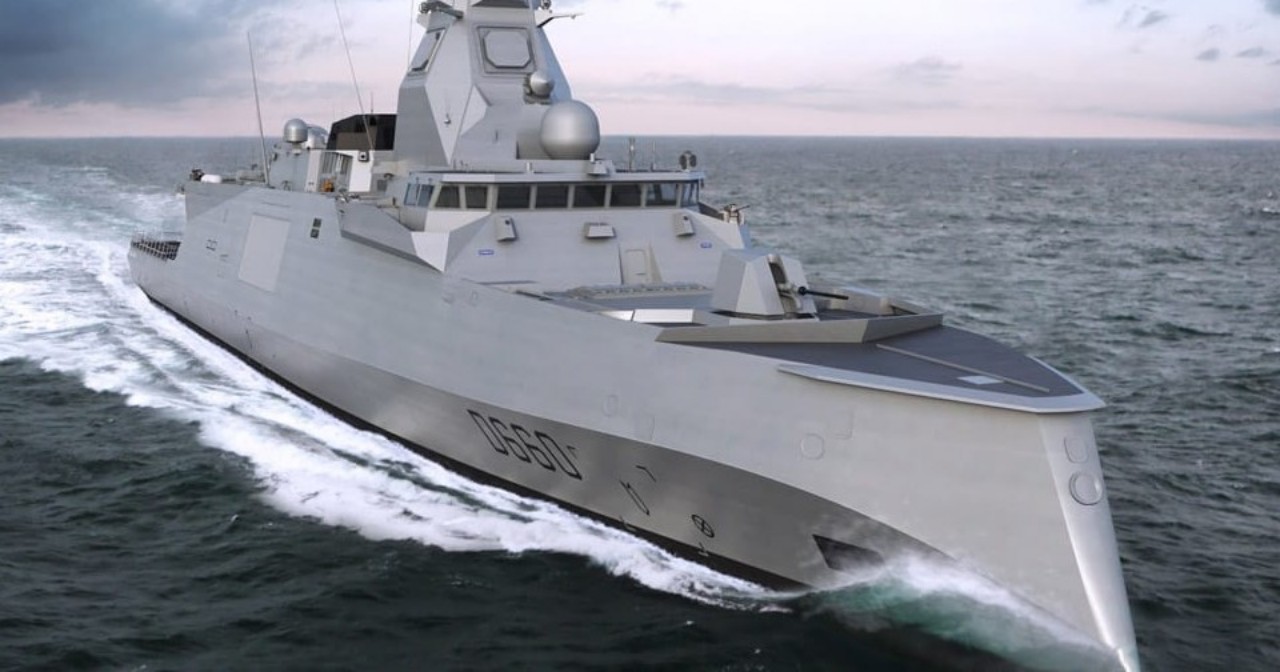
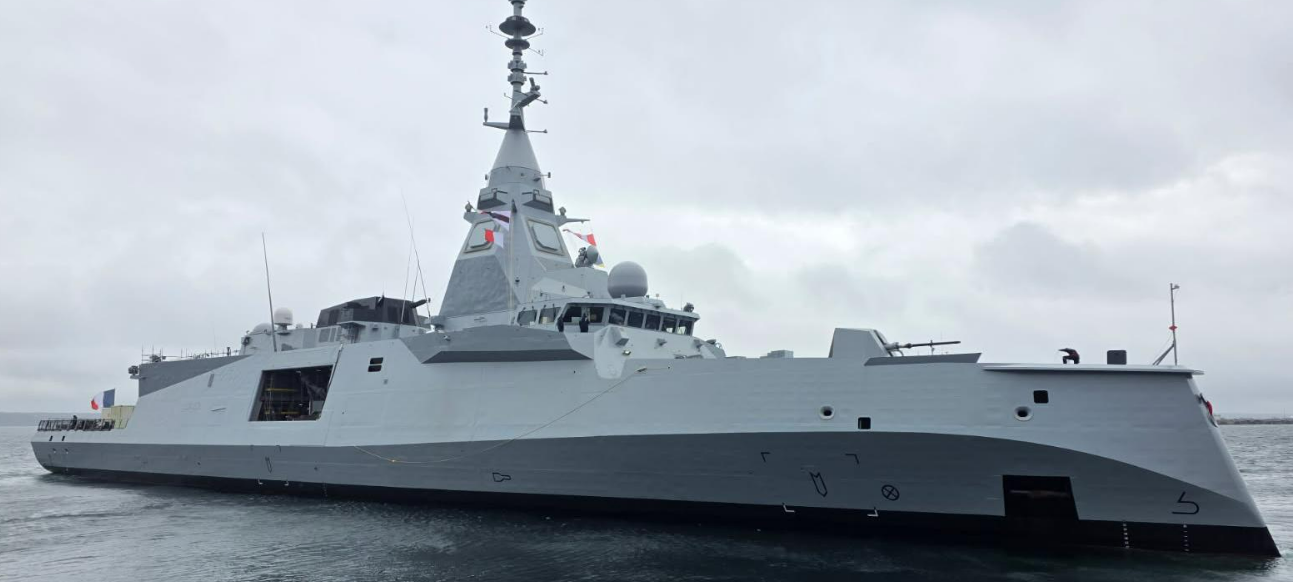
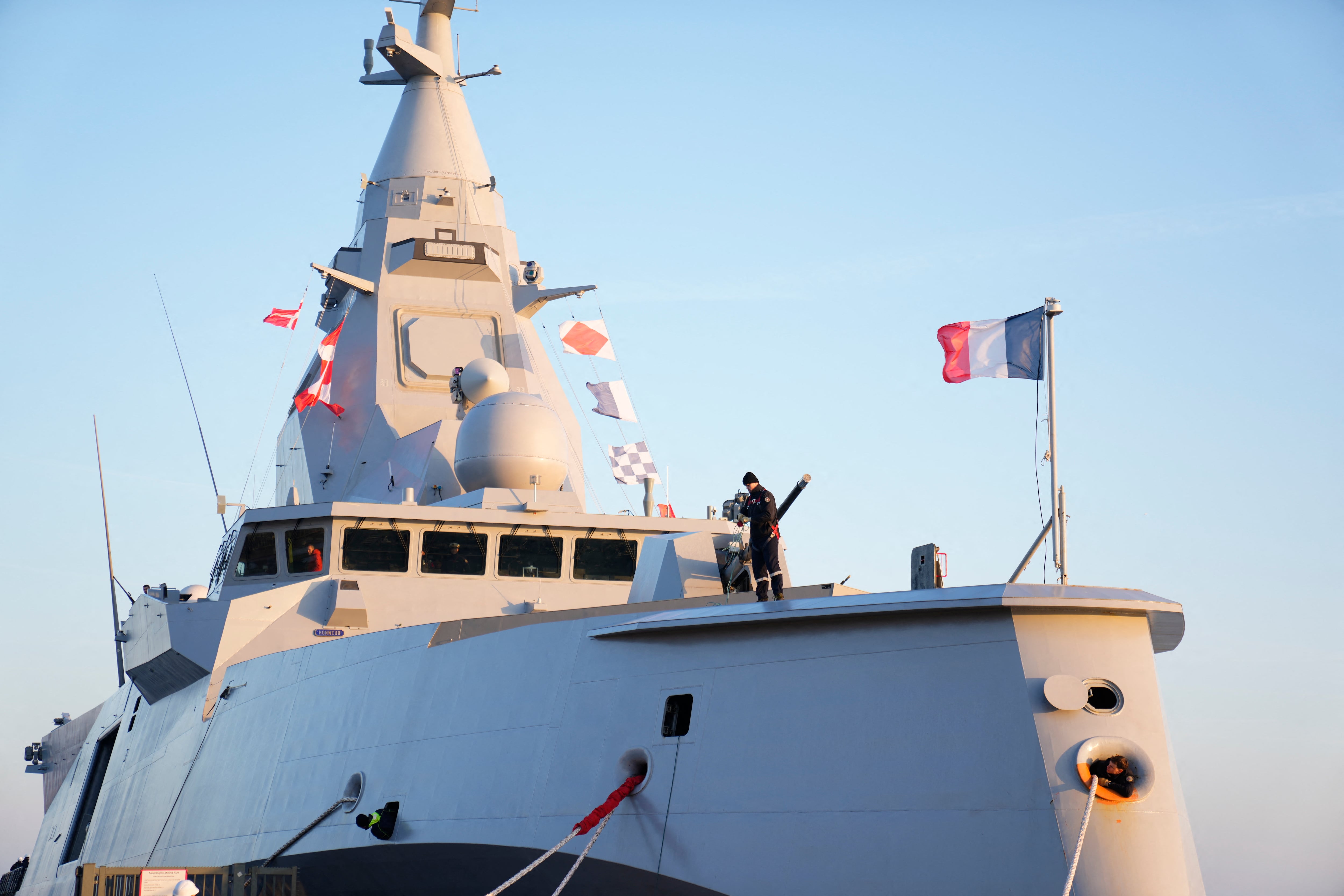
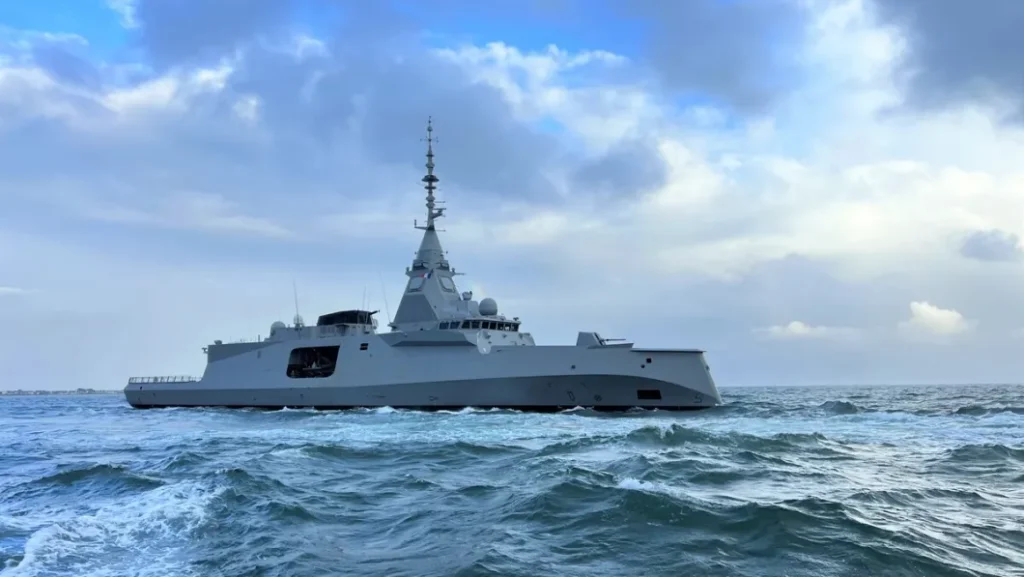
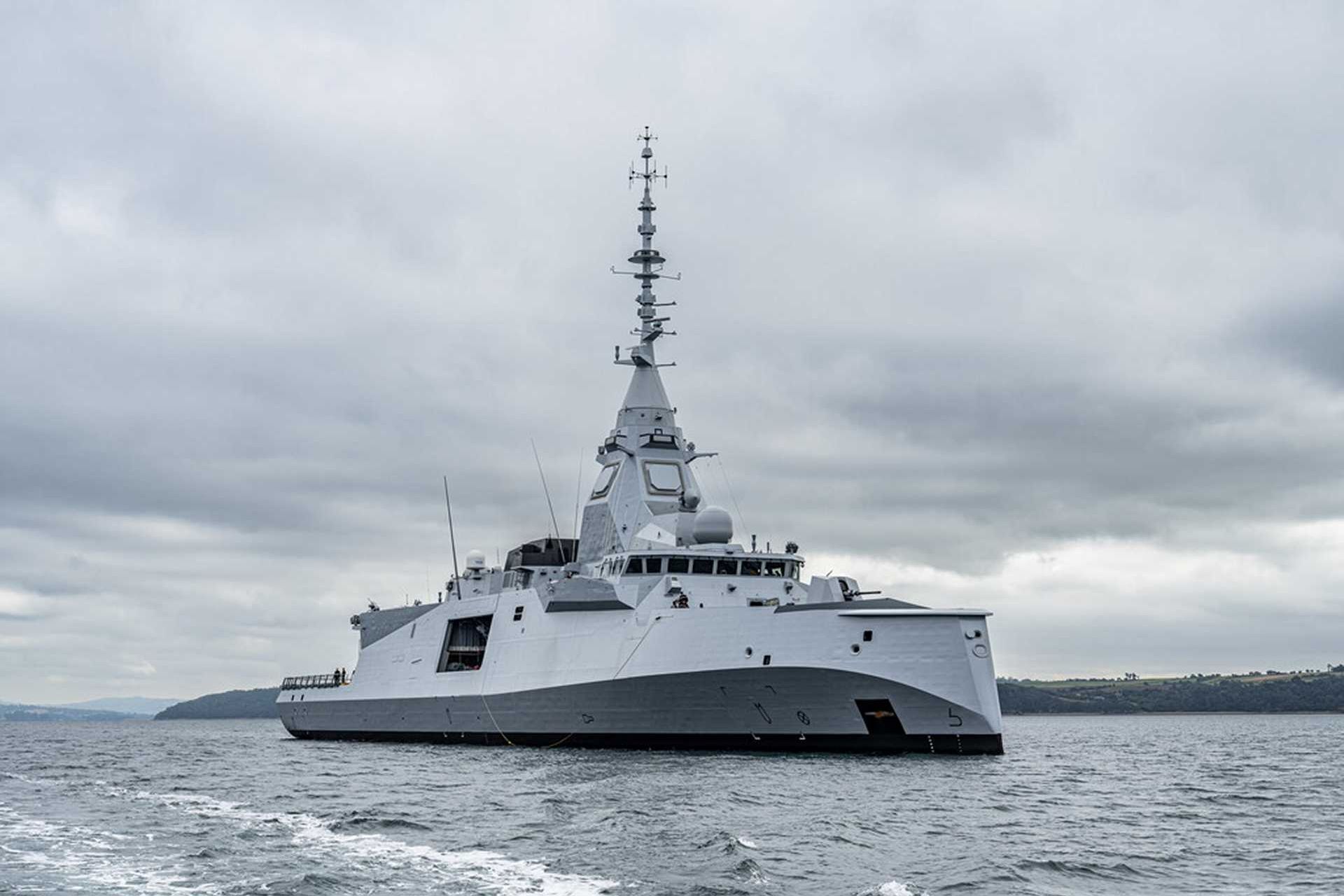
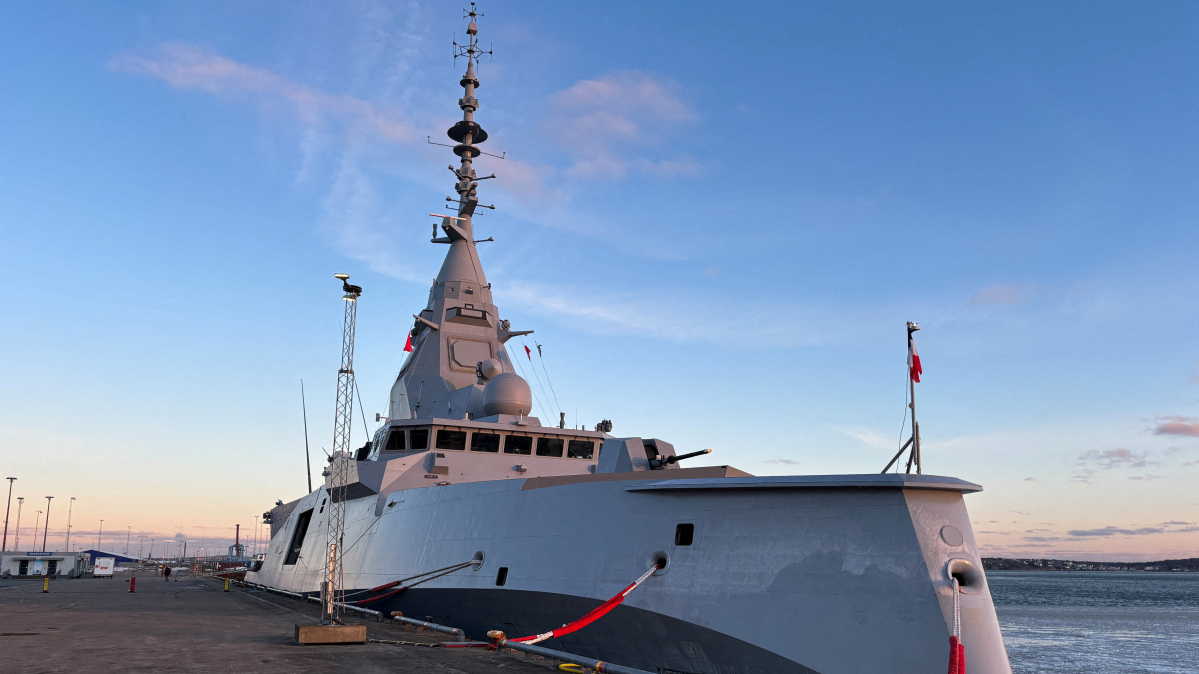
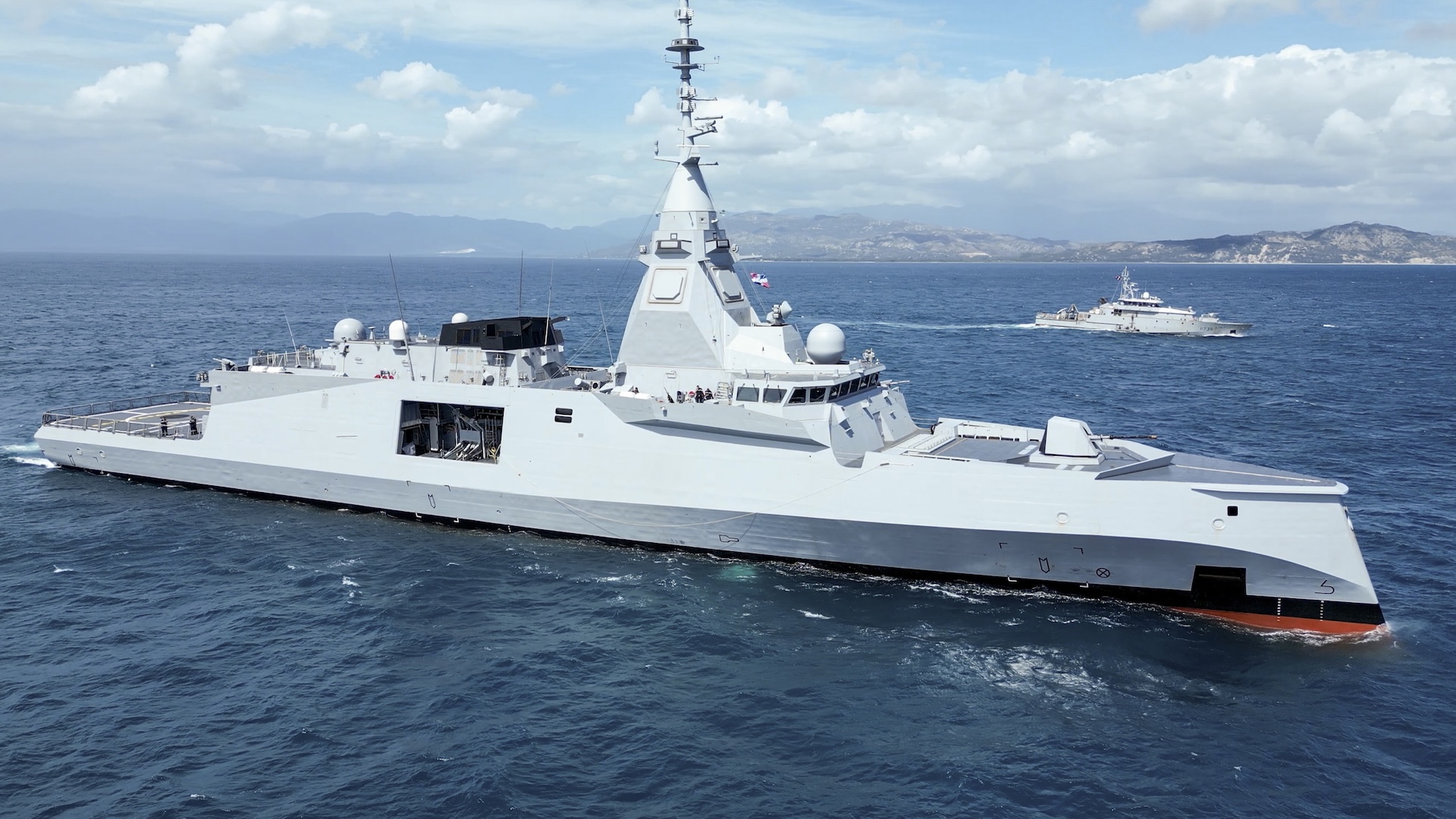
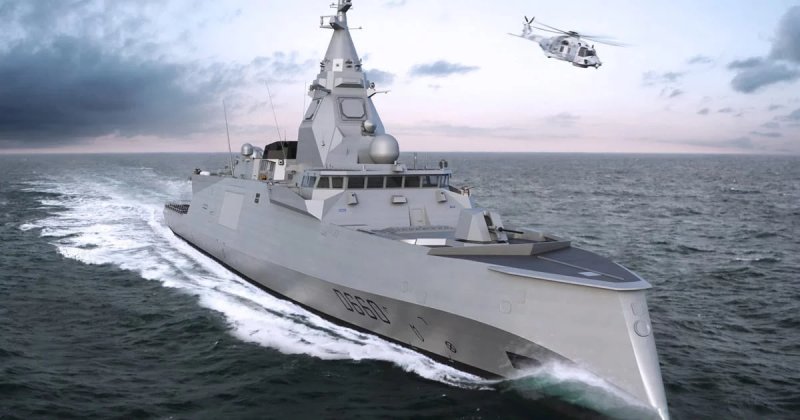
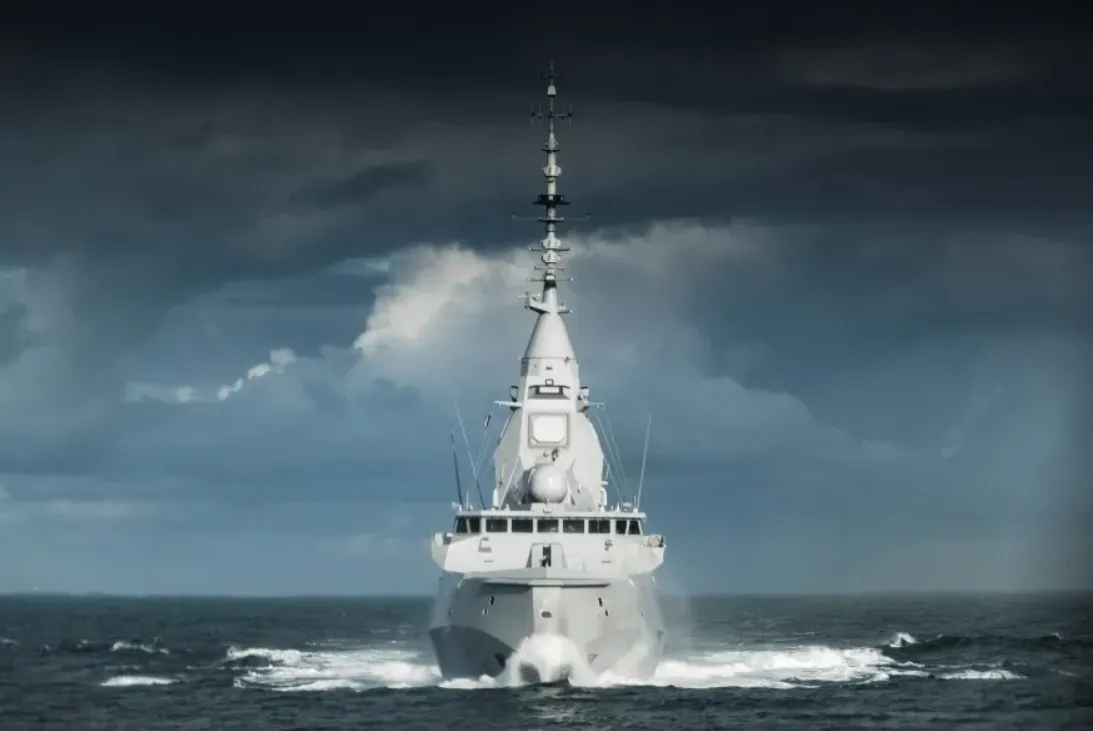
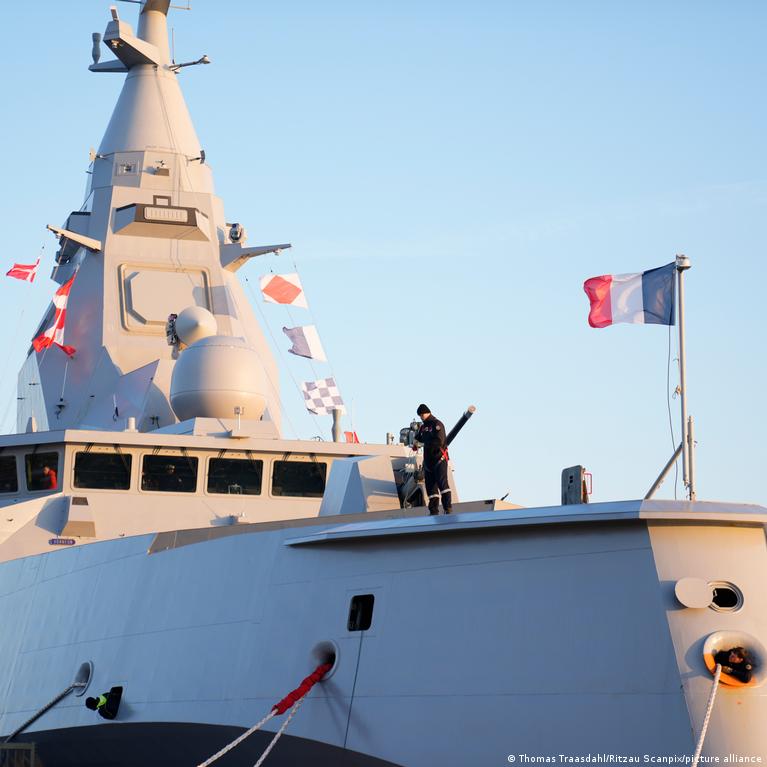
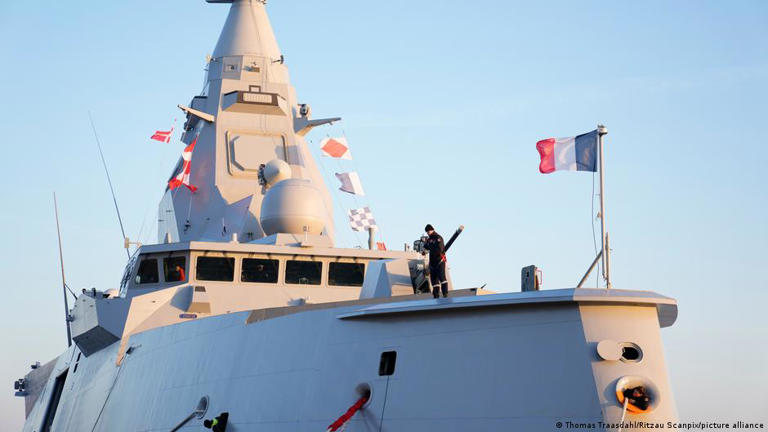
Sweden's €4 billion frigate procurement announcement (May 2026) represents a critical inflection point for cross-border sellers targeting European government and defense-adjacent markets. The decision to purchase four FDI-class frigates from France's Naval Group, with deliveries spanning 2030-2035, signals sustained defense spending acceleration across NATO members committed to reaching 3.5-5% GDP defense budgets by 2030-2035. This €4.25 billion Swedish investment—the nation's largest military procurement since the 1980s—catalyzes broader European defense modernization worth an estimated €200-300B across NATO members through 2035.
Market Access Opportunity: Sweden's NATO membership (March 2024) and defense spending commitment create new procurement corridors for industrial suppliers. The frigate program integrates Swedish weapons systems from Saab, demonstrating cross-border technology collaboration that extends to supply chains. Sellers specializing in industrial components (HS codes 8407-8409: engines/turbines), electronics (HS 8542-8544: semiconductors/wiring), and specialized materials can target Swedish defense contractors and their supply networks. The 2030-2035 delivery timeline creates 4-6 year procurement windows for component suppliers, with contract values ranging from €50M-500M per major system.
Competitive Dynamics & Tariff Arbitrage: The selection of France's Naval Group over Spanish Navantia and the Babcock-Saab consortium reveals procurement preferences favoring rapid delivery timelines and proven systems integration. This signals opportunities for suppliers offering accelerated production capabilities and modular component designs. EU-based suppliers gain tariff advantages (0% intra-EU duties on industrial goods) versus non-EU competitors, creating 8-15% cost advantages for sellers with EU manufacturing or distribution hubs. German defense contractors (Rheinmetall, Hensoldt) saw 5-8% stock gains following the announcement, indicating market recognition of expanded procurement pipelines.
Strategic Sourcing Shifts: The broader NATO defense spending surge (2% to 5% GDP by 2035) creates sourcing diversification opportunities away from traditional defense-industrial concentrations. Poland's submarine procurement and expanded regional defense cooperation signal emerging supply chains in Central/Eastern Europe. Sellers can exploit tariff differentials by establishing distribution networks in Poland, Czech Republic, and Hungary (lower labor costs, EU tariff-free access) to serve Nordic and Baltic defense contractors. The 3.5% GDP spending target across NATO members represents €150-200B annual procurement capacity by 2030, with 40-60% allocated to equipment, components, and services.
Compliance & Market Entry: Government defense procurement requires specific certifications (NATO ITAR equivalents, EU defense procurement directives, Swedish military standards). Sellers must navigate complex compliance frameworks, but early movers establishing certifications gain 18-24 month first-mover advantages before competitors enter. The May 2026 announcement provides 4-year runway to secure certifications and establish supplier relationships before 2030 delivery commencement. Risk mitigation requires monitoring Swedish defense ministry procurement portals and EU defense procurement databases for component RFQs (Request for Quotations) beginning 2027-2028.
Questions 8
How does Sweden's €4 billion frigate procurement create supply chain opportunities for cross-border sellers?
Sweden's May 2026 announcement to purchase four FDI-class frigates with 2030-2035 delivery timelines creates 4-6 year procurement windows for industrial component suppliers. The program integrates Swedish weapons systems from Saab, requiring specialized electronics (HS 8542-8544), engines/turbines (HS 8407-8409), and materials suppliers. Component contract values range €50M-500M per major system. EU-based suppliers gain 8-15% tariff advantages (0% intra-EU duties) versus non-EU competitors, making early supplier certification critical. Sellers should monitor Swedish defense ministry procurement portals beginning 2027-2028 for component RFQs.
What is the broader NATO defense spending opportunity through 2035?
NATO's 2025 decision to increase defense spending from 2% to 5% of GDP by 2035 creates €150-200B annual procurement capacity by 2030. Sweden's commitment to reach 3.5% GDP spending by 2030 is part of broader European defense modernization worth €200-300B through 2035. German defense contractors (Rheinmetall, Hensoldt) saw 5-8% stock gains following Sweden's announcement, indicating market recognition of expanded procurement pipelines. This represents sustained demand for industrial components, electronics, and specialized equipment across NATO members through the 2030s.