
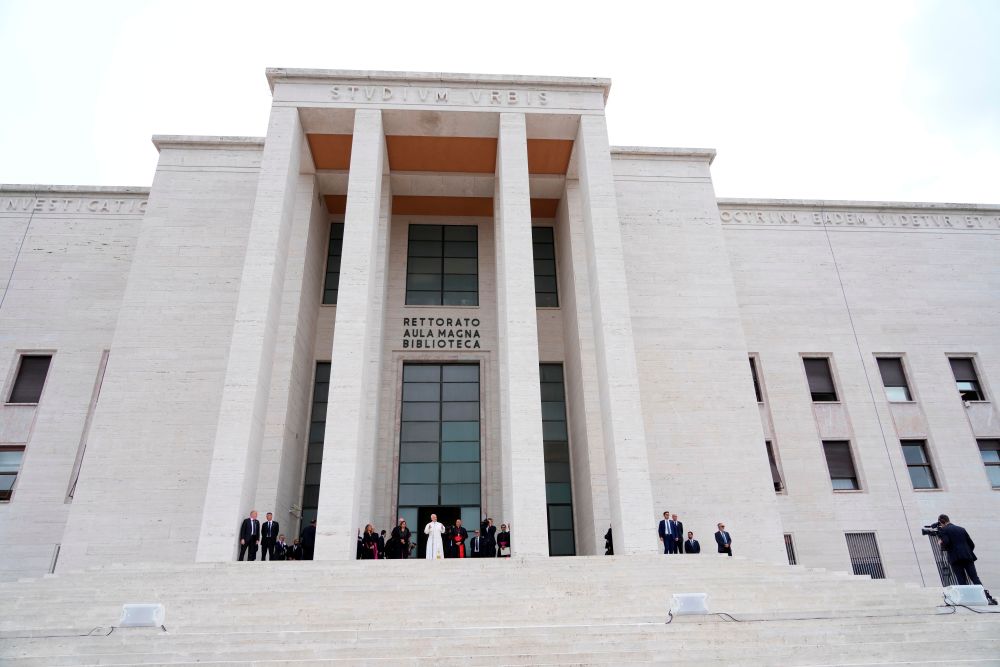

Vatican AI Encyclical May 25 | Regulatory Shift Reshaping E-Commerce Compliance
- Pope Leo XIV's "Magnifica Humanitas" encyclical signals incoming AI governance frameworks affecting 2M+ sellers in Catholic-majority markets across Europe and Latin America by Q3 2025
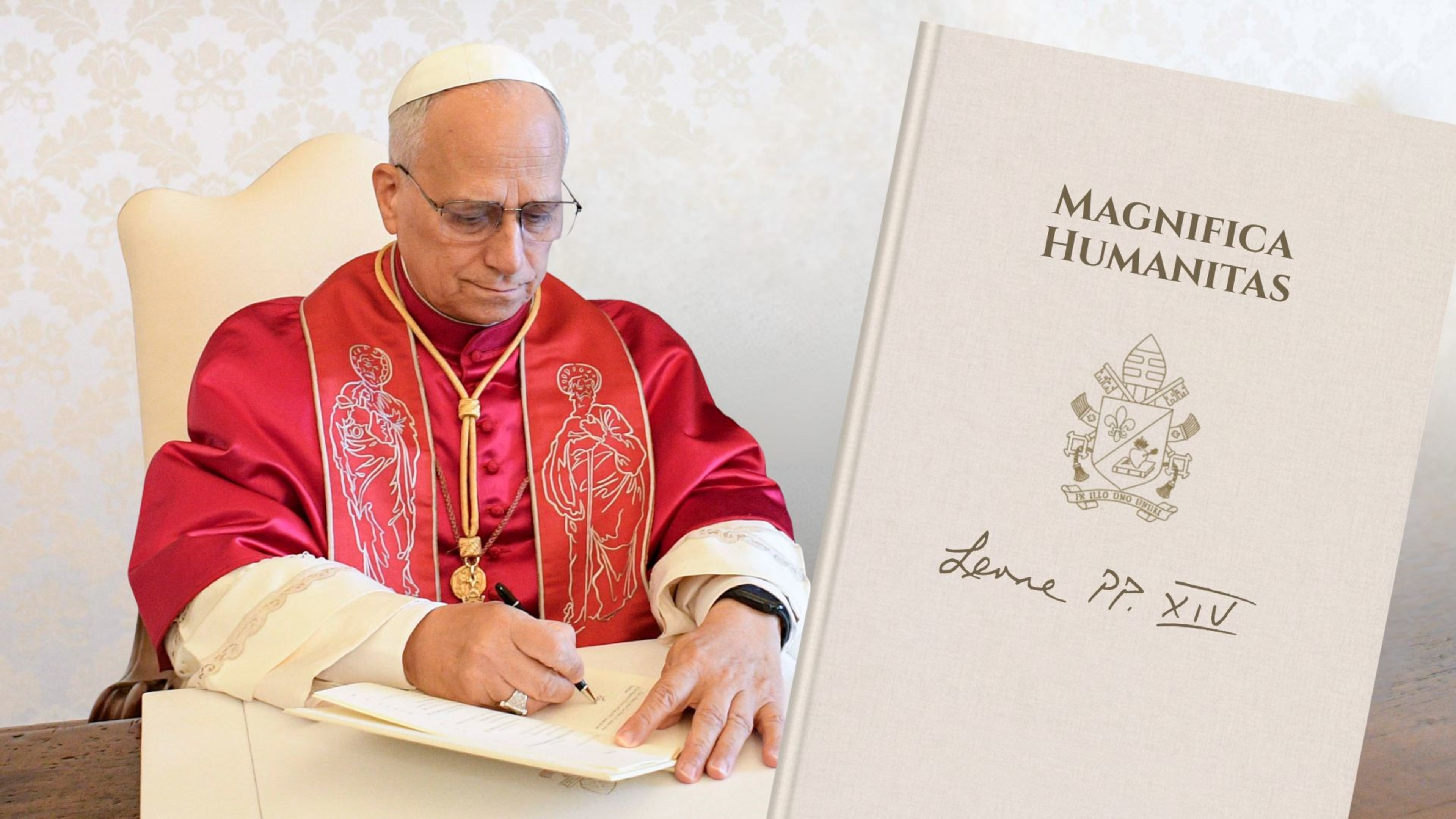


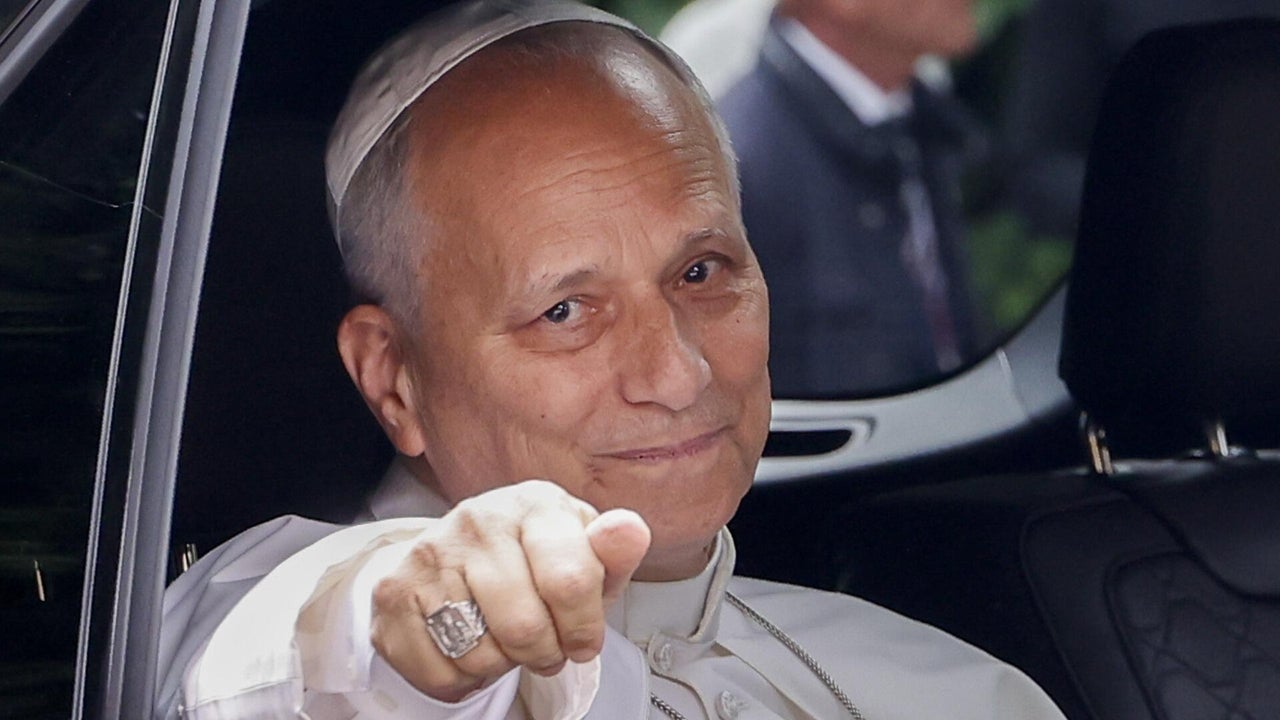
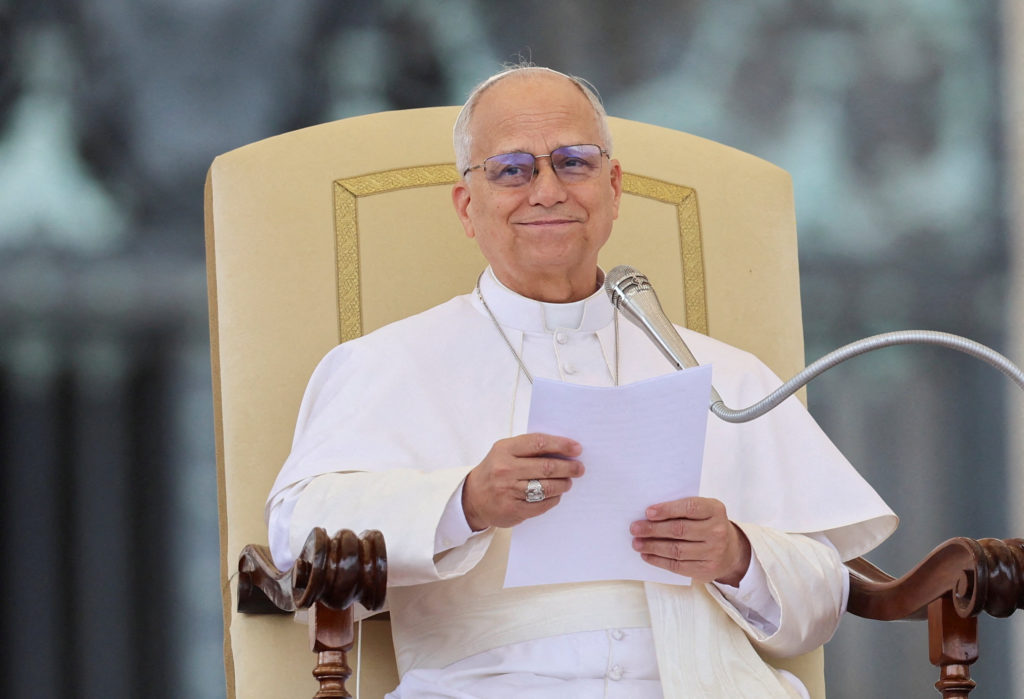

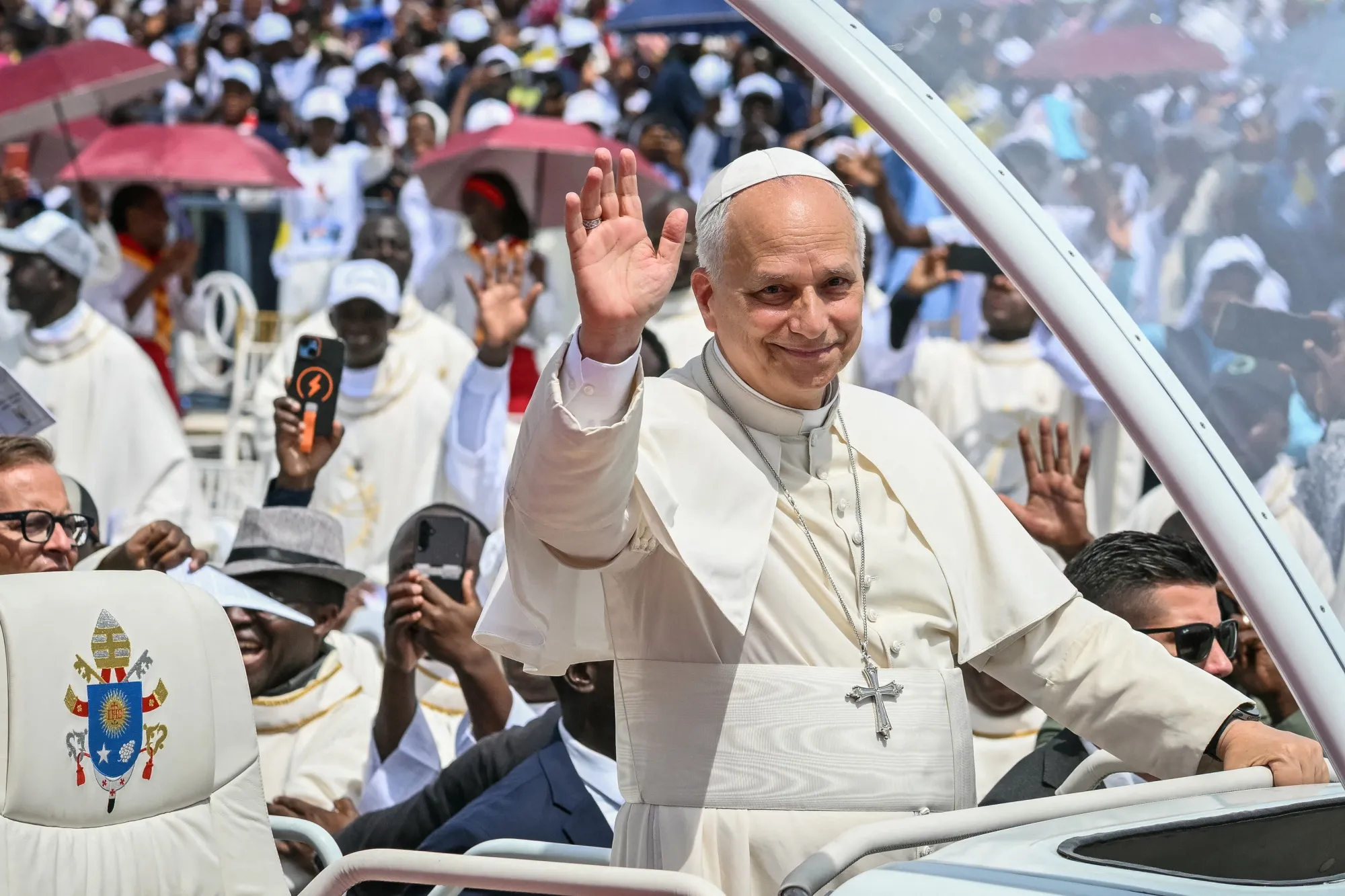

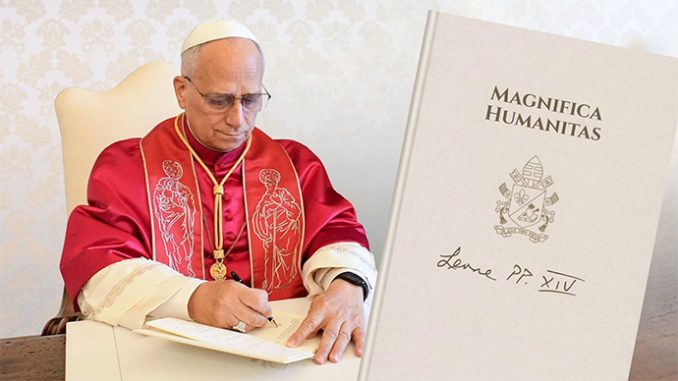











-2026051102535826.jpg)
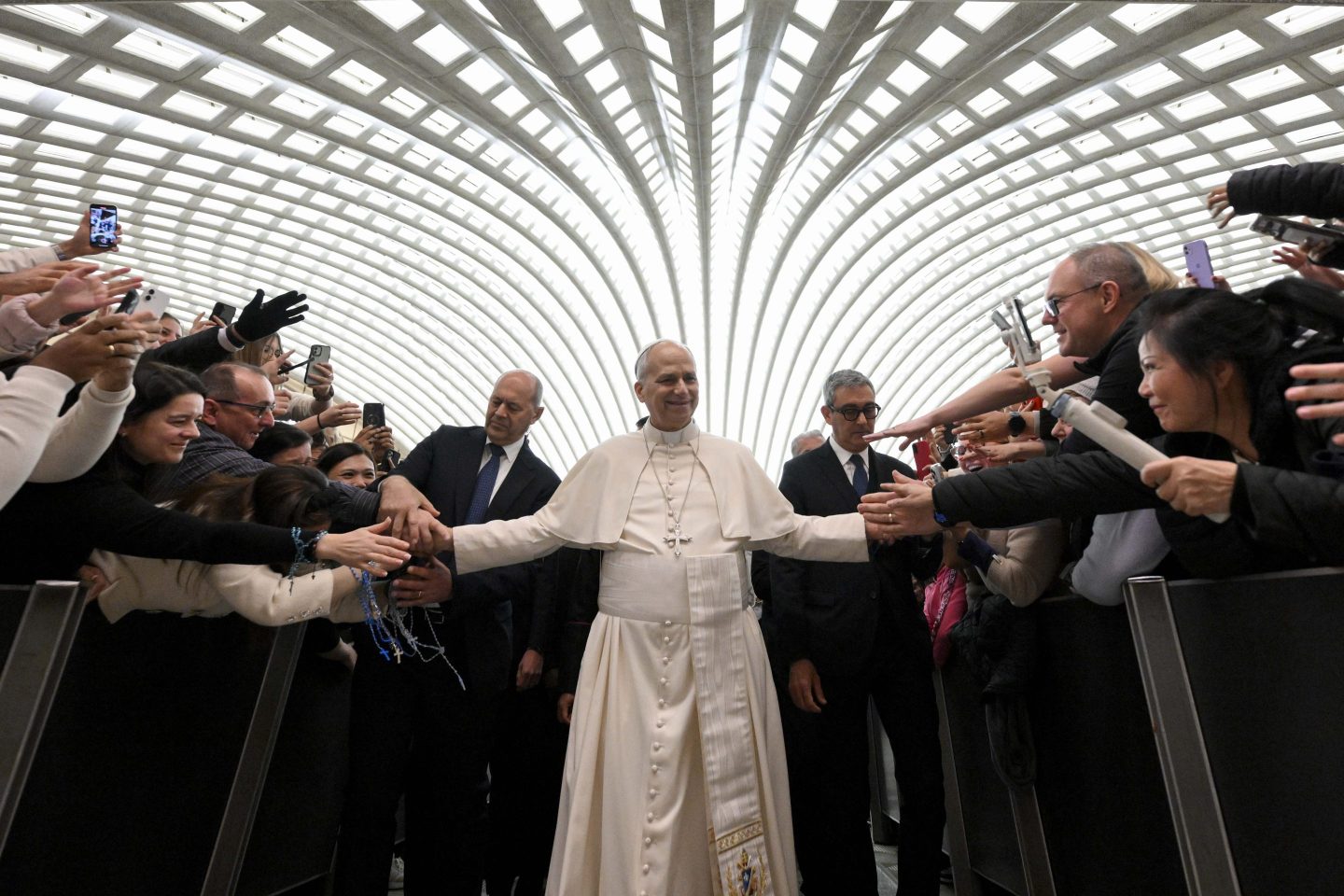



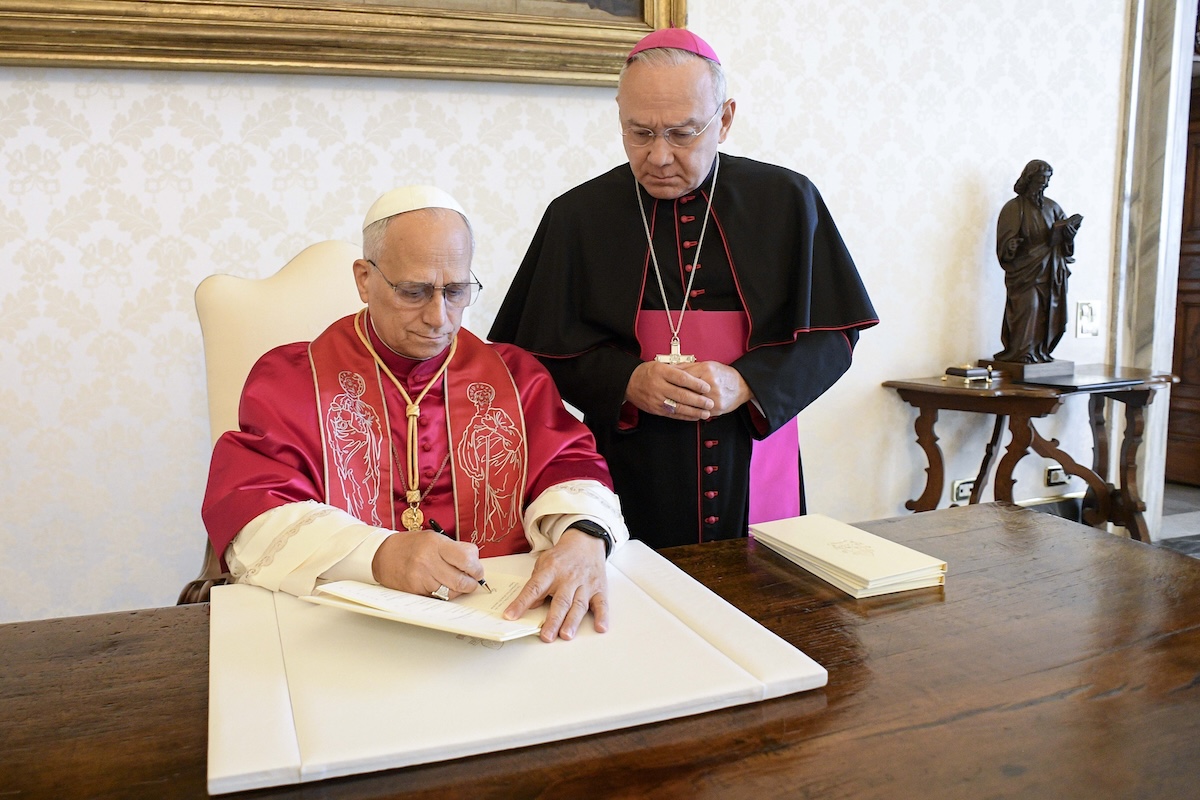
Overview
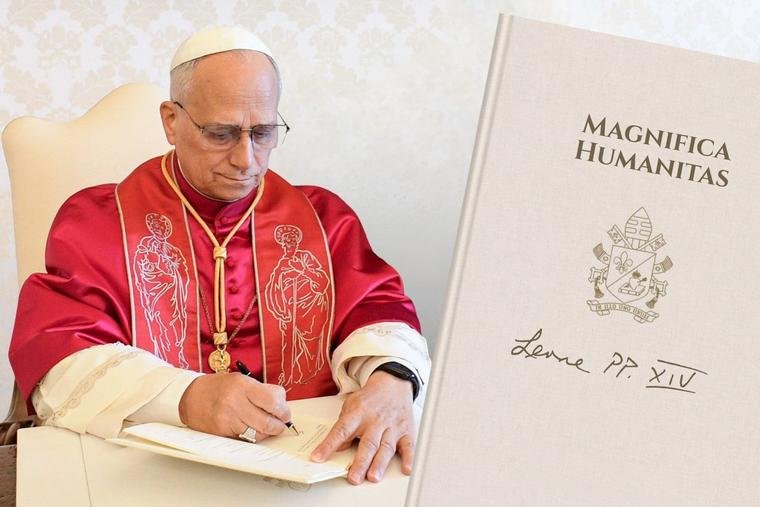
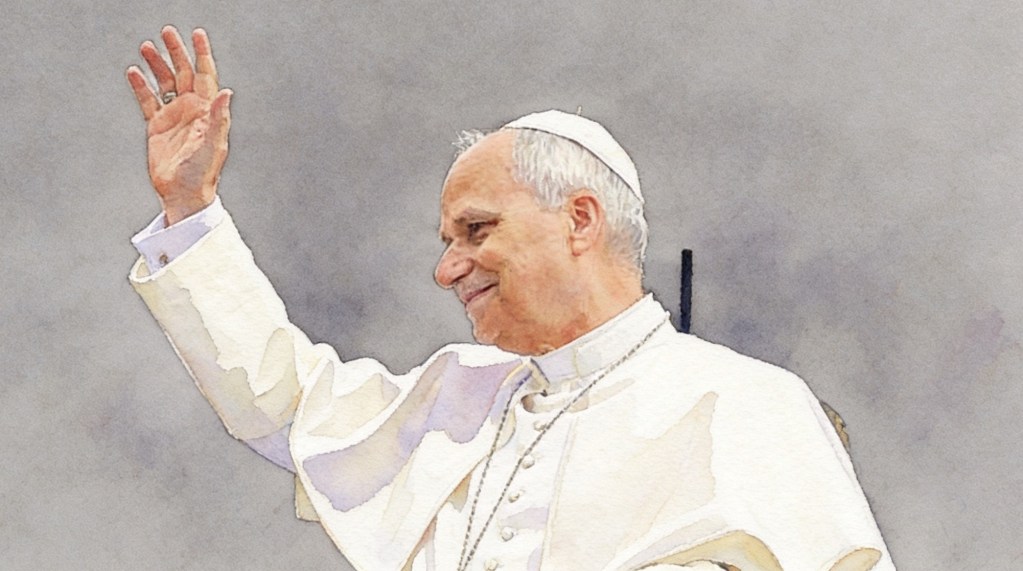
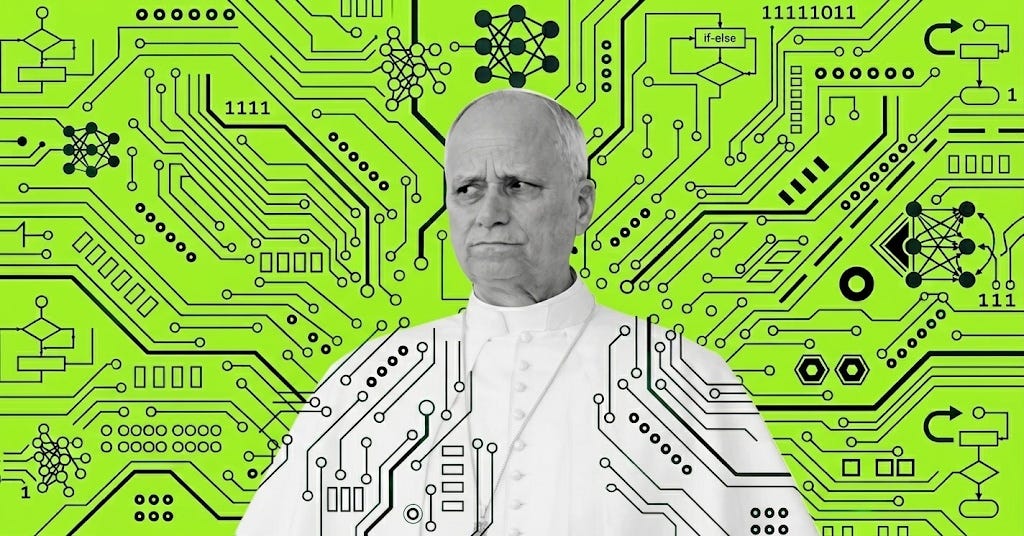
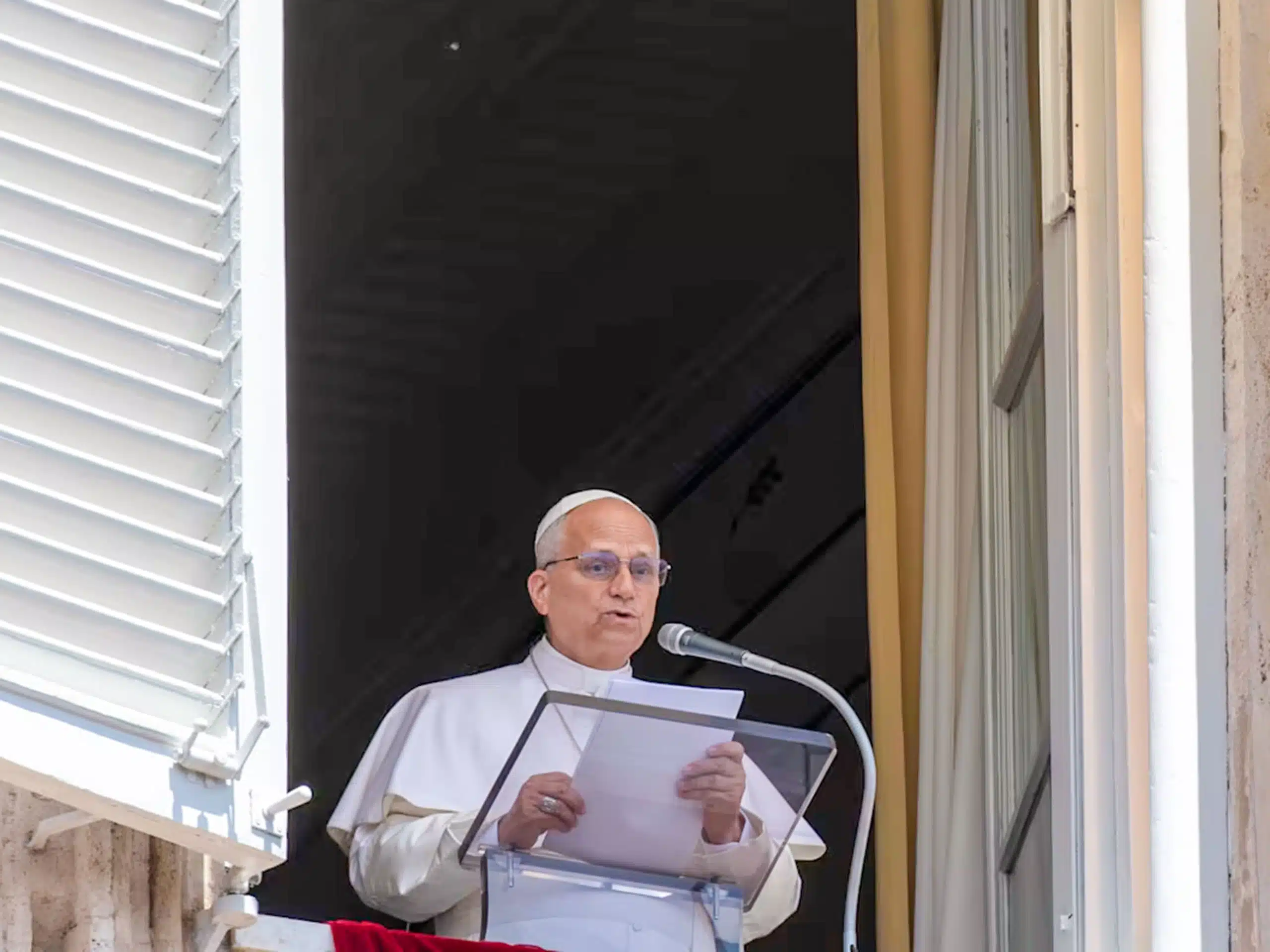
The Vatican's formal institutional response to artificial intelligence through Pope Leo XIV's encyclical "Magnifica Humanitas: On the Protection of Human Dignity in the Age of Artificial Intelligence" (launching May 25, 2025) represents a critical inflection point for e-commerce sellers relying on AI-powered tools. This papal document, featuring Anthropic co-founder Christopher Olah as a speaker, signals that religious institutions are now shaping AI governance frameworks globally—particularly in Europe and Latin America where Catholic influence remains significant in policy discussions.
For e-commerce sellers, this development creates a dual opportunity-risk scenario. The encyclical's emphasis on "worker protection in the digital age" and "ethical frameworks for technological advancement" will likely influence regulatory approaches in predominantly Catholic regions, potentially requiring sellers to audit and modify their AI implementations. Specifically, sellers using AI for customer service automation, product recommendation systems, dynamic pricing algorithms, and inventory management may face new compliance requirements within 6-12 months as governments reference papal guidance in drafting regulations.
The involvement of Anthropic—a leading AI safety company—indicates the encyclical will address algorithmic transparency and ethical AI deployment, directly impacting how Amazon, Shopify, and eBay sellers can utilize AI tools. Sellers in the EU (particularly Spain, Italy, Poland, Portugal) and Latin America (Mexico, Brazil, Colombia, Argentina) should anticipate stricter requirements around AI-driven decision-making in commerce. The timing coincides with the 135th anniversary of "Rerum Novarum" (1891), Pope Leo XIII's landmark encyclical on capital and labor—suggesting this new document will establish similar long-term governance principles for the digital economy.
Immediate implications for sellers: AI-powered product selection tools, pricing optimization algorithms, and customer service chatbots may require "human-in-the-loop" verification or transparency disclosures in Catholic-majority markets. The encyclical's focus on preventing humans from being "reduced to data and computational efficiency" suggests incoming regulations requiring sellers to demonstrate that AI systems preserve human dignity in labor practices and consumer interactions. Sellers currently automating customer service, content generation, or inventory decisions should begin documenting their AI processes and preparing compliance frameworks now, before regulatory guidance emerges in Q2-Q3 2025.
The strategic advantage belongs to sellers who proactively align their AI practices with ethical frameworks before regulations mandate compliance. This creates a 6-month window (May-November 2025) for sellers to differentiate through transparent, human-centered AI practices—potentially capturing market share from competitors caught unprepared by incoming regulatory requirements.
Questions 8
How does the Vatican's AI encyclical compare to the EU AI Act for sellers?
The EU AI Act (effective 2025-2026) establishes legal compliance requirements; the Vatican encyclical establishes ethical principles that will influence how governments interpret and enforce those laws. The encyclical's emphasis on human dignity and worker protection will likely push EU regulators toward stricter interpretations of the AI Act's 'high-risk' category for e-commerce applications. Sellers compliant with EU AI Act requirements should also prepare for additional Vatican-influenced guidelines around algorithmic transparency and human oversight. The encyclical carries moral authority in Catholic-majority EU nations (Poland, Portugal, Spain, Italy), making it more influential on policy than in secular-majority countries.
What is the timeline for regulatory changes based on the May 25 encyclical launch?
The encyclical launches May 25, 2025, with regulatory impact expected in phases: (1) May-July 2025: Government agencies in Catholic-majority regions will begin referencing the document in policy discussions; (2) August-November 2025: First regulatory guidance documents will emerge, particularly from EU and Latin American authorities; (3) Q1 2026: Compliance requirements will likely be formalized, with platforms like Amazon and Shopify implementing new seller requirements; (4) Q2-Q3 2026: Enforcement begins. Sellers have a 6-month window (May-November 2025) to audit AI practices and prepare compliance frameworks before regulatory deadlines. Early adopters of transparent, human-centered AI practices will gain competitive advantage.