


OpenAI IPO Path Clears | AI Marketplace Tools Accelerate for Sellers
- OpenAI's legal victory removes $130B liability risk, accelerating IPO timeline and AI tool commercialization for e-commerce platforms by Q3 2026



Overview
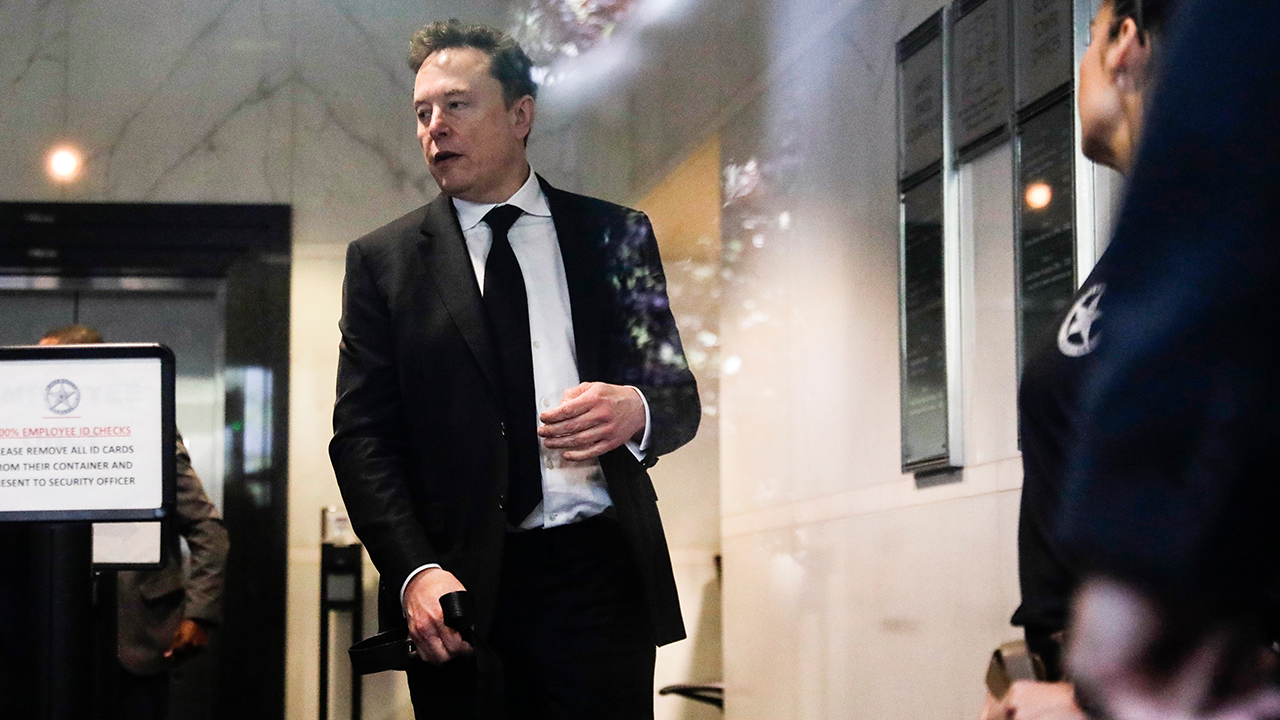
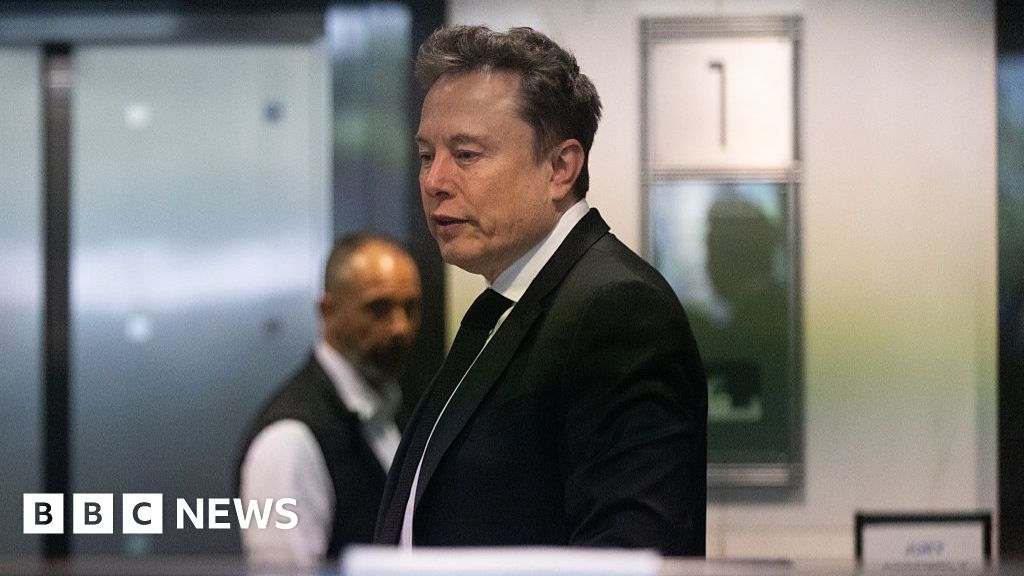
The May 18, 2026 court ruling dismissing Elon Musk's $130 billion lawsuit against OpenAI represents a critical inflection point for AI commercialization in e-commerce. Judge Yvonne Gonzalez Rogers' confirmation of the statute of limitations defense eliminates OpenAI's largest existential legal liability, directly clearing the path for the company's anticipated IPO. This development has immediate implications for cross-border sellers because OpenAI's financial stability and public market access will accelerate deployment of AI-powered seller tools across Amazon, Shopify, and emerging marketplaces.
The verdict's significance extends beyond corporate governance. OpenAI's legal team successfully demonstrated that Musk was aware of structural changes as early as 2021 but delayed filing suit until after founding competing AI company xAI in 2023—establishing a clear precedent that corporate transformation disputes face strict statute of limitations barriers. This precedent protects other AI companies pursuing for-profit pivots, including those developing e-commerce-specific tools. Microsoft's clearance as a codefendant is equally important, as Microsoft's $10B+ investment in OpenAI and integration with Azure cloud services directly supports seller infrastructure. The trial revealed discussions between Musk and Meta CEO Mark Zuckerberg regarding OpenAI acquisition, signaling intense competition for AI capabilities among tech giants that will accelerate tool development cycles.
For sellers, the immediate impact manifests through accelerated AI tool availability. OpenAI's IPO preparation typically triggers aggressive commercialization of enterprise products. Sellers can expect enhanced AI-powered listing optimization, demand forecasting, and inventory management tools to launch on major platforms within 6-12 months. Amazon Seller Central, Shopify, and eBay are all developing OpenAI-integrated features for product description generation, keyword research, and competitor analysis. The $38 million Musk contributed to OpenAI's early development is now freed from litigation risk, allowing those capital reserves to fund seller-facing product development. Compliance-focused sellers should monitor OpenAI's IPO filing (expected Q3-Q4 2026) for disclosure of e-commerce partnerships and tool roadmaps, as this will signal which platforms receive priority access to advanced AI capabilities.
The cryptocurrency funding options mentioned in trial testimony also signal emerging payment infrastructure opportunities. OpenAI's exploration of crypto-based fundraising indicates potential future integration of blockchain-based seller payment systems and cross-border settlement mechanisms, particularly relevant for sellers in emerging markets facing traditional banking barriers.
Questions 8
How does Microsoft's clearance as codefendant impact seller infrastructure and tool availability?
Microsoft's clearance removes legal barriers to its $10B+ investment in OpenAI and its integration of OpenAI capabilities into Azure cloud services. This is critical for sellers because Microsoft Azure powers backend infrastructure for Amazon Seller Central, Shopify, and eBay. With litigation risk eliminated, Microsoft can accelerate deployment of AI-powered seller tools on these platforms. Sellers using Shopify Plus or enterprise Amazon services already benefit from Azure infrastructure; the verdict enables faster rollout of advanced AI features like automated competitor analysis, dynamic pricing optimization, and inventory forecasting. Expect announcements of new AI-powered seller tools from Microsoft and its partners within 6 months.
What competitive implications does the Musk-Zuckerberg OpenAI acquisition discussion have for sellers?
Trial testimony revealed private communications between Musk and Meta CEO Mark Zuckerberg discussing potential OpenAI acquisition, signaling intense competition among tech giants for AI capabilities. This competition accelerates AI tool development cycles and creates multiple pathways for sellers to access advanced tools. If Meta acquires or partners with OpenAI, sellers on Facebook/Instagram commerce platforms would gain access to OpenAI's capabilities. If Amazon or Google secure partnerships, their respective seller platforms gain advantages. For sellers, this competition is beneficial: it drives faster innovation, lower tool costs, and broader availability of AI-powered features across multiple platforms. Monitor announcements from Amazon, Shopify, Meta, and Google for AI partnership news.