

Samsung's AI Revolution: Redefining Android Personalization and User Experience
- Strategic AI and Interface Innovation Signals Massive Shift in Mobile Ecosystem Dynamics





Overview
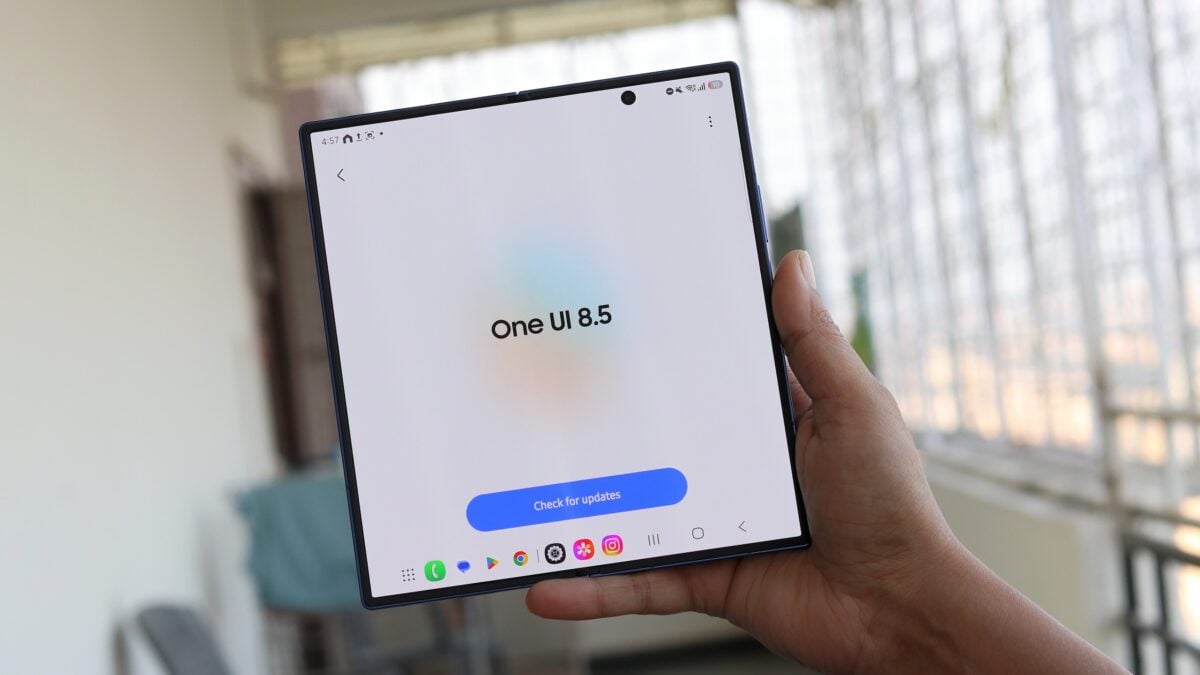
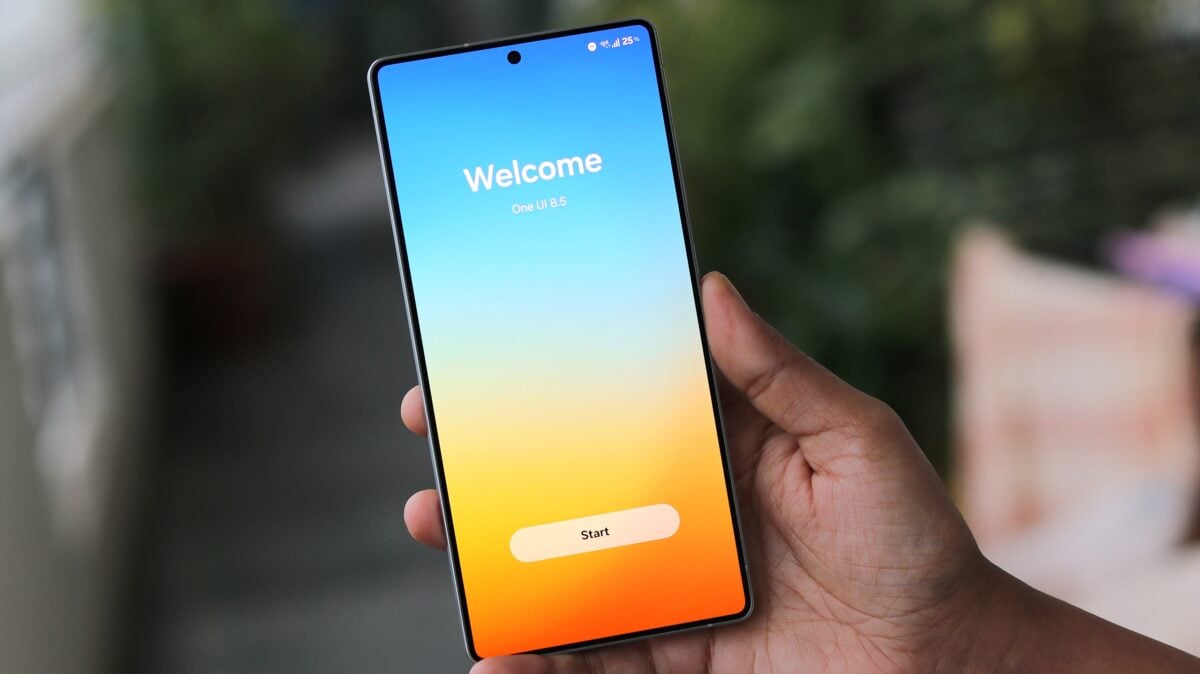
Samsung is orchestrating a profound transformation in the Android ecosystem by leveraging AI-driven personalization and radical interface customization as key competitive differentiators. The One UI 8.5 beta represents more than a software update—it's a strategic manifesto demonstrating how smartphone manufacturers can create unprecedented user experiences through intelligent design.
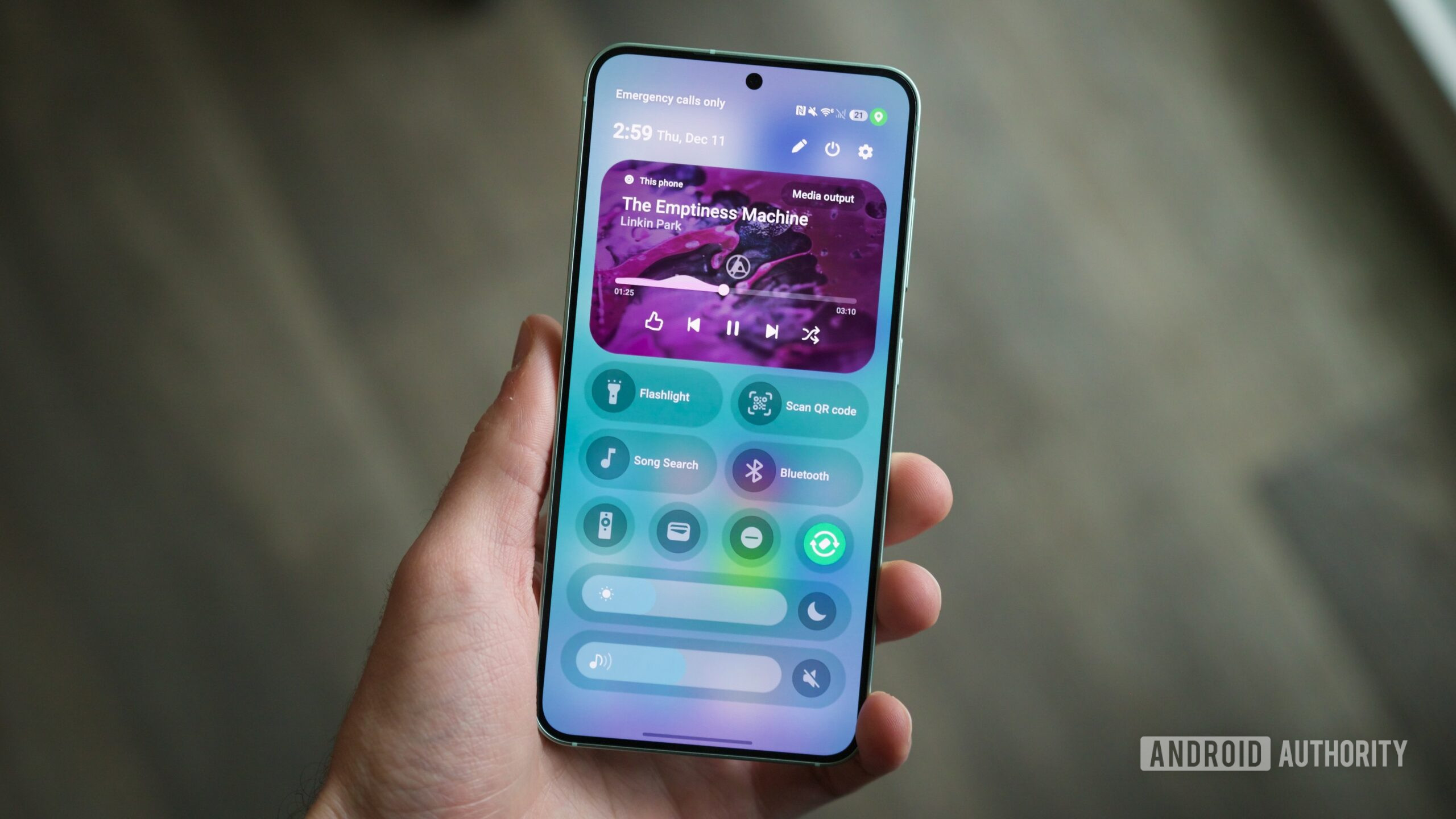
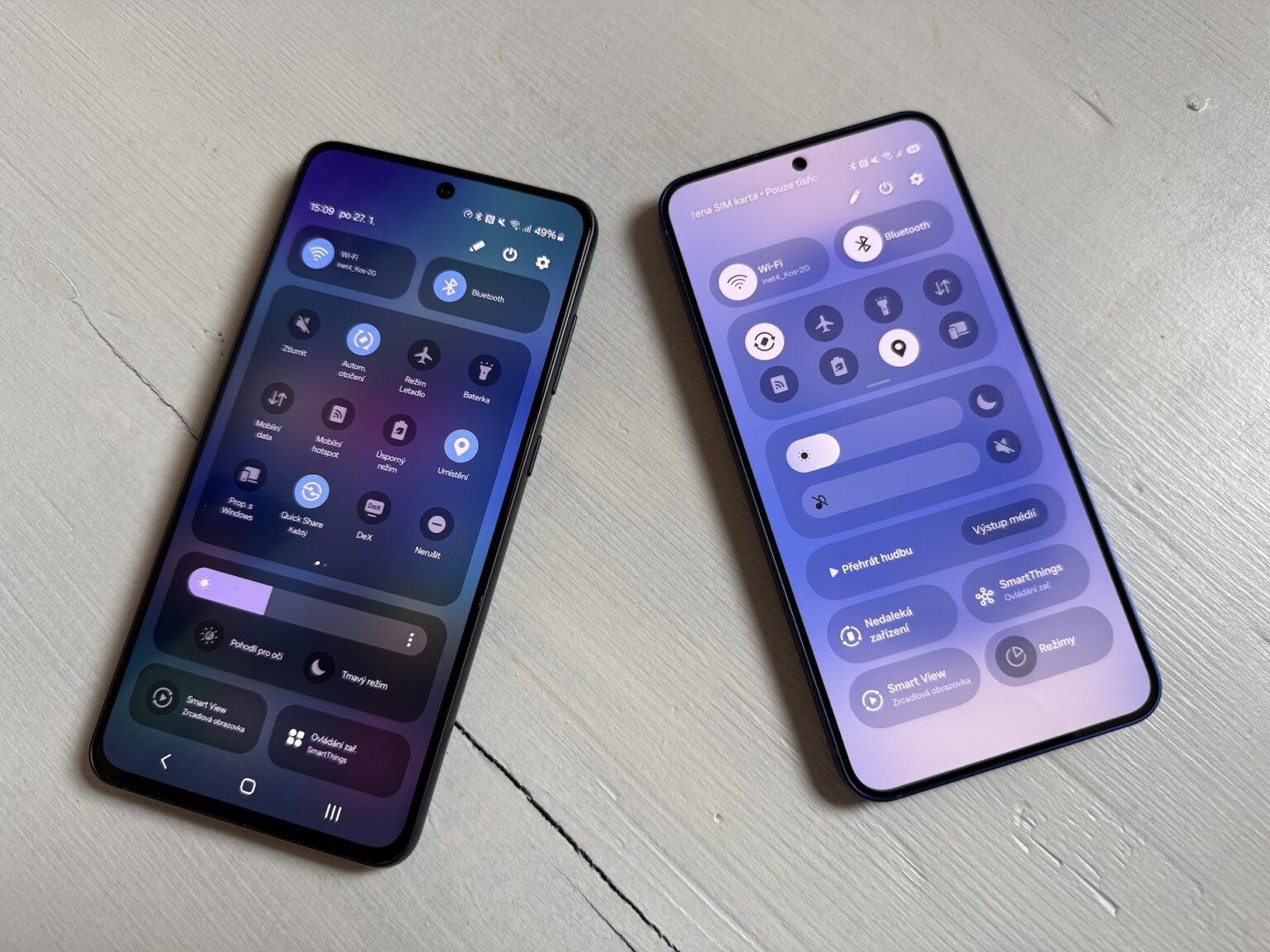
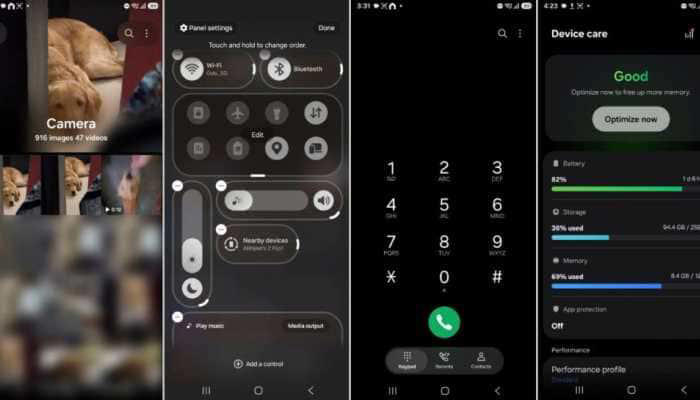
Customization as a Competitive Weapon: By introducing unprecedented Quick Settings flexibility, Samsung is challenging fundamental assumptions about mobile interface design. Users can now completely redesign their phone's quick access menu, deleting default toggles, rearranging elements, and creating personalized layouts that were previously impossible. This move signals a critical shift from manufacturer-dictated experiences to user-empowered interactions, potentially forcing competitors to reimagine their own interface strategies.
AI-Powered Strategic Positioning: Samsung's approach extends beyond interface design into a calculated AI feature rollout strategy. By strategically withholding advanced AI capabilities like the Gauss AI-powered notifications summary for the upcoming Galaxy S26 series, the company is creating a powerful upgrade incentive. This incremental feature deployment demonstrates a sophisticated product positioning approach—generating anticipation, maintaining consumer interest, and driving premium device sales through exclusive capabilities.
The broader implications are transformative. Samsung is not just releasing features; it's reimagining the smartphone as a deeply personalized, intelligent companion. By combining radical customization with AI-driven intelligence, the company is setting a new standard that challenges other Android manufacturers to fundamentally rethink user experience design.
For technology strategists and mobile ecosystem players, this represents a critical inflection point. The future of mobile interfaces will be defined by three key attributes: personalization, intelligent adaptation, and user empowerment. Samsung's bold moves suggest that the next generation of smartphones will be less about hardware specifications and more about creating uniquely tailored digital experiences.
Questions 3
What competitive advantage does this approach provide Samsung?
By combining radical interface customization with strategic AI feature rollouts, Samsung differentiates itself in the crowded Android market. This approach allows them to generate anticipation, drive premium device sales, and position themselves as innovation leaders in mobile user experience design.
What is Samsung's strategy for rolling out AI features?
Samsung employs a strategic, incremental AI feature deployment approach. By holding back advanced capabilities like the Gauss AI notifications summary for the Galaxy S26 series, they create upgrade incentives, maintain consumer interest, and position their premium devices as technologically superior by offering exclusive AI capabilities first.