


NFL Performance Dynamics Reveal Strategic Resilience in High-Stakes Competition
- Competitive Adaptation and Individual Excellence Amid Challenging Game Conditions

























Overview
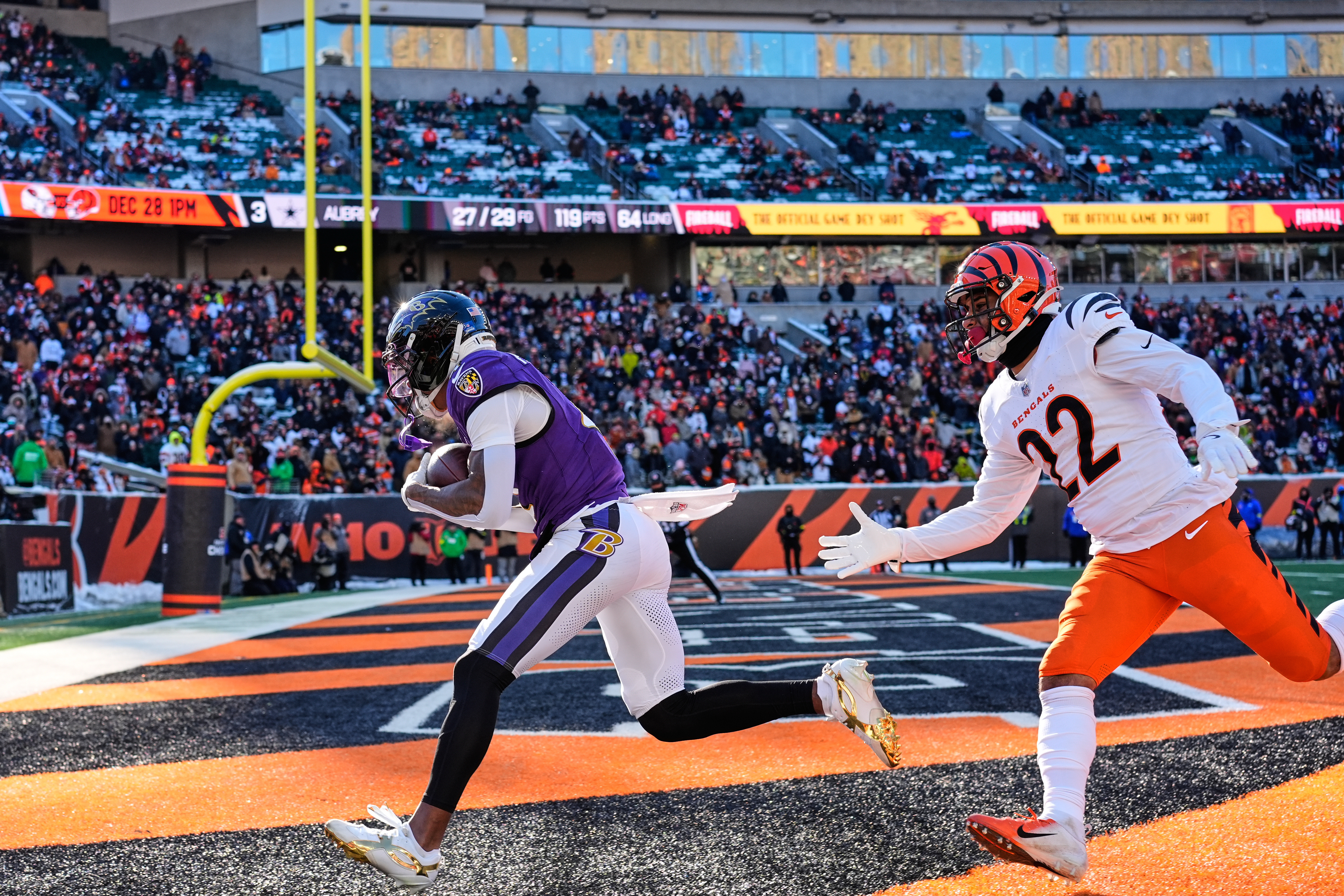
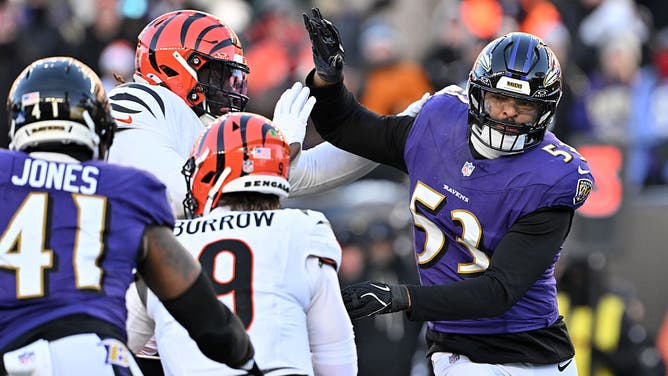
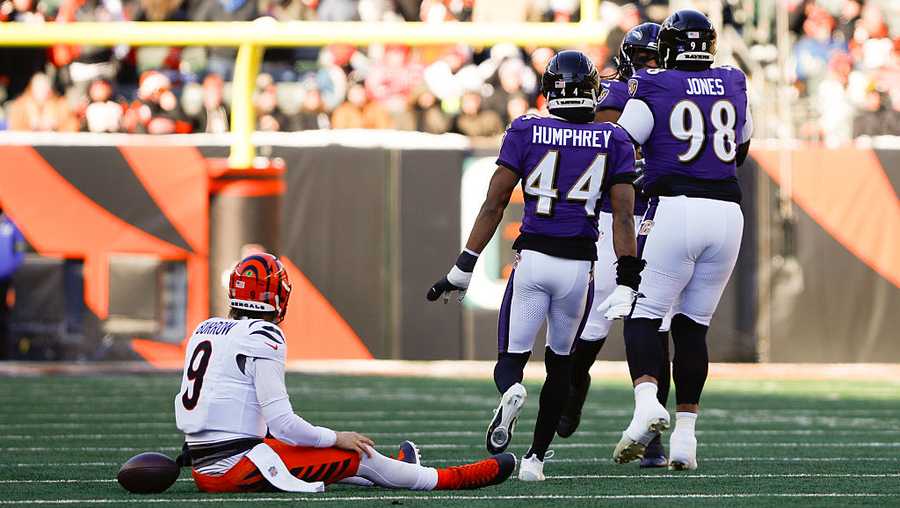
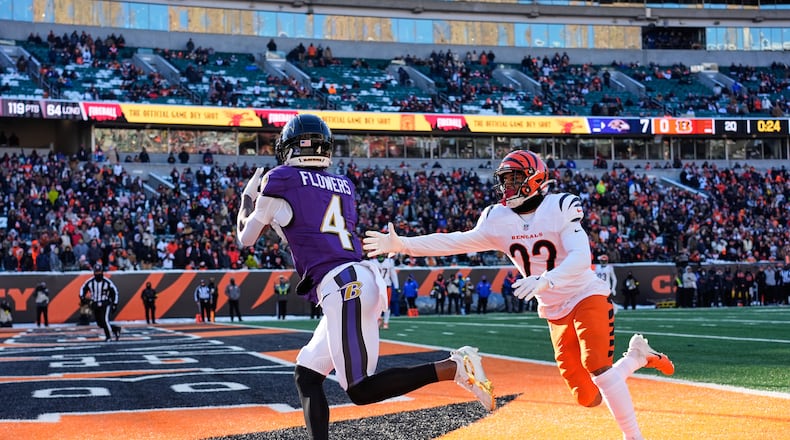
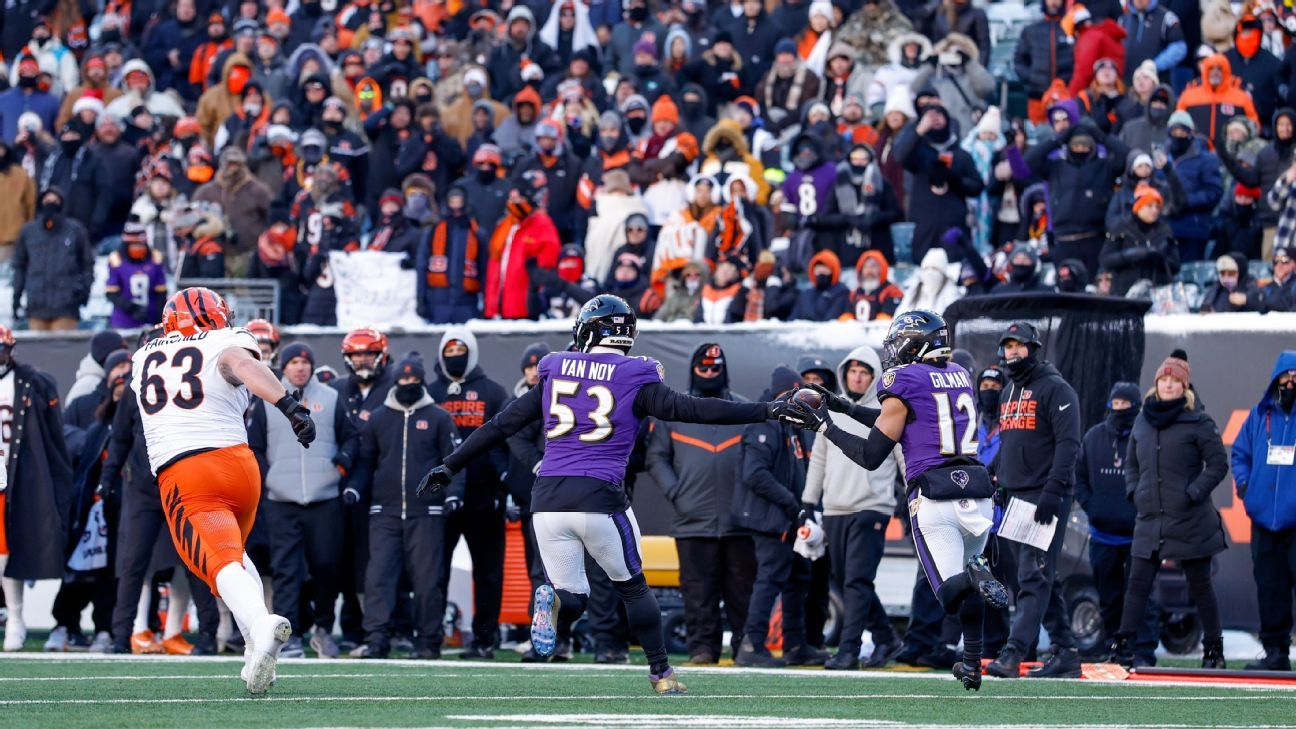
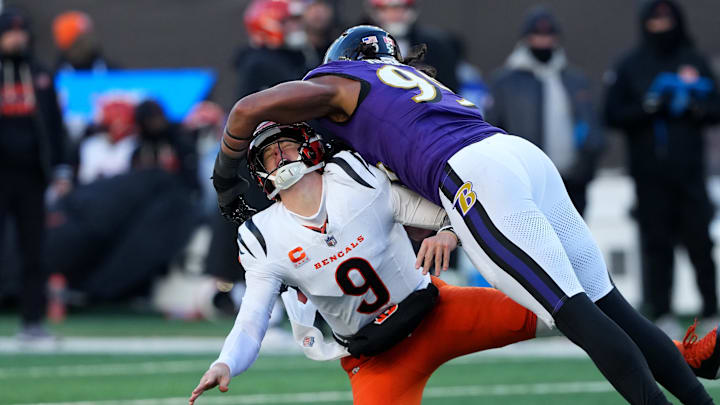
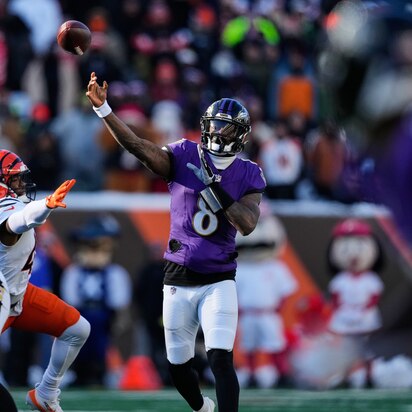
In the high-stakes arena of professional football, the December 14, 2025 matchup between the Baltimore Ravens and Cincinnati Bengals offers a compelling narrative of strategic adaptation, individual performance, and organizational resilience. The Ravens' comprehensive 24-0 shutout at Paycor Stadium transcends a mere game result, revealing profound insights into competitive dynamics and psychological fortitude.
Defensive Mastery as Strategic Transformation: The Ravens' defensive performance represents more than a tactical victory. By completely neutralizing Joe Burrow's typically potent offense—including a career-first shutout with 225 yards and two interceptions—the team demonstrated how strategic preparation can fundamentally disrupt established competitive narratives. The game's extreme conditions (10 degrees with minus-one wind chill) further amplified the significance of mental and physical adaptability.
Individual Brilliance Amid Systemic Challenges: Despite the overwhelming defeat, Ja'Marr Chase's performance emerges as a testament to individual resilience. Recording 10 catches for 132 yards and reaching his 100th reception, Chase joined an elite historical cohort—becoming only the second NFL player with over 6,500 receiving yards and 50 touchdowns in his first five seasons. This achievement underscores how exceptional talent can transcend immediate team setbacks, offering a nuanced perspective on competitive success.
The game's defensive highlights—including rookie Demetrius Knight's first two career sacks and Myles Murphy's multi-sack performance—further illustrate the continuous evolution of team dynamics. Head Coach Zac Taylor's acknowledgment of "uncharacteristic offensive play" and Burrow's characterization of the game as an "outlier" reveal a sophisticated understanding of performance variability.
Ultimately, this matchup represents more than a sporting event; it's a microcosm of strategic adaptation, individual excellence, and organizational learning. The ability to maintain perspective, learn from setbacks, and continuously recalibrate performance emerges as the true competitive advantage in high-pressure environments.
Questions 3
What makes Ja'Marr Chase's performance significant despite the team's loss?
Chase's 10 catches for 132 yards and reaching 100 receptions demonstrate individual excellence that transcends team performance. By joining an elite historical group of receivers with over 6,500 yards and 50 touchdowns in his first five seasons, he showcases personal growth and potential independent of game outcomes.
How do extreme weather conditions impact NFL game strategies?
Extreme conditions like the minus-one wind chill in this game force teams to adapt their offensive and defensive approaches. Teams must prioritize physical resilience, strategic flexibility, and mental toughness to maintain performance levels when environmental factors create additional challenges.