


Presidential Stock Trading Controversy May 2026 | Market Confidence & Policy Uncertainty Impact
- 3,600+ trades in Q1 2026 raise conflict-of-interest concerns; affects investor confidence in tech sector policy decisions and cross-border trade regulations






/theprobe/media/media_files/2026/05/18/trump-stock-trading-scandal-2026-05-18-20-32-16.jpg)





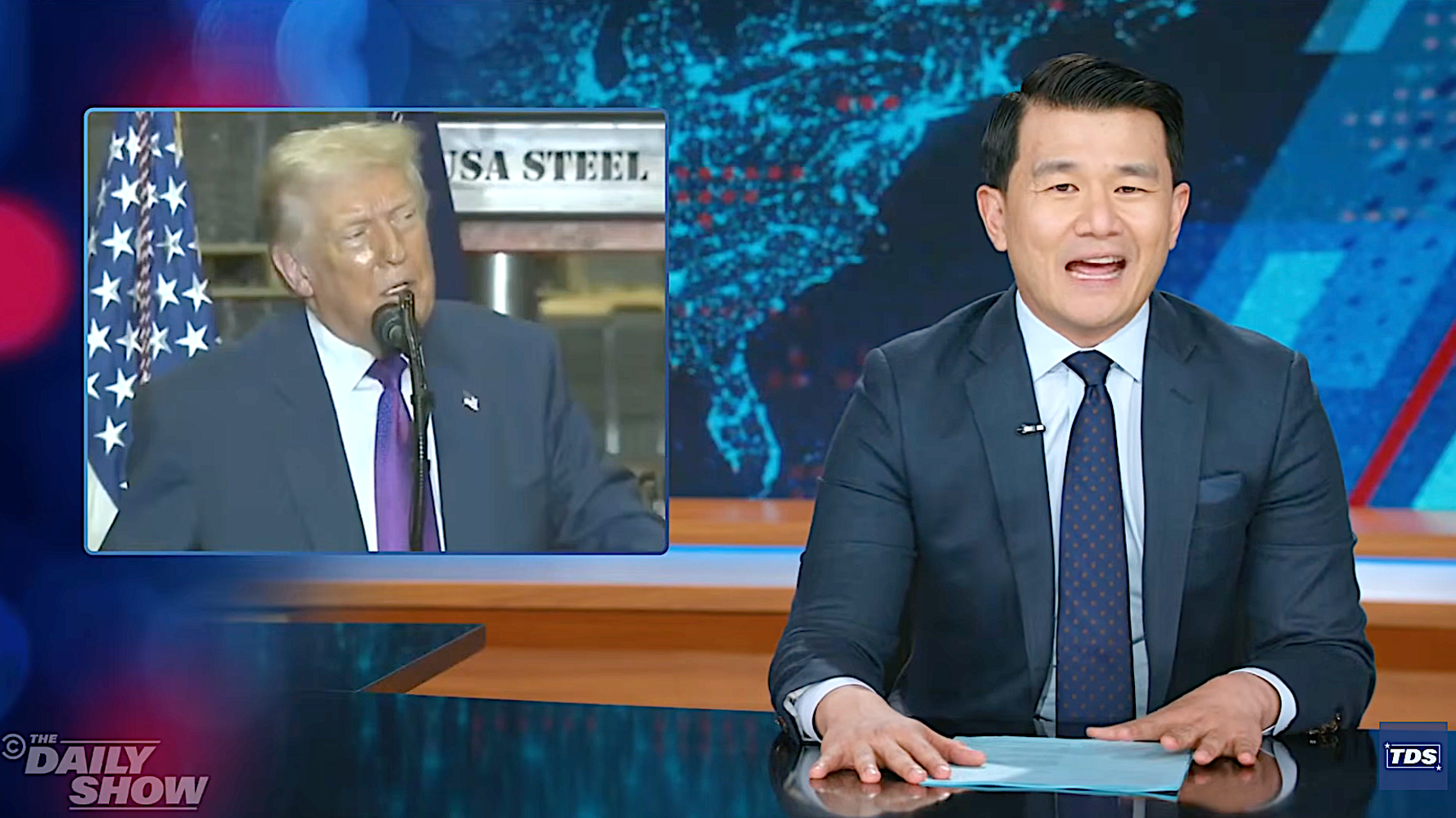


Overview
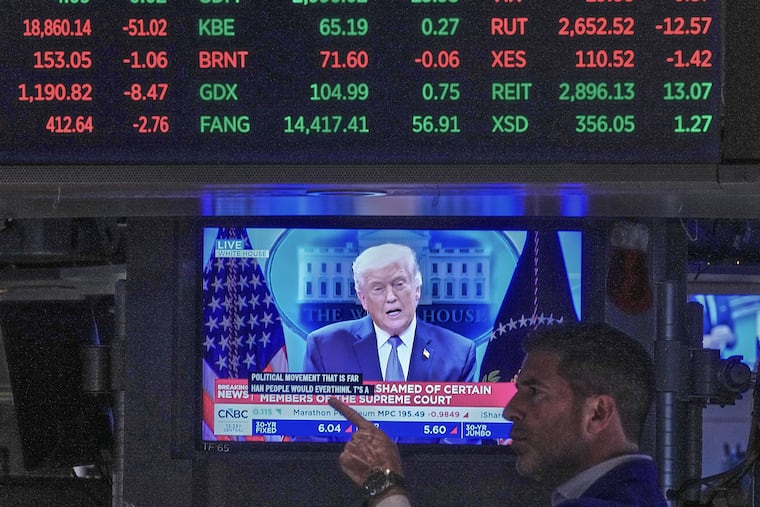
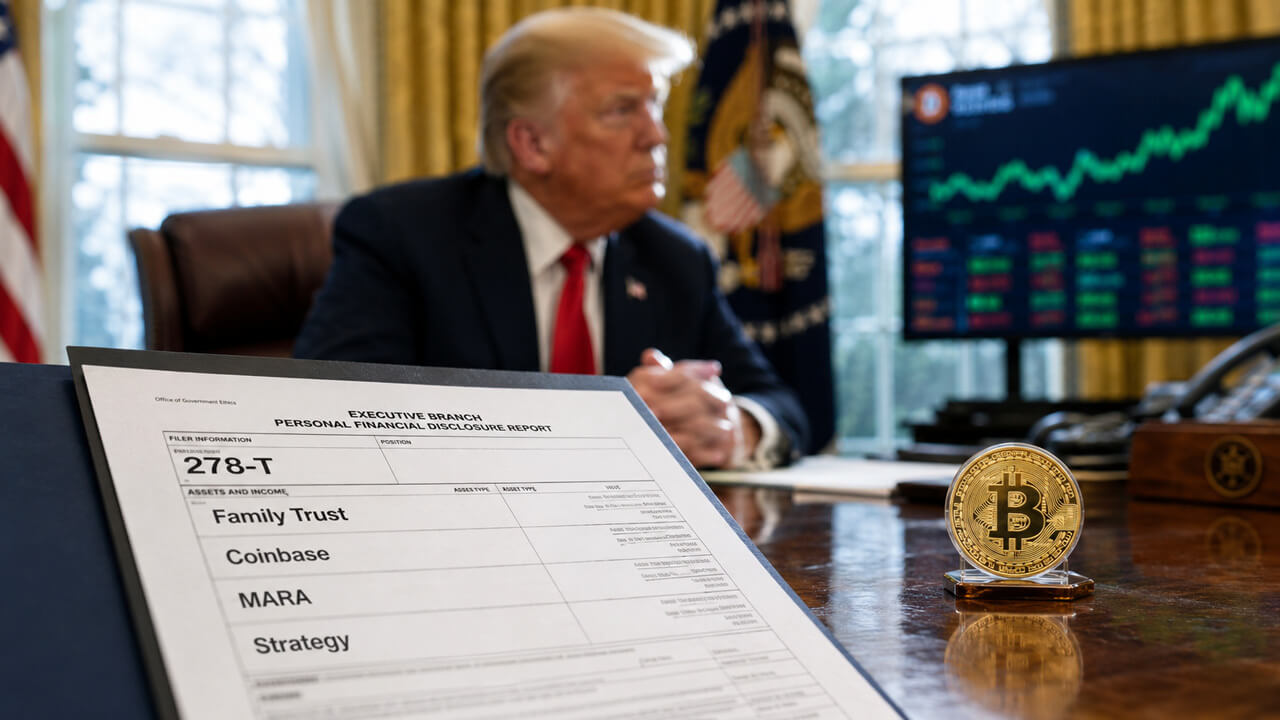
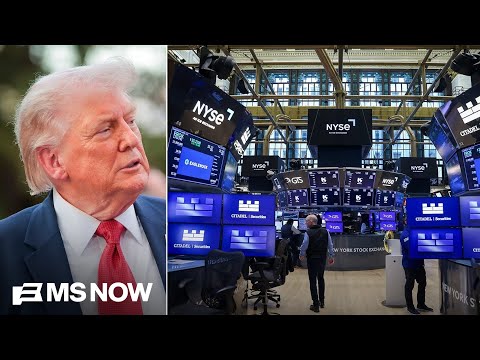
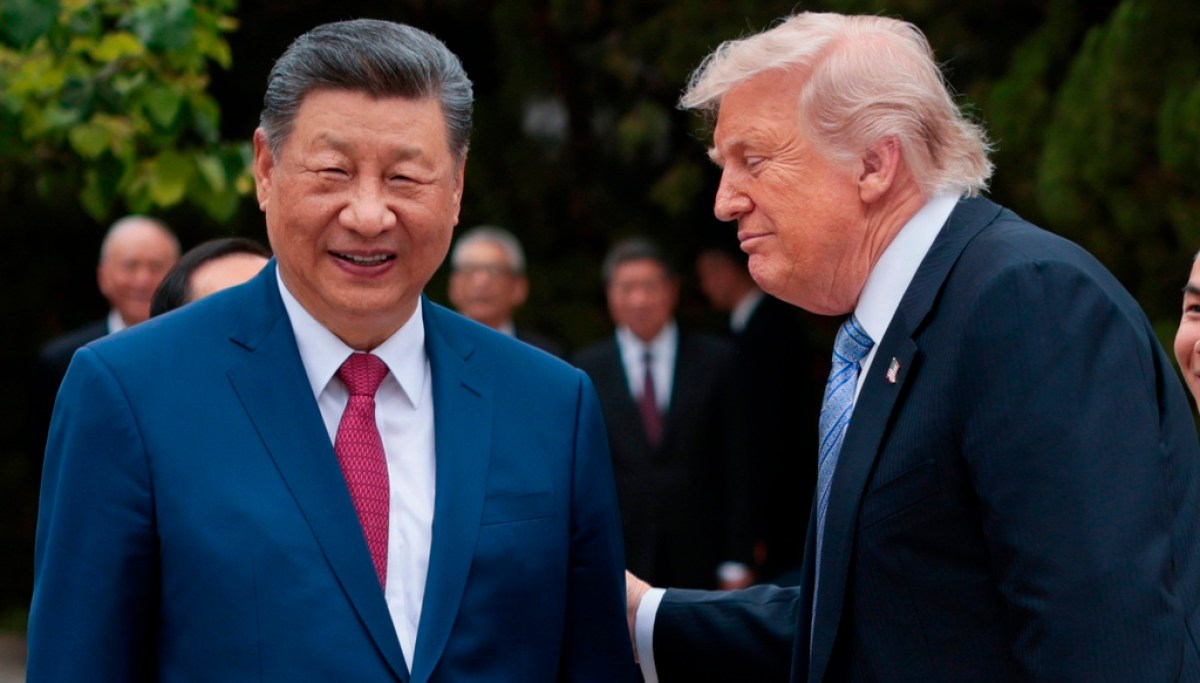
The May 2026 disclosure of President Trump's extensive stock trading activity—over 3,600 trades totaling at least $1 million in new acquisitions within the first three months of 2026, with a portfolio valued at approximately $236 million—has created significant market uncertainty regarding the separation between private financial interests and public policy decisions. The controversy centers on the timing of trades in major corporations (Nvidia, Apple, Amazon, Palantir Technologies) that coincide with Trump administration policy decisions and public endorsements, particularly the Nvidia chip export approval to China and subsequent portfolio purchases. While the Trump Organization claims all investment decisions are handled exclusively by independent third-party brokerage firms through fully discretionary accounts with no family involvement, critics including Senator Elizabeth Warren have questioned the timing patterns, noting that 15 of 17 CEOs brought to China lead companies whose shares were purchased by Trump's portfolio in 2026.
For cross-border e-commerce sellers, this controversy creates three critical operational impacts. First, policy uncertainty regarding tech sector regulation and China trade relations directly affects sellers relying on Nvidia, Apple, and Amazon infrastructure for their operations. The apparent alignment between Trump's personal investments and policy decisions raises questions about the consistency and predictability of future trade policies, tariff structures, and technology export regulations that sellers depend on for supply chain planning. Sellers sourcing from China or relying on US tech infrastructure face increased uncertainty in 12-24 month planning horizons. Second, market volatility in tech stocks influences venture capital availability, platform investment priorities, and marketplace feature development. Amazon's stock performance directly correlates with FBA fee structures, logistics network expansion, and seller tool development—all critical to seller profitability. Third, erosion of institutional trust in government decision-making may accelerate regulatory scrutiny of e-commerce platforms themselves, potentially triggering new compliance requirements, tax investigations, or antitrust actions that disproportionately affect smaller sellers.
The structural concern extends beyond individual trades to systemic governance questions. Unlike congressional stock trading bans that Vice President Vance supports for other officials, sitting presidents face no legal conflict-of-interest restrictions. This creates a governance vacuum where presidential investment portfolios can influence policy without transparency mechanisms. For sellers, this means reduced predictability in policy outcomes—a $236 million portfolio with 3,700 transactions in three months represents significant capital allocation that may correlate with policy priorities. The absence of a true blind trust structure (as acknowledged in the news coverage) means the president theoretically could have knowledge of portfolio contents, creating perception risks that undermine confidence in policy neutrality. Sellers operating in regulated sectors (technology, defense, international trade) face heightened uncertainty about whether policy decisions reflect market conditions or personal financial interests.
Immediate seller implications include monitoring policy volatility in tech sector regulations, China trade relations, and platform governance. The controversy signals that tech sector policy may be influenced by factors beyond traditional economic analysis, requiring sellers to diversify platform dependencies and geographic sourcing strategies. Medium-term, sellers should prepare for potential regulatory responses to this controversy, including possible congressional action on presidential financial disclosure requirements or conflict-of-interest rules that could set precedents affecting all government-adjacent businesses.
Questions 8
What does the absence of conflict-of-interest laws for presidents mean for seller governance risk?
Unlike Congress members, sitting presidents face no legal restrictions on stock trading or conflict-of-interest rules, creating a governance vacuum. The news coverage emphasizes that 'conflict-of-interest laws do not technically apply to sitting presidents,' meaning presidential policy decisions can legally affect personal financial interests without restriction. For sellers, this creates systemic governance risk: policy decisions affecting their businesses (trade policy, technology regulation, platform oversight) may be influenced by presidential portfolio interests without legal safeguards or transparency mechanisms. This governance gap makes presidential policy less predictable than policies made by other government officials subject to conflict-of-interest restrictions. Sellers should assume that policy decisions affecting portfolio companies (Nvidia, Apple, Amazon, Palantir) may reflect personal financial interests, requiring sellers to diversify away from dependence on these companies' policy environments and build resilience through geographic and platform diversification.
How does this controversy affect tariff and trade policy predictability for sellers?
The controversy centers on whether policy decisions—particularly the Nvidia chip export approval to China—reflect strategic trade considerations or align with presidential portfolio interests. For cross-border sellers, tariff and trade policy are critical to supply chain economics. If sellers cannot distinguish between policy decisions driven by market analysis versus personal financial interests, they cannot reliably forecast tariff structures, export restrictions, or trade agreement changes. The news notes that 15 of 17 CEOs brought to China lead companies whose shares were purchased by Trump's portfolio, suggesting potential correlation between trade negotiations and portfolio holdings. This pattern makes sellers question whether future trade policies will prioritize their business interests or align with presidential investment positions, increasing planning uncertainty by 12-24 months.