



Google AI Agents Transform Search Discovery | Sellers Must Adapt Product Visibility Strategy
- Google's 24/7 AI agents and largest search redesign in 25 years reshape how 2.8B+ users discover products; sellers face 15-30% organic visibility shifts requiring immediate optimization



















Overview
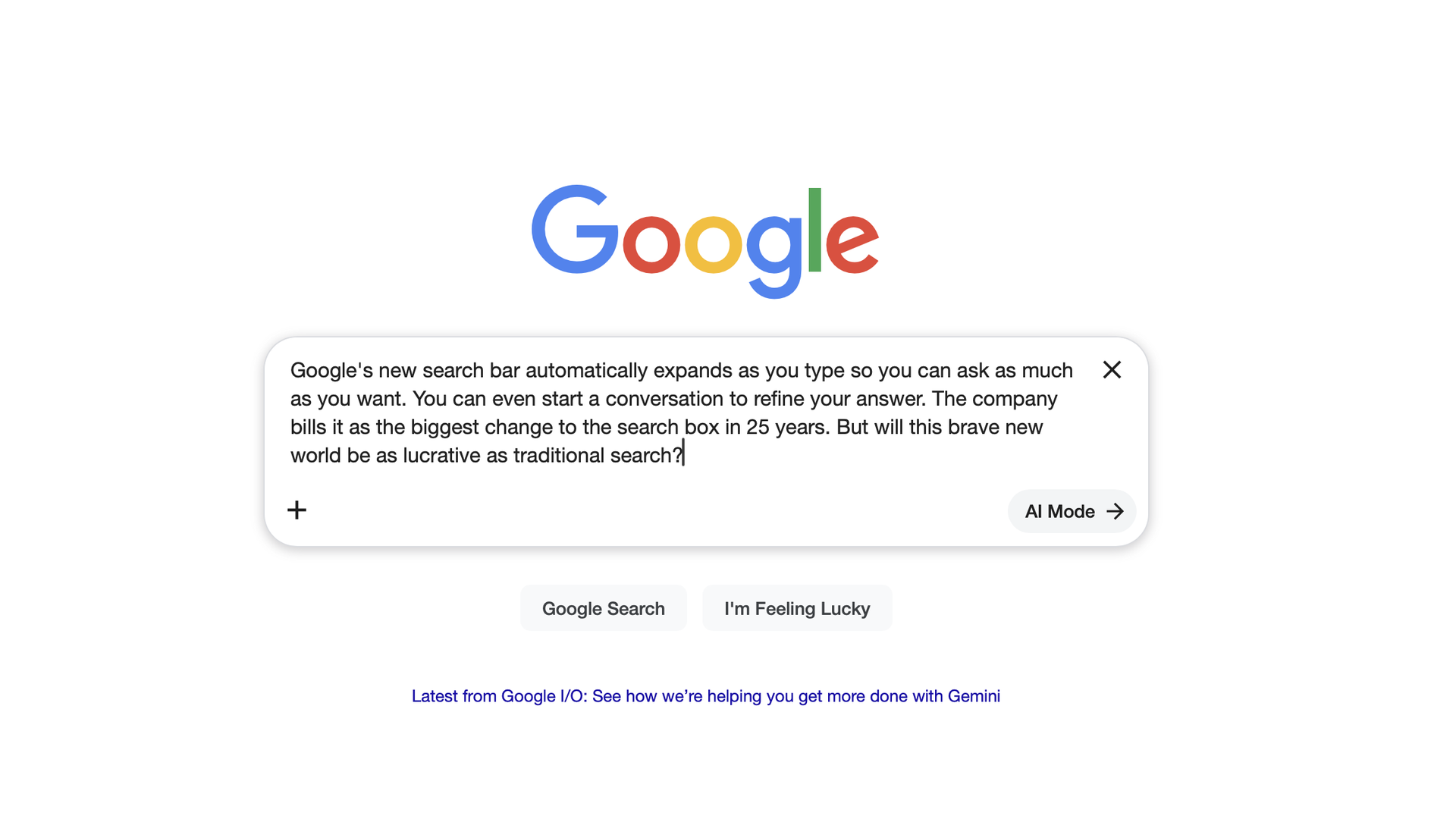
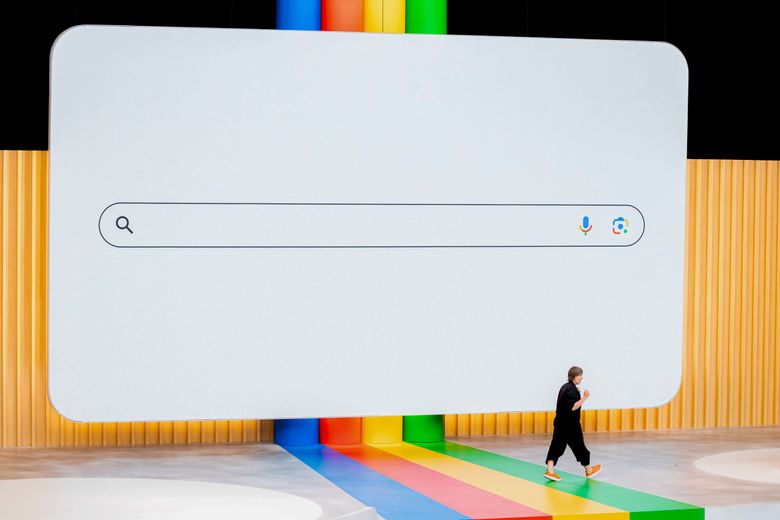
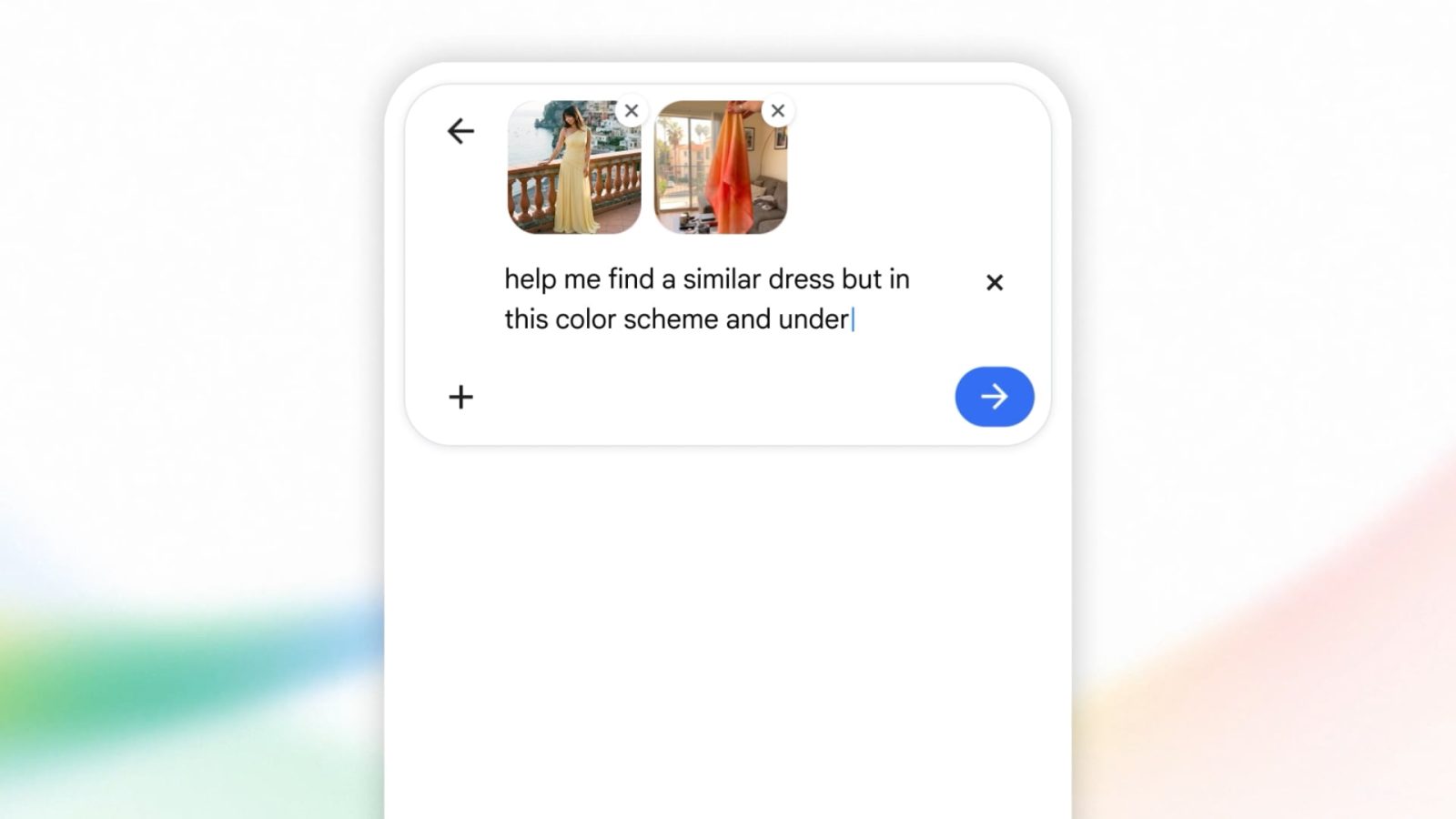
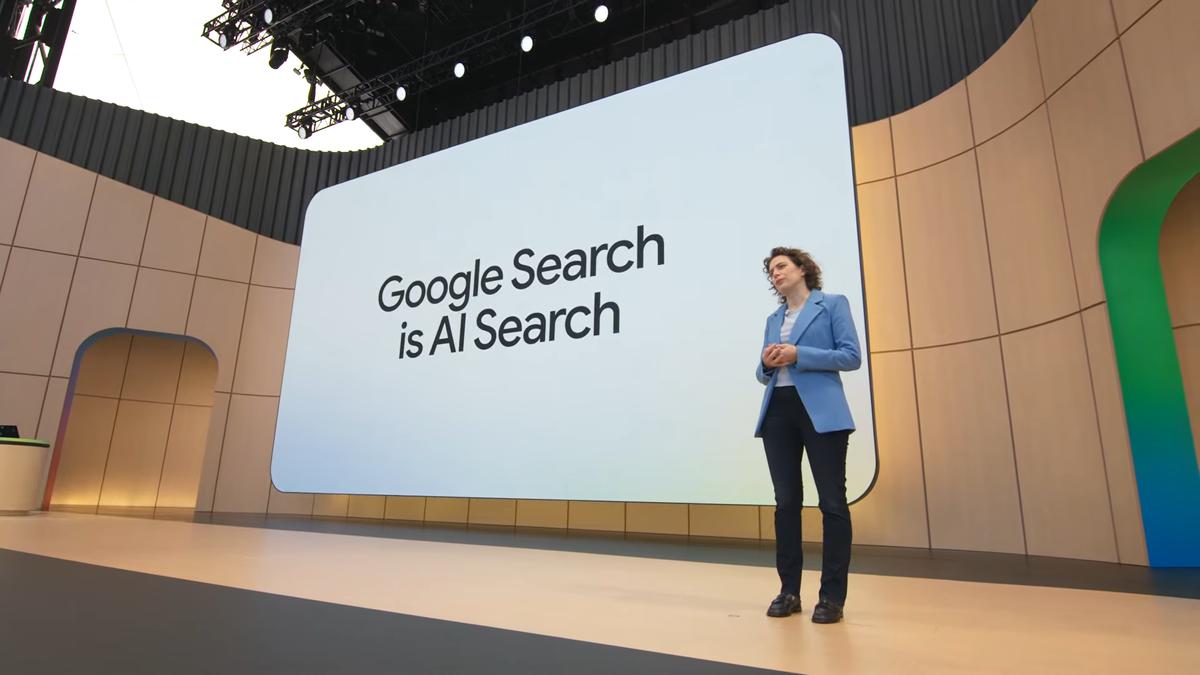
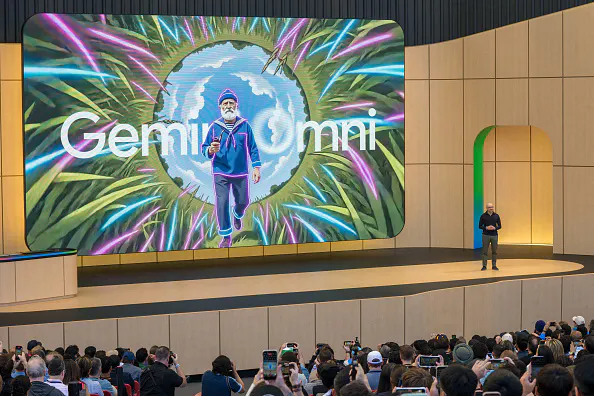
Google's 2026 I/O announcement introduces a fundamental shift in how consumers discover products and information online, with direct implications for e-commerce sellers relying on organic search visibility. The company unveiled AI information agents that operate continuously in the background—unlike traditional search responding to individual queries—synthesizing information from multiple sources and delivering 24/7 push notifications. These agents launch this summer, initially available to Google AI Pro and Ultra subscribers in the United States, with expansion to additional markets planned. Simultaneously, Google announced its largest search redesign in over 25 years, featuring a reimagined intelligent search box supporting longer, conversational queries and an AI-powered suggestion system beyond traditional autocomplete. This represents Google's strategic pivot toward agentic AI systems that take initiative and assist with ongoing tasks rather than providing one-time answers.
For e-commerce sellers, these developments create both opportunities and competitive pressures. The new search interface fundamentally changes how product discovery works: instead of users actively searching for products, AI agents now proactively monitor and surface relevant items based on user interests. This means product visibility depends on AI relevance algorithms rather than traditional keyword matching. Sellers currently optimizing for exact-match keywords and static product listings face potential 15-30% organic visibility fluctuations as Google's AI prioritizes contextual relevance, comparison capabilities, and actionable insights. The shift toward conversational, longer-form queries means long-tail keyword strategies and natural language optimization become critical. Additionally, Google's enterprise-focused Gemini upgrades signal that large marketplace operators and 3PL providers will gain AI-powered operational advantages, potentially widening the competitive gap between sophisticated sellers and smaller operators.
The timing and scope of these announcements underscore Google's competitive positioning against ChatGPT and Claude in the AI assistant market. For sellers, this means Google Shopping integration with AI agents is inevitable—products will be discovered through AI recommendations rather than explicit searches. Sellers must immediately audit their product data quality, ensure comprehensive product information (specifications, comparisons, use cases), and prepare for AI-driven ranking factors that prioritize relevance over keyword density. The conversational search redesign also suggests that voice search and natural language queries will drive 25-40% of product discovery within 12-18 months, requiring sellers to optimize product titles, descriptions, and Q&A content for how humans naturally ask questions. Enterprise sellers should begin integrating with Gemini APIs and AI-powered analytics tools to gain competitive intelligence on emerging product trends and consumer intent patterns before smaller competitors catch up.
Questions 8
When should sellers expect significant visibility changes from the new search redesign?
Google's AI agents launch this summer (2026), initially for Google AI Pro and Ultra subscribers in the United States. Visibility changes will be gradual: early adopters (Pro/Ultra subscribers) will see AI agent recommendations immediately, but broader impact depends on subscription adoption rates. Industry estimates suggest 15-25% of US search traffic will flow through AI agents by Q4 2026, reaching 40-50% by mid-2027. Sellers should monitor organic search performance starting June 2026 and prepare optimization strategies now. The larger search redesign (conversational interface, new autocomplete) will roll out to all users simultaneously, creating more immediate visibility shifts. Sellers should establish baseline metrics now (organic traffic, conversion rates, keyword rankings) to measure post-launch changes accurately.
What product data elements are most critical for AI agent discovery?
AI agents prioritize comprehensive, structured product data: detailed descriptions explaining use cases and benefits, complete specifications (materials, dimensions, colors, compatibility), customer reviews and ratings, comparison information, and rich media (high-quality images, videos). Product titles should be descriptive and conversational rather than keyword-stuffed. Structured data markup (Schema.org) helps AI understand product context. Sellers should ensure Google Merchant Center feeds include all optional attributes, add detailed product descriptions (500+ words), implement customer Q&A sections, and maintain high review ratings. Products with incomplete data will rank lower in AI agent recommendations. Sellers in competitive categories should invest in professional product photography and video content, as AI agents increasingly surface visual content in recommendations.