

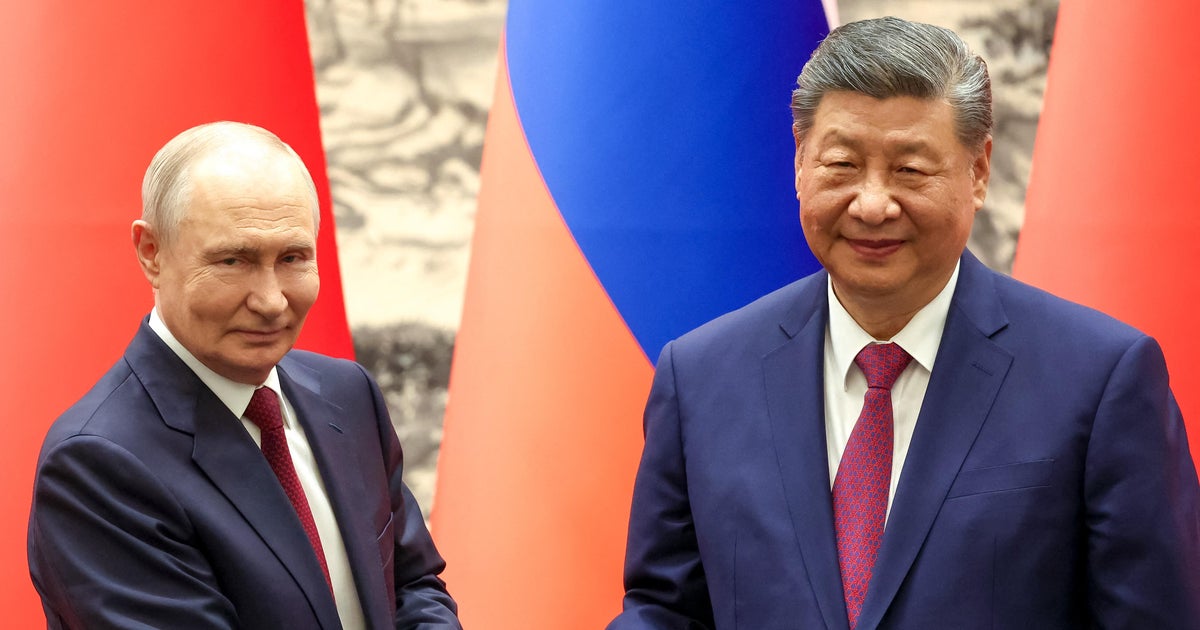


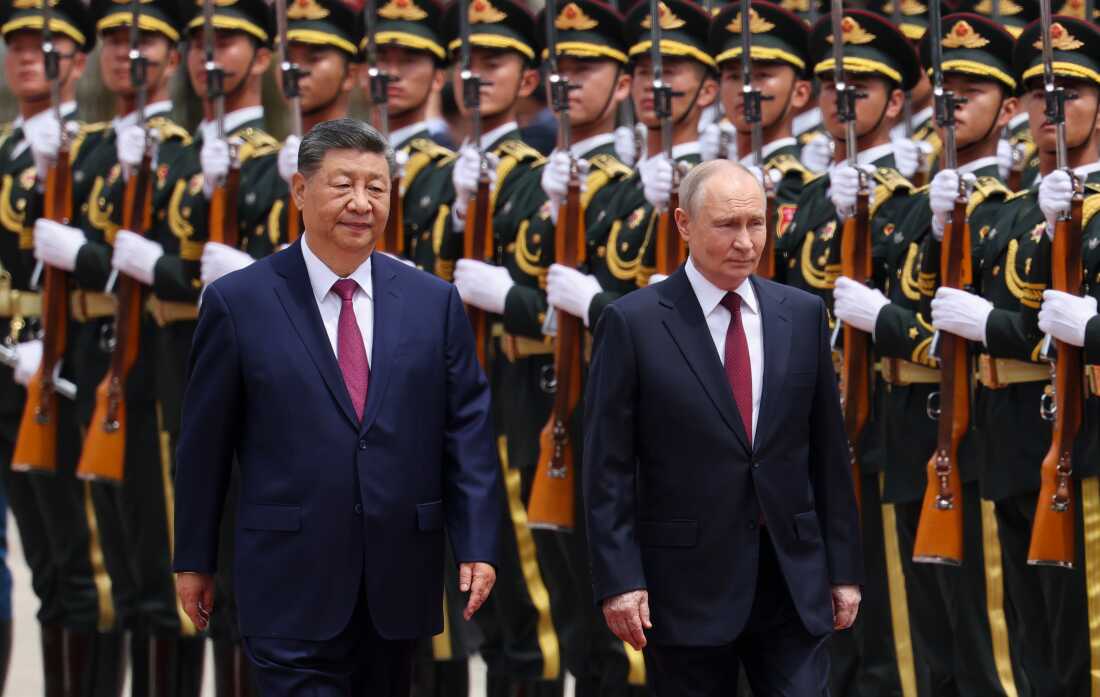
US-China Tariff Crisis Hits 48% | Sellers Face $39B Import Collapse
- Average tariffs surge from 3% to 48% in 9 years; US imports from China drop 39% YoY while Russia-China trade reaches $228B in 2025
















Overview
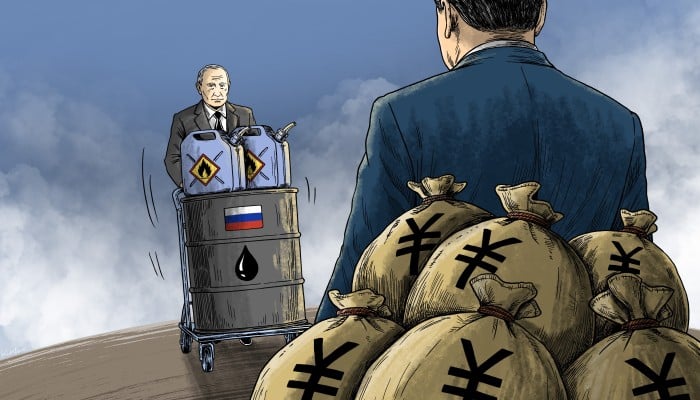
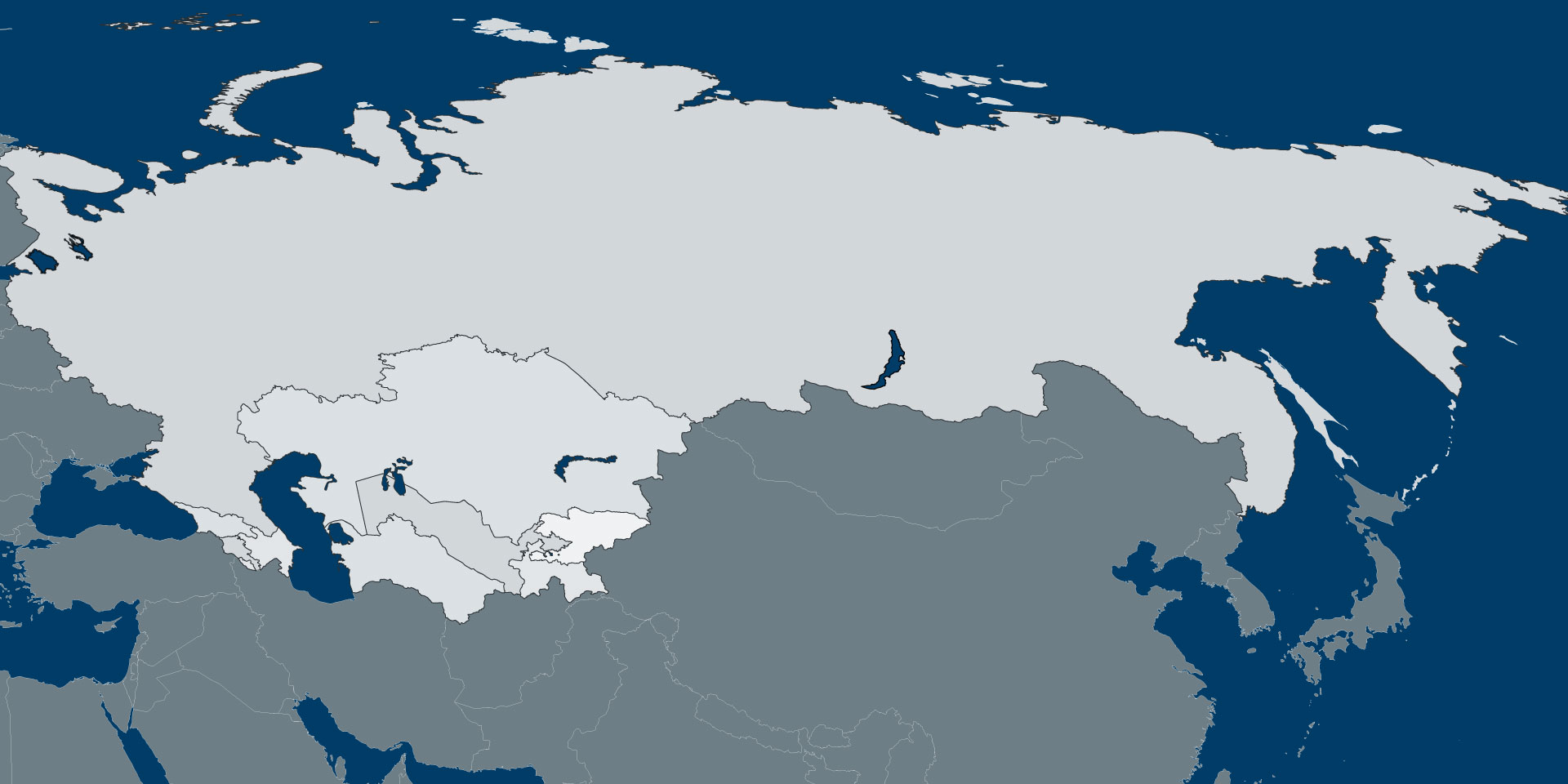
The geopolitical realignment between the US, China, and Russia is creating unprecedented tariff volatility and supply chain fragmentation for cross-border e-commerce sellers. Average US tariffs on Chinese goods have exploded from 3% in 2016 to 48% currently, reducing American imports by 39% year-over-year and compressing margins across electronics, apparel, and consumer goods categories. Simultaneously, China-Russia bilateral trade reached $228 billion in 2025, with Russia's exports surging 289% over a decade to $129.32 billion in 2024—but this relationship is fundamentally different from US-China commerce. While Russia exports primarily energy (75% of shipments), China exports vehicles, tractors, household goods, and computers worth $115.49 billion to Russia, creating distinct market opportunities and risks.
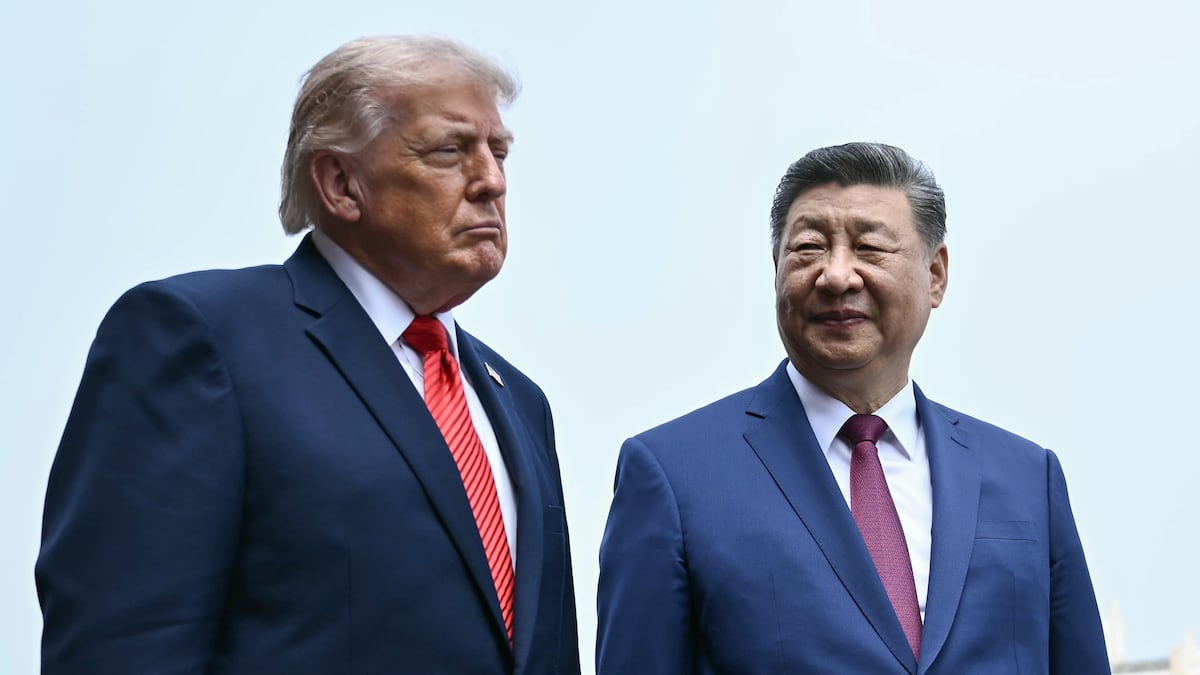
For US-based importers, the tariff environment has become a margin-compression crisis. Electronics sellers importing consumer goods from China face effective tariff rates of 25-48% depending on HS codes, transforming a previously profitable 15-20% margin category into a breakeven or loss-making operation. The US still imports $331.58 billion in goods and services from China in 2025 despite tariff escalation, but this represents a strategic retreat from peak volumes. Trump's recent Beijing visit yielded vague commitments to "preliminary tariff reductions and agricultural agreements," but specifics remain elusive—creating dangerous uncertainty for inventory planning. Sellers must assume tariffs remain at 48% for Q1-Q2 2025 while monitoring weekly policy announcements.
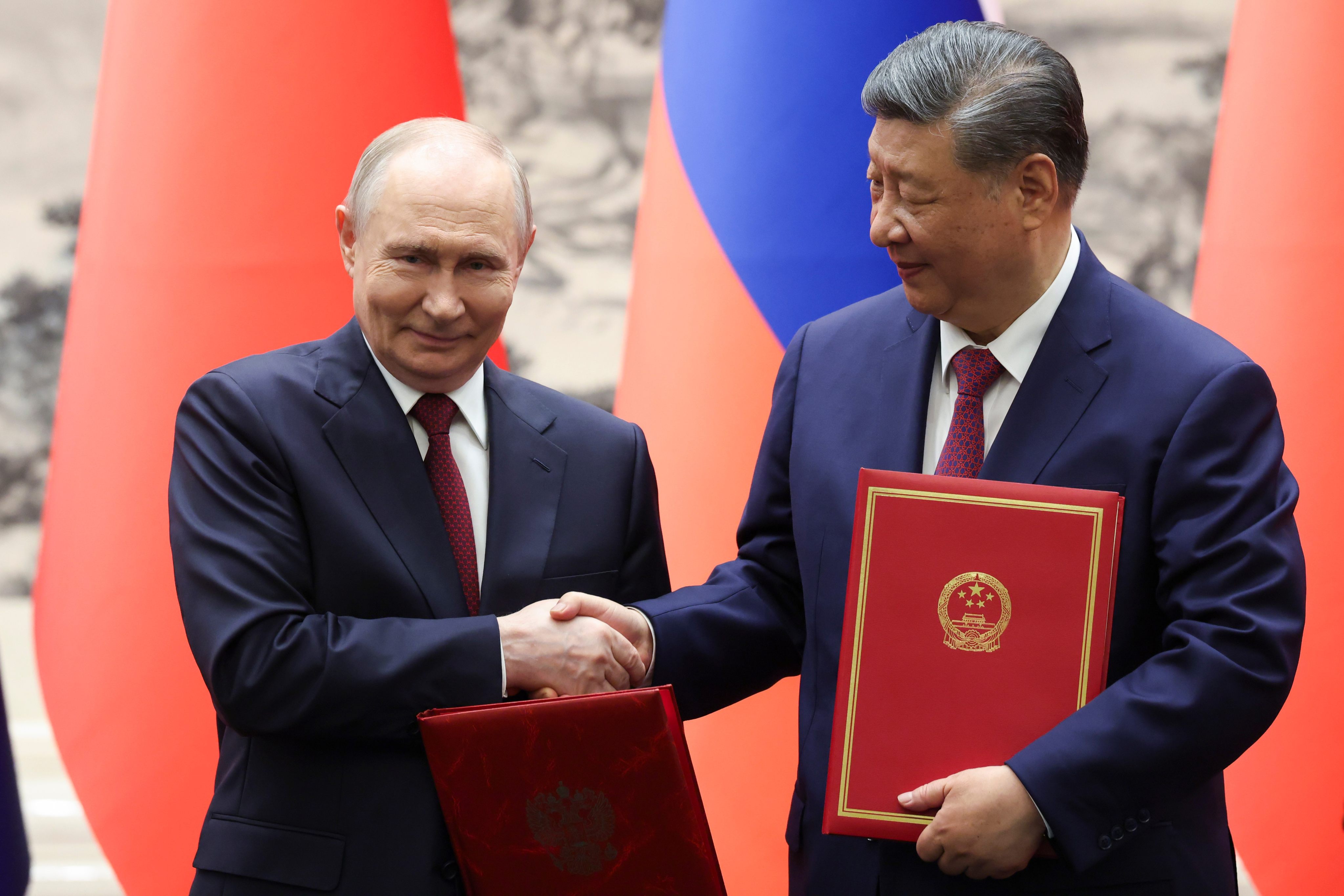
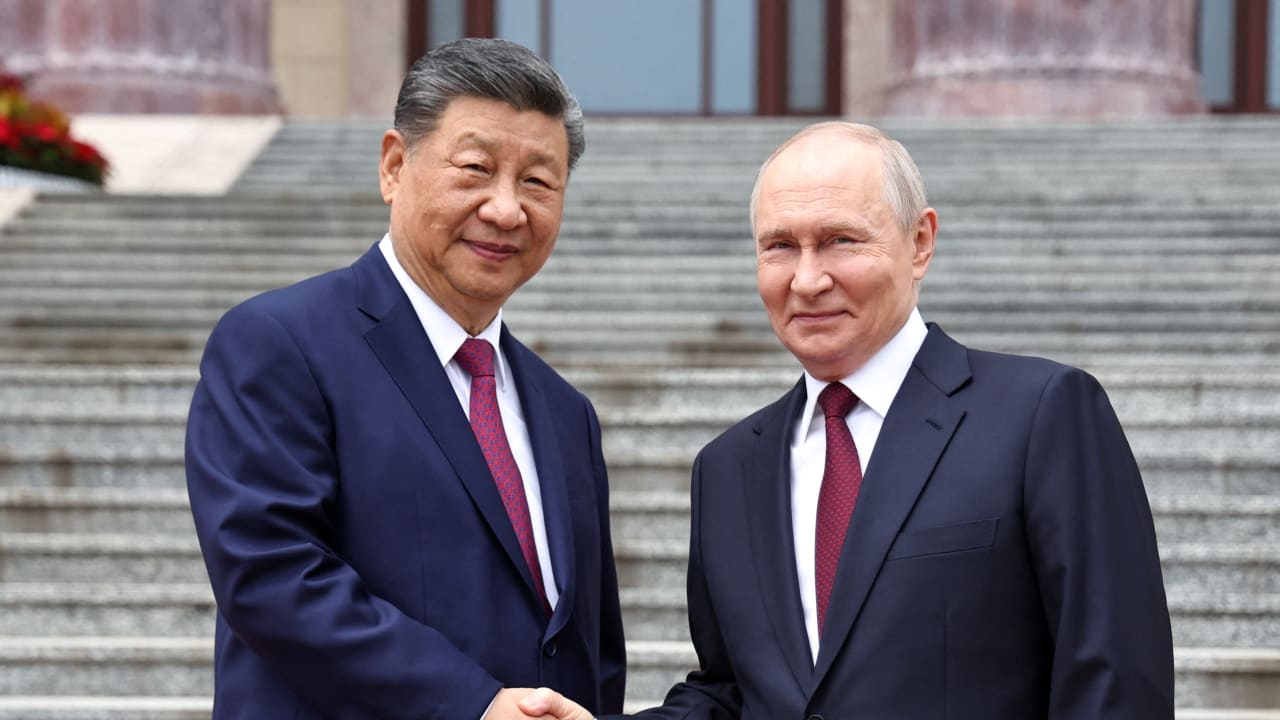
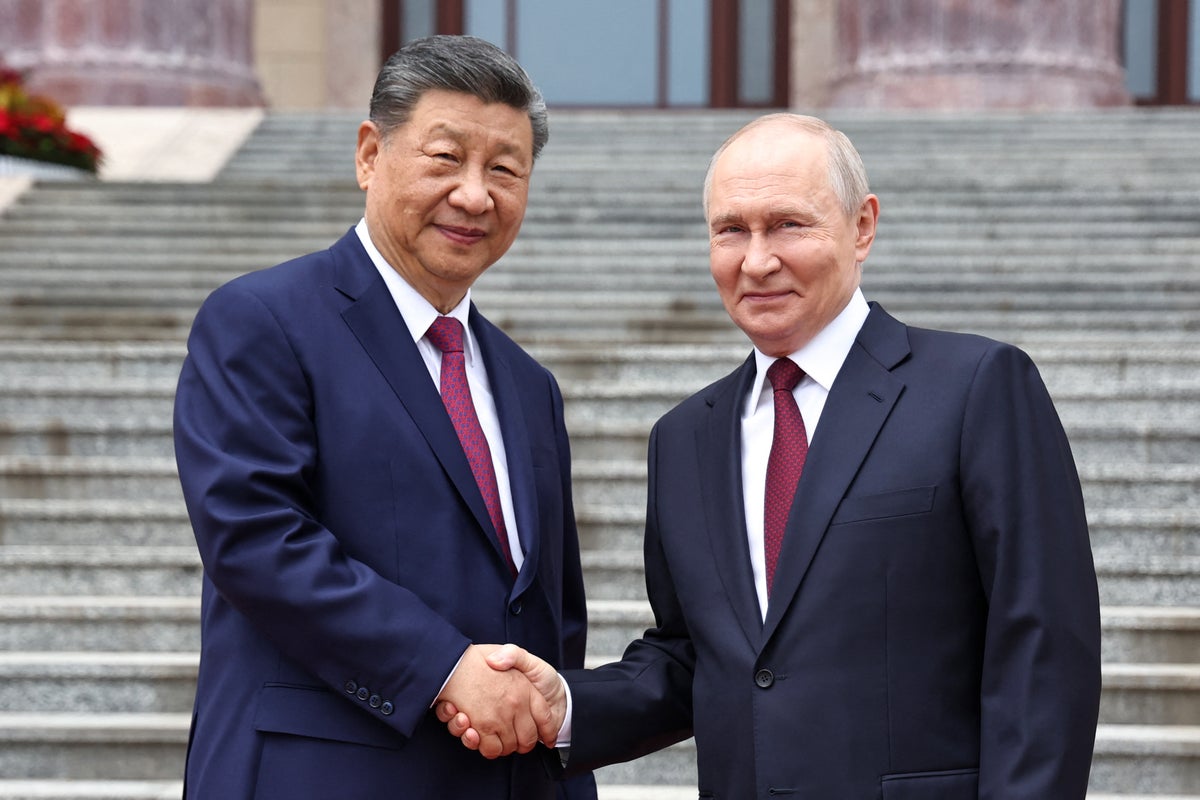
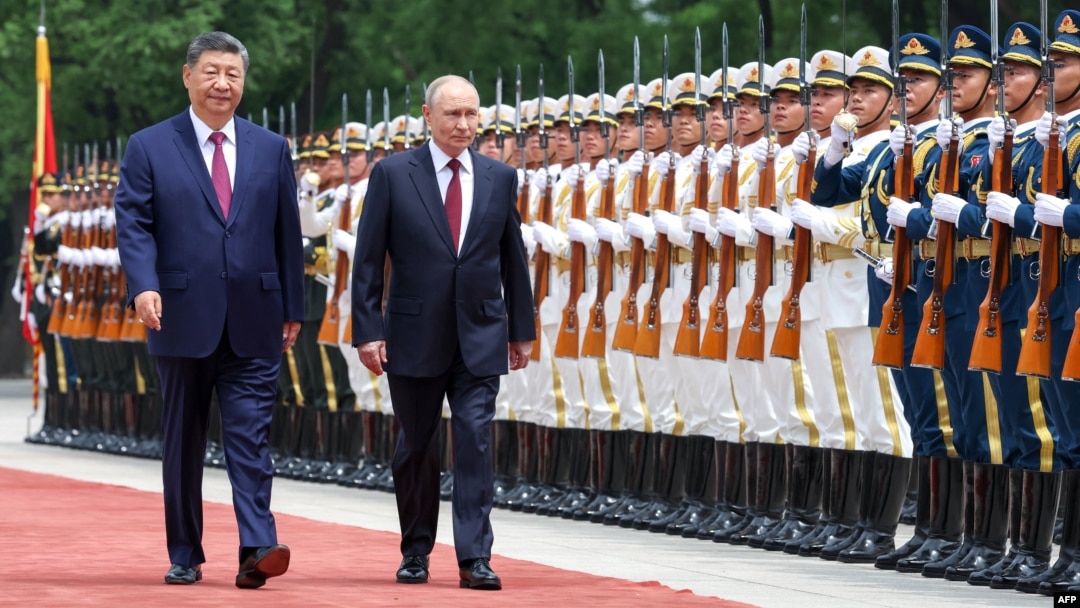
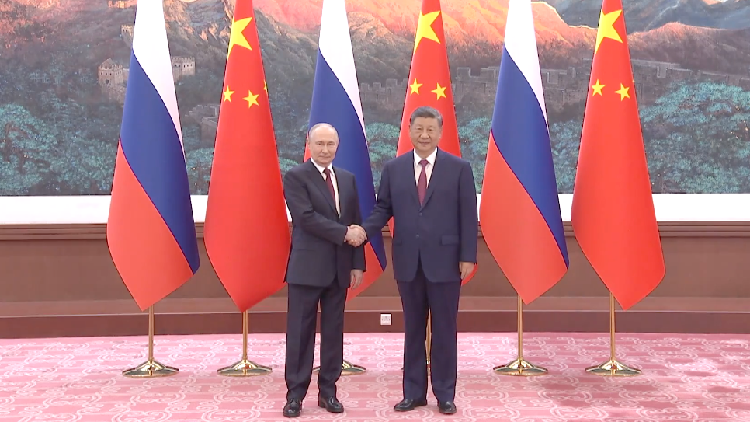
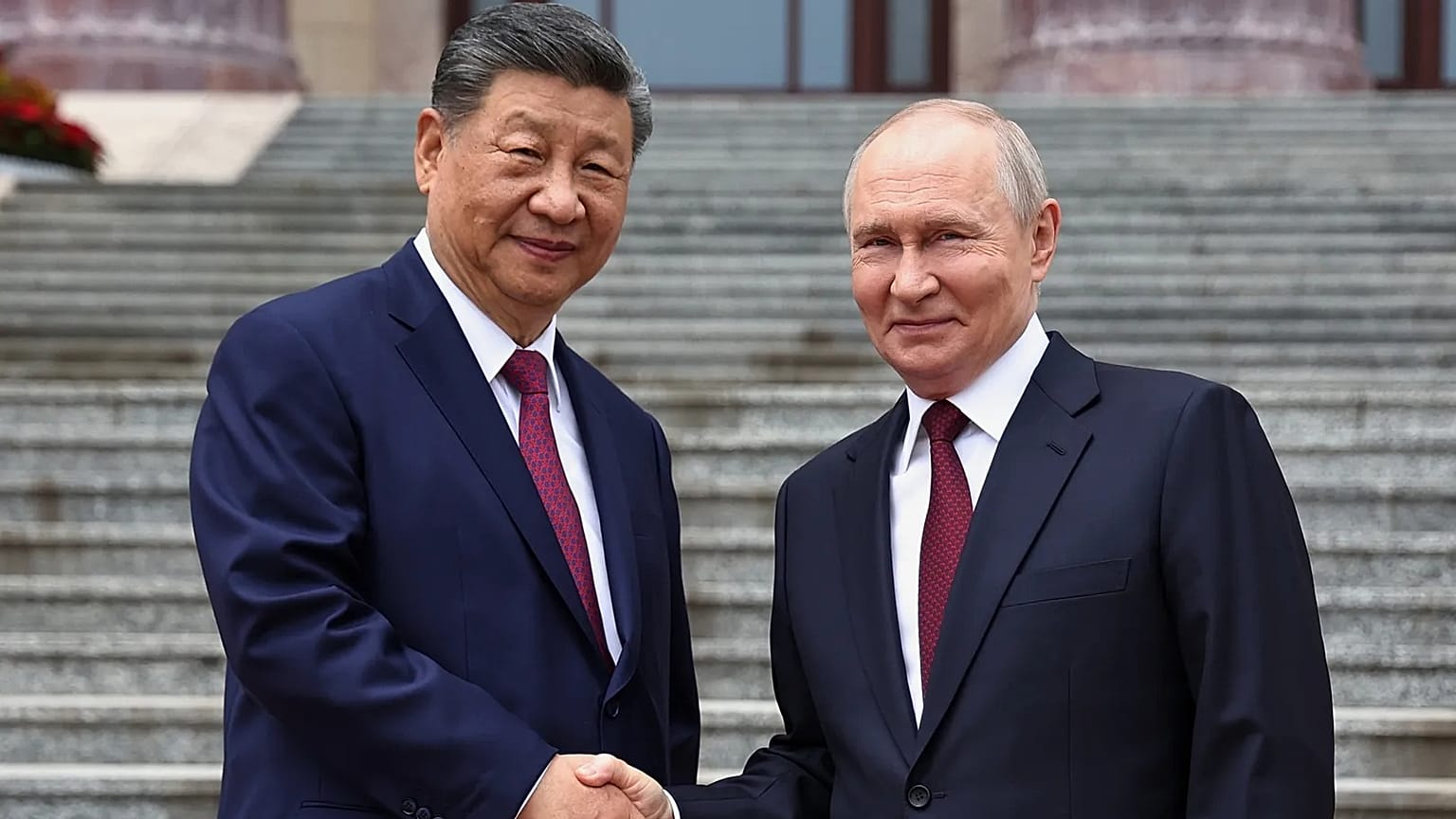
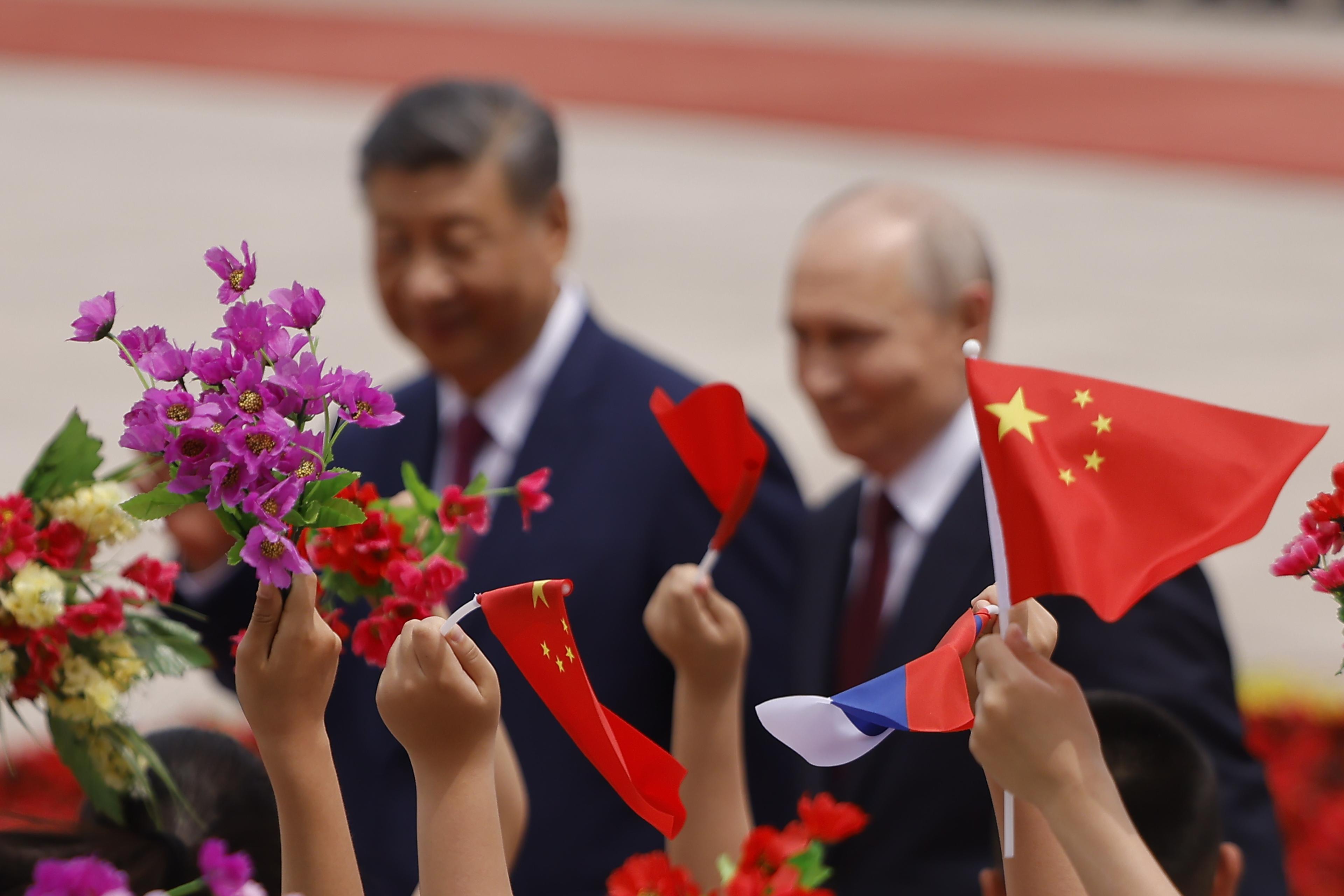
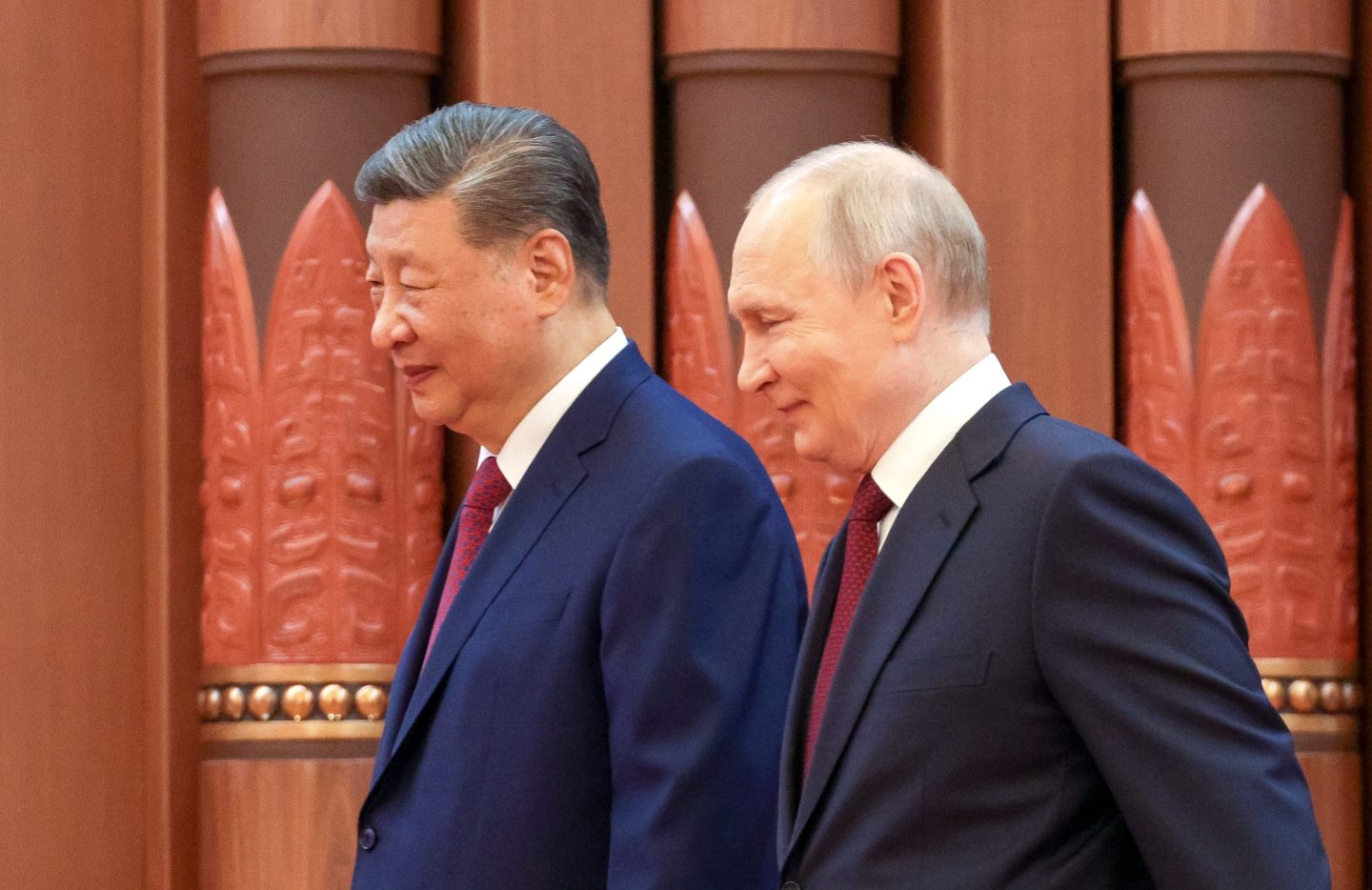
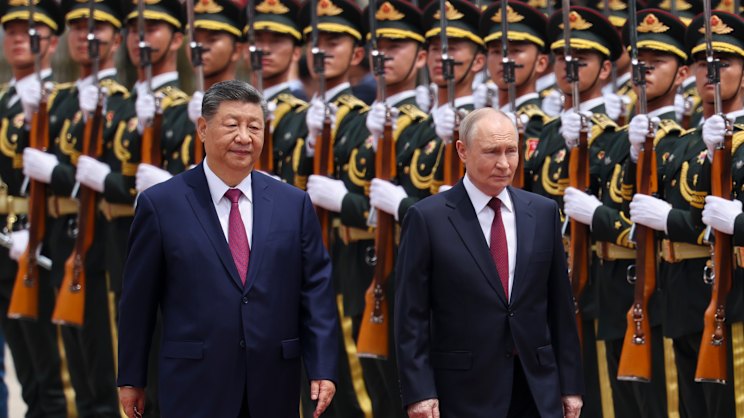
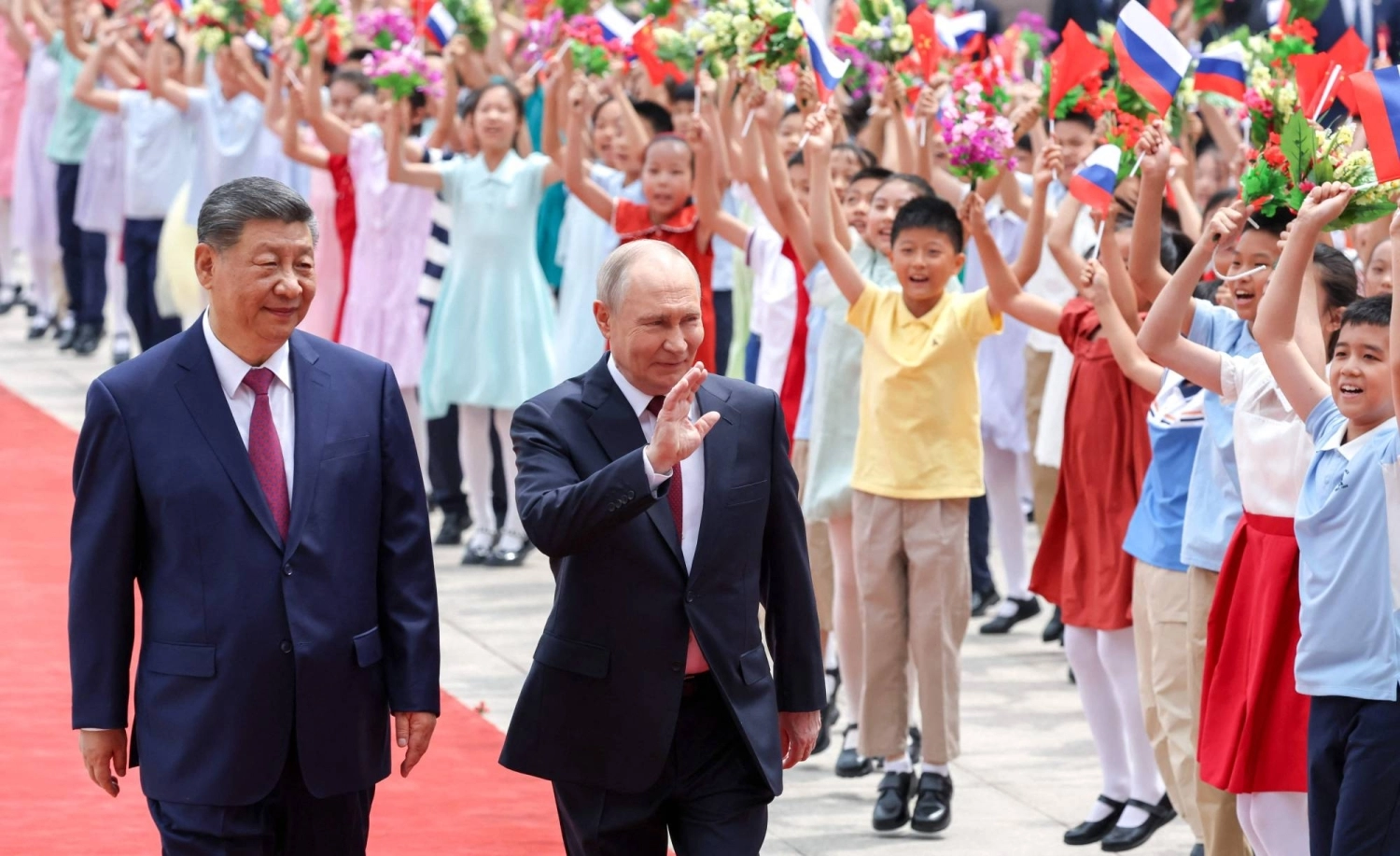
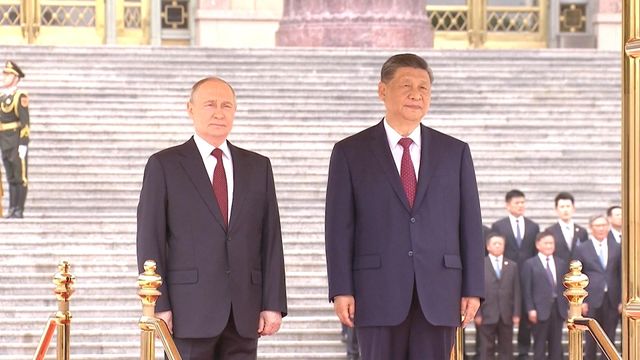
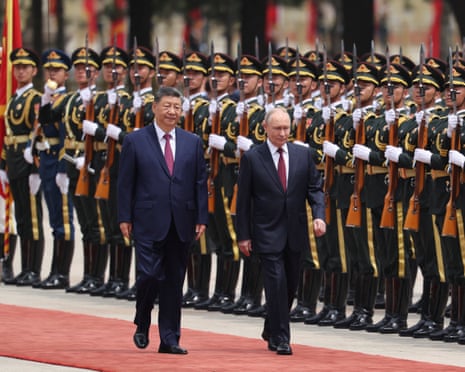
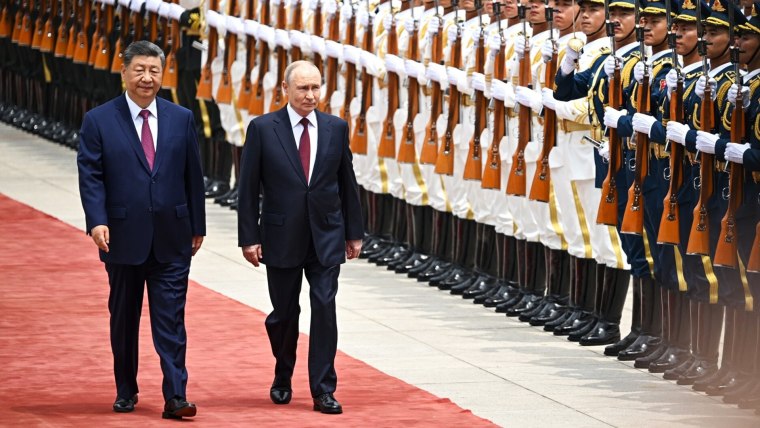
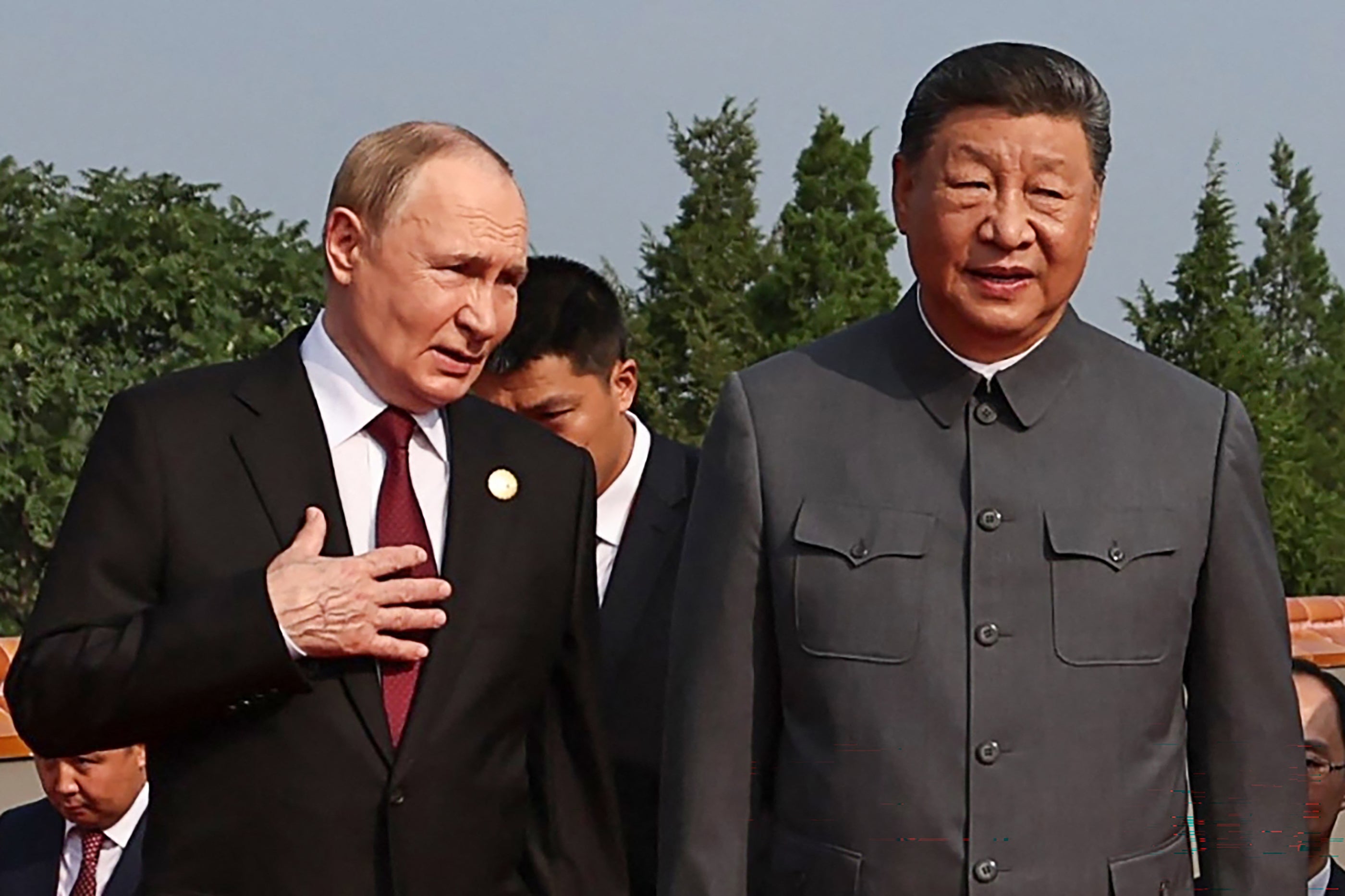
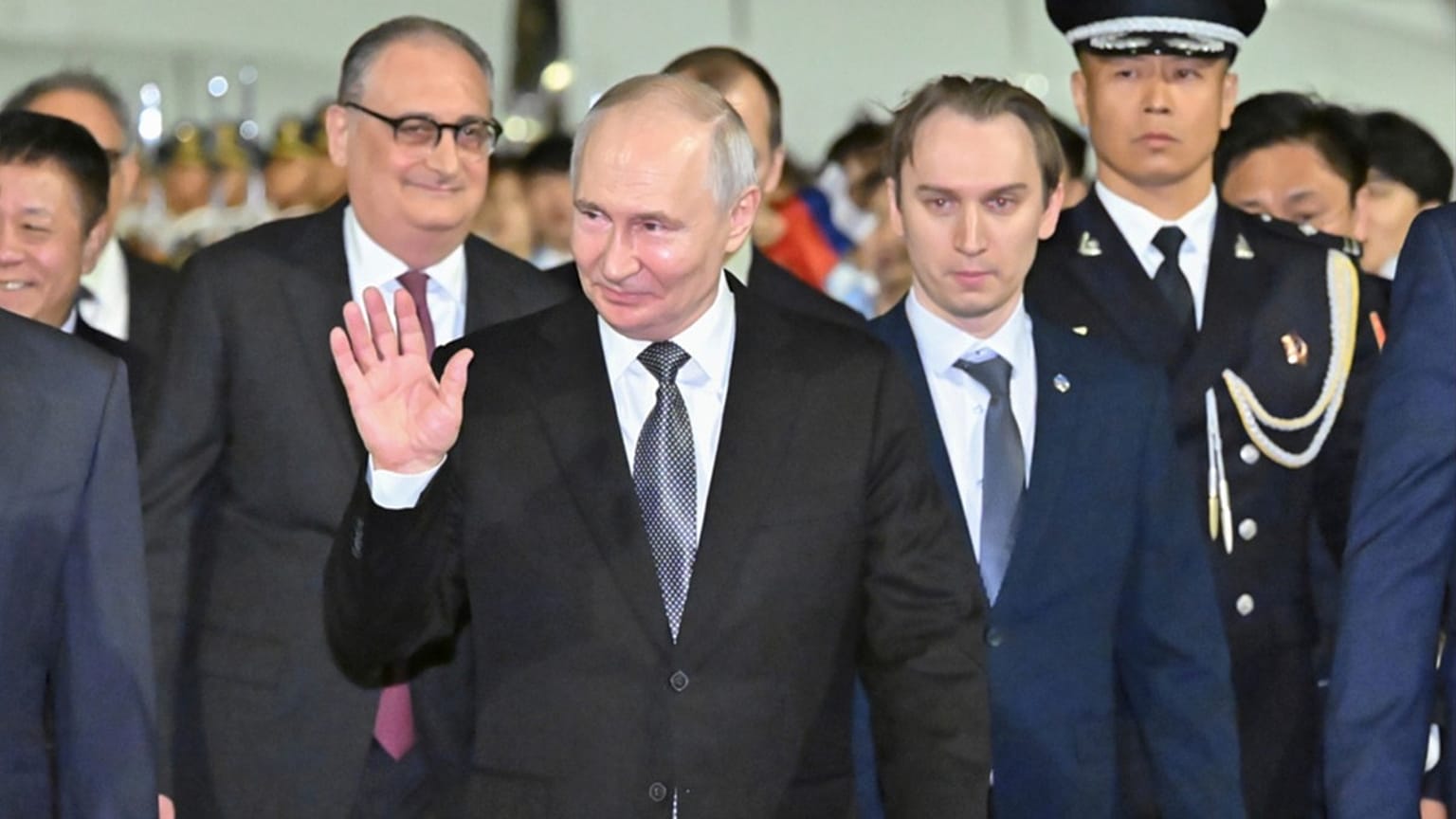
Chinese exporters face a paradoxical opportunity: diversification away from the US market. China's control of 90% of processed rare earths—critical for semiconductors, electric vehicles, and defense systems—provides negotiating leverage, but the Trump administration's focus on "reshoring" and tariff pressure is pushing Chinese manufacturers to pivot toward Russia, India, Vietnam, and Southeast Asian markets. The 40+ cooperation agreements signed during Putin's Beijing visit signal accelerated China-Russia technology and digital economy integration, which will reshape e-commerce logistics, payment systems, and data governance. Sellers exporting from China should expect: (1) longer lead times as manufacturers prioritize non-US markets, (2) potential payment system disruptions as China-Russia cooperation deepens, and (3) new compliance requirements around AI and data standards emerging from bilateral agreements.
Russian sellers face near-total market isolation. Western sanctions have eliminated payment infrastructure (SWIFT, credit cards), and Russia's dependence on China creates a bottleneck: Russian sellers cannot easily access Western e-commerce platforms, while Chinese platforms increasingly dominate Russian e-commerce. This creates a strategic opportunity for sellers in Kazakhstan, Turkey, and UAE to serve Russian consumers through alternative payment rails and logistics corridors. The energy-dependent Russia-China relationship also signals commodity price volatility—higher energy costs will increase manufacturing and logistics expenses across all sourcing regions through 2025-2026.
Questions 8
How much will US tariffs on Chinese imports increase my FBA costs in 2025?
US tariffs on Chinese goods have reached 48% on average, up from 3% in 2016, directly increasing your landed costs by 45 percentage points. For a product with a $10 wholesale cost from China, you now face $4.80 in tariffs alone—transforming a $15 retail price with 33% margin into a breakeven or loss-making item. Electronics, apparel, and consumer goods categories are hit hardest. Monitor USTR.gov weekly for tariff reduction announcements, as Trump's Beijing visit signals potential relief, but specifics remain vague. Most sellers should assume 48% tariffs through Q2 2025 for inventory planning purposes.
Should I shift sourcing from China to Vietnam or India to avoid tariffs?
Yes, but with caveats. Vietnam and India face lower tariff rates (5-15% range) and are benefiting from US trade diversification strategy, but they lack China's manufacturing scale and speed. Lead times increase 4-8 weeks, and quality control becomes more complex. The optimal strategy is a 60/40 split: keep 60% of volume in China for fast-moving categories (electronics, home goods) where tariff costs are absorbed by volume, and shift 40% to Vietnam/India for slower-moving, higher-margin items (apparel, specialty goods). This hedges tariff risk while maintaining supply chain resilience. Evaluate specific HS codes—some categories have tariff exemptions or lower rates.