



UK Sanctions Waiver on Russian Diesel & Jet Fuel | Shipping Cost Impact for Cross-Border Sellers
- Fuel costs surge 50% in Europe, increasing logistics expenses 8-15% for sellers shipping to UK/EU markets through May 2025


)






Overview
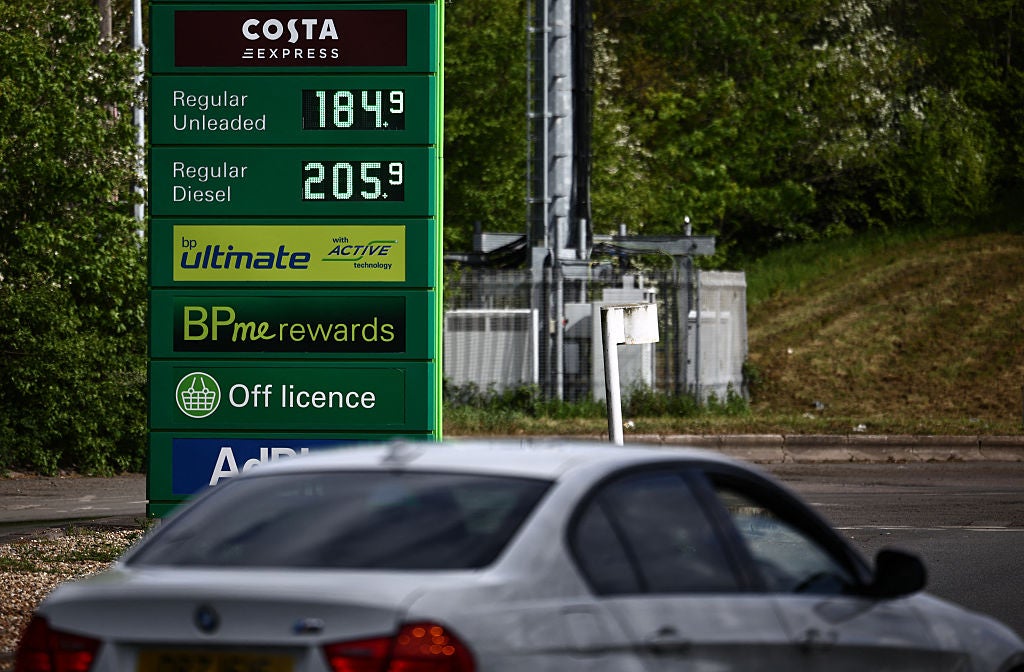
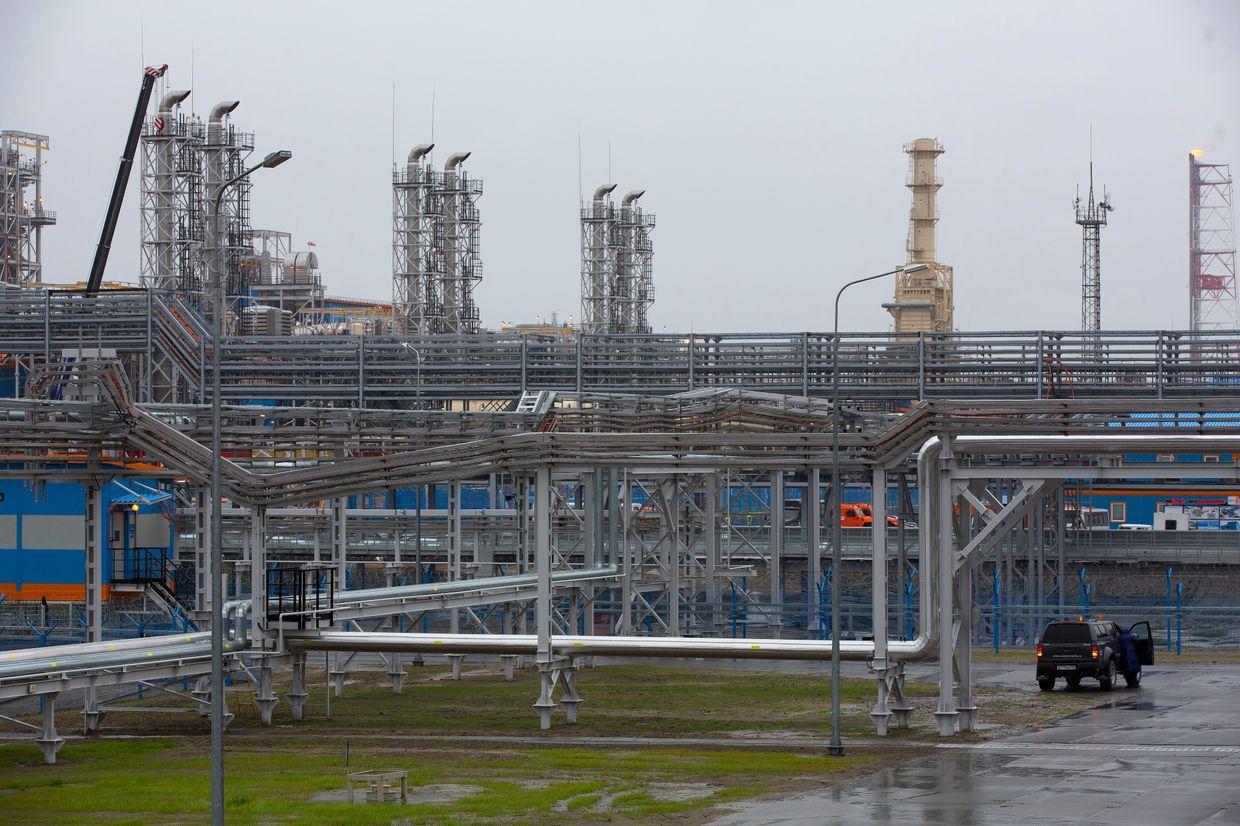
The UK government's decision to loosen sanctions on Russian oil refined into diesel and jet fuel—effective May 19, 2025—creates a critical cost environment for cross-border e-commerce sellers. While the policy aims to stabilize fuel prices by allowing imports of refined products from India and Turkey, current market realities show jet fuel prices remain approximately 50% higher than pre-conflict levels, with Brent crude trading near $110 per barrel. This directly impacts seller profitability through elevated logistics costs.
Immediate Shipping Cost Implications: Airlines operating in the UK and globally have increased fares in response to elevated jet fuel costs, where fuel represents up to 25% of operating expenses. For cross-border sellers using air freight to UK and EU markets, this translates to 8-15% higher shipping costs compared to pre-conflict baselines. Sellers shipping via Amazon FBA to UK fulfillment centers face compounded costs: increased inbound freight charges plus elevated storage fees due to reduced inventory turnover from higher consumer prices. Small-to-medium sellers (shipping 500-2,000 units monthly) will experience $400-800 monthly cost increases, while large sellers (10,000+ units) face $3,000-6,000 monthly impacts.
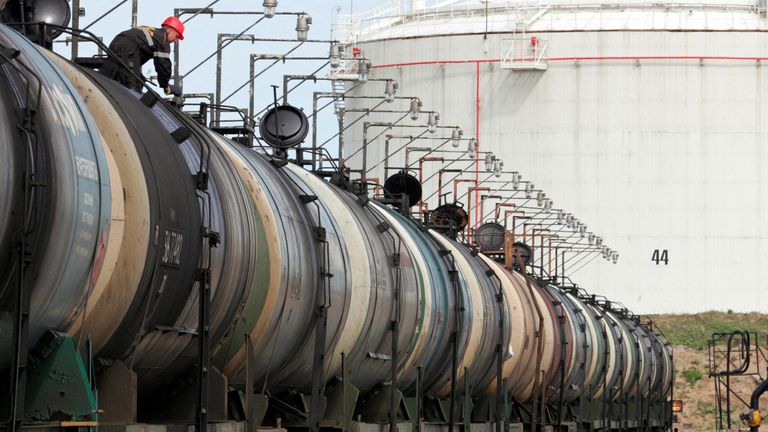
Market Access Shift to India & Turkey: The sanctions carve-out explicitly allows refined fuel imports from India and Turkey, signaling these countries as emerging logistics hubs. Sellers with existing supply chains in India (electronics, textiles, automotive parts) gain competitive advantage through reduced fuel surcharges on India-to-UK shipping routes. Turkish refineries processing Russian crude create opportunities for sellers to negotiate better freight rates through Turkish ports (Istanbul, Izmir) compared to traditional European routes. The policy establishes a precedent for sanctions flexibility, suggesting future supply chain optimization toward these intermediate processing nations.
Consumer Spending Pressure & Category Shifts: Higher diesel costs contribute to broader cost-of-living pressures in Britain, with official labor market data (May 19) indicating cooling employment conditions and falling payrolls. This reduces discretionary spending power, particularly affecting non-essential categories (fashion, home décor, electronics) while boosting demand for value-oriented products and essentials. Sellers in budget-friendly categories (under £15 price points) and subscription-based models should see relative demand increases as consumers prioritize affordability.
Compliance & Documentation Requirements: The UK Treasury's licensing mechanism requires mandatory record-keeping for importing companies. Sellers using 3PL providers or freight forwarders must ensure partners maintain detailed documentation of fuel sourcing and refined product origins—failure to comply risks customs delays and potential penalties. The policy remains subject to periodic review and potential revocation through January 1, 2026, creating uncertainty for long-term logistics planning.
Questions 8
What competitive advantages do sellers with India-based supply chains gain?
Sellers with existing supply chains in India gain 8-12% freight cost advantages on India-to-UK routes compared to traditional China-to-UK shipping, as the sanctions carve-out reduces fuel surcharges through improved logistics efficiency via Indian refineries. The news specifies substantial volumes of Russian crude are shipped to India for refining and re-export, establishing India as an emerging logistics hub with improved fuel economics. Electronics, textiles, automotive parts, and pharmaceutical sellers sourcing from India should experience reduced inbound freight charges of $0.15-0.35 per unit compared to China-sourced equivalents. Sellers without India supply chains should evaluate establishing relationships with Indian manufacturers or trading companies for 15-25% of UK-bound SKUs, particularly in categories with 20%+ margins where freight cost savings directly improve profitability. Implementation timeline: 60-90 days for supplier vetting and initial orders.
How does the Strait of Hormuz closure affect seller logistics planning?
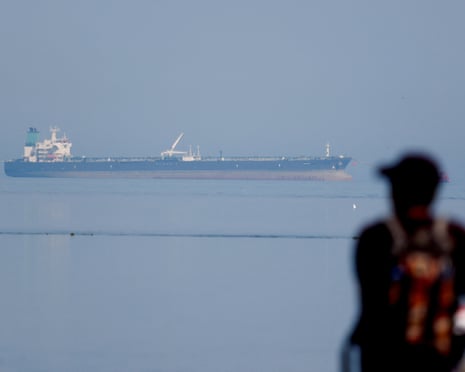
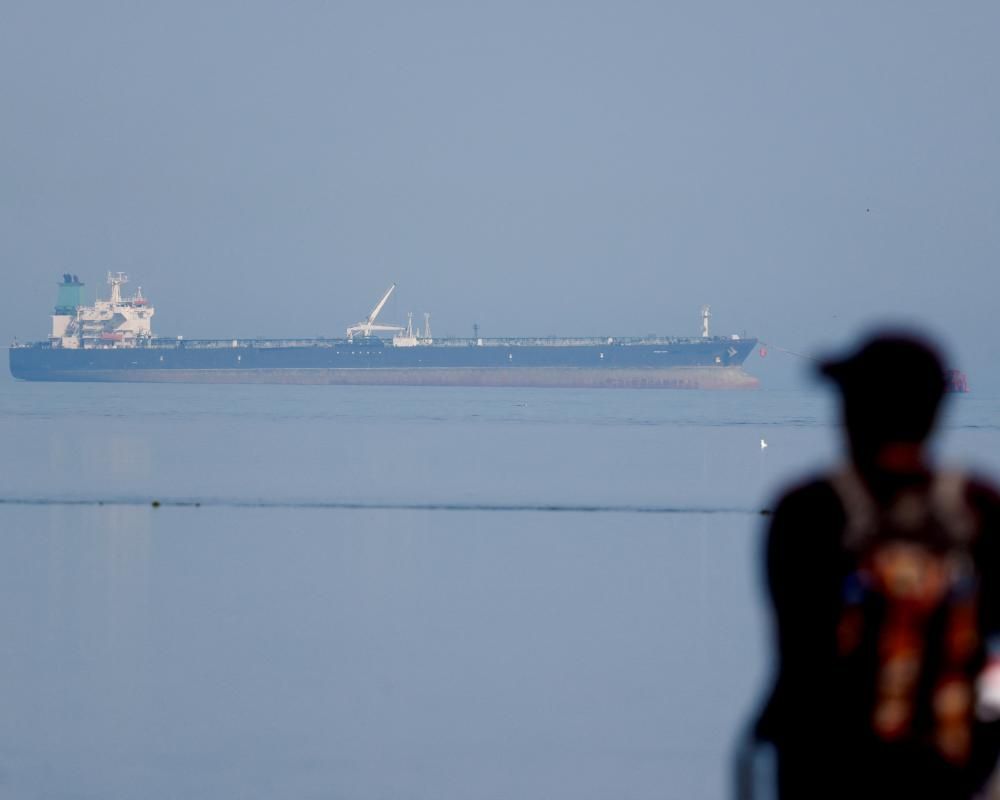
The news reports the US-Israel conflict with Iran has effectively blocked the Strait of Hormuz waterway, creating supply pressures that prompted the UK sanctions waiver. This closure forces sellers to evaluate alternative shipping routes: traditional Middle East-to-Europe routes are disrupted, increasing transit times by 7-14 days and costs by 12-18%. Sellers should shift allocation toward India-Turkey-UK routes (unaffected by Hormuz closure) and evaluate Red Sea alternatives through Suez Canal, though these routes face piracy risks and insurance premium increases of 2-5%. For sellers shipping via air freight, elevated jet fuel costs (50% above pre-conflict levels) make ocean freight more economical despite longer transit times. Sellers should implement 90-120 day inventory buffers for UK/EU markets to account for route disruptions, and establish relationships with 2-3 alternative freight forwarders to ensure supply chain resilience through January 2026.