
Geopolitical Tensions & Supply Chain Risk | Cross-Border Sellers Face Logistics Uncertainty
- May 2026 Russia-NATO military escalation signals potential shipping disruptions affecting 50K+ sellers in Eastern Europe and Asia-Pacific routes











Overview
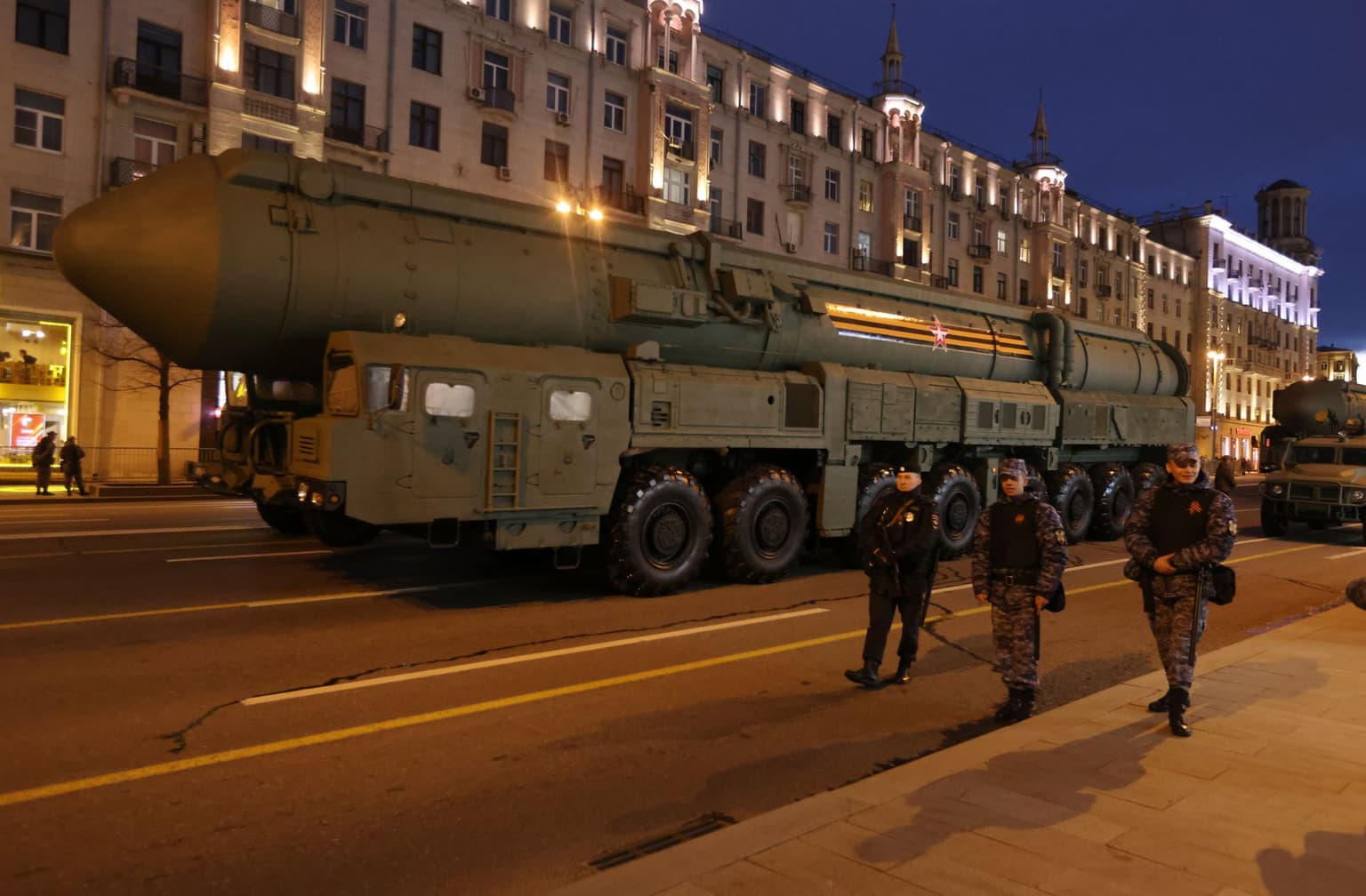
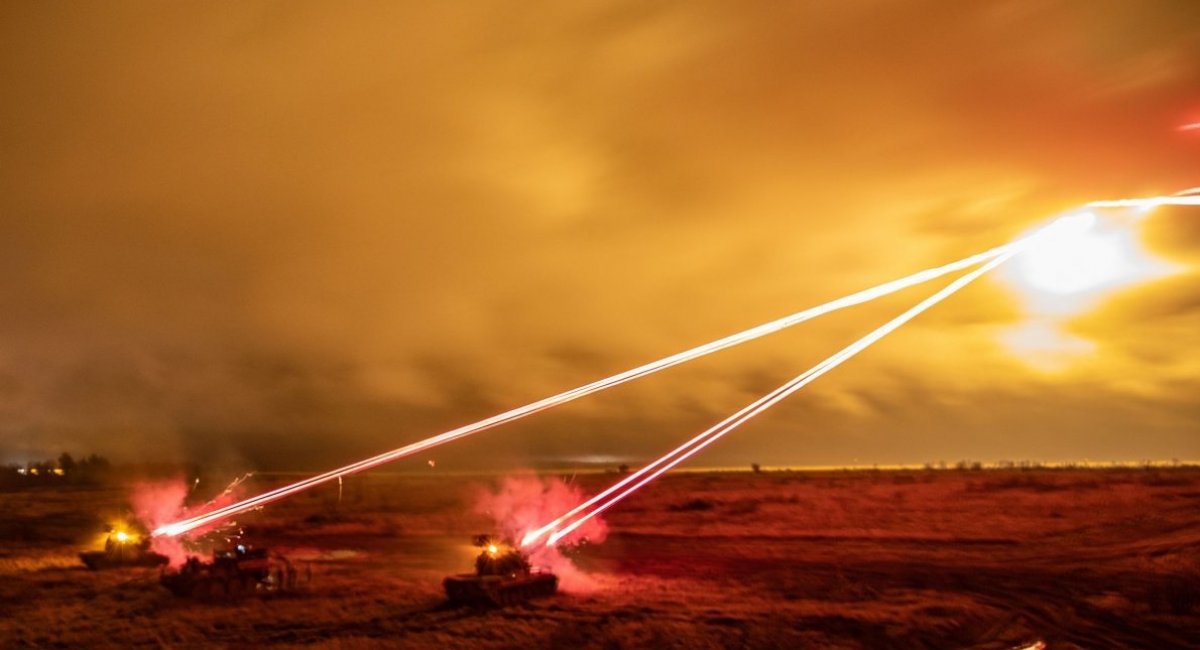
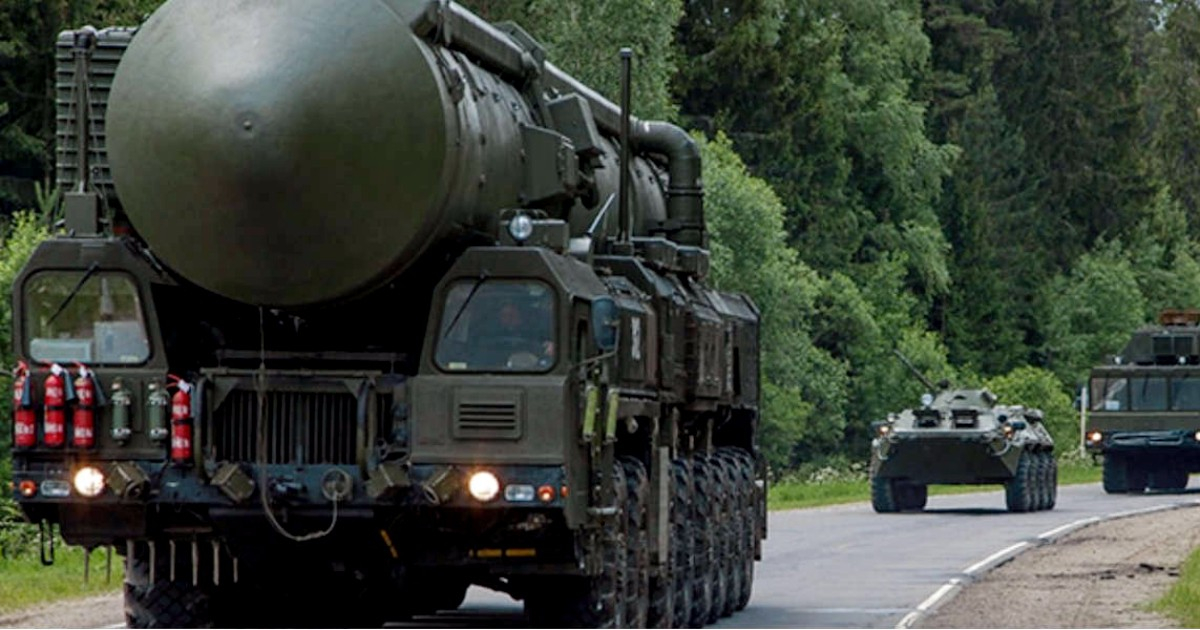
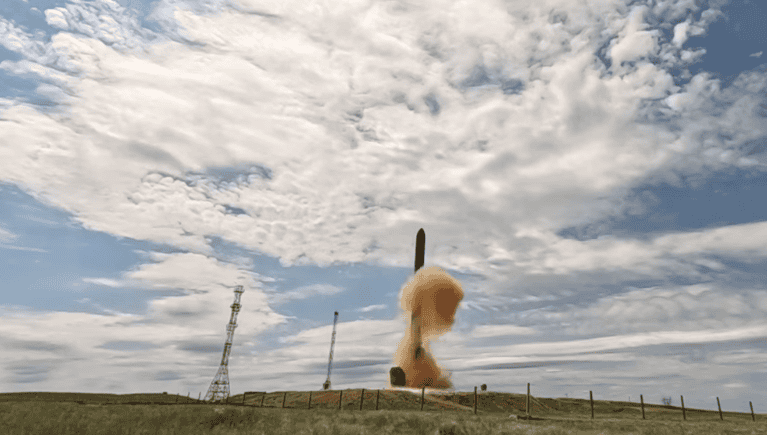
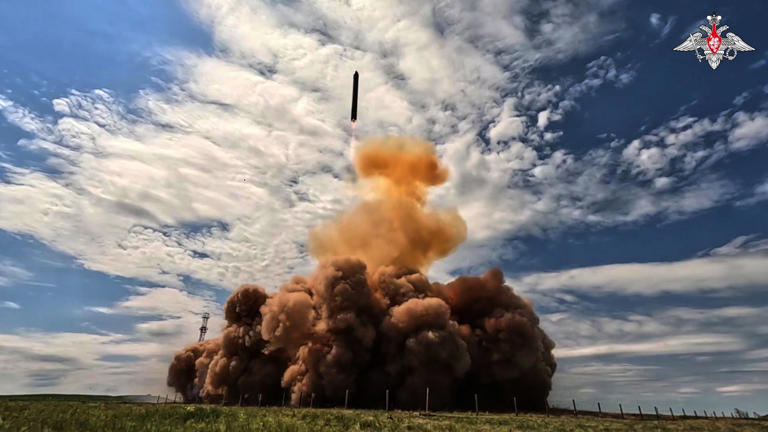
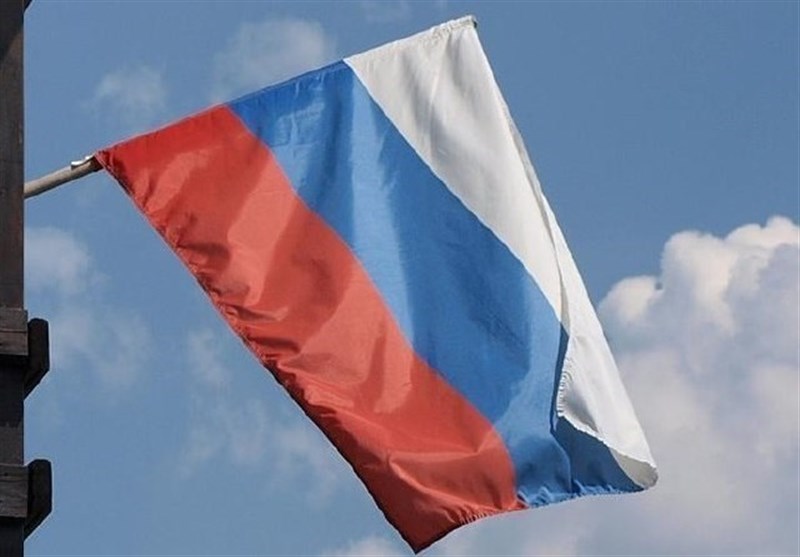
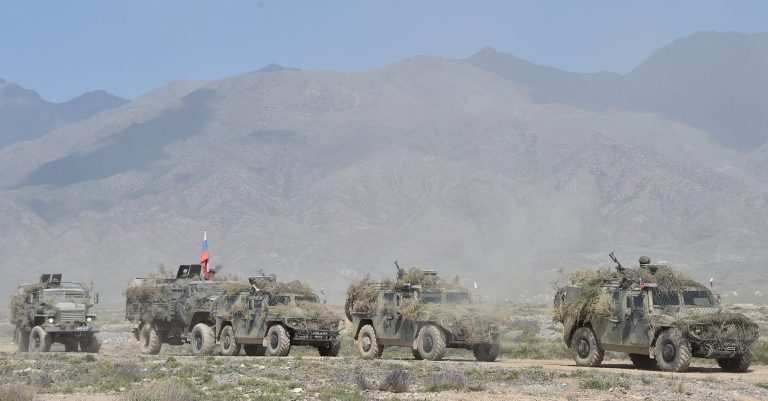
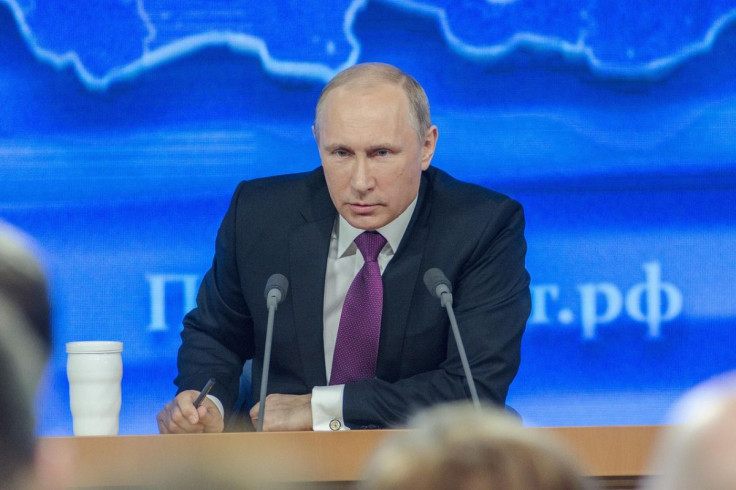
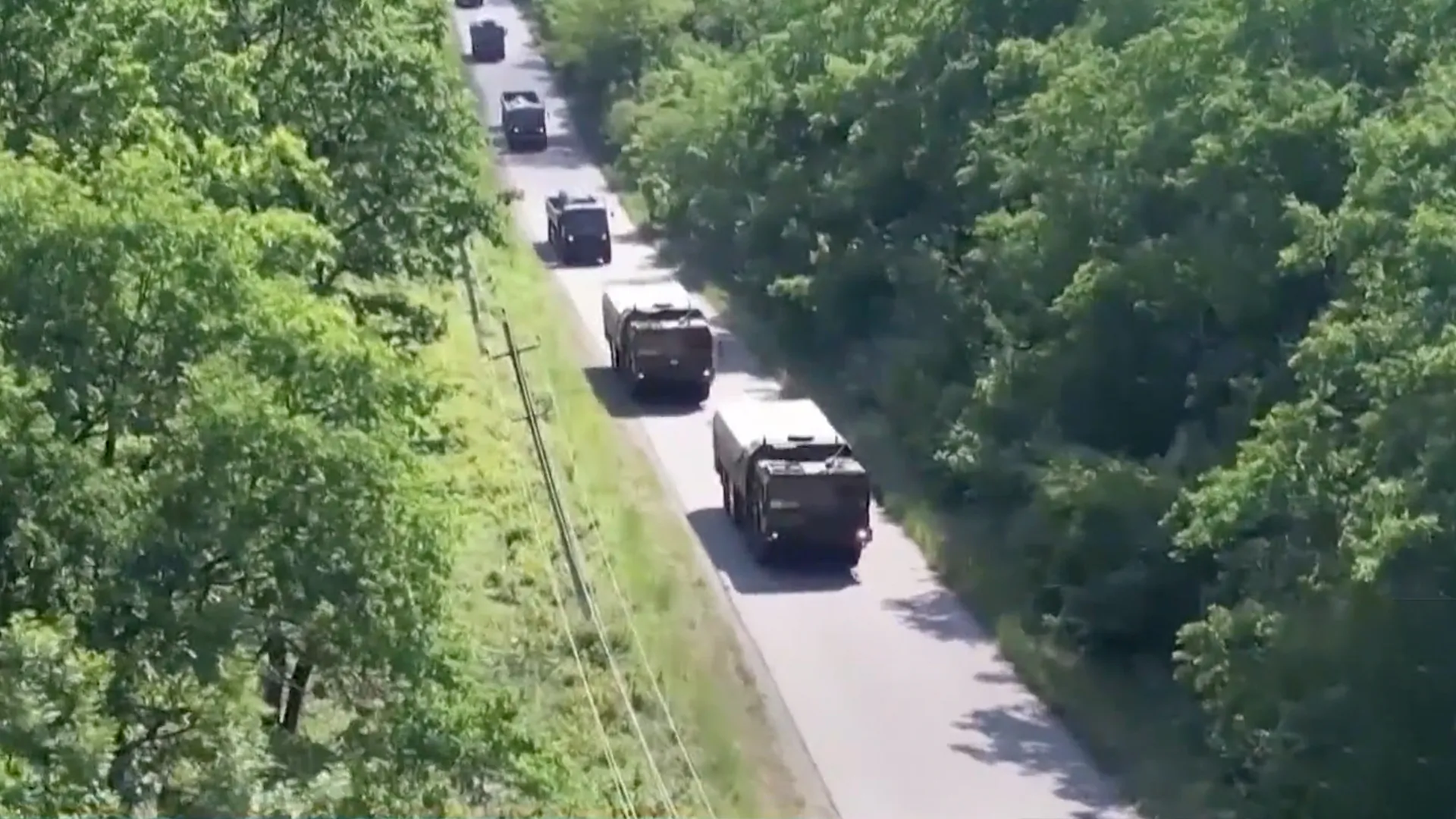
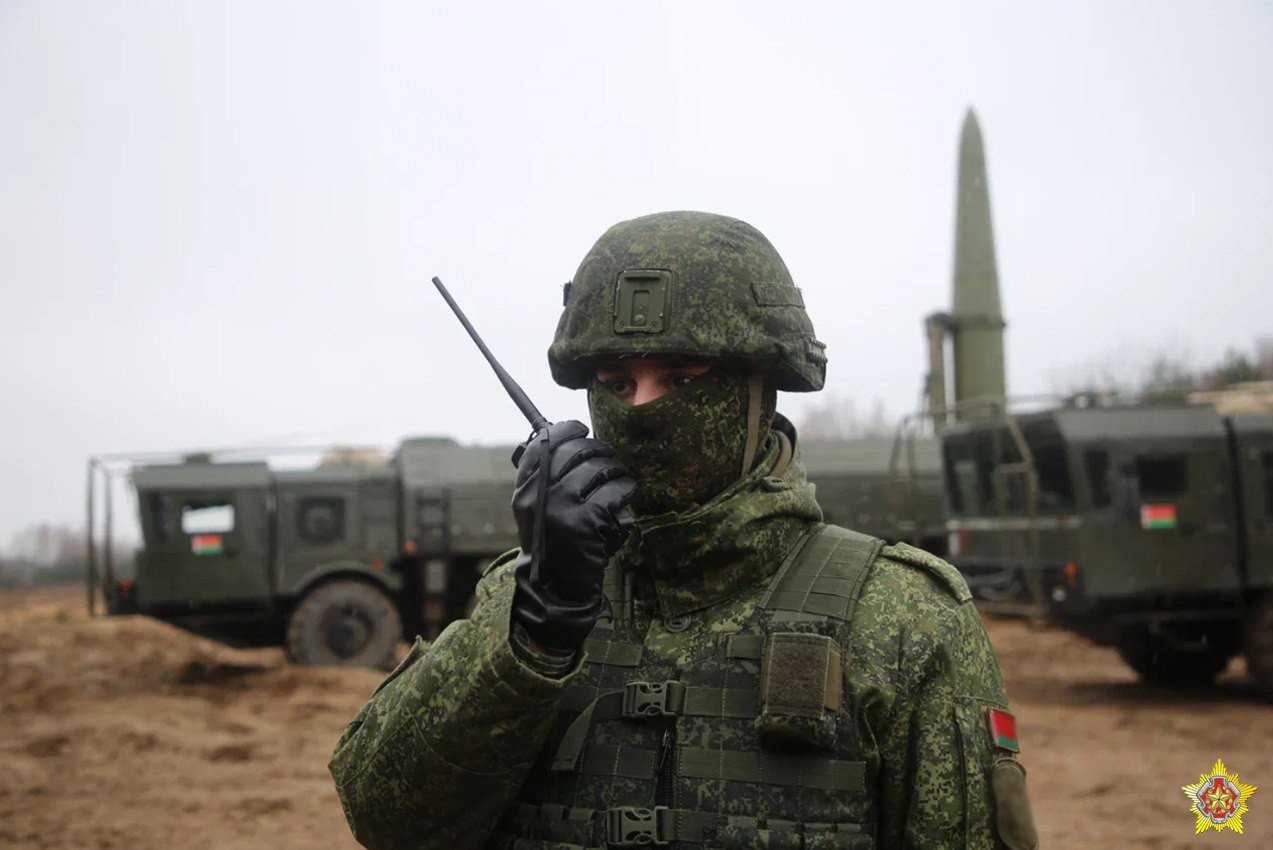
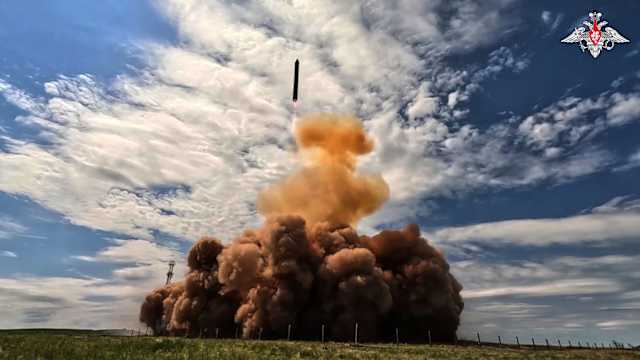
The May 20, 2026 Russian military nuclear exercise involving 64,000 personnel, 200+ missile launchers, and 140 aircraft represents a significant geopolitical escalation that creates indirect but material risks for cross-border e-commerce sellers. While the exercise itself focuses on military readiness, the underlying Russia-NATO tensions directly impact logistics networks, shipping routes, and regulatory compliance for sellers operating across affected regions.
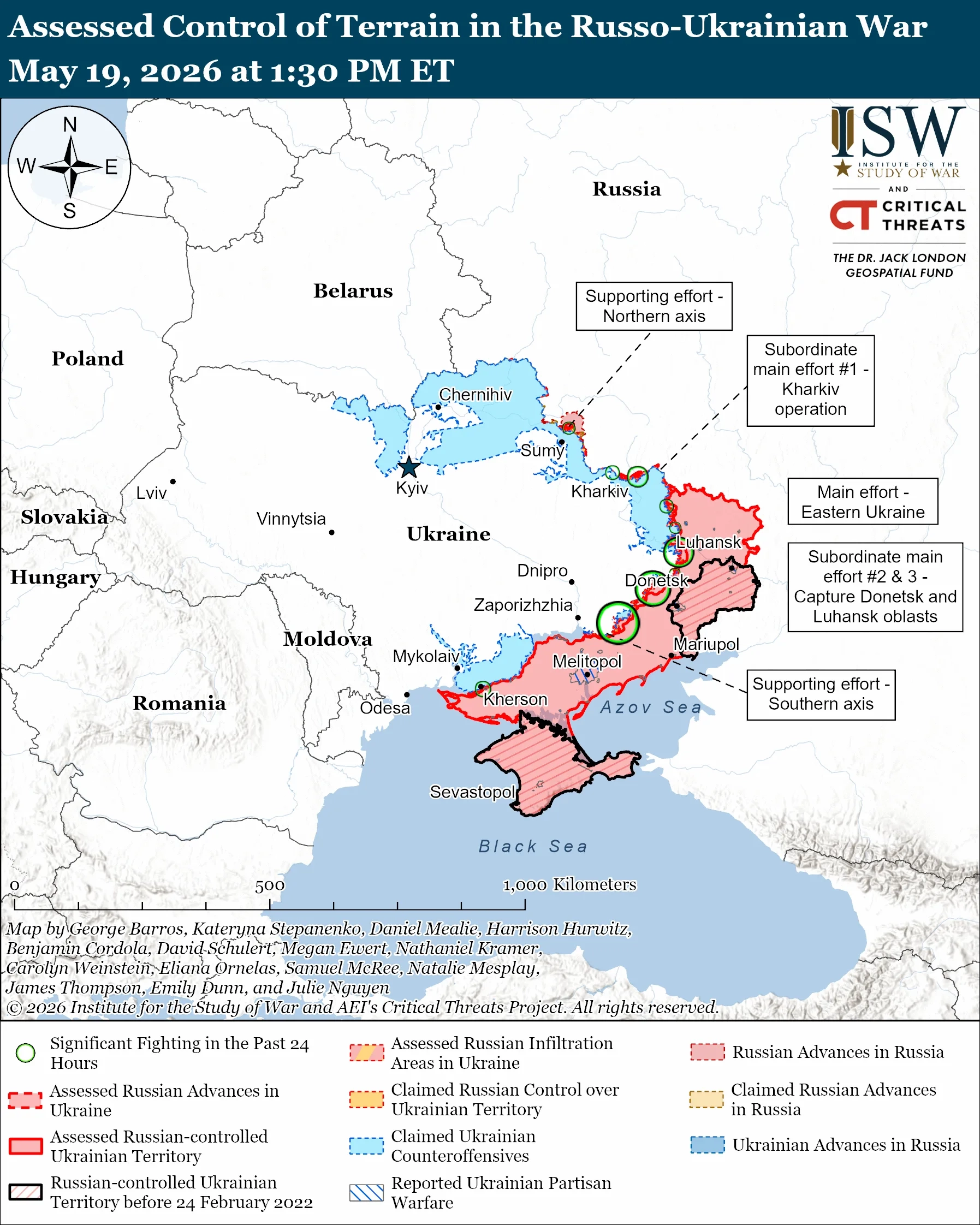
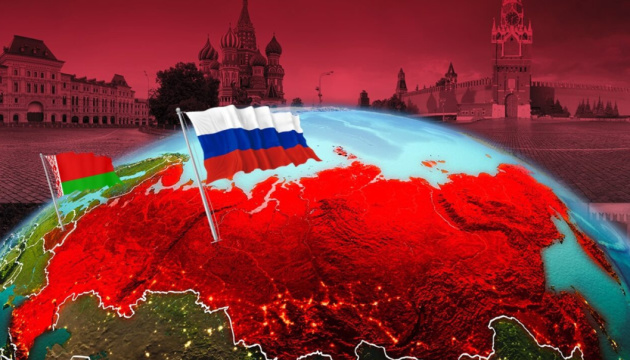
Supply Chain & Logistics Impact: Russia's demonstration of nuclear deployment capabilities amid escalating Ukraine conflict tensions increases uncertainty around Eastern European shipping corridors and Baltic Sea routes. Sellers utilizing 3PL providers with operations in Poland, Lithuania, or other NATO border regions face potential disruptions. The Institute for the Study of War assessment that drills aim to "influence NATO decision-making" suggests prolonged geopolitical uncertainty rather than imminent military action—but this uncertainty itself creates operational costs. Sellers shipping through European hubs to Russia, Belarus, or Central Asia should expect: (1) increased insurance premiums for high-risk routes (typically 2-5% surcharge), (2) potential customs delays at border crossings, (3) carrier capacity reductions as logistics firms reroute around conflict zones.
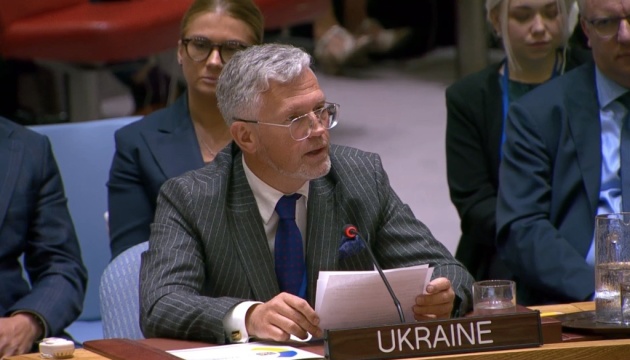
Market Access & Regulatory Compliance: Deputy Foreign Minister Ryabkov's warning of "increasing risks of direct Russia-NATO confrontation" signals potential for expanded sanctions regimes. Sellers with inventory in Russian warehouses or active sales channels in Russia/Belarus face compliance risks. The EU and US have historically expanded export controls during military escalations—affecting electronics, machinery, and dual-use technology categories. Sellers should audit their product compliance against current OFAC, EU, and UK sanctions lists, particularly if selling through Amazon Global, eBay International, or Shopify to Eastern European markets.
Consumer Behavior & Demand Shifts: Geopolitical uncertainty typically triggers defensive consumer spending patterns. Historically, military tensions correlate with increased purchases of: emergency preparedness products (first aid, water filters, non-perishables), security/surveillance equipment, and communication devices. Sellers in these categories can capitalize on heightened consumer anxiety through targeted PPC campaigns in NATO countries (Poland, Baltics, Romania) where geopolitical risk perception is highest. Regional demand for survival/preparedness merchandise typically increases 15-40% during escalation periods.
Questions 8
What role does the Institute for the Study of War assessment play in seller strategy?
The ISW assessment that Russia's drills aim to 'influence NATO decision-making rather than reflect genuine military capability concerns' suggests prolonged geopolitical uncertainty rather than imminent military conflict. This distinction is critical for sellers: (1) Expect 6-12 months of elevated logistics costs and compliance complexity rather than acute supply chain collapse; (2) Plan inventory and pricing strategies around sustained uncertainty rather than crisis mode; (3) Avoid panic liquidation of Eastern European inventory—gradual rebalancing over 60-90 days is more profitable; (4) Monitor NATO response and diplomatic developments for signals of de-escalation that could normalize logistics costs; (5) Build contingency plans for worst-case scenarios (expanded sanctions, route closures) but don't implement them immediately. The ISW framing suggests this is a strategic messaging exercise, reducing probability of direct military action but increasing probability of regulatory/sanctions tightening.
What immediate actions should sellers take in response to this escalation?
Within 30 days: (1) Audit OFAC/EU sanctions compliance for all active sales channels to Russia, Belarus, and Ukraine—use Treasury Department's free SDN search tool; (2) Contact 3PL providers for updated risk assessments and rerouting options; (3) Review inventory distribution across fulfillment centers and identify concentration risks in Eastern Europe; (4) Update pricing models to reflect potential 2-5% logistics cost increases; (5) Monitor currency volatility in Polish zloty, Hungarian forint, and Baltic currencies for margin impact. Within 60-90 days: Rebalance inventory toward Western European hubs, diversify 3PL providers, and consider suspending new inventory commitments to high-risk regions pending geopolitical stabilization. Subscribe to OFAC updates and trade compliance alerts to track sanctions changes.