



Russia-China Energy Boom Reshapes Global Supply Chains | Seller Sourcing Opportunities 2026
- Geopolitical energy realignment creates $400B+ infrastructure investment, shifting manufacturing costs and logistics corridors for cross-border sellers sourcing from Asia





Overview
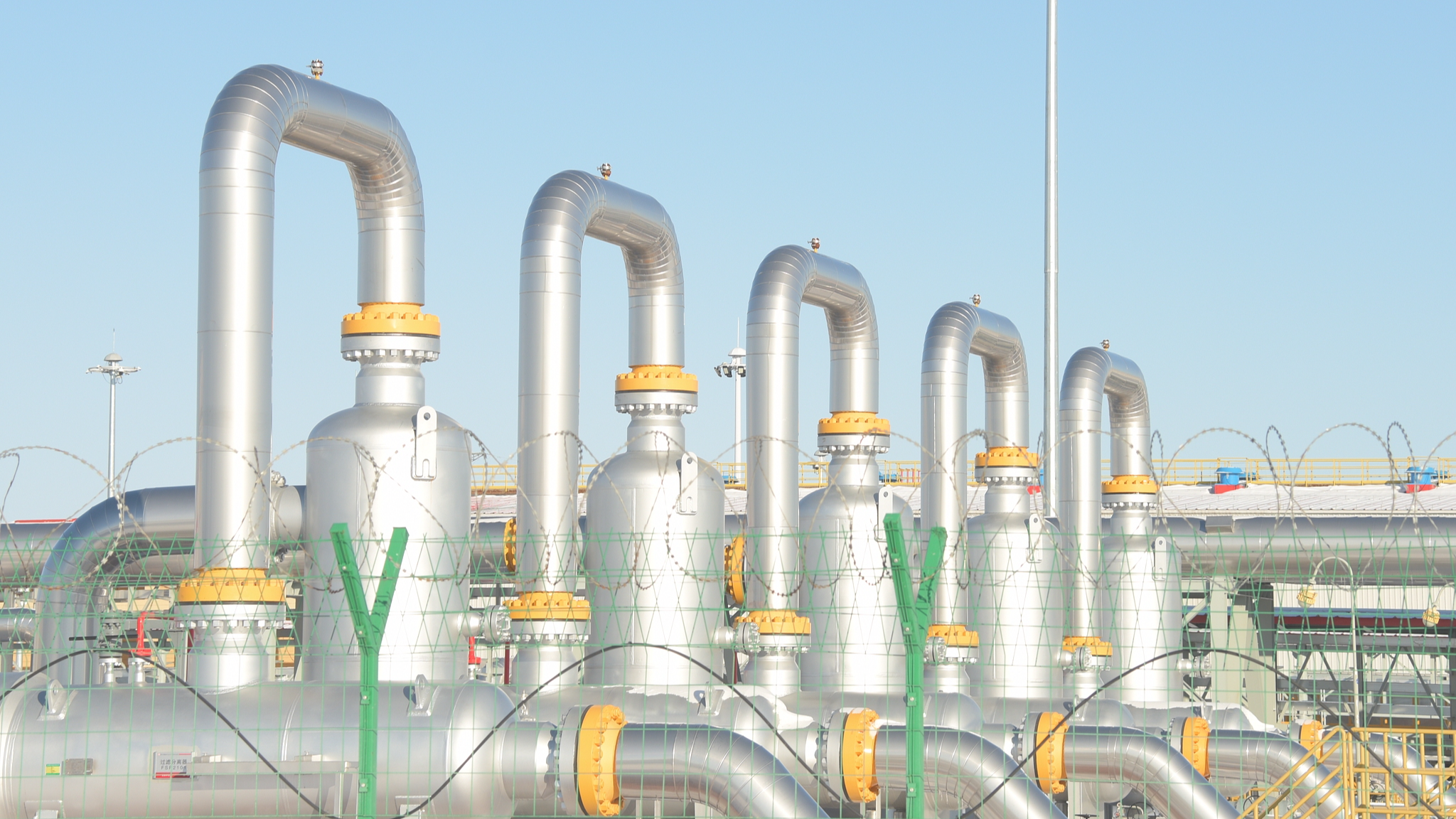
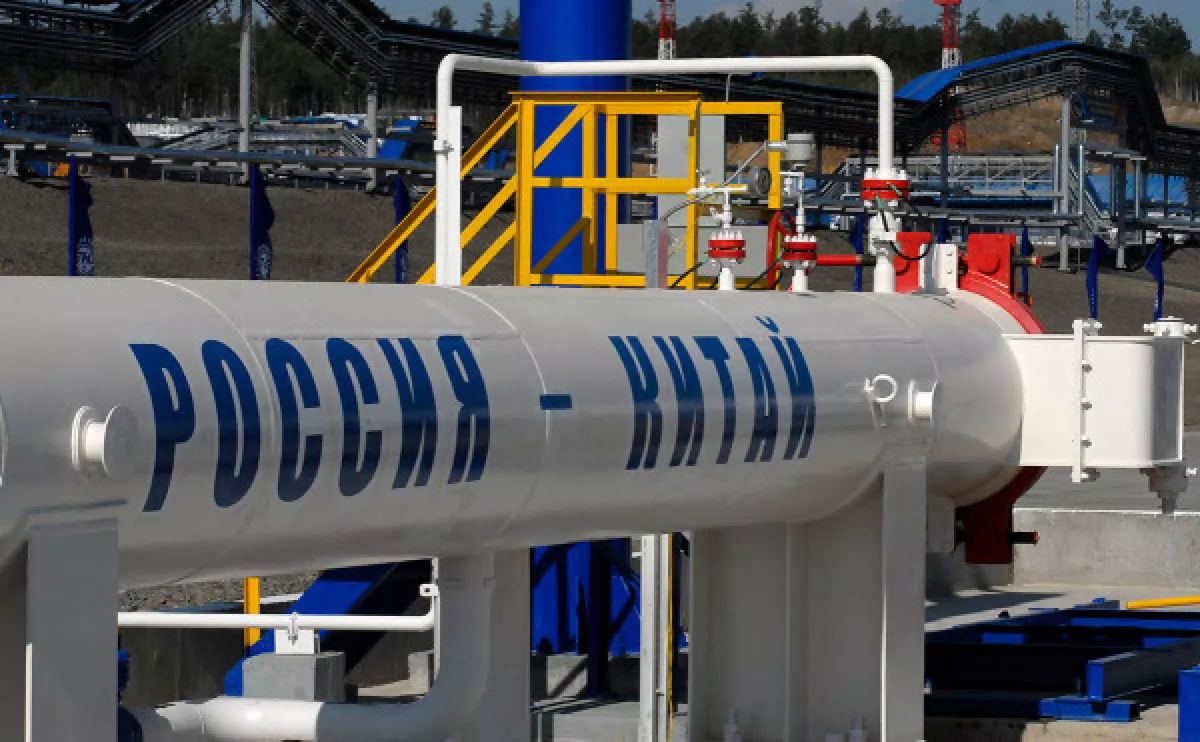
Russia's deepening energy partnership with China—marked by 25% natural gas growth to 38.8 billion cubic meters annually and 35% crude oil export increases to 31 million tons in Q1 2026—represents a fundamental geopolitical realignment with direct implications for cross-border e-commerce sellers. The $400 billion Power of Siberia pipeline agreement and planned Power of Siberia 2 expansion (50 billion cubic meters capacity) signal sustained infrastructure investment that will reshape manufacturing economics across Asia-Pacific supply chains.
For cross-border sellers, this energy realignment creates three critical sourcing opportunities. First, China's energy security through Russian supplies reduces Beijing's reliance on Middle Eastern imports, freeing capital for domestic manufacturing expansion in electronics, textiles, and industrial goods—categories representing 45-60% of cross-border export volumes. Sellers sourcing from Guangdong, Jiangsu, and Zhejiang provinces can expect improved factory capacity availability and potentially 3-8% cost reductions as Chinese manufacturers benefit from lower energy input costs. Second, the pipeline infrastructure expansion through Kazakhstan (Atasu-Alashankou corridor adding 2.5 million tons annually) creates new logistics corridors. Sellers currently routing shipments through traditional China-to-Europe pathways can explore Central Asian alternatives, potentially reducing shipping times by 5-7 days and customs complexity by leveraging EAEU trade agreements. Third, Russia's pivot from European markets (EU gas market share collapsed during Ukraine conflict) means Russian sellers are increasingly competing in Asian marketplaces rather than European platforms, reducing competitive pressure in EU-focused categories like industrial equipment and machinery.
The operational impact varies significantly by seller segment. Large sellers (10,000+ monthly units) with established China sourcing relationships gain immediate advantages through lower input costs and improved factory reliability as Chinese manufacturers secure long-term energy contracts. Medium-sized sellers (1,000-5,000 units) should monitor energy-intensive categories—electronics, appliances, industrial goods—where 3-5% margin improvements become possible within 6-12 months as pipeline capacity reaches full utilization by 2027. Small sellers and dropshippers face minimal direct impact but should track currency fluctuations; the ruble-yuan energy trade strengthens both currencies against the dollar, potentially increasing sourcing costs by 2-4% for USD-based buyers. The timing window is critical: Power of Siberia 2 negotiations remain pending formal contract signature, meaning final capacity commitments could shift through 2026-2027, affecting manufacturing investment cycles and factory expansion timelines that directly influence supplier reliability and lead times.
Questions 8
Which product categories benefit most from China's lower energy costs?
Energy-intensive categories see the greatest margin improvements: electronics (HS 8471-8517), appliances (HS 8509-8516), industrial machinery (HS 8401-8480), and metal products (HS 7207-7326). These categories typically have 15-25% energy costs embedded in manufacturing. A 3-8% energy cost reduction translates to 0.5-2% gross margin improvement—significant for sellers operating on 5-15% margins. Textiles and apparel (HS 6201-6217) see minimal impact as labor dominates costs. Track your supplier cost sheets through mid-2026 to quantify category-specific savings.
How does Russia's exit from European markets affect my EU-based competition?
Russian sellers previously competing in EU marketplaces are increasingly pivoting to Asian platforms, reducing competitive pressure in EU-focused categories like industrial equipment, machinery, and raw materials. Russia's EU gas market share collapsed during the Ukraine conflict while maintaining 16% LNG market share. This geographic shift means fewer Russian competitors in Amazon EU, eBay Europe, and Shopify stores selling to European buyers. Sellers in industrial goods and machinery categories can expect 10-15% less Russian competition through 2026-2027, creating pricing power and market share opportunities.