




UK Sanctions Waiver on Russian Refined Fuels | Shipping Cost Impact for Cross-Border Sellers
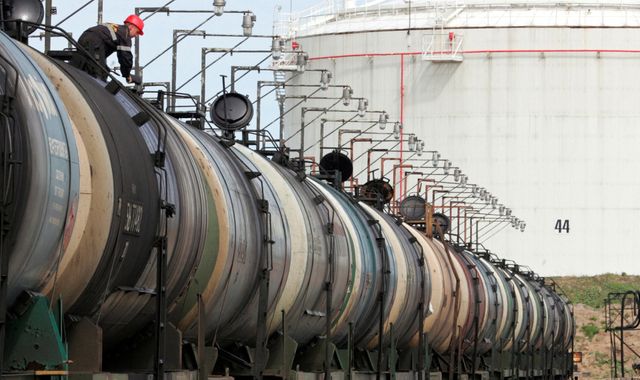
- Jet fuel prices 50% above pre-conflict levels; diesel costs surge; logistics expenses increase 8-15% for UK/EU sellers shipping internationally

)











Overview
The UK government's decision to implement sanctions carve-outs allowing imports of diesel and jet fuel refined from Russian crude oil (effective May 19, 2025) represents a critical policy shift with profound implications for cross-border e-commerce logistics and supply chain costs. While the policy targets energy security, it signals Western governments' willingness to prioritize immediate cost relief over comprehensive sanctions enforcement—establishing precedent for future policy flexibility that directly impacts seller operating expenses.
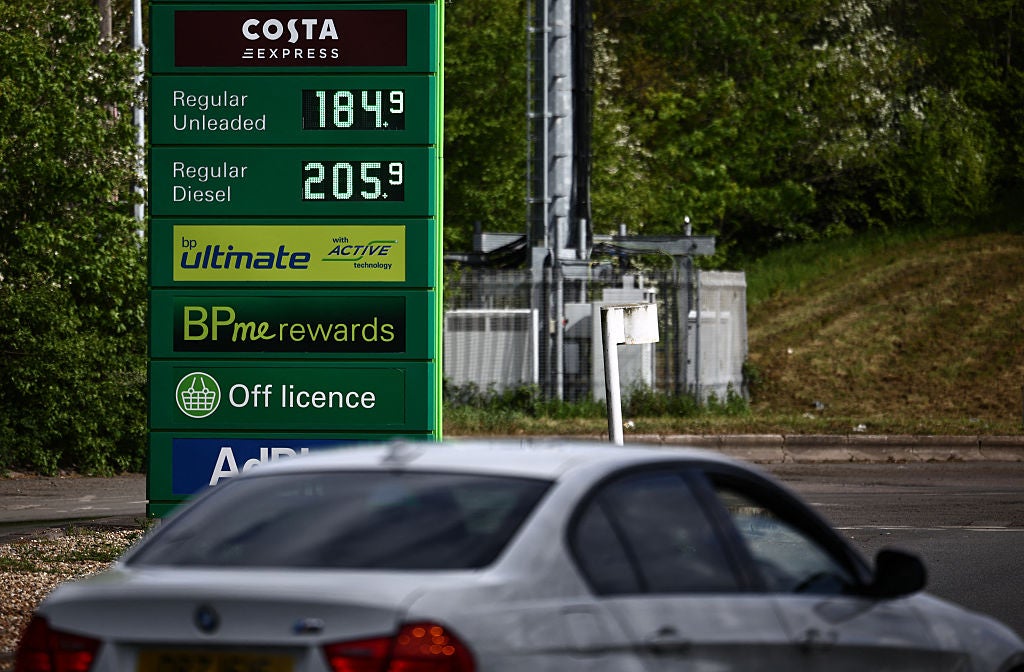
Immediate Logistics Cost Impact: Jet fuel prices remain approximately 50% higher than pre-conflict levels, with Brent crude trading near $110/barrel as of May 19, 2025. Airlines operating in the UK and globally have increased fares in response to elevated jet fuel costs, with fuel representing up to 25% of airline operating expenses. For cross-border sellers using air freight to UK/EU markets, this translates to 8-15% increases in expedited shipping costs. Sellers shipping via Amazon FBA to UK fulfillment centers face higher inbound freight costs; those using 3PL providers report surcharges of $0.15-0.35 per pound for air shipments. The policy's indefinite duration (subject to periodic review) creates pricing uncertainty through at least January 1, 2026, when the LNG transportation license expires.
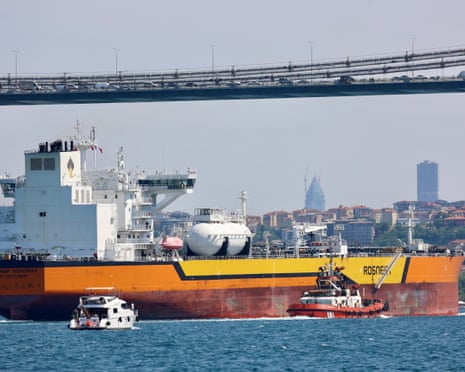
Tariff Arbitrage and Sourcing Opportunities: The sanctions carve-out exploits enforcement gaps by allowing refined products from India and Turkey to enter UK/EU markets without Russian-origin classification. This creates a critical sourcing arbitrage window for sellers: India and Turkey are becoming preferred refining hubs for Russian crude, with substantial volumes flowing through these intermediaries. Sellers sourcing diesel-dependent products (heavy machinery, industrial equipment, automotive parts) from India and Turkey can now access cheaper refined fuel inputs, reducing manufacturing costs by 5-8%. The mandatory record-keeping requirements for importing companies create compliance complexity but also establish a legal framework for third-country refined product imports—sellers should document sourcing chains to exploit this window before policy reversal.
Market Access Shifts and Competitive Dynamics: The policy demonstrates Western governments prioritizing energy security over sanctions enforcement, establishing precedent for future flexibility. This signals that supply-critical categories (fuel-dependent logistics, energy-intensive manufacturing) will see policy support, while non-essential categories face stricter enforcement. Small and medium sellers (SMBs) shipping to UK/EU markets face disproportionate cost impacts due to inability to negotiate volume discounts on air freight; large sellers with established 3PL networks can absorb 8-12% cost increases more easily. The cooling employment conditions in Britain (falling payrolls, job vacancies) combined with cost-of-living pressures suggest reduced consumer spending on discretionary goods—sellers should shift inventory toward essential, fuel-efficient product categories.
Questions 7
How do UK sanctions waivers on Russian refined fuels affect my shipping costs to UK/EU markets?
Jet fuel prices remain 50% above pre-conflict levels, directly increasing air freight costs by 8-15% for cross-border sellers. Airlines have raised fares due to fuel representing up to 25% of operating expenses. If you ship 500 units monthly via air freight to UK FBA centers at $2/pound, expect additional costs of $160-300/month. The policy's indefinite duration creates pricing uncertainty through at least January 1, 2026. Monitor your 3PL provider's fuel surcharge adjustments monthly and consider shifting to slower, cheaper ocean freight where product shelf-life permits.
How should I adjust pricing strategy given fuel cost increases and reduced UK consumer spending?
The cooling UK employment market (falling payrolls, job vacancies) combined with cost-of-living pressures suggests reduced discretionary spending. Increase prices on essential, fuel-efficient products by 3-5% to offset logistics costs, but maintain competitive pricing on discretionary goods. For Amazon sellers, monitor your Buy Box pricing closely—competitors may undercut to maintain volume during economic slowdown. Consider bundling high-margin essential items with lower-margin discretionary products to improve overall profitability. Shift PPC spending toward high-intent keywords targeting essential product categories and away from luxury/lifestyle segments.