




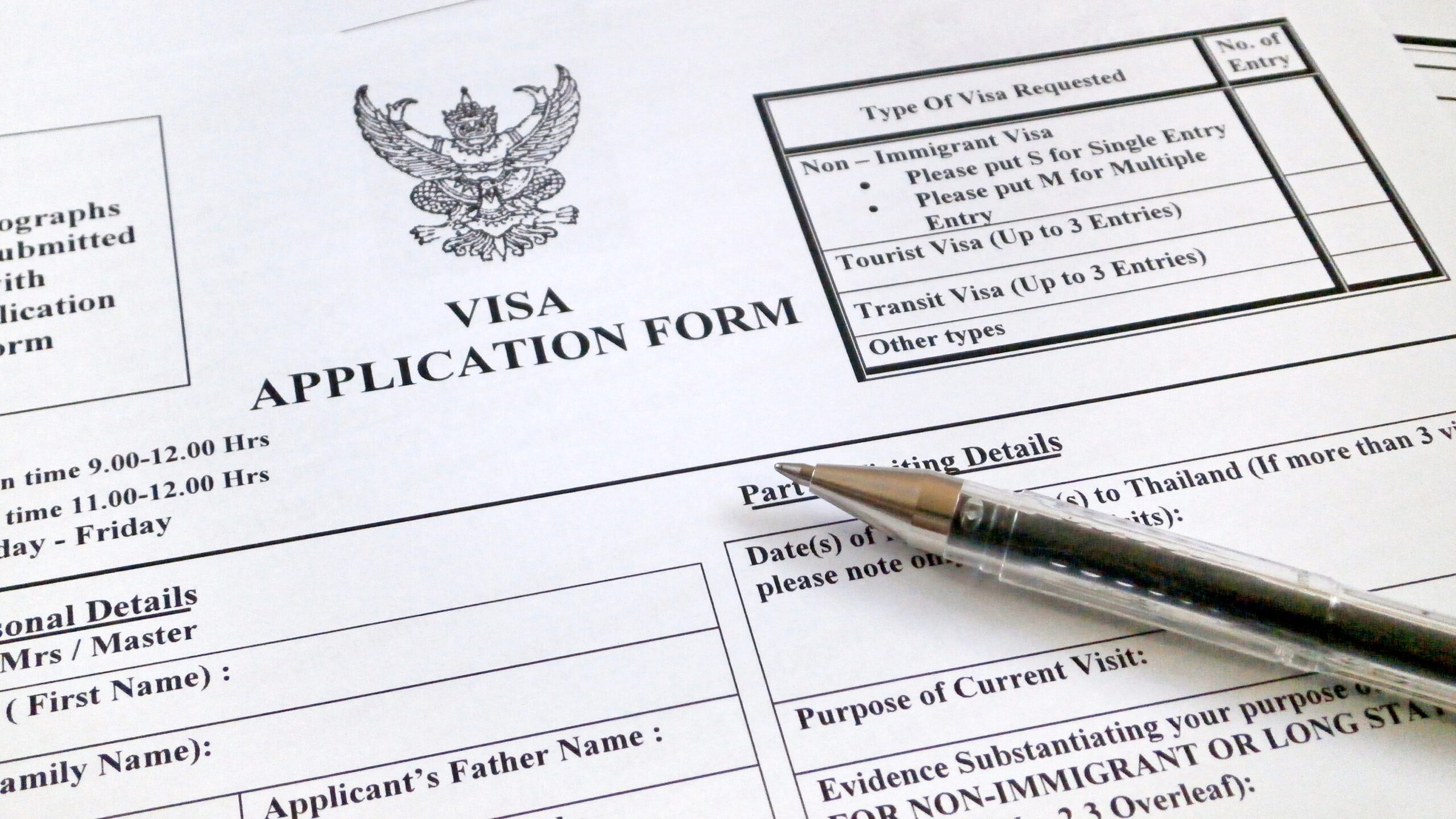

Thailand Visa Cuts Impact Digital Nomad Sellers | Supply Chain Disruption Risk
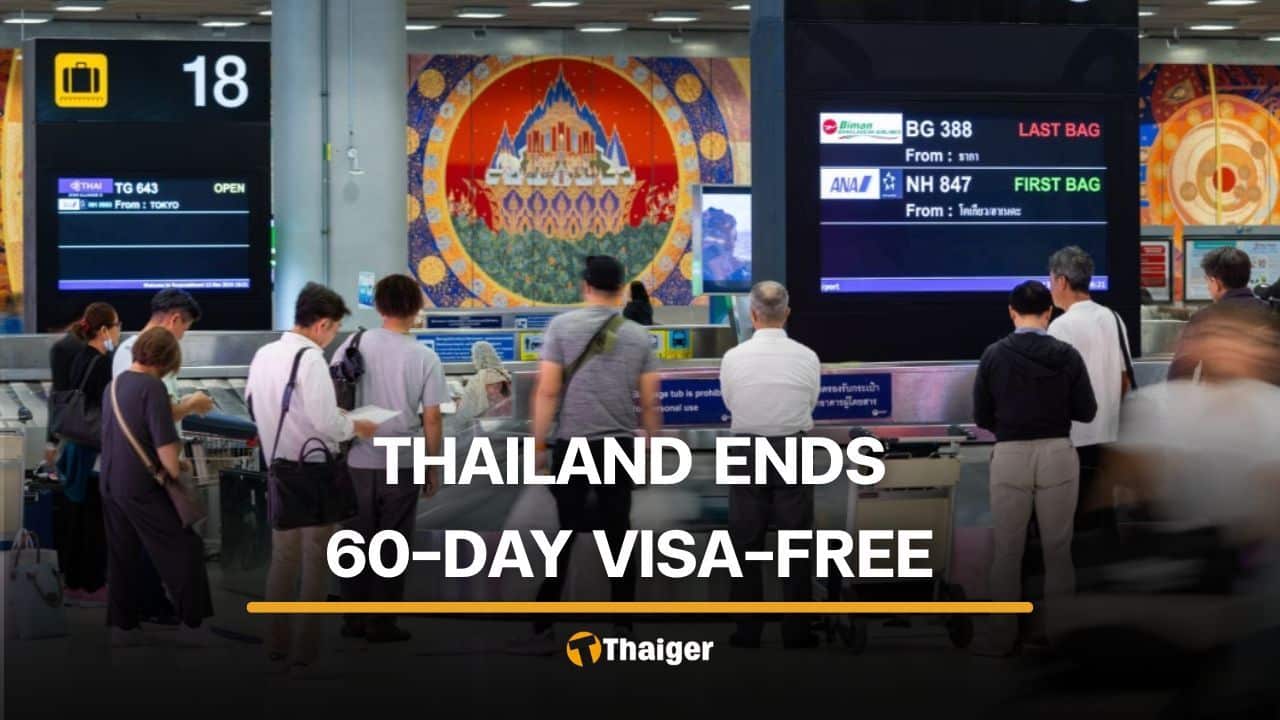
- Halves visa-free stays for 93 countries effective immediately; disrupts e-commerce operations for 33M+ annual visitors and remote-based sellers in Southeast Asia

















)



Overview
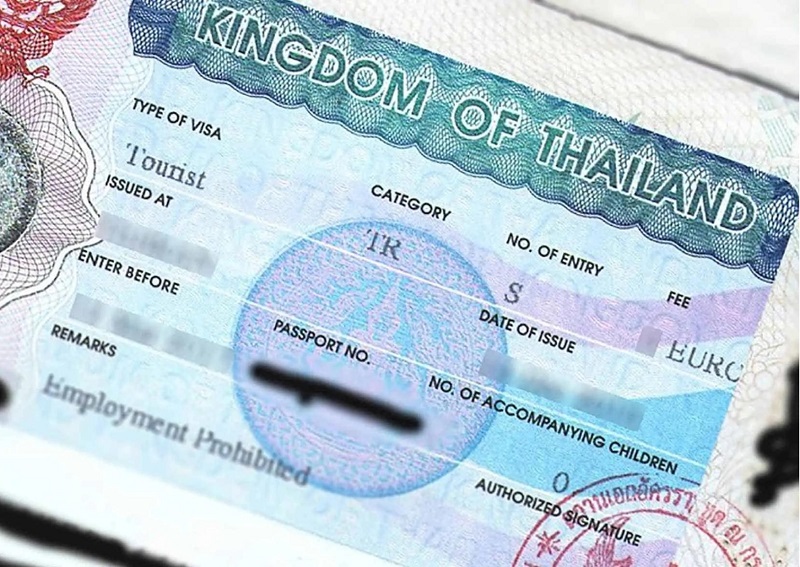
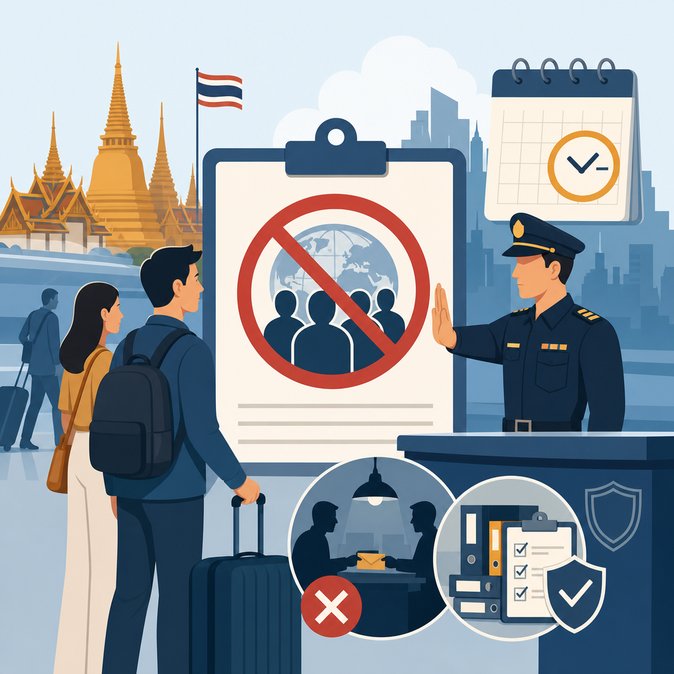
Thailand's immediate reduction of visa-free entry from 60 to 30 days for citizens of 93 countries—including the US, UK, and Australia—creates significant operational disruptions for cross-border e-commerce sellers, digital nomads, and supply chain managers. The policy, effective immediately following the 2024 introduction of the 60-day program, directly impacts the estimated 33 million foreign visitors Thailand attracted in 2025, many of whom are remote workers, content creators, and small business operators managing e-commerce operations from Southeast Asia.
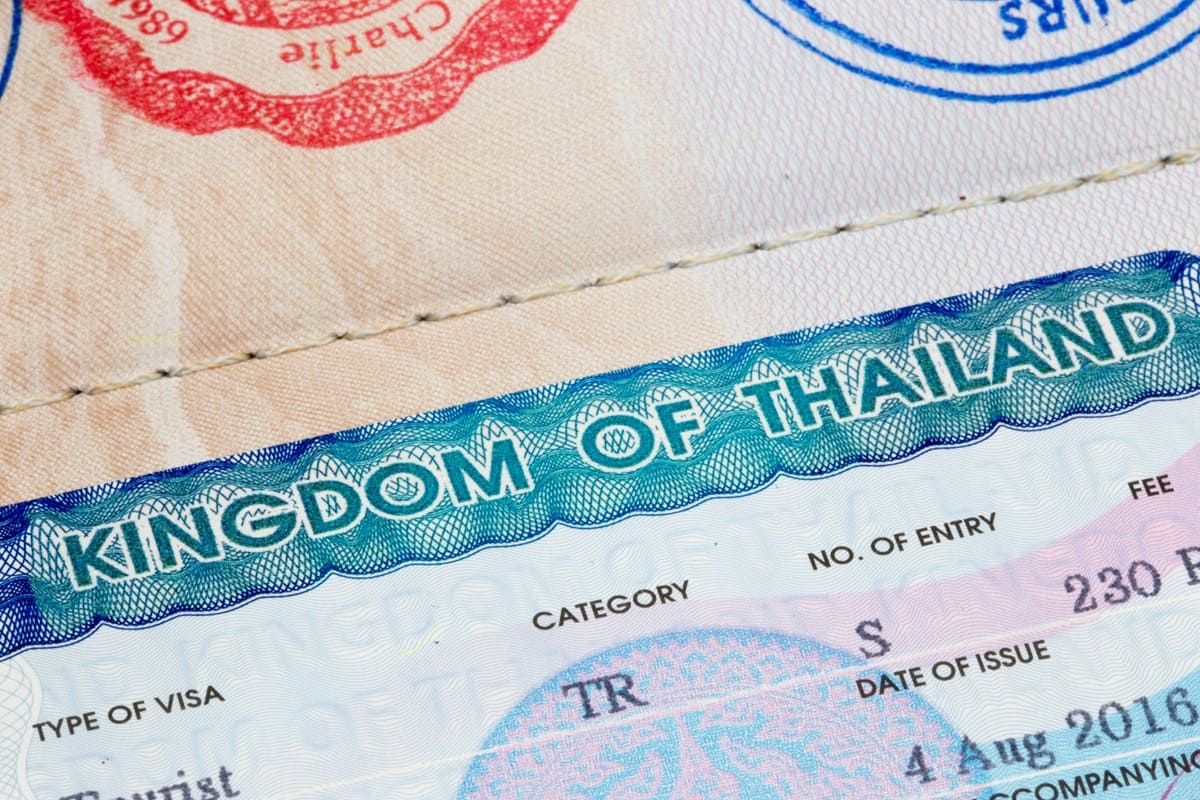
Direct E-Commerce Impact: The visa reduction fundamentally alters the cost-benefit calculation for sellers operating from Thailand or using it as a regional logistics hub. Previously, US, UK, and Australian sellers could maintain extended stays (60 days) for supplier meetings, warehouse inspections, and operational oversight without visa complications. The new 30-day limit requires either more frequent visa applications (visa runs to neighboring countries like Laos or Cambodia, costing $50-150 per trip plus 2-3 days operational downtime) or conversion to longer-term visas (Elite visa: $20,000+; Business visa: $1,500-3,000 annually). For sellers managing inventory in Thailand's manufacturing hubs or using Bangkok as a regional fulfillment center, this creates recurring compliance costs and operational friction.
Supply Chain Sourcing Implications: Thailand ranks as the 15th largest source of imports for US e-commerce sellers, particularly in apparel, electronics, and home goods categories. The visa restriction signals Thailand's shift toward stricter immigration enforcement, which historically correlates with increased customs scrutiny and longer clearance times. Sellers sourcing from Thai manufacturers should anticipate 5-10 day delays in customs processing and increased documentation requirements. The policy also reflects broader concerns about visa abuse—the news specifically mentions arrests related to drug and human trafficking—suggesting Thai customs will intensify inspections of goods crossing borders, potentially affecting duty calculations and product compliance verification timelines.
Competitive Sourcing Shifts: With visa restrictions tightening in Thailand, sellers may accelerate sourcing diversification toward Vietnam, Indonesia, and India—countries with more accessible visa regimes for business travelers. Vietnam's 90-day e-visa and Indonesia's 60-day visa-on-arrival remain more favorable for extended supplier engagement. This creates a 6-12 month window where sellers can establish relationships with alternative manufacturers before competitors recognize the shift. Sellers currently dependent on Thailand-based suppliers should begin supplier audits in Vietnam and Indonesia immediately to avoid supply chain concentration risk.
Digital Nomad Marketplace Implications: The policy directly impacts sellers who operate as digital nomads—managing Amazon FBA, Shopify, or eBay businesses while traveling. Thailand's reduction from 60 to 30 days forces these sellers to either establish formal business residency (requiring work permits and tax registration) or rotate between countries more frequently. This affects approximately 15,000-25,000 digital nomad sellers currently operating from Thailand, many managing $50K-500K annual GMV. The increased friction may push some sellers toward more stable bases in Singapore, Malaysia, or the Philippines, fragmenting the Southeast Asia seller community and creating opportunities for sellers in those countries to capture market share.
Questions 8
What compliance documentation should sellers prepare for Thailand customs under stricter enforcement?
Sellers should prepare enhanced documentation including: (1) detailed product specifications and HS codes for all imports, (2) manufacturer certifications and quality compliance documents, (3) commercial invoices with itemized descriptions, (4) packing lists with serial numbers for electronics, and (5) certificates of origin. The policy's emphasis on preventing illegal activities suggests Thai customs will scrutinize goods for counterfeit products, restricted materials, and undeclared items. Sellers should conduct pre-shipment audits to ensure all products comply with Thai import regulations and obtain pre-clearance from Thai customs brokers before shipment. Recommend allocating 5-10 business days for customs processing instead of standard 2-3 days, and consider hiring local customs brokers ($200-500 per shipment) to expedite clearance and reduce seizure risk.
How does this policy affect sellers using Thailand as a regional fulfillment hub?
Sellers using Thailand-based 3PL providers for regional distribution to Southeast Asia face increased operational complexity. The visa restriction limits seller ability to conduct on-site audits, quality inspections, and operational meetings with fulfillment partners. For sellers managing multi-country FBA operations (Thailand, Vietnam, Indonesia), this creates coordination challenges and reduces visibility into inventory management. Recommend: (1) establishing formal service level agreements (SLAs) with 3PL providers including performance metrics and audit rights, (2) implementing remote monitoring systems (inventory management software, video inspections), (3) increasing inspection frequency during visa-free periods, and (4) evaluating alternative fulfillment centers in Vietnam or Malaysia with more accessible visa regimes. The policy may accelerate adoption of regional fulfillment networks that reduce dependence on single-country operations.