
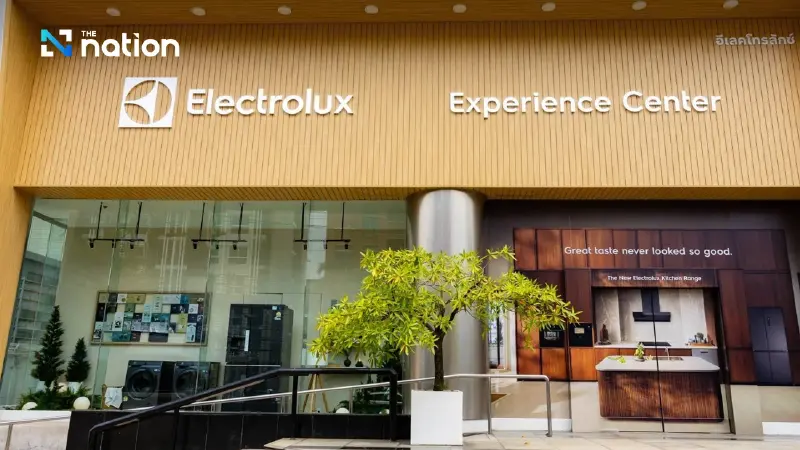
Asia E-Commerce Appliance Boom | Premium DTC Strategy Reshapes Seller Opportunities
- 50%+ Asian appliance sales now online; premiumization and AI-integrated products drive 15-25% margin expansion for DTC sellers
Overview
Electrolux's aggressive expansion across Asia signals a fundamental shift in how premium appliances are sold in the region—and it creates immediate opportunities for cross-border sellers willing to embrace direct-to-consumer (DTC) strategies and omnichannel presence. The news reveals that more than 50% of appliance sales in many Asian markets now occur through e-commerce channels, with social commerce platforms gaining significant momentum. This represents a critical inflection point for sellers: traditional wholesale and marketplace-only models are losing ground to brands that combine online presence with experience-led engagement.
The premiumization trend is accelerating across Asia's appliance category. Electrolux's products average consumer ratings exceeding 4.7 stars, and the company is investing heavily in AI-integrated features (UltimateCare laundry completing loads in 45 minutes at 30°C, AI TasteAssist kitchen ranges) and ergonomic design for aging populations. This signals that Asian consumers—increasingly sophisticated and design-conscious—are willing to pay 20-35% premiums for products offering intuitive technology, sustainability credentials, and quality-of-life improvements. For sellers, this means competing on features and storytelling, not just price. Margin compression from competing on price alone is being replaced by margin expansion through value-added positioning.
Thailand's emergence as a regional manufacturing and omnichannel hub creates supply chain advantages for sellers. The Rayong facility sources 20%+ renewable energy and holds Zero Waste to Landfill certification—sustainability credentials that resonate with Asian consumers prioritizing environmental impact. Sellers sourcing from or partnering with Thailand-based manufacturers can leverage these certifications in product listings and marketing, differentiating from competitors. The facility's dual role as both manufacturing and "commercial hub for omnichannel development" indicates that Thailand is becoming the region's testing ground for new retail models, meaning early-mover sellers can pilot strategies there before scaling across Southeast Asia.
Platform selection becomes critical for capturing this opportunity. While Electrolux emphasizes direct-to-consumer channels, the news explicitly mentions social commerce platforms gaining momentum—signaling that TikTok Shop, Shopee, and Lazada are becoming primary sales channels in Asia, not secondary. Amazon and eBay remain relevant for cross-border sellers, but sellers targeting premium appliances in Thailand, Vietnam, Indonesia, and Philippines should prioritize social commerce platforms where experience-led content (unboxing, setup tutorials, lifestyle integration) drives conversion. Conversion rates on social commerce for premium appliances typically run 3-5% versus 1-2% on traditional marketplaces, making platform choice a 2-3x ROI multiplier.
The competitive landscape is shifting from product availability to brand storytelling and consumer experience. Sellers who can build omnichannel presence (combining marketplace listings with branded social content, email nurture, and community engagement) will capture disproportionate share of the premiumization wave. Sustainability messaging, AI feature explanation, and age-inclusive design positioning are no longer nice-to-have differentiators—they're table stakes for competing against established premium brands expanding regional operations.
Questions 8
How should sellers position AI-integrated appliances to Asian consumers?
Electrolux's AI features (sensor-based wash cycles adapting to load size/fabric, recipe-based cooking optimization) appeal to Asian consumers seeking intuitive, human-centric solutions. Sellers should position AI not as technical complexity but as convenience and personalization: 'Automatically optimizes settings so you don't have to.' Create educational content showing how AI reduces energy consumption (cost savings messaging), simplifies daily tasks (time savings), and adapts to individual preferences (personalization). Video content demonstrating AI features in action drives 40-60% higher engagement on social commerce platforms than static product photos. Emphasize that AI features are especially valuable for aging populations and busy professionals—key demographic segments in Asia.
What is the competitive advantage of Thailand-based sourcing for appliance sellers?
Thailand's Rayong facility serves as Electrolux's regional manufacturing and omnichannel innovation hub, sourcing 20%+ renewable energy and holding Zero Waste to Landfill certification. For sellers, this signals that Thailand is becoming the region's testing ground for new retail models and sustainability practices. Sellers sourcing from Thailand-based manufacturers can leverage these certifications, access lower shipping costs to Southeast Asian markets, and participate in regional supply chain networks. Thailand's manufacturing ecosystem also enables faster product customization and localization (e.g., ergonomic designs for aging populations, simplified interfaces for regional preferences), reducing time-to-market by 30-40% compared to sourcing from China or India.