




Quarterback Performance Mastery: Strategic Leadership and Talent Development Decoded
- Revealing the Critical Dynamics of Performance Transformation in High-Pressure Professional Environments






























Overview
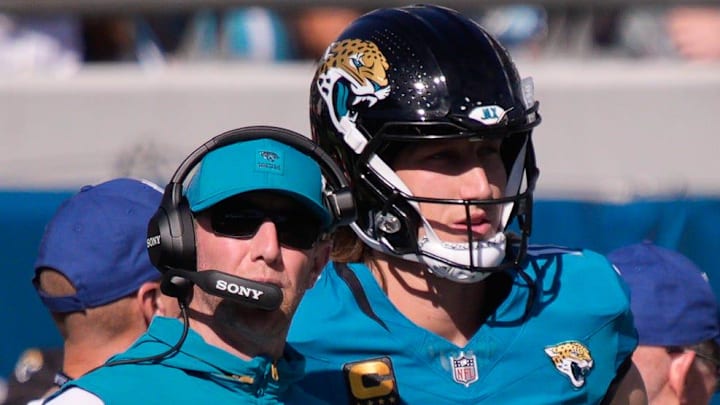
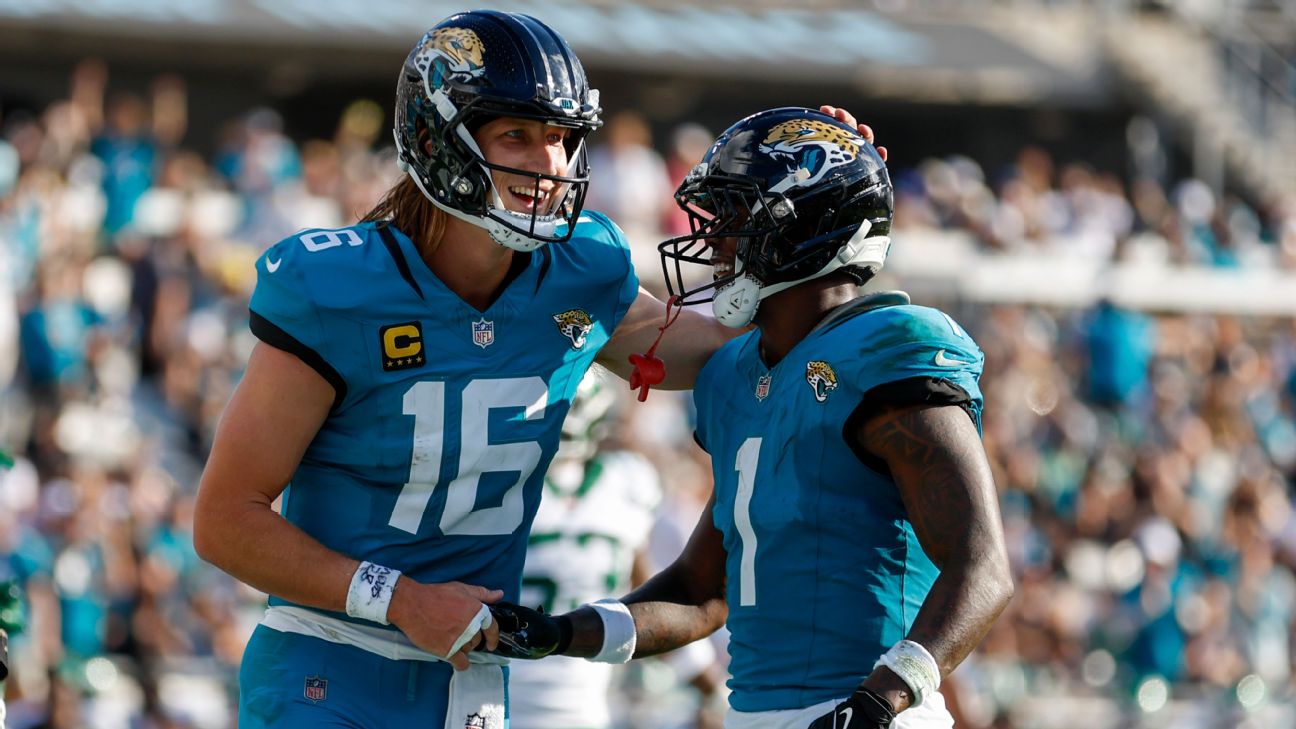
In the high-stakes arena of professional performance, the recent Jacksonville Jaguars game offers a masterclass in strategic leadership and talent development that transcends sports. Trevor Lawrence's breakthrough performance represents more than just athletic excellence—it's a compelling case study in systematic skill enhancement and organizational transformation.
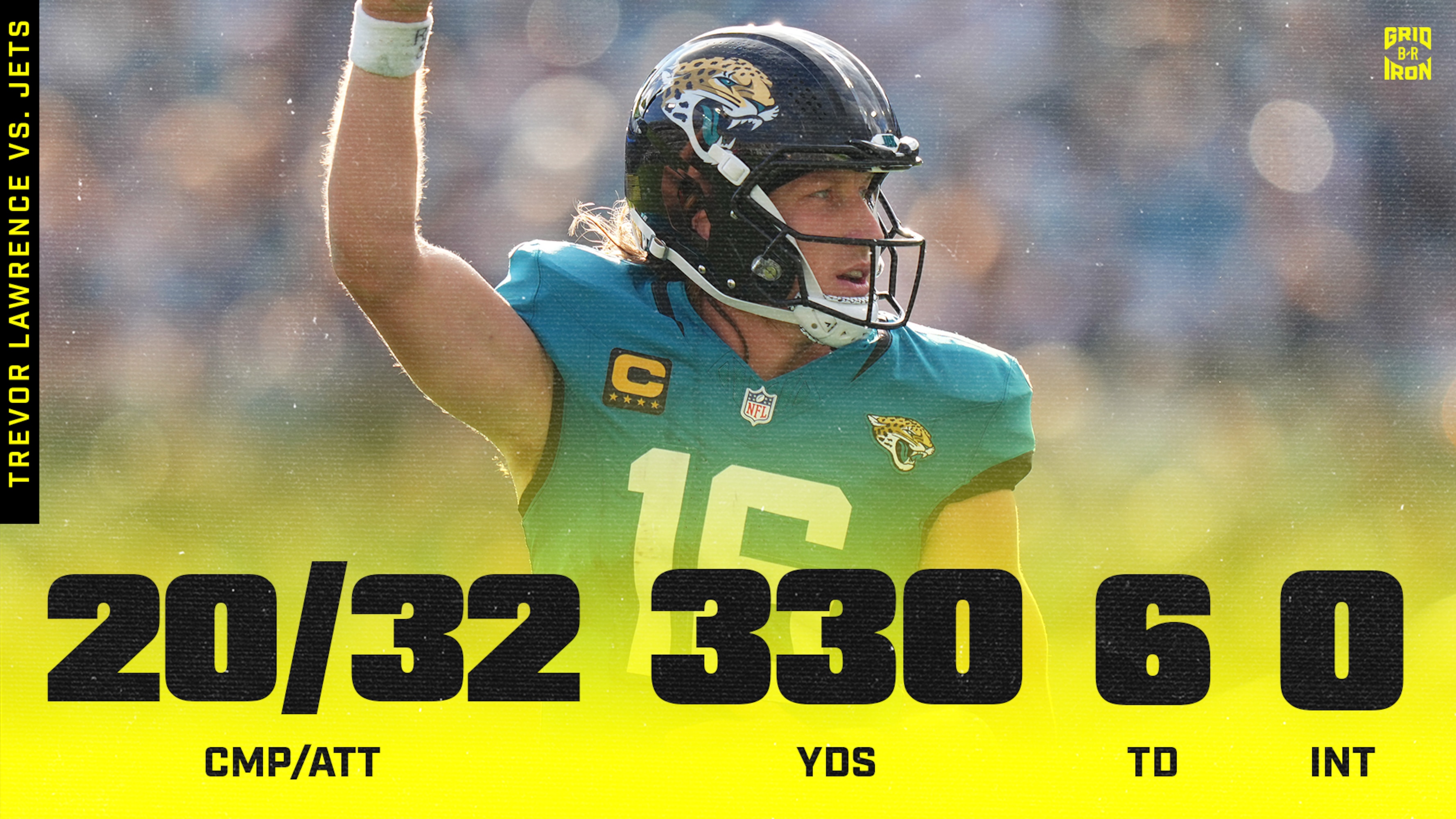
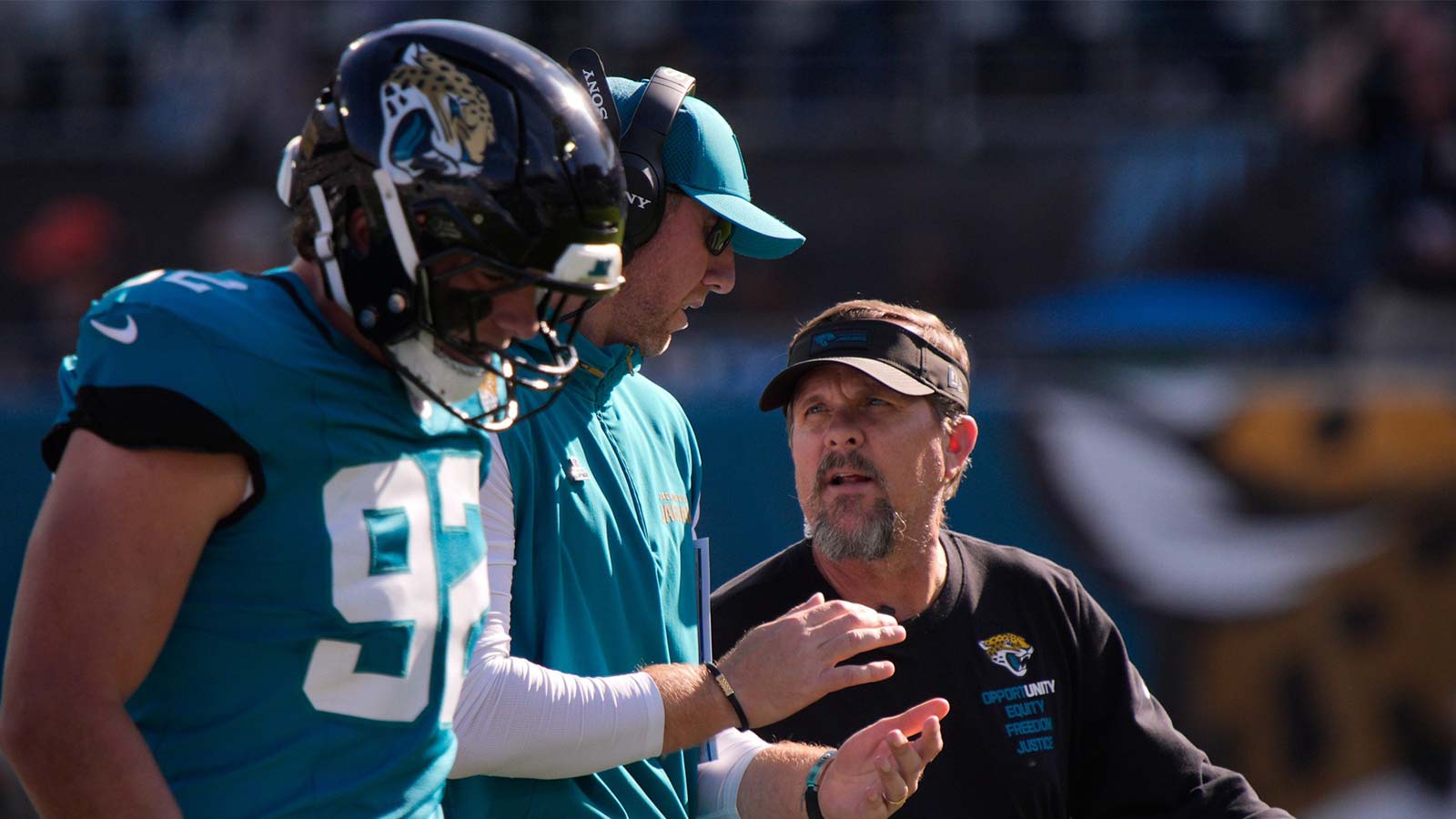
Strategic adaptation emerges as the core narrative. Under offensive coordinator Liam Coen's guidance, Lawrence transformed from a struggling quarterback to a decisive playmaker, throwing a career-high five touchdown passes and scoring a sixth on the ground. This metamorphosis wasn't accidental but the result of deliberate, structured improvement. Coen's approach highlights three critical professional development principles: consistent repetition, strategic play-calling, and building systemic trust.
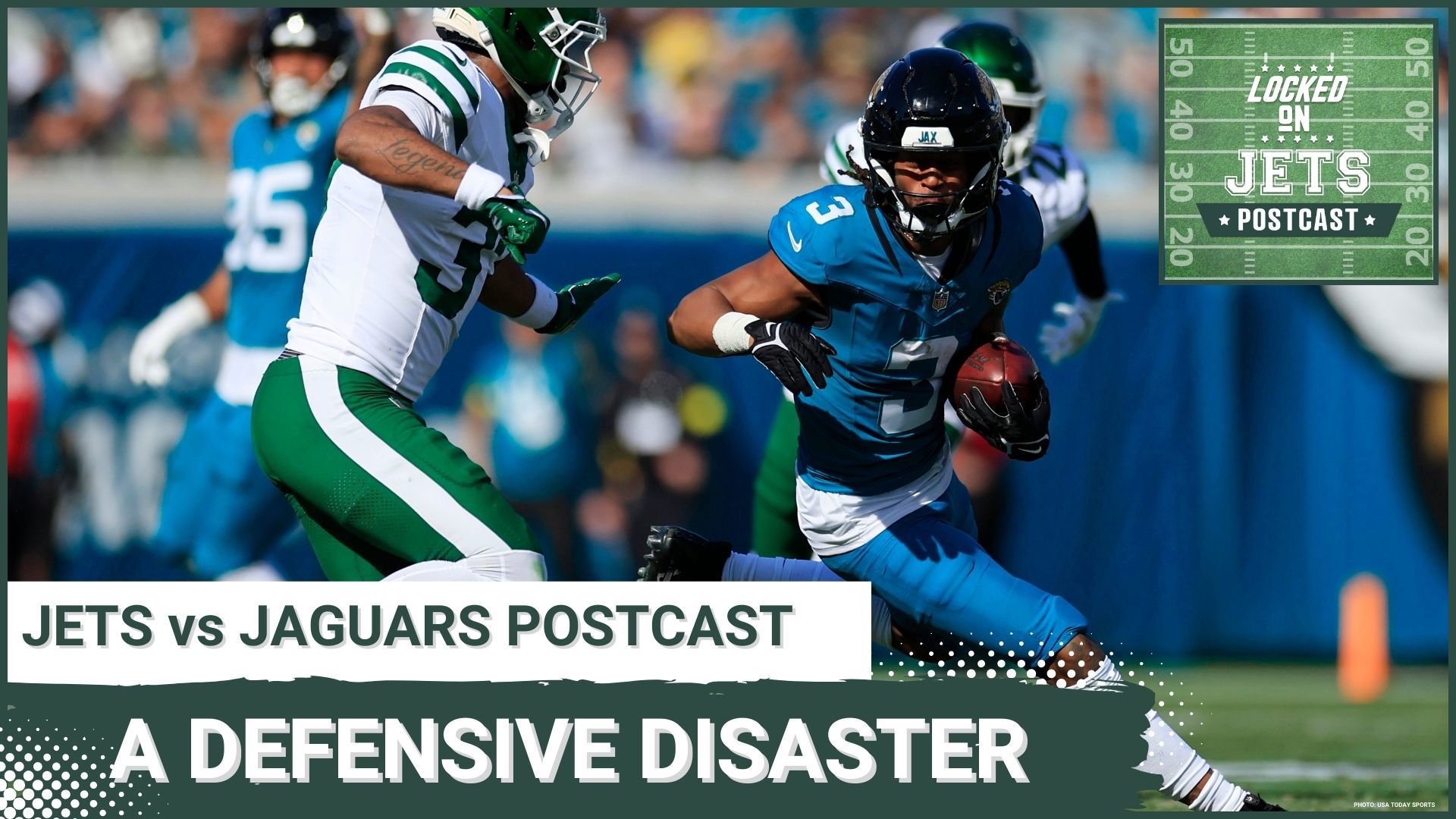
The game's deeper significance lies in its demonstration of performance engineering. Lawrence's improvement came after an intentional adjustment period, where pre-snap operations were stabilized and complex motion designs were mastered. This mirrors successful organizational change management—where incremental, structured learning ultimately leads to breakthrough performance. The 48-20 victory against the New York Jets wasn't just a win, but a testament to the power of strategic coaching and individual resilience.
Equally fascinating is the parallel narrative of Brady Cook, the undrafted rookie quarterback. Despite throwing three interceptions, Cook's debut revealed the importance of maintaining composure under pressure. His 22 of 33 pass completions and 39 rushing yards demonstrate that potential isn't about perfection, but about persistent adaptation and learning.
The broader lesson for professionals across domains is clear: breakthrough performance is a systematic process. It requires patient skill-building, strategic guidance, and an organizational environment that supports continuous improvement. Whether in sports, technology, or cross-border business, the principles remain consistent—strategic leadership, adaptable learning, and unwavering commitment to incremental progress.
Questions 3
Why is Brady Cook's performance significant despite throwing interceptions?
Cook's debut illustrates that professional potential isn't about immediate perfection, but about resilience, adaptability, and continuous learning. His 22 of 33 pass completions demonstrate that maintaining composure and showing incremental improvement are crucial in high-pressure environments.
What can professionals learn from the Jaguars' coaching approach?
The key lesson is that breakthrough performance requires patient skill-building, strategic guidance, and an environment supporting continuous improvement. Coen's approach of providing consistent play-calling, building trust, and allowing gradual adaptation is universally applicable across professional domains.