


Hybrid Warfare Unveiled: Britain's Intelligence Transformation in the Age of Technological Conflict
- MI6's Strategic Pivot Signals Global Security Recalibration Against Russian Expansionism




































Overview
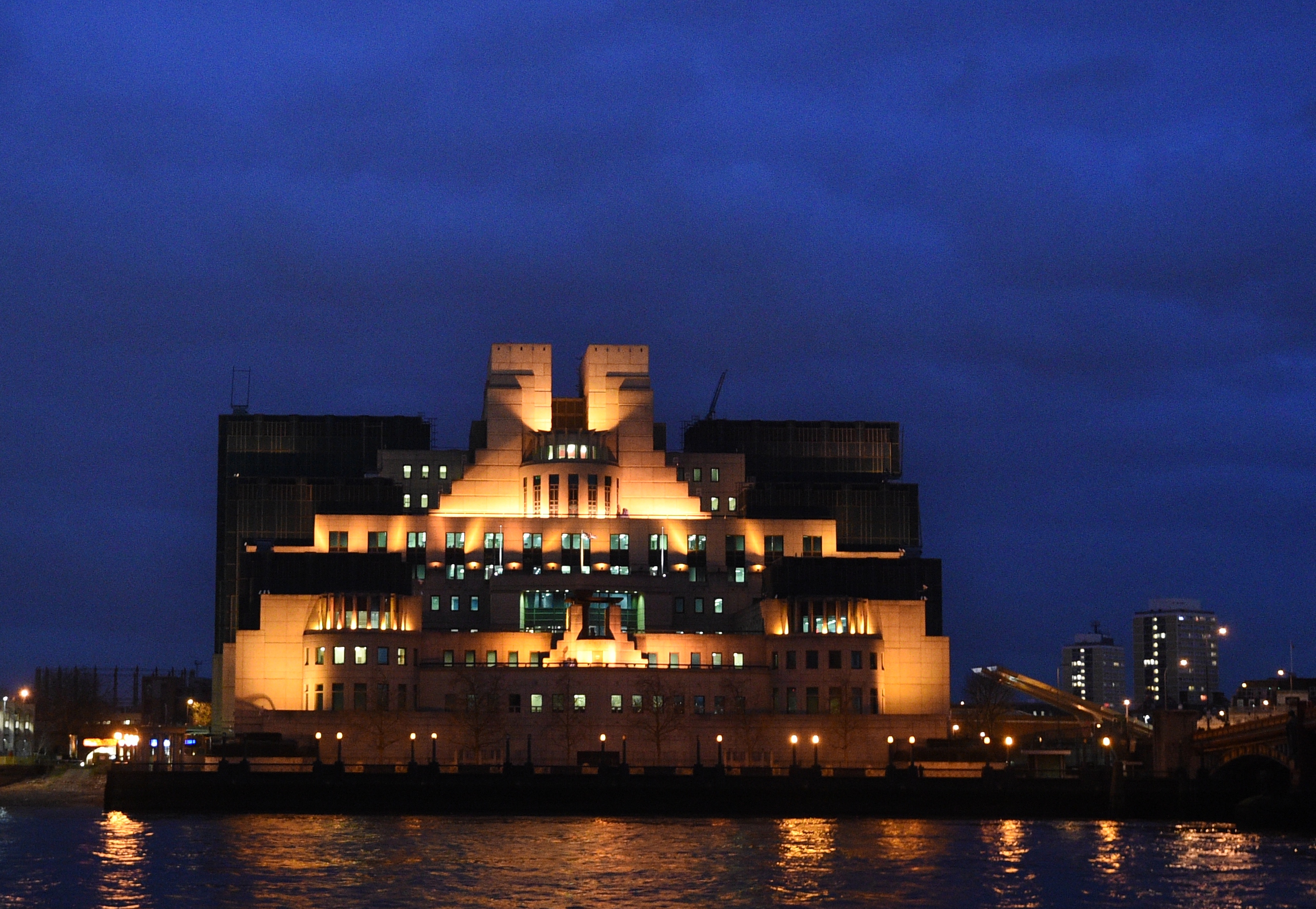
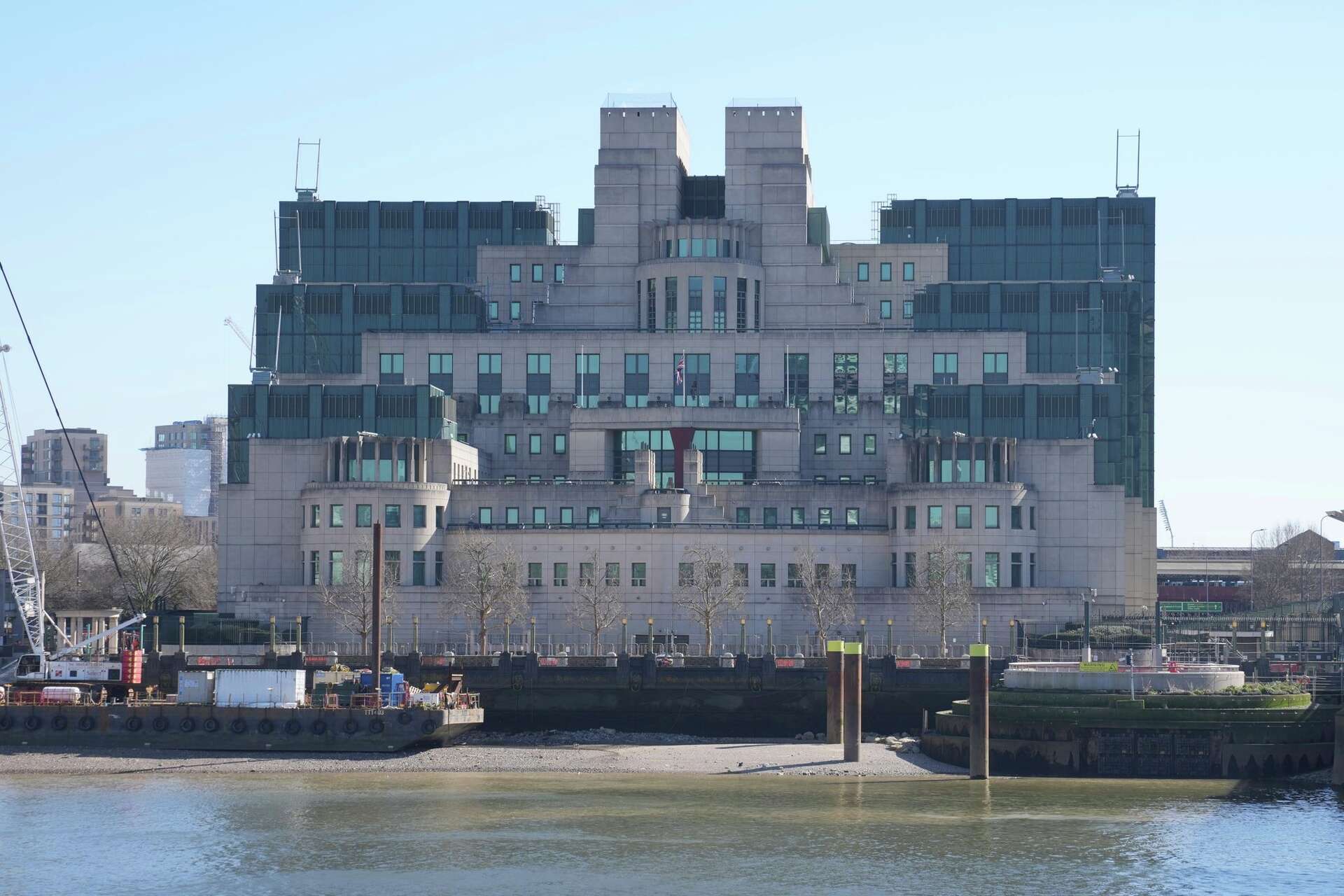
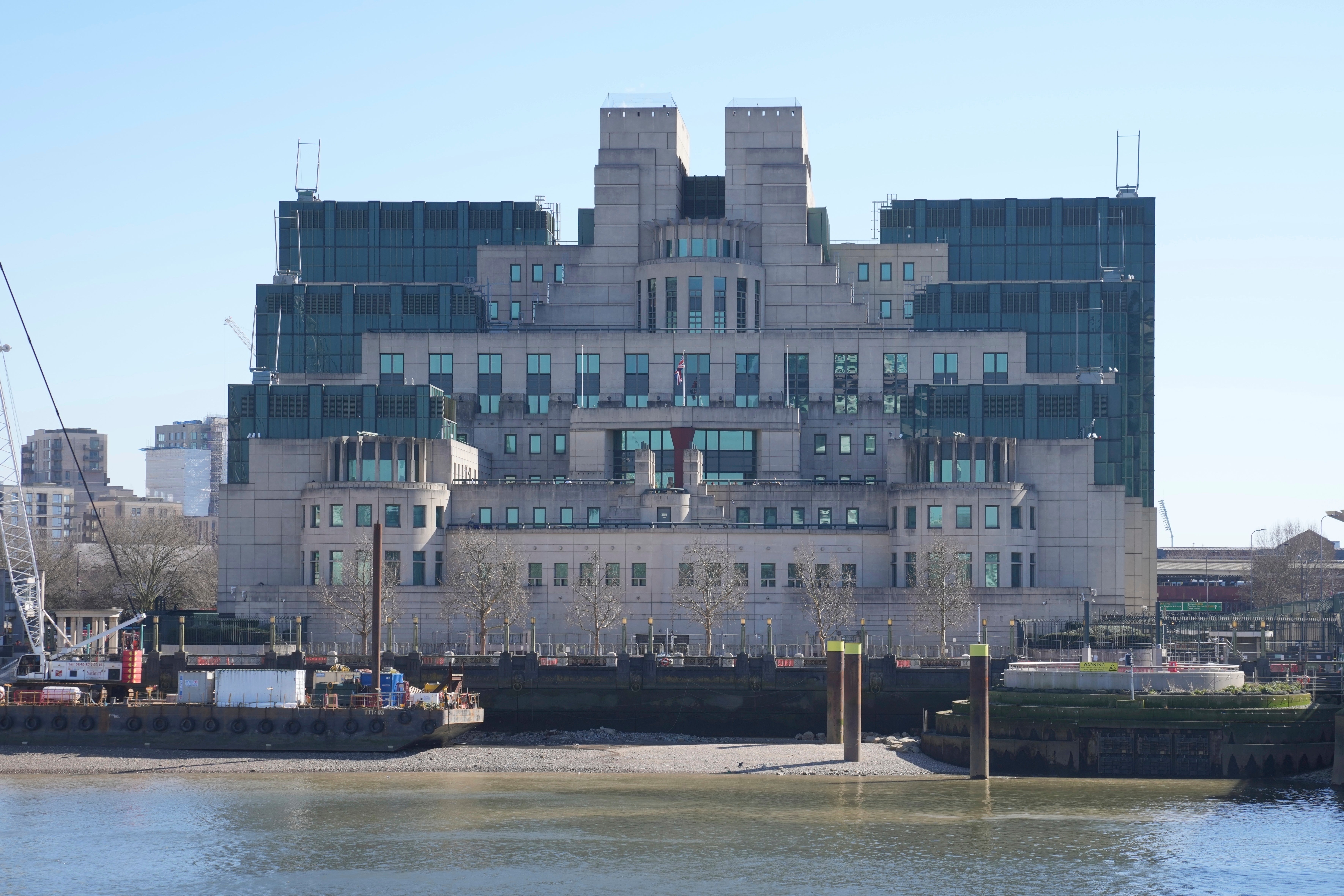
The emergence of hybrid warfare represents a pivotal moment in global geopolitical strategy, with Britain's intelligence community positioning itself at the forefront of a technological and strategic revolution. Blaise Metreweli's groundbreaking first speech as MI6 chief unveils a critical transformation in national security paradigms, where the traditional boundaries of conflict have been fundamentally redrawn.
At the core of this strategic shift is the recognition that technological mastery now supersedes conventional military capabilities. Metreweli's narrative emphasizes that intelligence professionals must be as adept with computer programming languages like Python as they are with traditional human intelligence gathering. This represents more than a skill upgrade—it's a fundamental reimagining of national defense infrastructure.
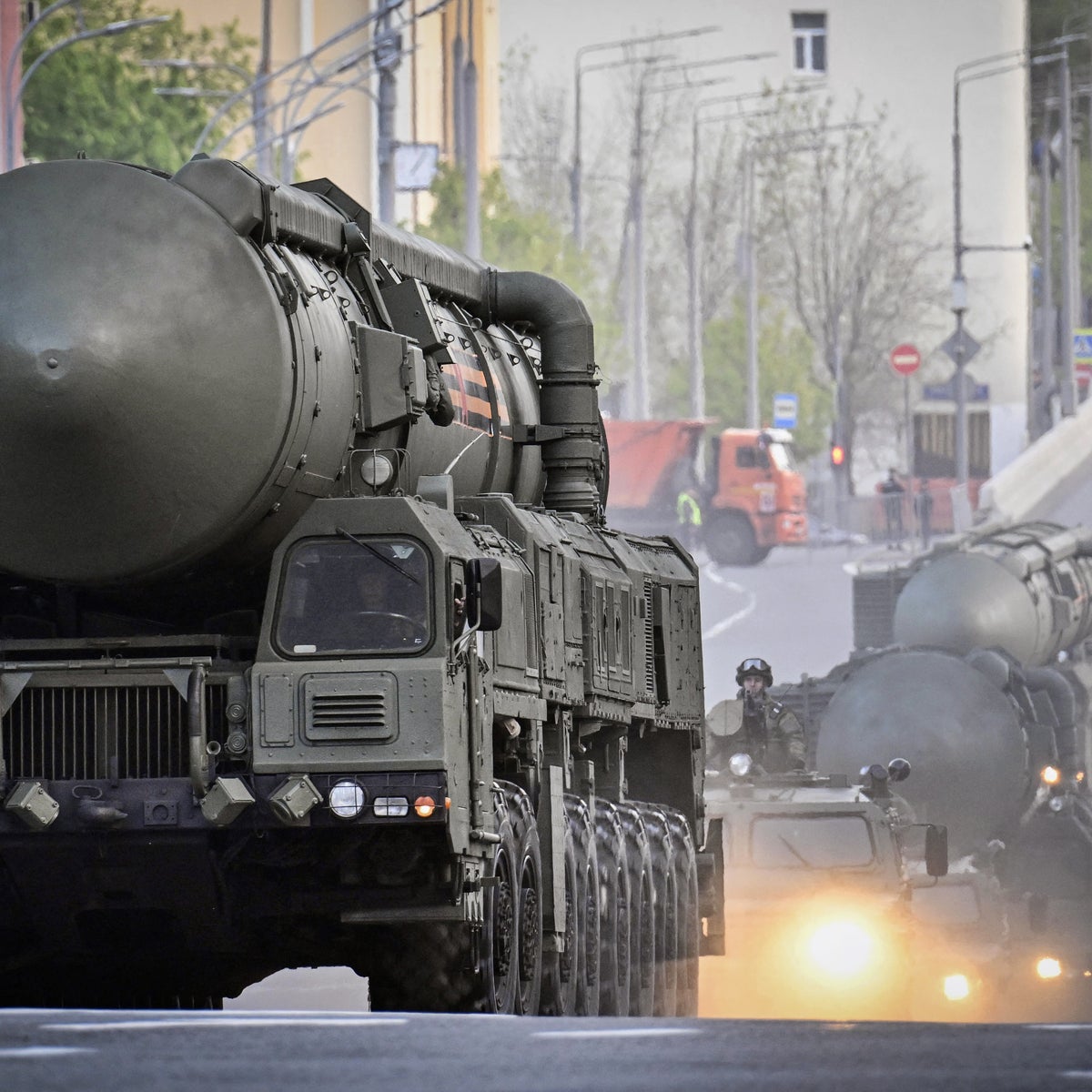
The Russian threat emerges as the primary catalyst for this strategic recalibration. Metreweli explicitly characterizes Russia's approach as an intentional "export of chaos", highlighting sophisticated hybrid warfare tactics that extend far beyond traditional military confrontation. These tactics include targeted cyber attacks, drone operations near critical infrastructure, and deliberate attempts to create international instability—a strategy that challenges existing geopolitical frameworks.
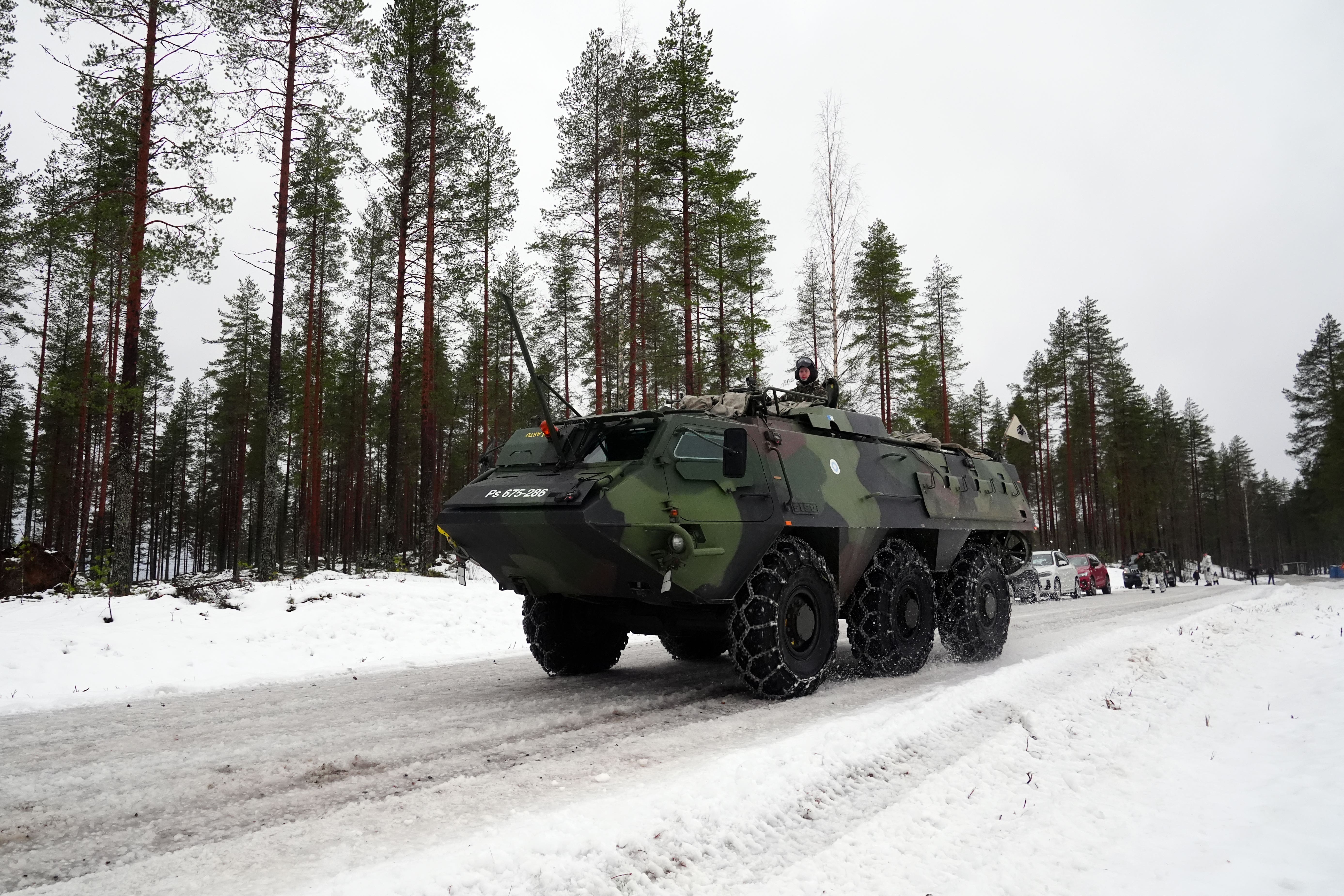
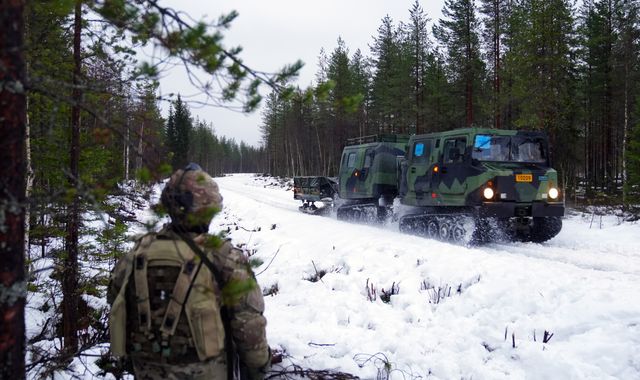
Critically, the UK's response transcends mere technological adaptation. The "whole of society approach" advocated by Defense Staff Chief Sir Richard Knighton suggests a comprehensive national resilience strategy. This approach integrates capabilities from universities, industry, and healthcare systems, transforming national defense into a multidimensional, interconnected ecosystem.
The geopolitical landscape is no longer defined by physical frontlines but by technological and informational battlegrounds. Metreweli's warning that the "front line is everywhere" signals a profound understanding that modern conflicts are won through strategic information manipulation, cyber capabilities, and the ability to disrupt adversarial infrastructure—often without firing a single traditional weapon.
For global stakeholders, this represents more than a British intelligence strategy—it's a blueprint for navigating 21st-century geopolitical complexity. The message is clear: technological expertise, ethical decision-making, and adaptive strategic thinking are now the primary currencies of national security.
Questions 3
What are the primary technological challenges in modern intelligence operations?
The key challenges include mastering complex programming languages, developing sophisticated cyber intelligence capabilities, and creating adaptive technological infrastructures that can respond to rapidly evolving global threats. The focus is not just on technological power, but on the wisdom and ethical application of these technologies.
How does the concept of 'hybrid warfare' change traditional national security strategies?
Hybrid warfare blurs the lines between military, technological, and informational domains. Instead of traditional military confrontations, it involves sophisticated cyber attacks, infrastructure disruption, and strategic chaos creation. This requires a 'whole of society' approach that integrates capabilities across universities, industry, and healthcare systems.