

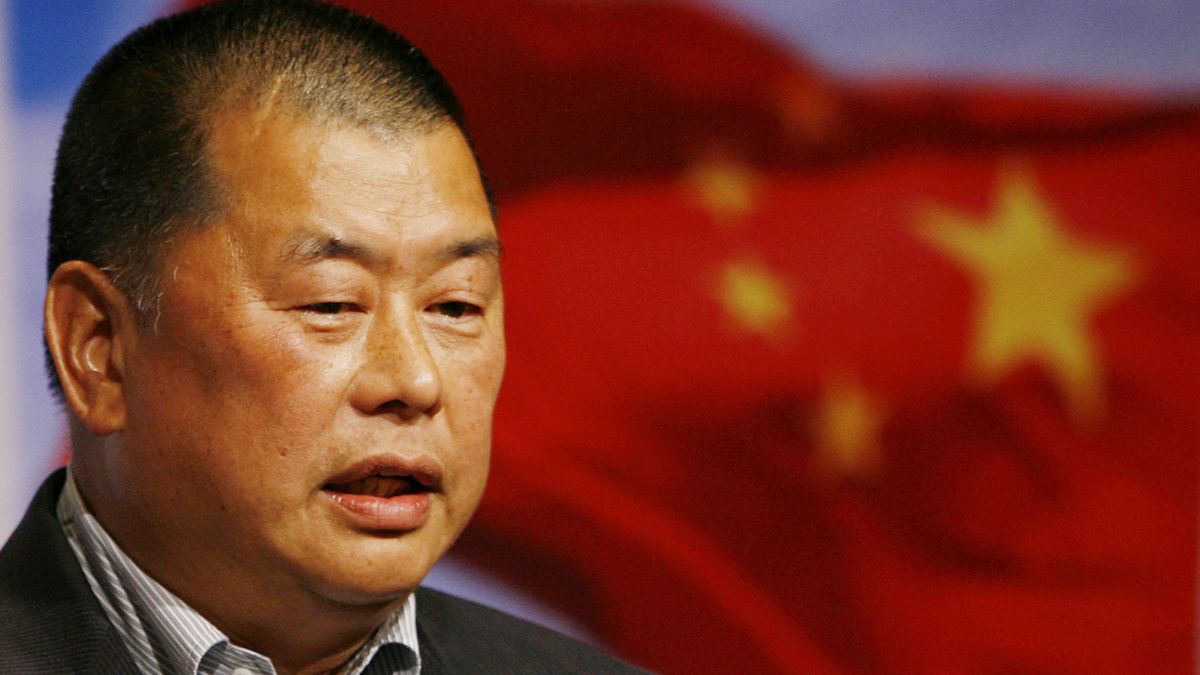


The Twilight of Hong Kong's Democratic Resistance
- Beijing's Strategic Dismantling of Opposition Signals Irreversible Political Transformation




















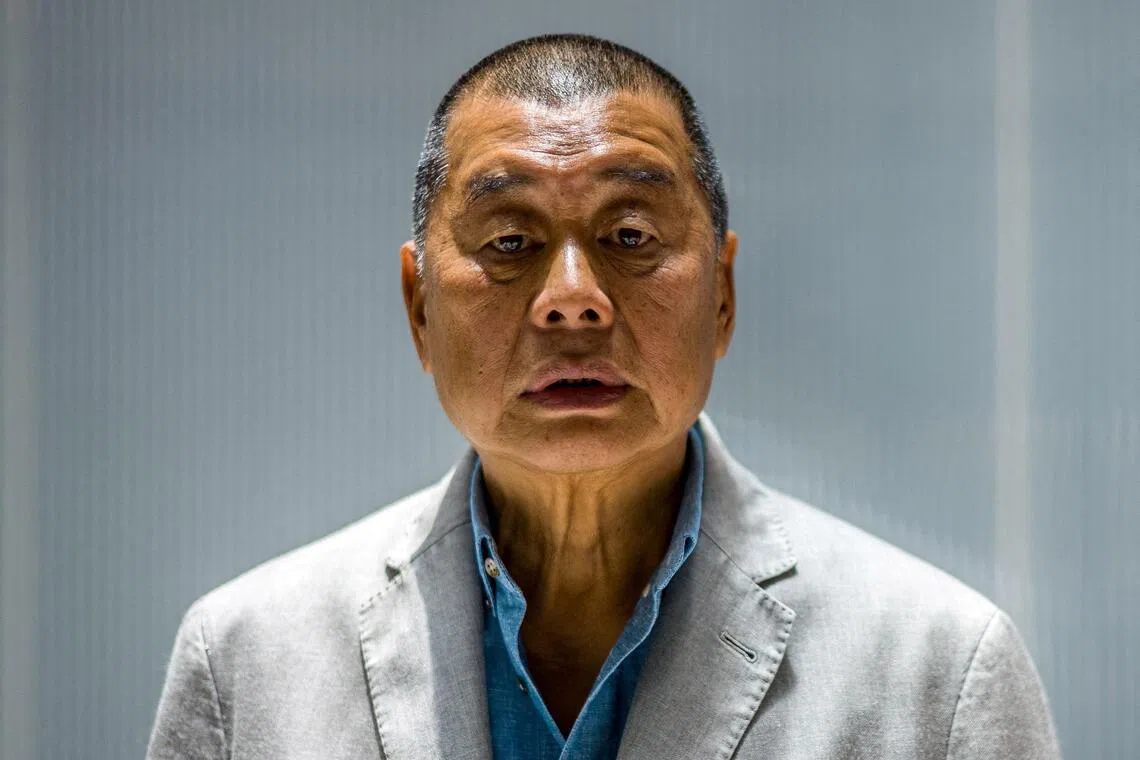





Overview
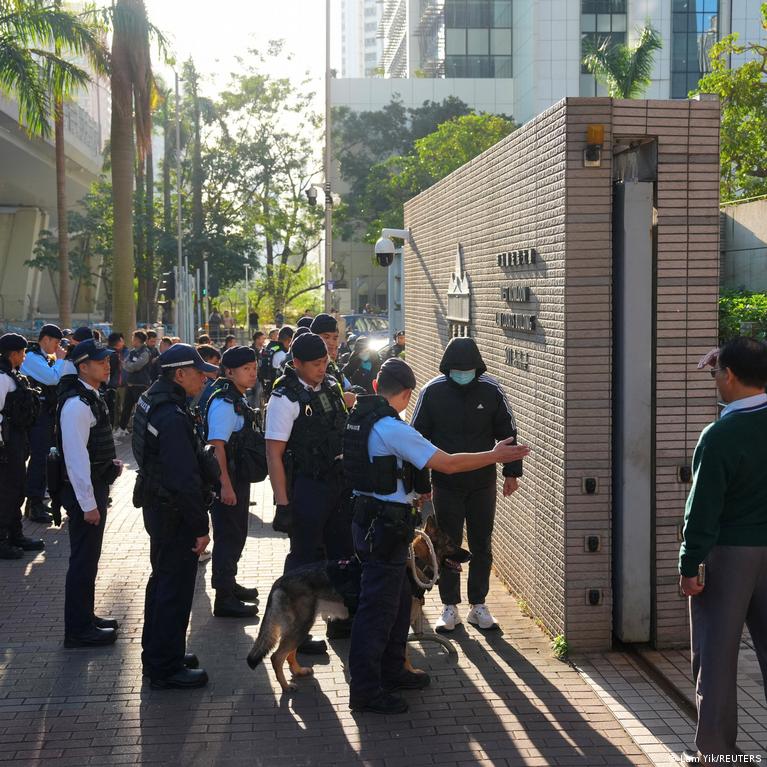
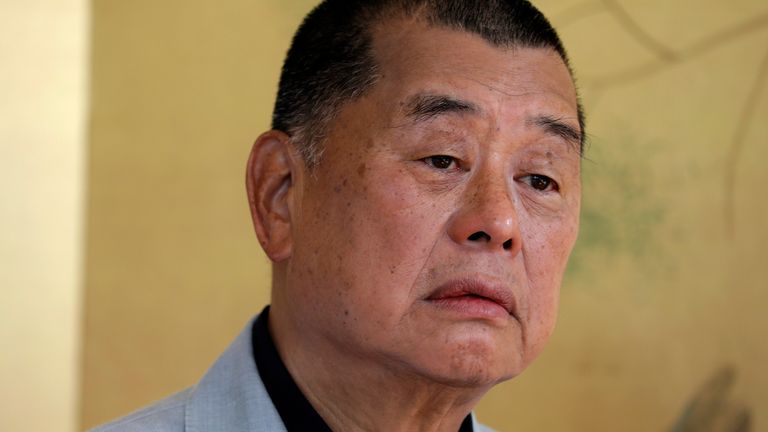
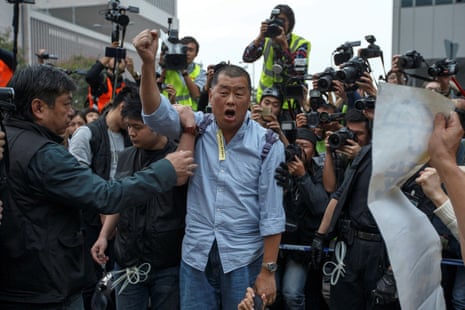
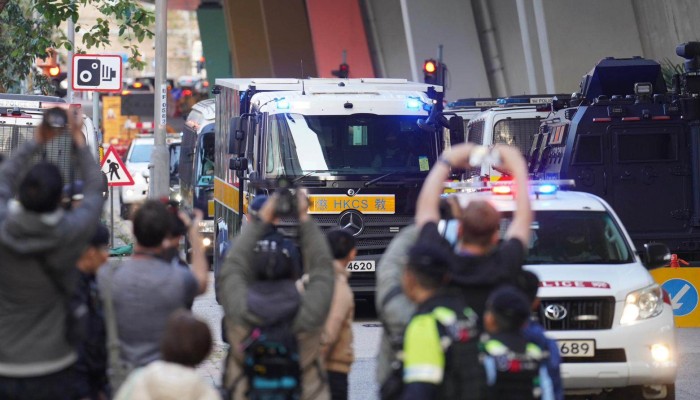
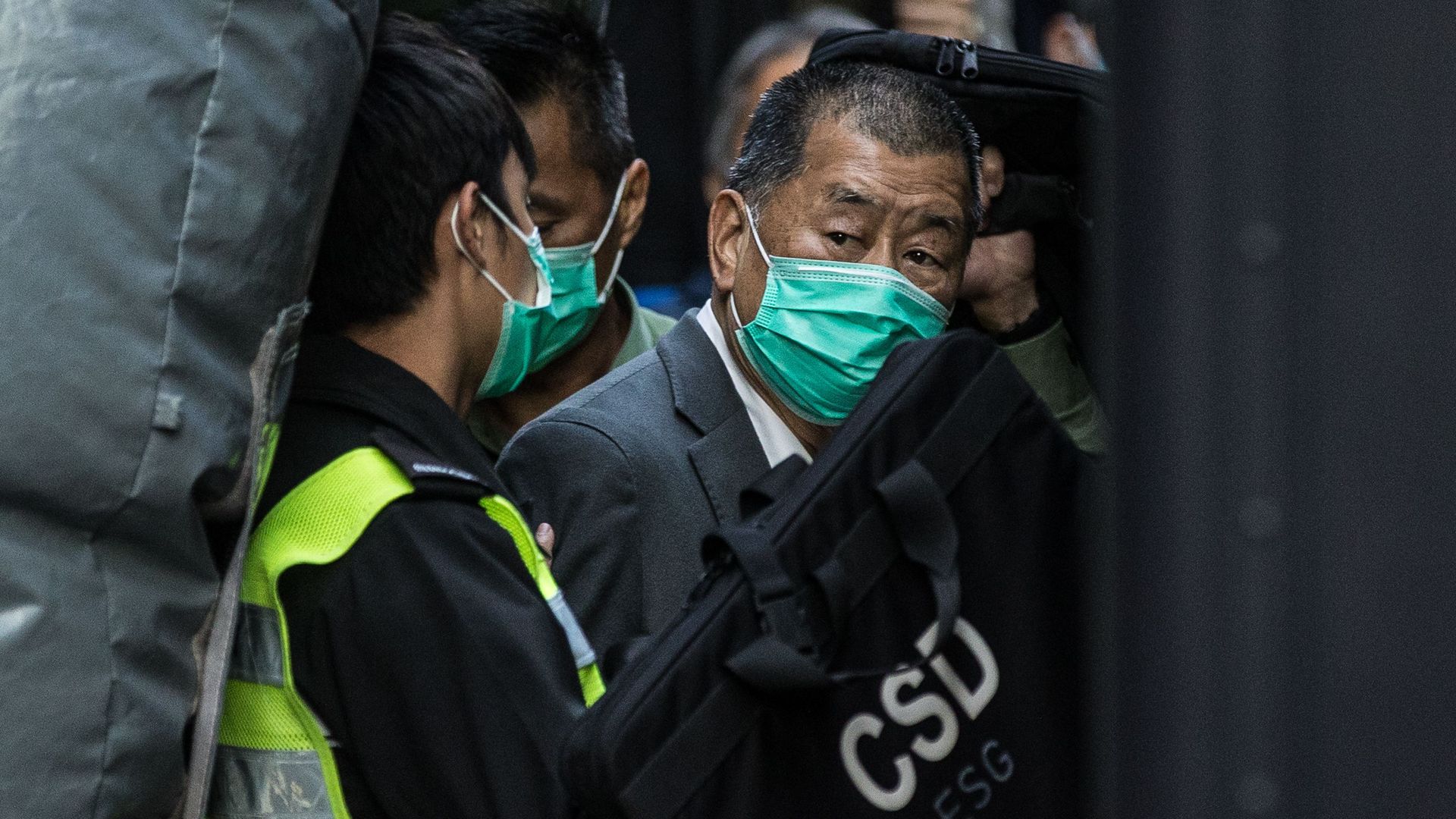
Jimmy Lai's conviction represents a pivotal moment in Hong Kong's accelerating political reconfiguration, symbolizing the comprehensive erosion of democratic institutions under Beijing's strategic redesign. The landmark trial goes far beyond a single media tycoon's legal fate—it is a calculated surgical strike against the last vestiges of Hong Kong's independent political discourse.
The national security trial's 855-page verdict is a meticulously crafted instrument of political control, systematically dismantling the infrastructure of resistance. By extensively quoting Lai's personal WhatsApp messages and highlighting his meetings with US lawmakers, the court has effectively criminalized international advocacy and transnational political networking. The prosecution's strategy transforms diplomatic engagement into a prosecutable offense, creating a chilling effect for future activists.
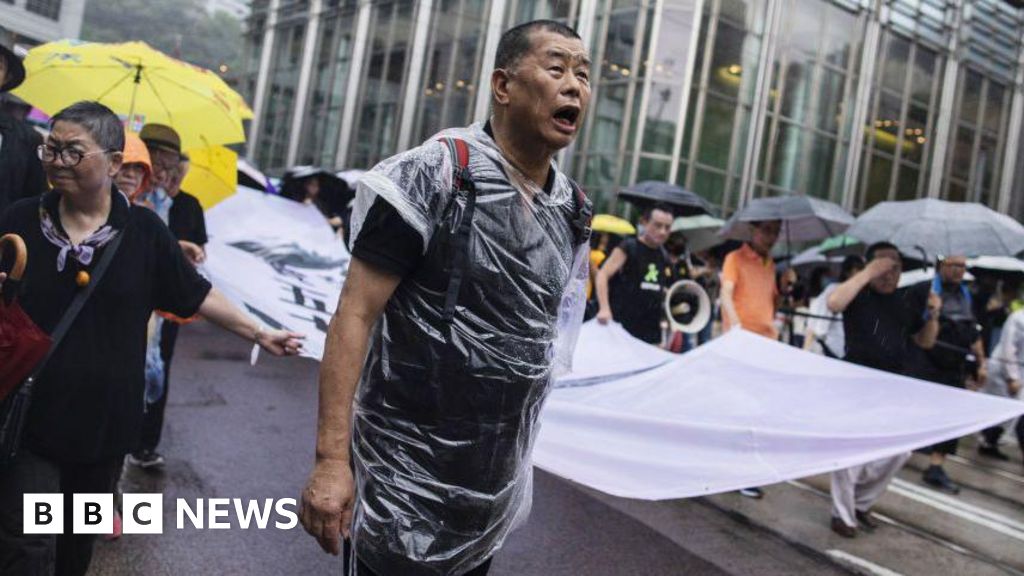
Lai's case epitomizes the broader transformation of Hong Kong's governance model, with three critical developments emerging. First, the 'patriots-only' election rules have dramatically reduced directly elected legislative positions. Second, the dissolution of the last pro-democracy party signals a complete institutional reset. Third, the conviction sends an unambiguous message that any challenge to the Chinese Communist Party's authority will be ruthlessly prosecuted.
The strategic implications are profound. By sentencing Lai—a 78-year-old media entrepreneur who has already spent over 1,800 days in maximum-security prison—to potential life imprisonment, Beijing is not just punishing an individual. It is systematically closing every potential avenue of political dissent, transforming Hong Kong from a semi-autonomous region into a tightly controlled administrative zone that mirrors mainland governance principles.
International observers and democratic governments now face a critical inflection point: continue symbolic protests and sanctions or tacitly accept Hong Kong's new political reality. The trial's outcome suggests that Beijing views political control as non-negotiable, willing to absorb international criticism to achieve its strategic objectives of complete political integration.
Questions 3
What does Jimmy Lai's conviction mean for Hong Kong's political future?
The conviction represents a definitive end to Hong Kong's democratic resistance, signaling Beijing's intent to completely reshape the region's political landscape. It demonstrates that any form of political opposition will be systematically eliminated through legal mechanisms.
How will this verdict impact international perceptions of Hong Kong?
The trial will likely accelerate international disengagement, with many democratic countries viewing Hong Kong as increasingly indistinguishable from mainland China. This could lead to reduced diplomatic and economic interactions, potentially isolating Hong Kong from global democratic networks.