





Firearm Licensing Failures Expose Critical Security Vulnerabilities in Australian Counterterrorism Systems
- Systemic intelligence and regulatory gaps create unprecedented risks for community safety













Overview
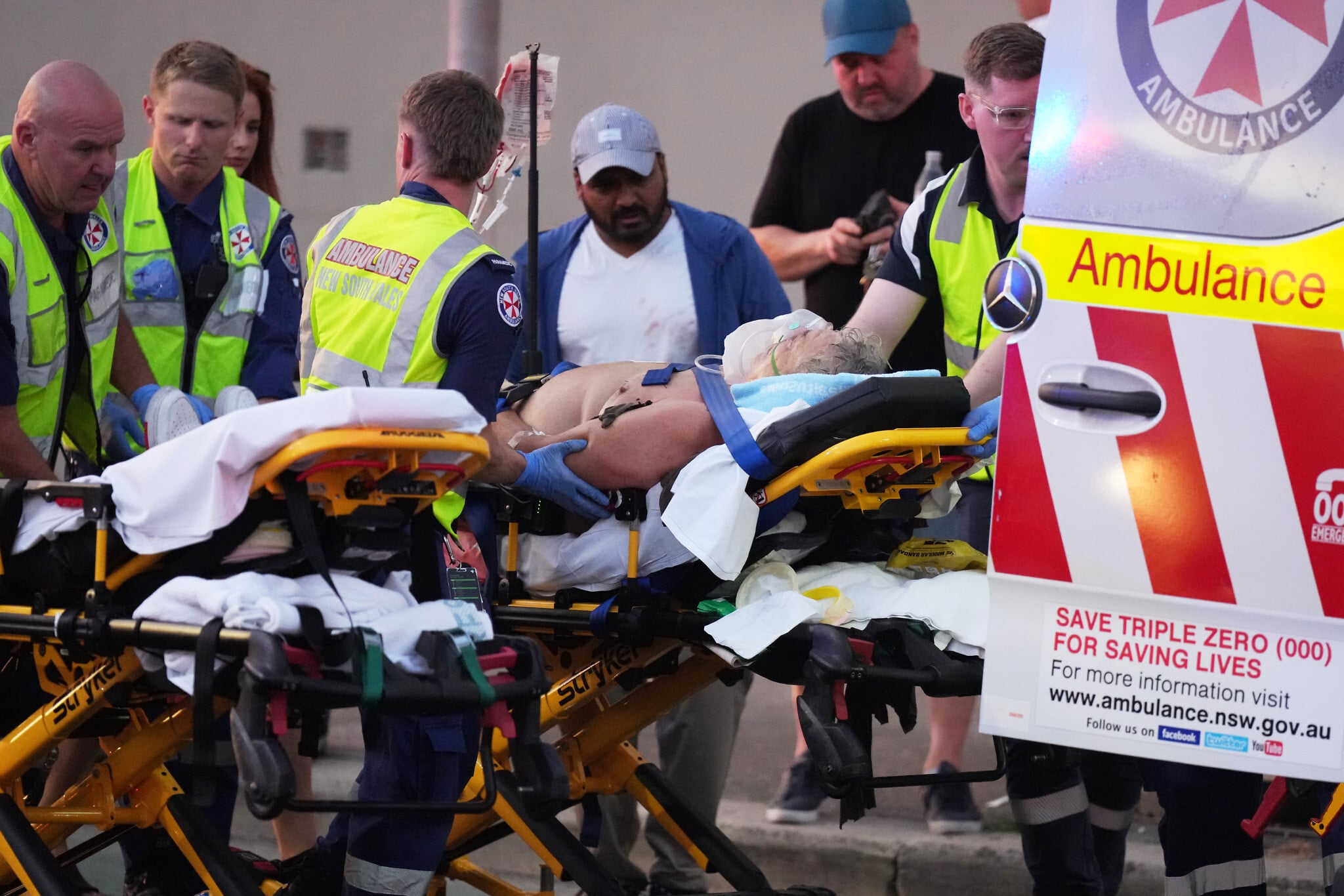
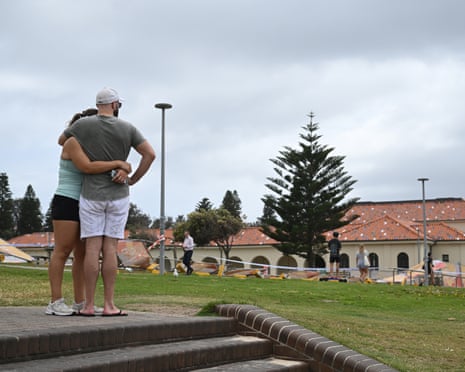
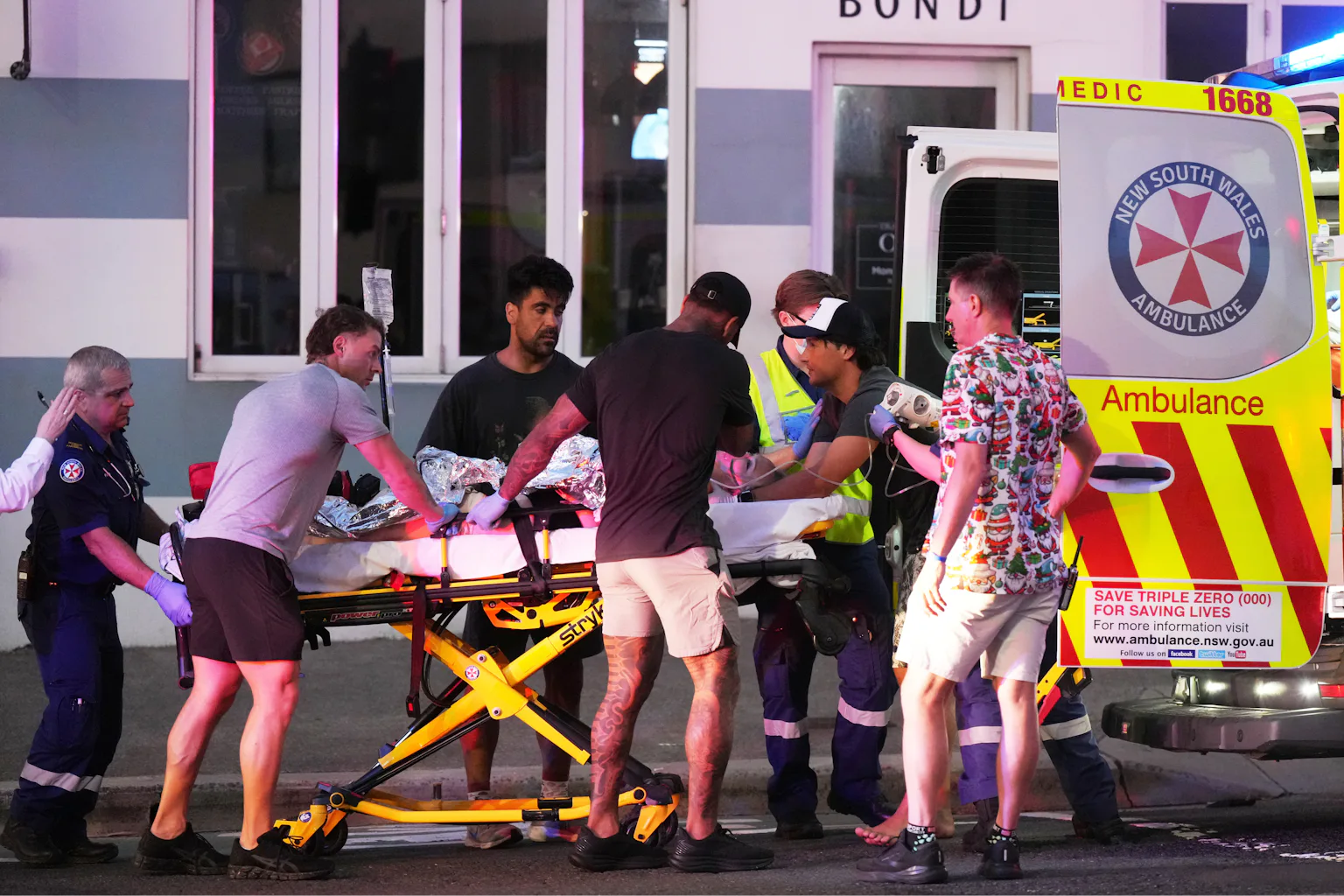
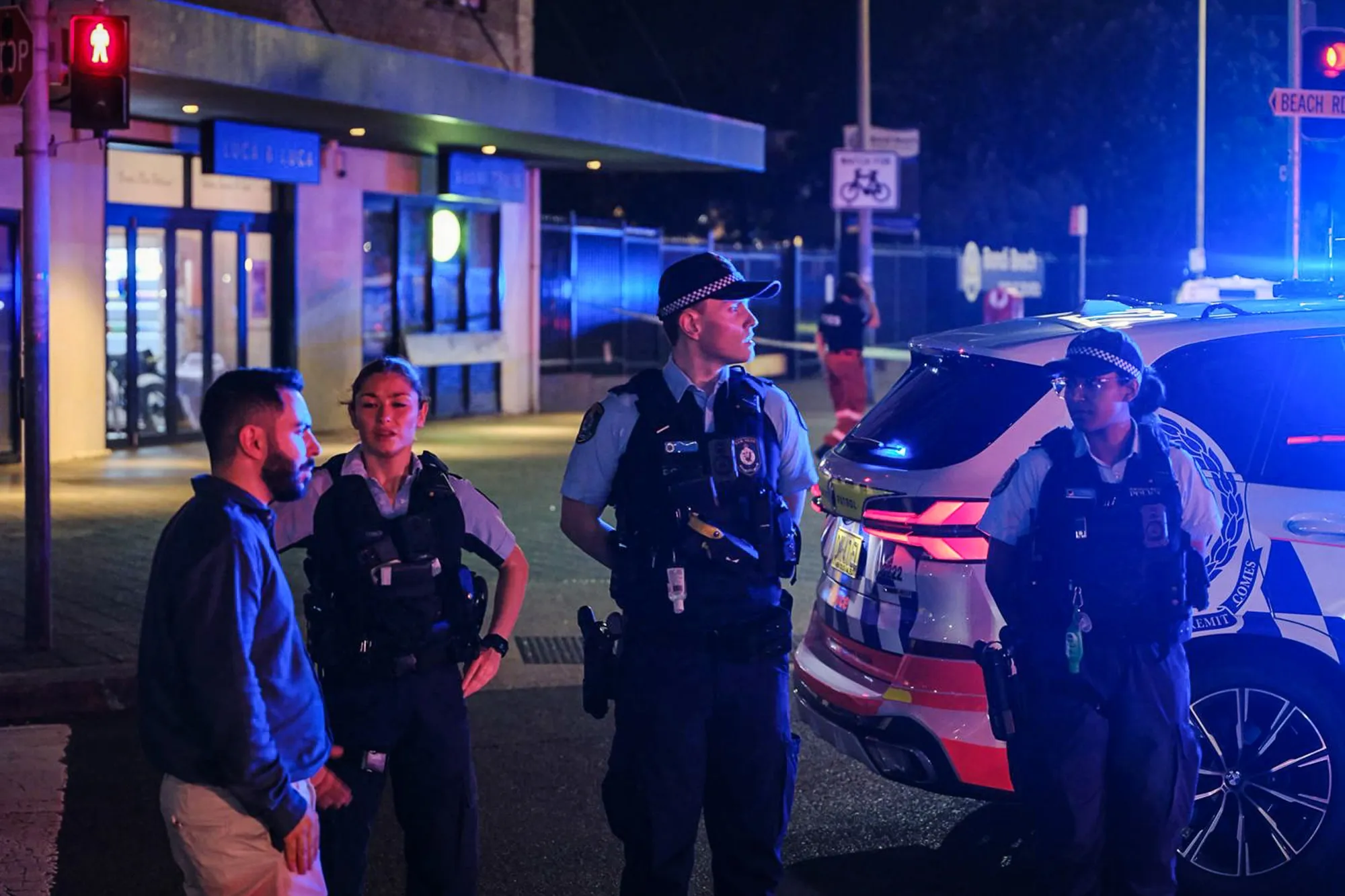
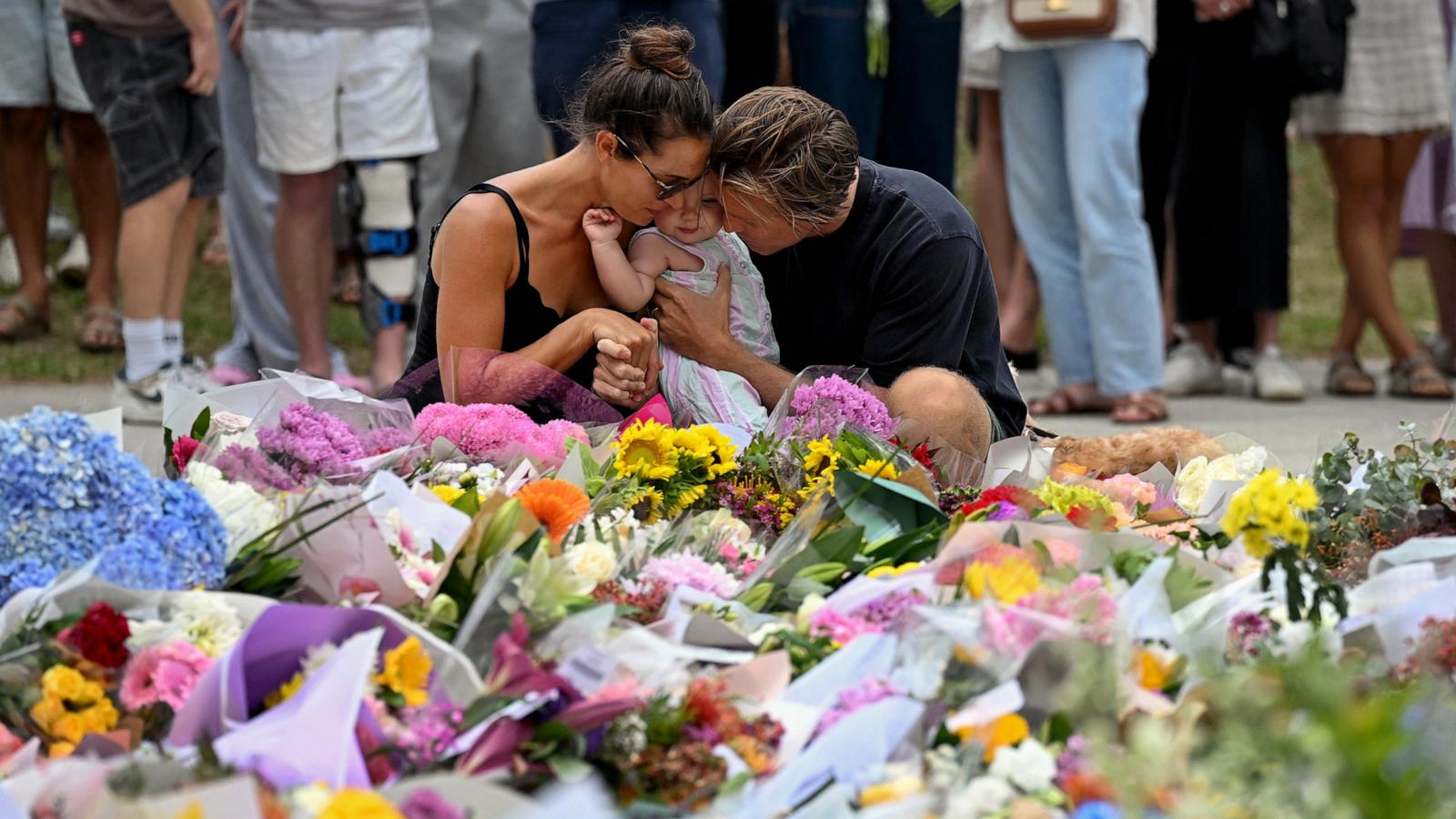
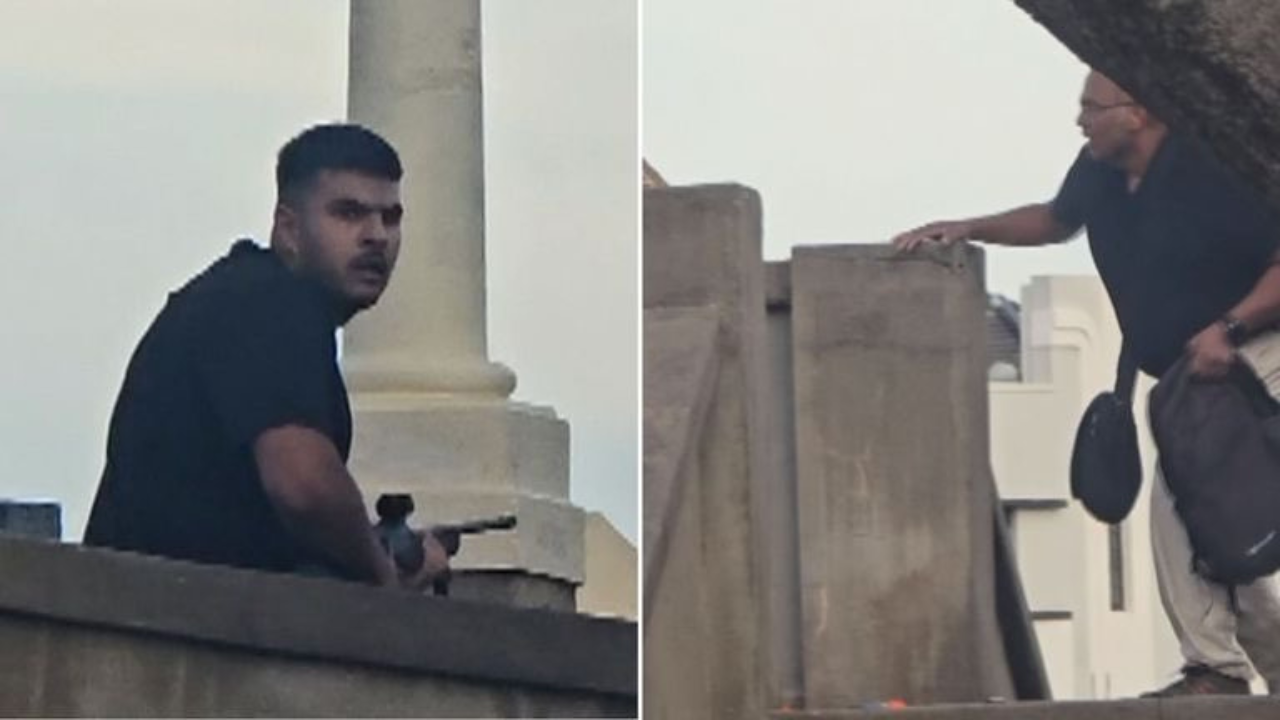
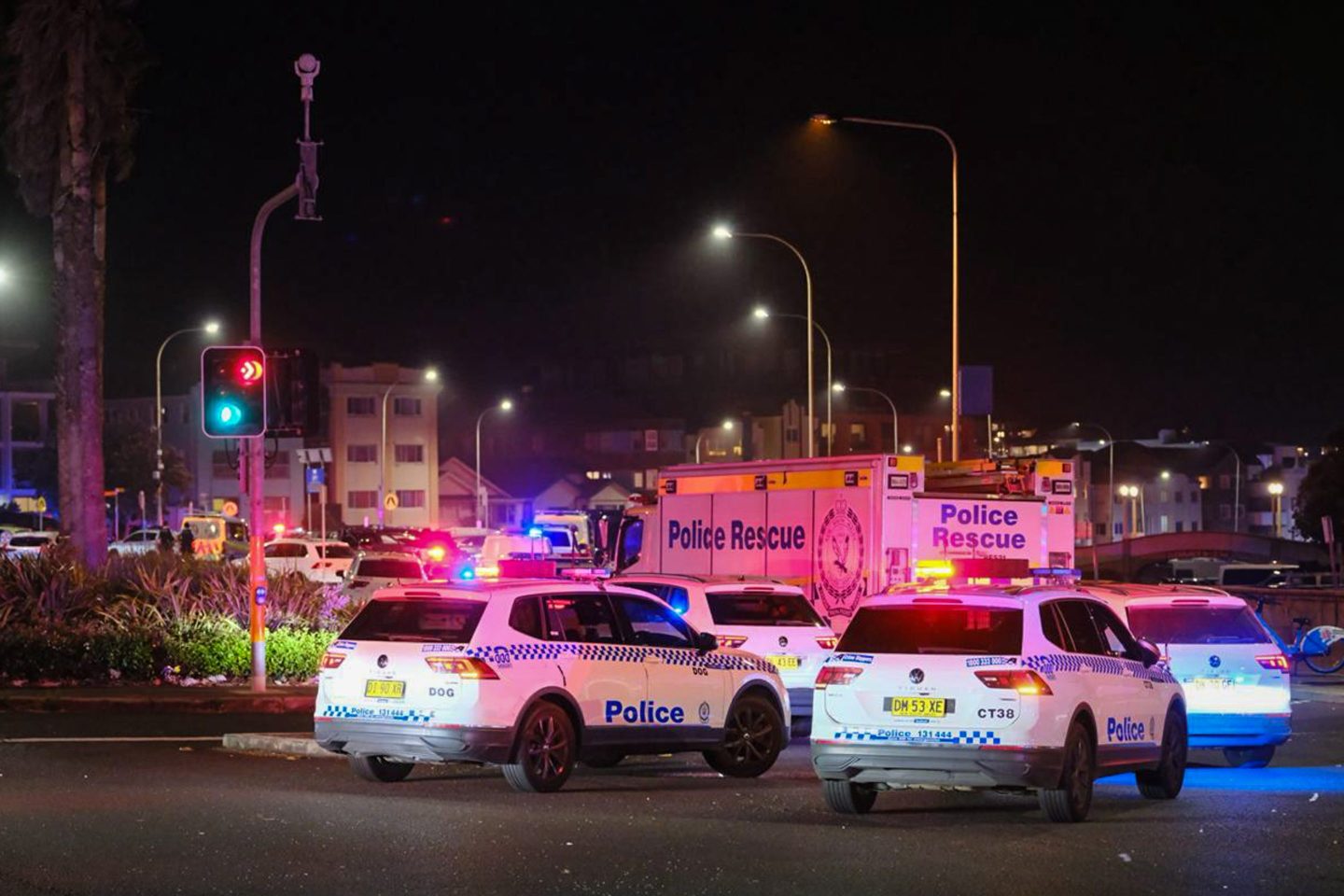
The Bondi Beach terror attack reveals a catastrophic breakdown in Australia's firearm licensing and counterterrorism intelligence frameworks. At the core of this tragedy lies a systemic failure that allowed a licensed firearms holder with potential radicalization risks to maintain weapon ownership, ultimately resulting in a devastating antisemitic attack that claimed 15 lives.
Regulatory intelligence failures are starkly evident in the case of Naveed Akram, who was previously investigated by Australian Security Intelligence Organisation (ASIO) in 2019 but deemed not to pose an ongoing threat. His father, Sajid Akram, held a Category AB firearms license permitting ownership of six weapons—all of which became instruments of terror. This incident exposes critical vulnerabilities in Australia's gun control regime, traditionally considered one of the world's most stringent.
The attack's context is equally significant, occurring against a backdrop of escalating antisemitic tensions. With 1,654 reported antisemitic incidents in the previous year, the Jewish community had been signaling increasing security concerns. The government's reactive measures—including appointing a Special Envoy to Combat Antisemitism and investing in social cohesion projects—now appear inadequate in preventing large-scale violence.
Critically, this event represents more than an isolated incident. It signals a profound challenge to Australia's community safety paradigm. The fact that an Australian-born citizen with previous intelligence scrutiny could execute such a targeted attack suggests deeper radicalization pathways that current monitoring systems fail to intercept.
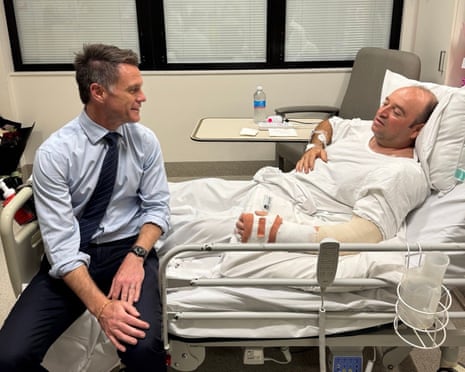
The heroic intervention of Ahmed Al Ahmed, who risked his life to disarm one of the attackers, symbolizes both the community's resilience and the unpredictable nature of public safety. His actions underscore that individual courage can momentarily bridge systemic institutional failures.
Questions 3
How does this attack impact Australia's multicultural community dynamics?
The attack threatens community cohesion by potentially escalating tensions between different ethnic and religious groups. The heroic actions of Ahmed Al Ahmed, a refugee-background individual who saved lives, symbolizes the potential for cross-community solidarity in confronting extremist threats.
How did the attackers obtain firearms despite previous intelligence investigations?
Sajid Akram held a legitimate Category AB firearms license for 10 years, allowing him to legally own six weapons. Despite Naveed Akram's previous ASIO investigation in 2019, he was not deemed a sufficient threat to revoke the family's firearms license, revealing significant gaps in Australia's firearms monitoring system.