



Wear OS 7 AI-Powered Smartwatch Update | E-Commerce Seller Opportunity in Wearables
- Google launches major smartwatch OS with 10% battery gains, Gemini AI integration, and Live Updates; creates product demand surge for compatible devices and accessories through late 2026


Overview
Google's Wear OS 7 launch at I/O 2026 represents a critical inflection point for e-commerce sellers in the wearables category, which generated $18.2B in global sales in 2024. The operating system overhaul—built on Android 17 with Canary emulator available now and full rollout scheduled for late 2026—delivers three major improvements: 10% battery efficiency gains, Gemini AI integration for proactive assistance, and redesigned interface elements. This creates immediate product opportunities across three seller segments: smartwatch device retailers, accessory manufacturers, and app developers targeting the wearables ecosystem.
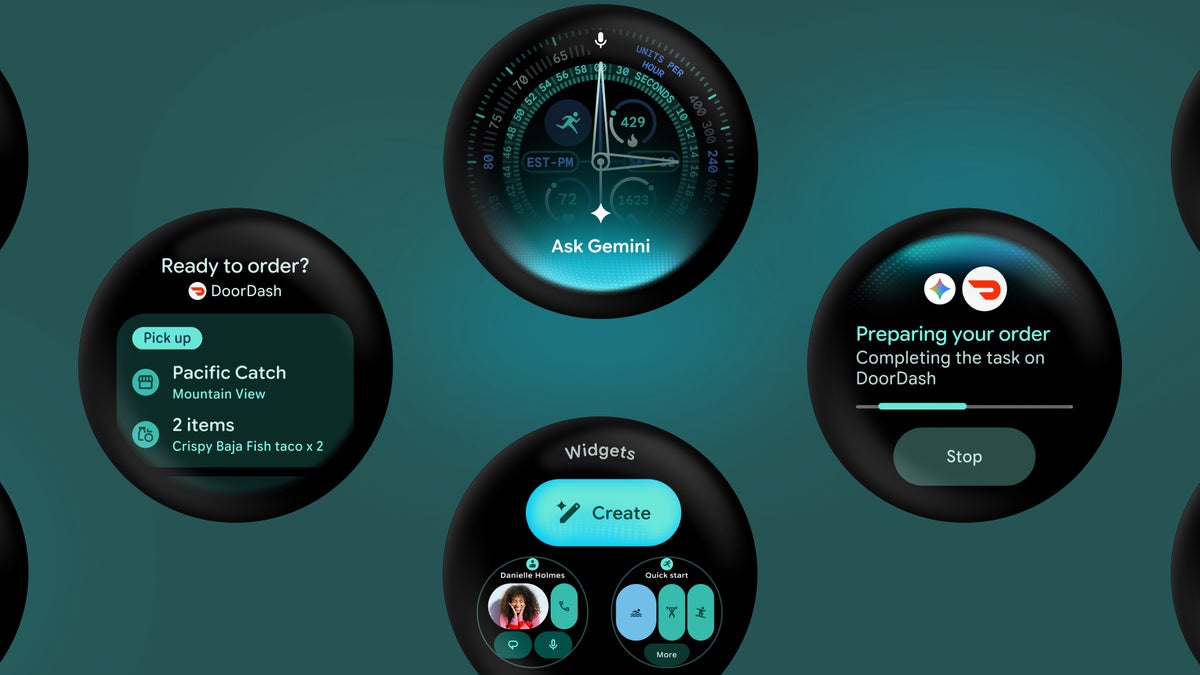
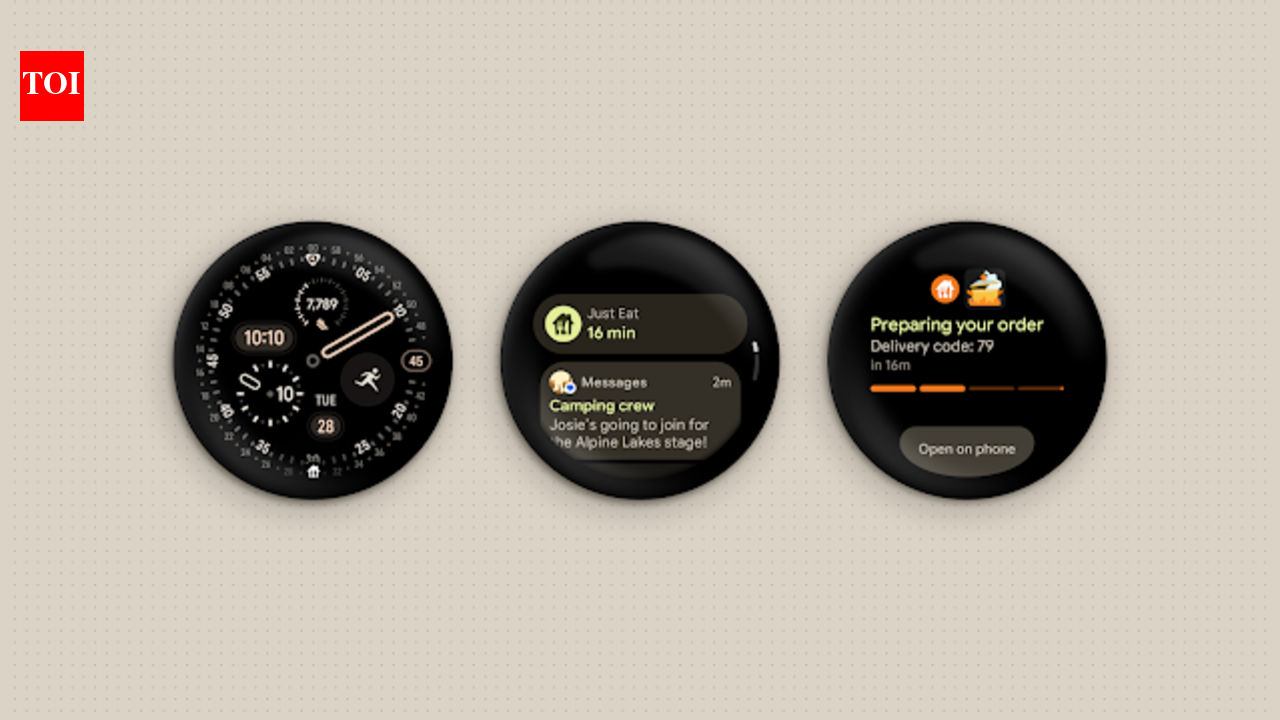
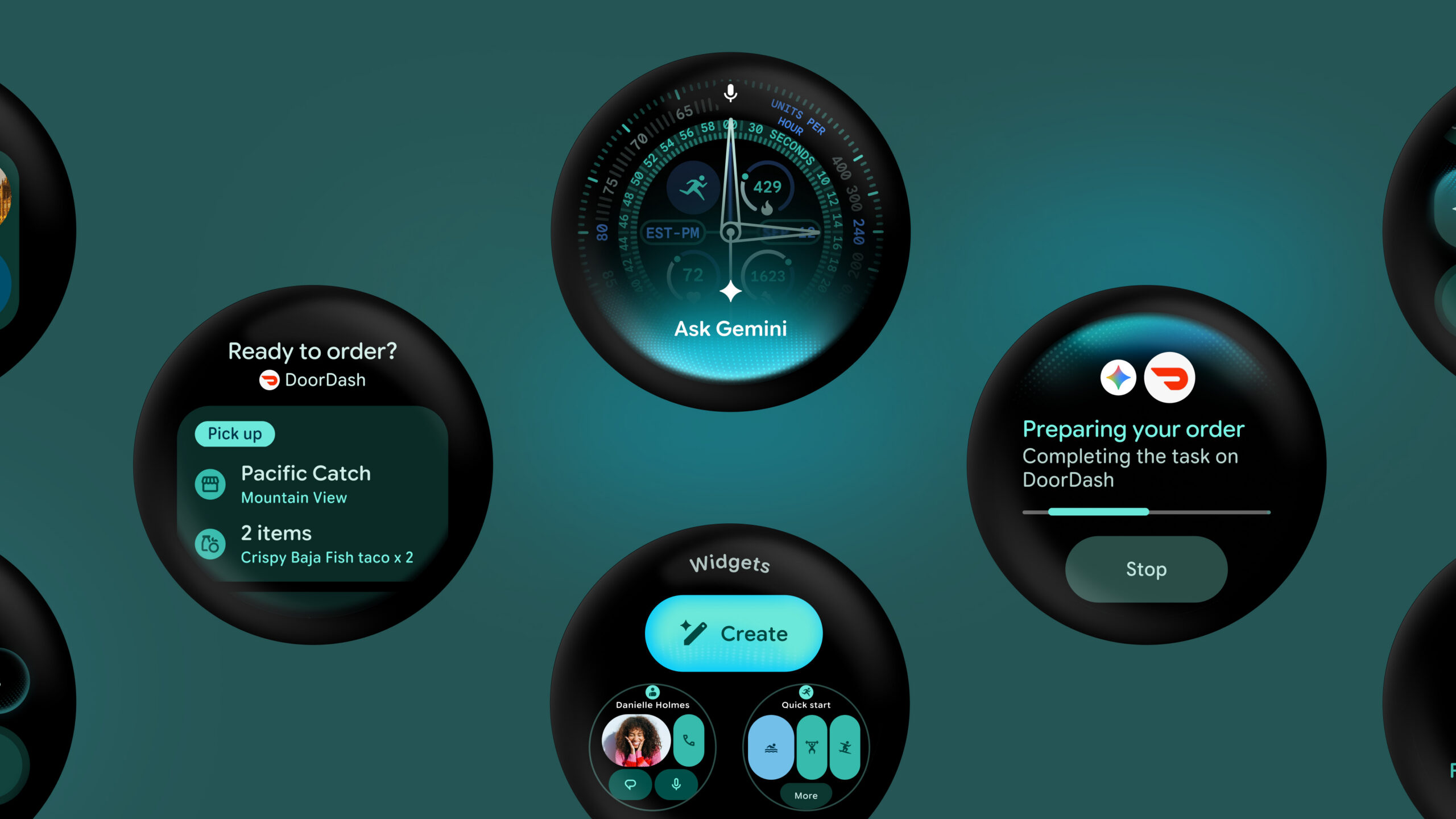
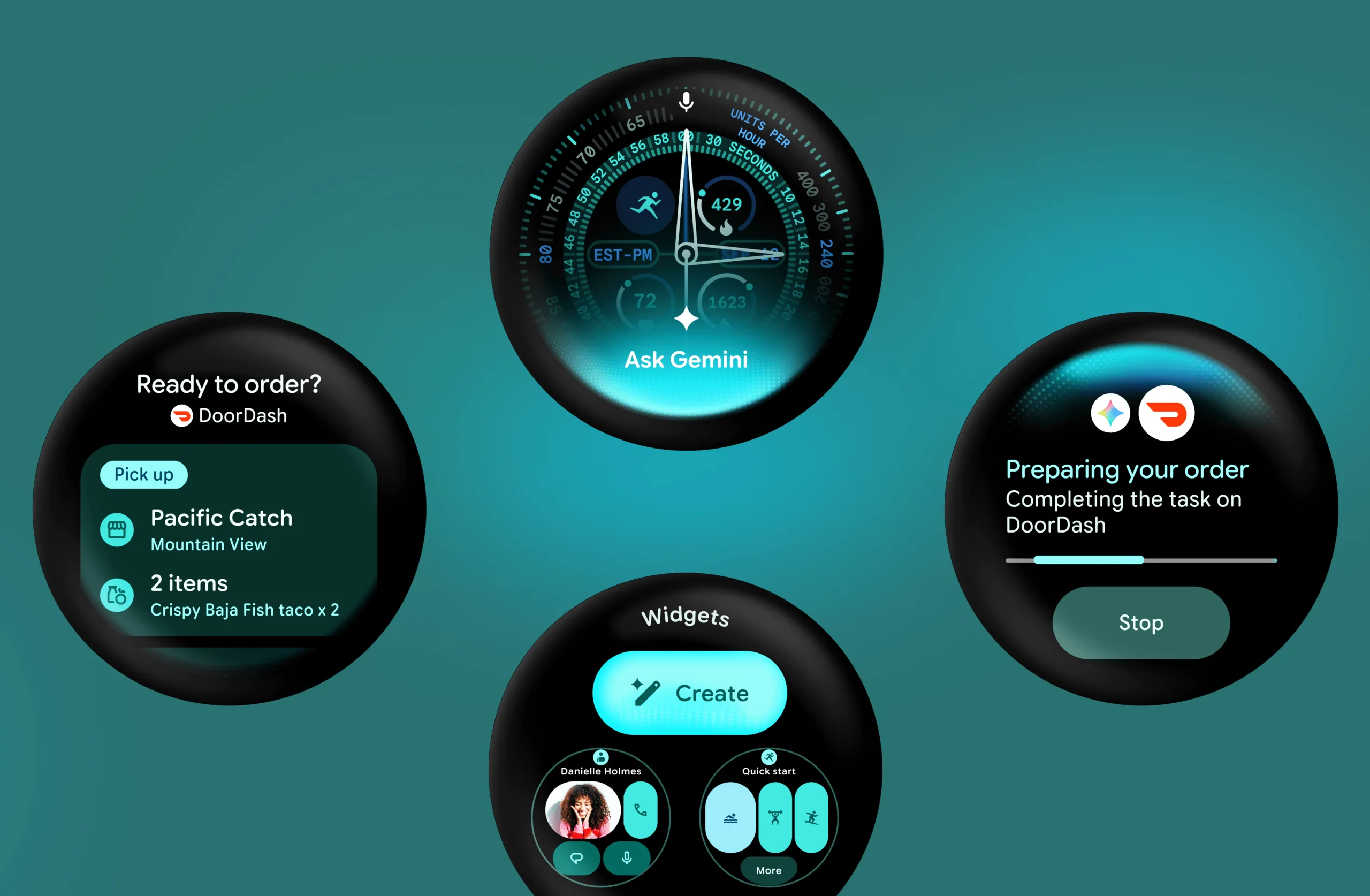
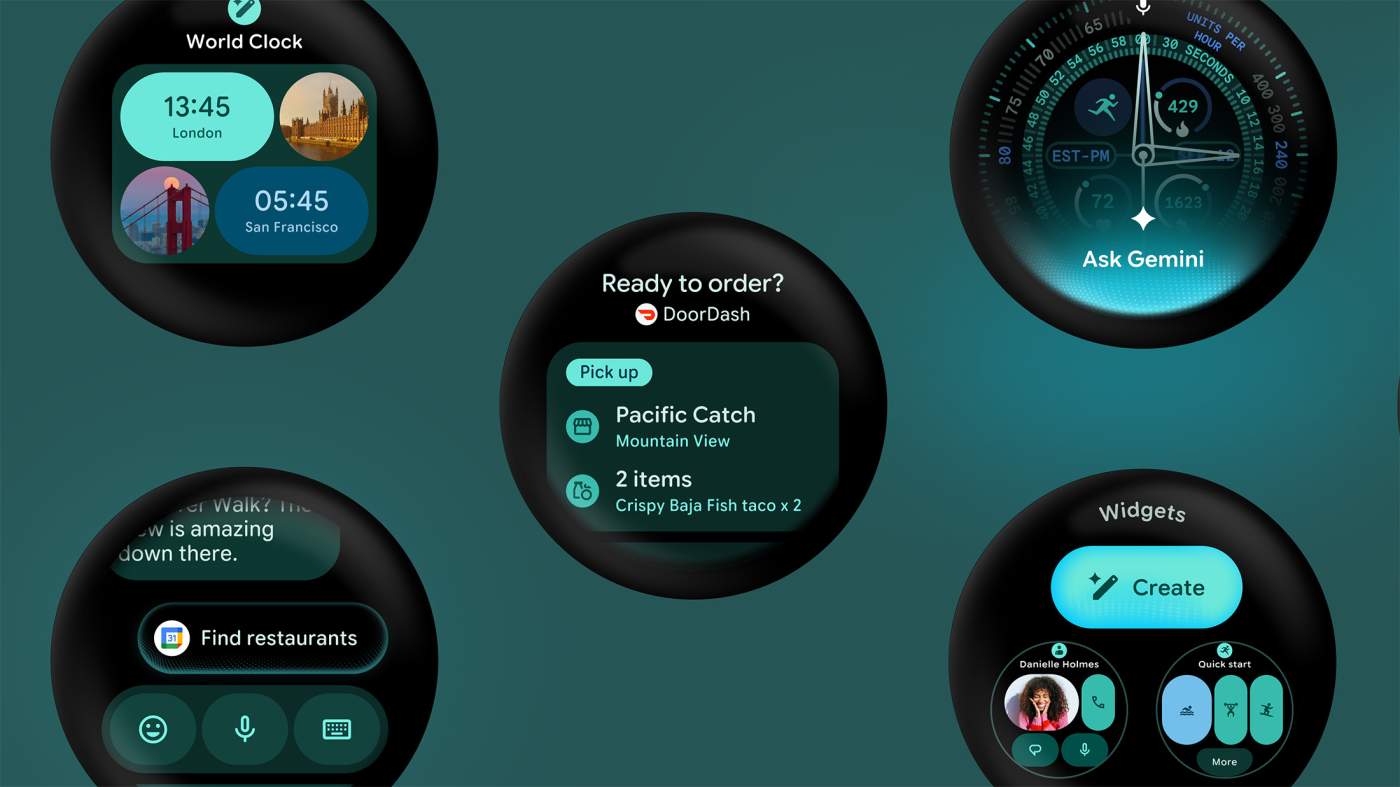
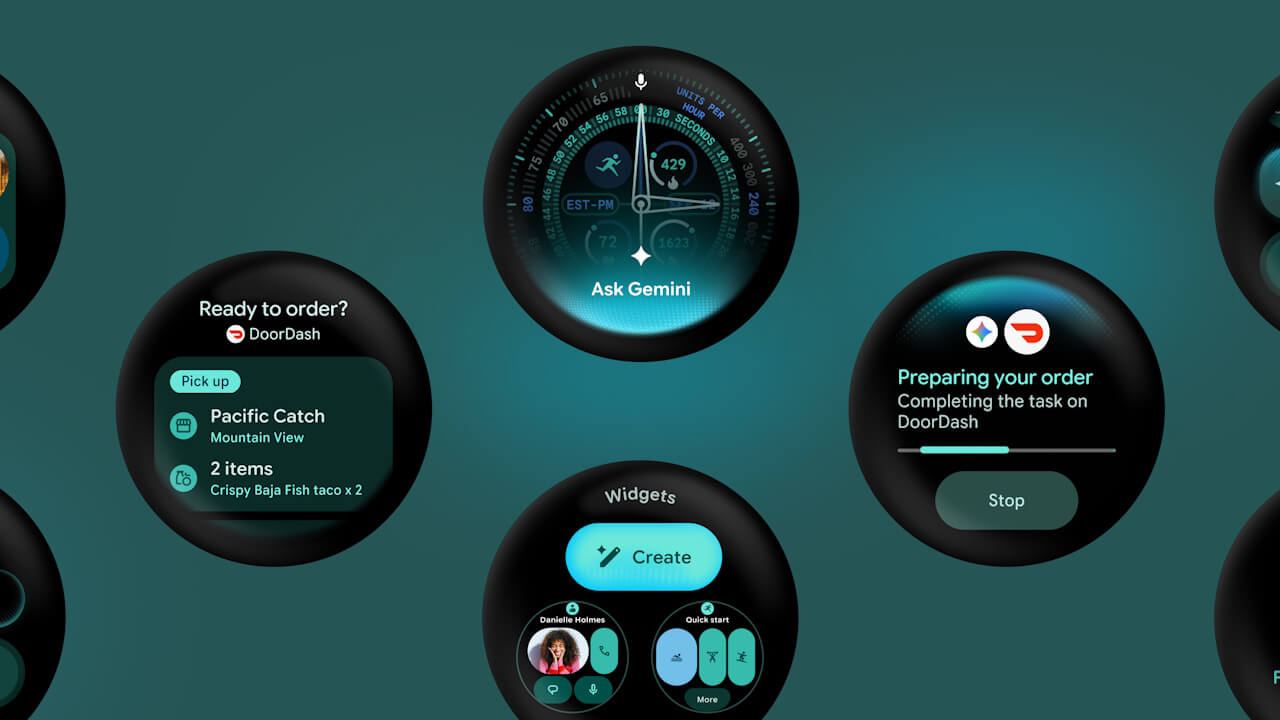
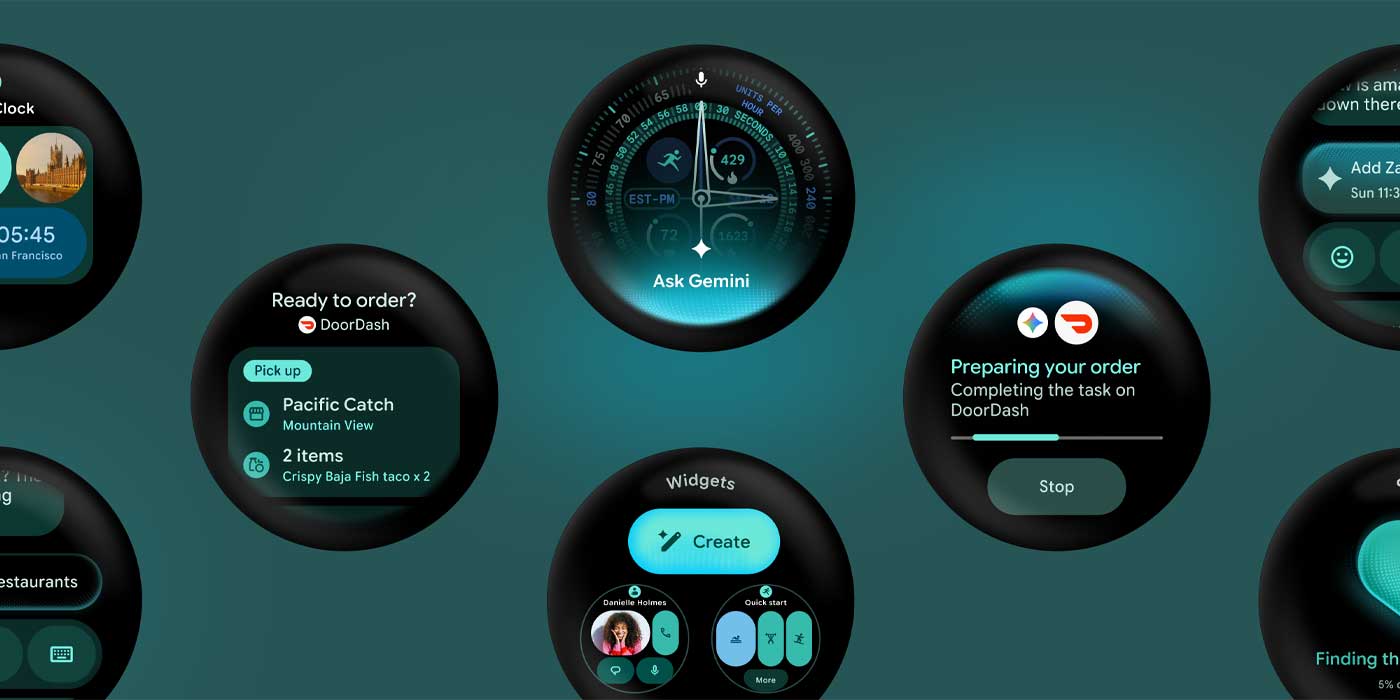
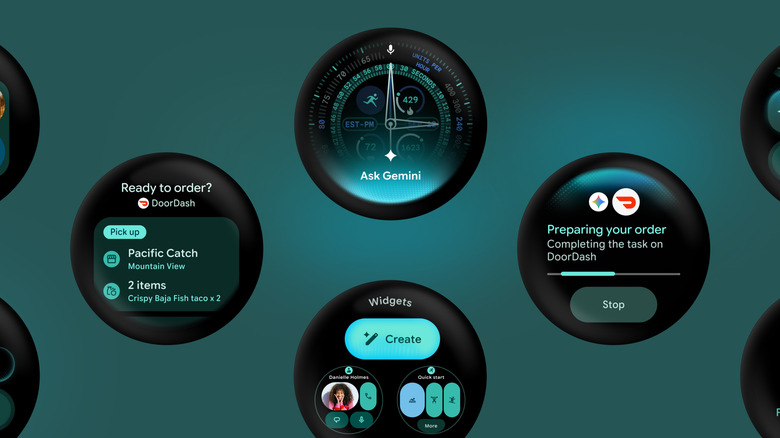
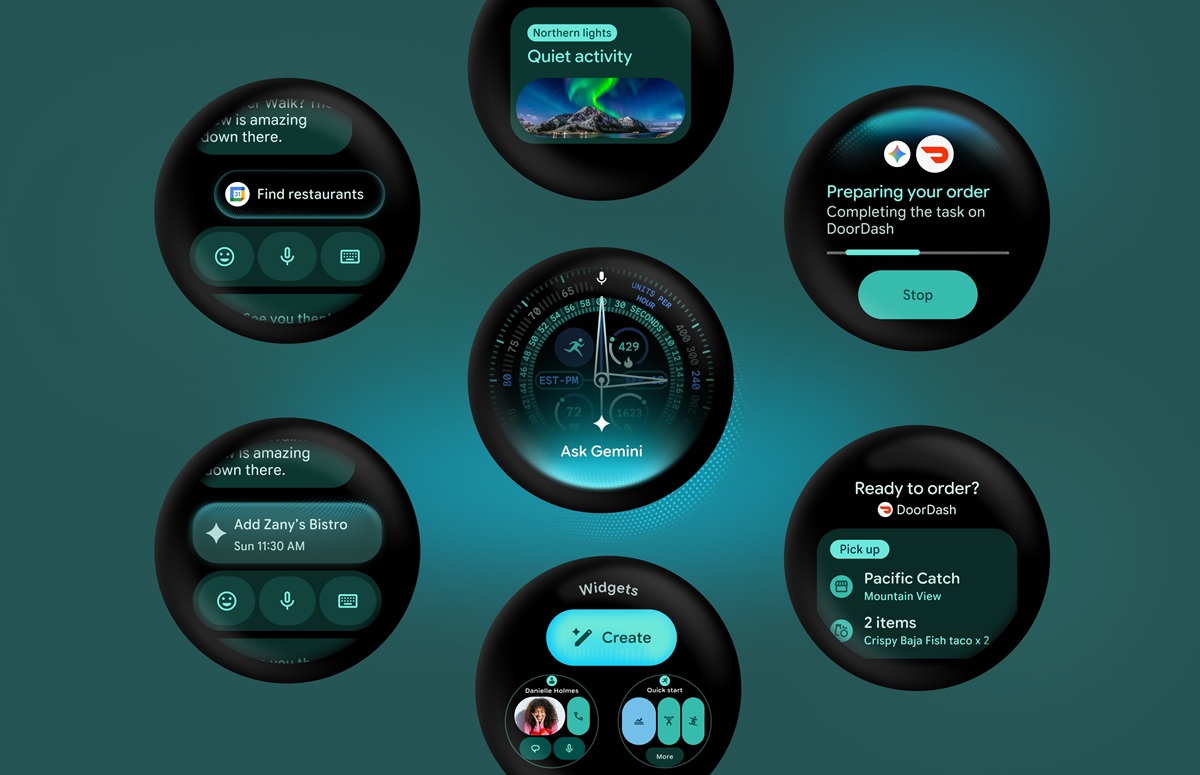
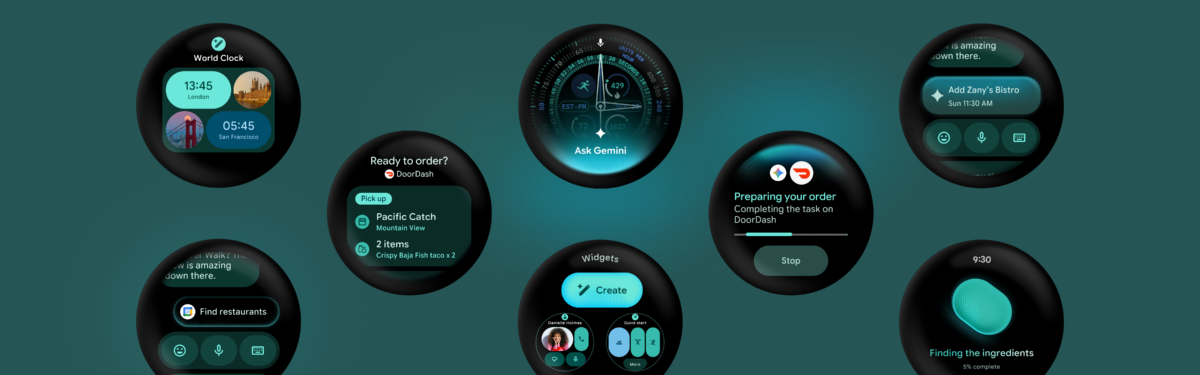
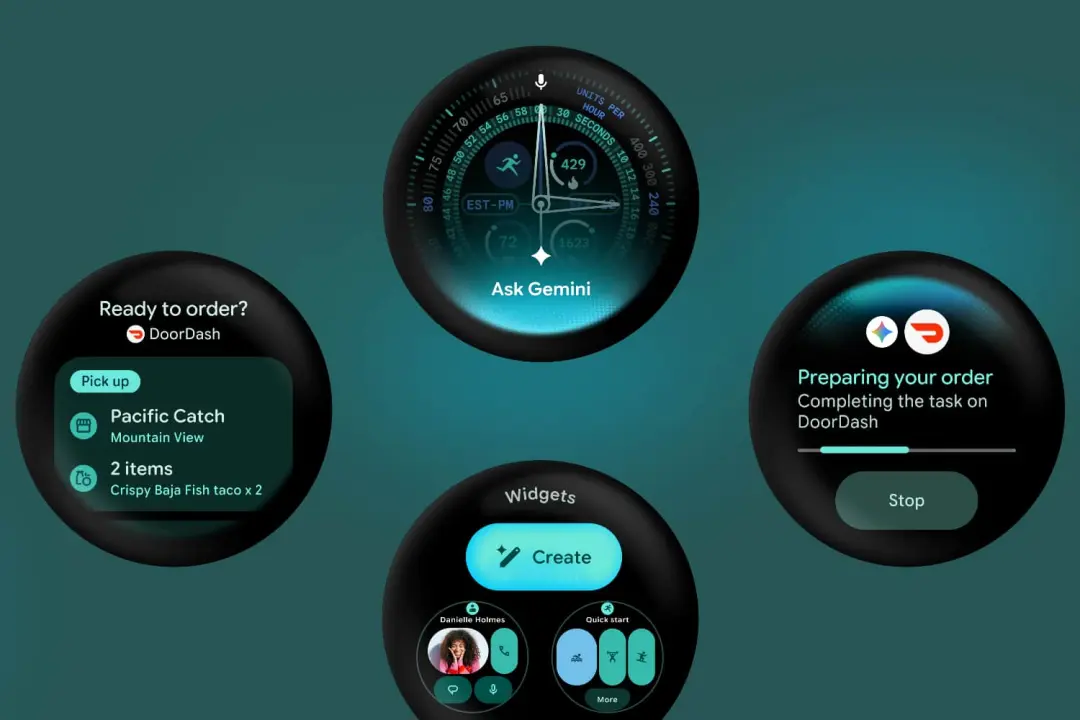
The AI-powered features unlock significant automation opportunities for e-commerce sellers. Wear OS 7's Gemini Intelligence enables voice-activated commerce directly from wrists—users can place DoorDash orders, track deliveries from Just Eat, and initiate phone-side actions without manual input. For sellers, this means product listings must now optimize for voice search and AI-powered discovery. The Live Updates feature displaying real-time delivery tracking and rideshare ETAs creates demand for logistics integration tools and fulfillment visibility software. Sellers using Amazon, eBay, or Shopify can leverage this trend by implementing voice-commerce capabilities and real-time order tracking widgets. The AppFunctions API enables third-party app integration with Gemini, creating a new category of wearable-specific SaaS tools that sellers can develop or adopt to capture voice-commerce transactions.
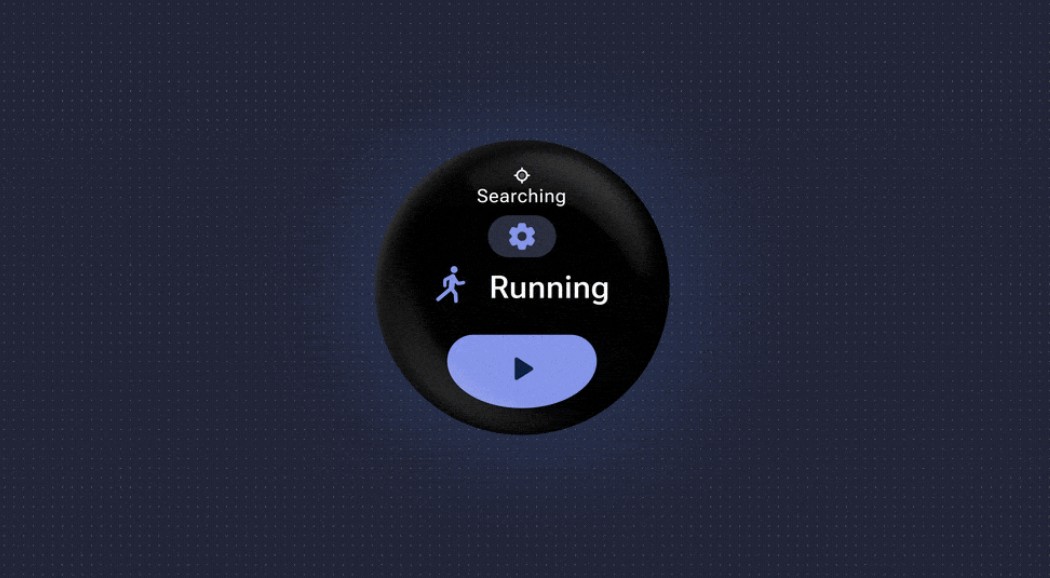
Device compatibility fragmentation presents both risk and opportunity for inventory management. Pixel Watch 4 owners face straightforward upgrade paths, but older Pixel Watch models show uncertain support—reflecting broader Wear OS adoption challenges. This creates a 6-12 month window where sellers can capitalize on device replacement demand. The partnership with ASICS Runkeeper for built-in workout tracking signals Google's focus on health/fitness verticals, driving demand for sports watches, fitness trackers, and health-monitoring accessories. Sellers in these categories should expect 15-25% demand increases during Q3-Q4 2026 as new devices ship with Wear OS 7. The Watch Face Format 5 enhancements for third-party developers create opportunities for sellers offering custom watch face design services and premium watch face subscriptions—a high-margin digital product category.
Immediate automation wins for sellers include: (1) Dynamic product listing optimization for voice search queries ("start tracking my run," "place DoorDash order") using AI tools like Helium 10 or Jungle Scout; (2) Automated inventory forecasting for compatible smartwatch models using historical adoption curves from previous OS launches; (3) Real-time competitor pricing monitoring for Pixel Watch 4 and compatible devices, as demand will spike 30-45 days before late 2026 rollout; (4) Automated customer service responses for compatibility questions using ChatGPT or Claude, reducing support costs by 20-30 hours/week for high-volume sellers.
Questions 7
What new product categories emerge from Wear OS 7's Watch Face Format 5 enhancements?
Watch Face Format 5 creates opportunities for digital product sellers offering premium watch face designs, custom complications, and subscription-based watch face services. The enhanced developer tools lower barriers to entry, enabling independent designers to create and sell watch faces through Google Play. Sellers can expect 40-60% growth in watch face design services, custom watch face subscriptions ($2-5/month recurring revenue), and premium watch face bundles. This category has 70-80% gross margins and minimal fulfillment costs, making it ideal for sellers seeking high-margin digital products. Market size for premium watch faces is estimated at $200-400M globally by 2027.
How can sellers use AI to automate Wear OS 7 product research and competitive analysis?
AI tools enable sellers to: (1) Automatically track Wear OS 7 device compatibility across 50+ smartwatch models using web scraping and API integration; (2) Monitor competitor pricing for compatible devices across Amazon, eBay, and Walmart in real-time; (3) Analyze customer reviews for Wear OS 7 devices to identify feature gaps and accessory opportunities; (4) Forecast demand using historical OS adoption curves and social media sentiment analysis. Tools like Helium 10, Jungle Scout, and custom Python scripts can reduce manual research time by 15-20 hours/week. Sellers implementing AI-powered competitive intelligence gain 2-4 week first-mover advantages in identifying trending accessories and emerging product categories within the Wear OS 7 ecosystem.