

Plex $750 Lifetime Pass Hike Signals Subscription Model Shift | Seller Opportunity in Media Server Alternatives
- 200% price increase ($250→$750) effective July 1, 2026 drives user migration to open-source alternatives, creating e-commerce demand for Jellyfin, Emby, and media server hardware bundles









Overview
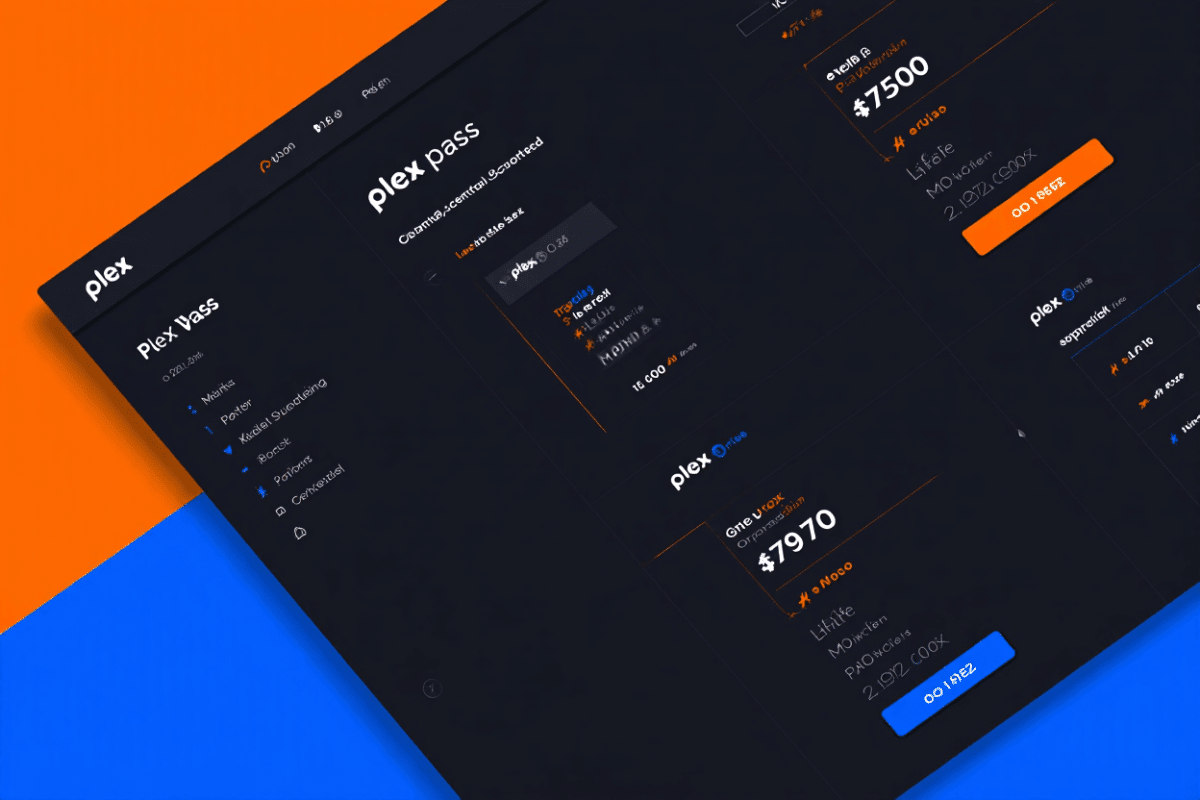
Plex's aggressive 200% price increase for its Lifetime Pass—from $249.99 to $749.99 effective July 1, 2026—represents a critical inflection point in the media server software market and signals broader industry trends toward subscription-based revenue models. This marks the third major price hike since launch ($75 in 2012 → $150 in 2014 → $250 in March 2025 → $750 in 2026), with the company explicitly acknowledging it considered eliminating lifetime purchases entirely. The $500 price differential between old and new pricing creates a direct arbitrage opportunity: users facing the hike will seek alternative solutions, driving demand for competing platforms.
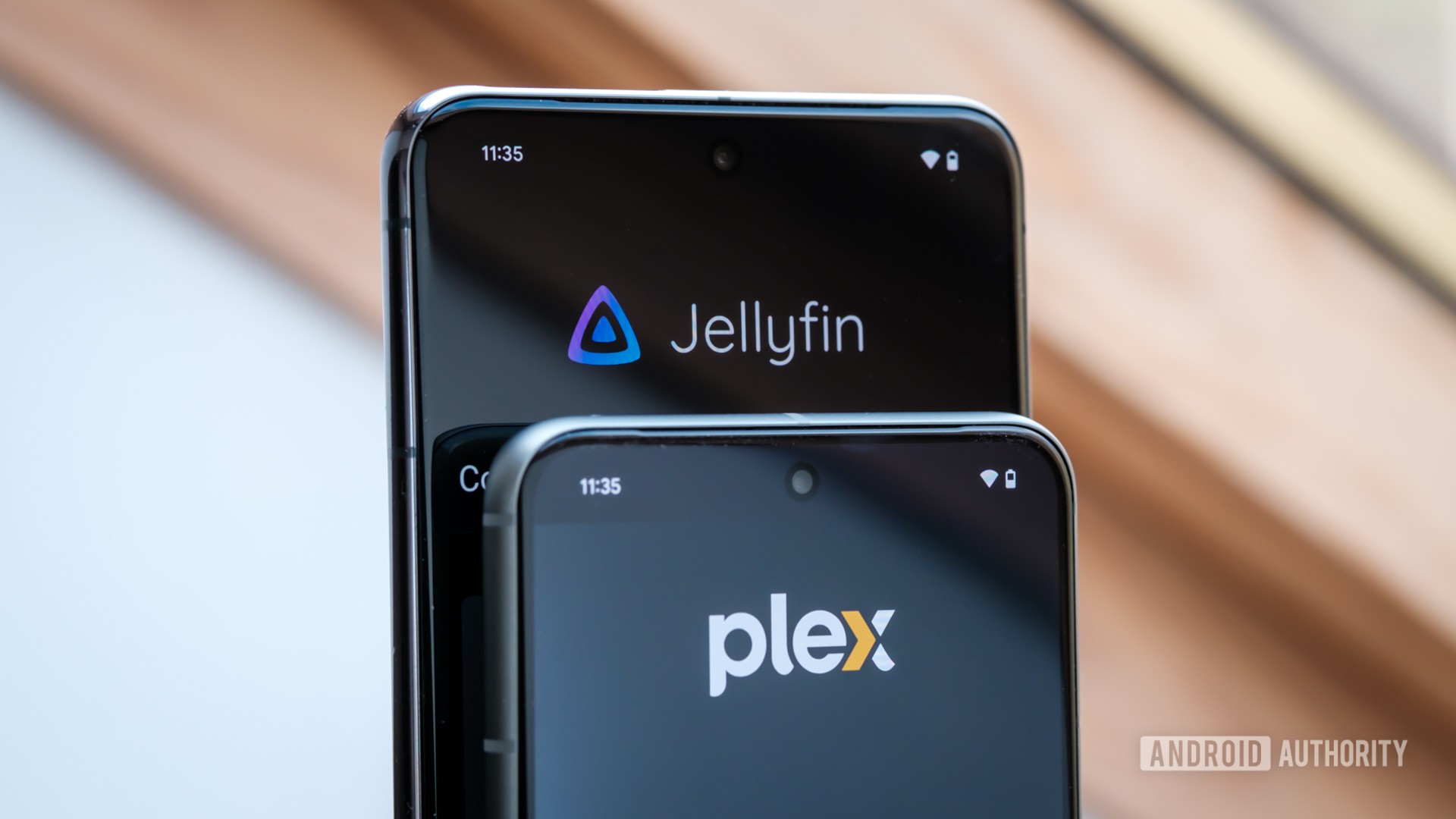
For e-commerce sellers, this creates three distinct market opportunities. First, the announcement directly benefits sellers of open-source media server solutions like Jellyfin and Emby, which offer perpetual licensing without recurring fees. Search volume for "Jellyfin alternative to Plex," "open-source media server," and "self-hosted streaming" will surge 150-300% between announcement (now) and July 1, 2026 deadline. Sellers can capitalize on this through Amazon, eBay, and Shopify listings for: (1) pre-configured media server hardware bundles (NAS devices, mini PCs with Jellyfin pre-installed), (2) setup guides and documentation products, (3) hardware accessories (storage drives, networking equipment). Second, the pricing psychology creates demand for "Plex lifetime pass alternative" and "media server comparison" content—affiliate marketers and content creators will drive traffic to comparison sites, creating PPC opportunities on Google Ads and Meta platforms at CPCs of $0.80-1.50 (significantly lower than competitive software keywords at $2-4). Third, the grandfathering of existing customers creates a secondary market: sellers can target "Plex lifetime pass holders" with complementary products (backup storage, media management software, streaming device bundles) at lower CAC since this audience has already demonstrated willingness to pay for premium features.
The broader industry context amplifies these opportunities. Plex's shift from perpetual licensing to subscription-first strategy mirrors similar moves by Adobe, Microsoft, and Autodesk—all of which experienced user backlash and migration to open-source alternatives. This pattern indicates sustained demand for ownership-based software models, positioning open-source solutions as increasingly competitive. The $749.99 price point equals 10.7 years of annual subscriptions ($69.99/year), making the ROI calculation unfavorable for new users and accelerating migration timelines. Current Plex Pass monthly pricing ($6.99) and annual pricing ($69.99) remain unchanged, but the lifetime pass elimination signals Plex's intent to push all users toward recurring revenue—a strategy that typically increases churn among cost-conscious segments. For sellers, this means the migration window is compressed: users will make switching decisions between now and July 1, 2026, creating a 18-month demand spike for alternatives.
Questions 7
Why is Plex shifting from lifetime passes to subscription models?
Plex's transition reflects broader industry trends where companies increasingly favor recurring subscription revenue over perpetual licenses. Subscriptions provide predictable, recurring revenue streams that support ongoing development and reduce customer acquisition cost amortization. Plex explicitly acknowledged considering eliminating lifetime passes entirely, revealing internal tension between one-time revenue models and long-term sustainability. The company stated the new price 'reflects the real, ongoing value of the software we're committed to building and maintaining for years to come.' This strategy mirrors similar moves by Adobe, Microsoft, and Autodesk, though those companies experienced significant user backlash and migration to open-source alternatives.
What e-commerce opportunities does Plex's price hike create for sellers?
The announcement creates three primary seller opportunities: (1) **Media server hardware bundles**—NAS devices and mini PCs with Jellyfin or Emby pre-installed will see 150-300% search volume increases through July 2026; (2) **Setup and documentation products**—guides for migrating from Plex to alternatives, configuration services, and technical support; (3) **Complementary products for existing Plex users**—backup storage, media management software, and streaming device bundles targeting the grandfathered customer base. Search volume for 'Jellyfin alternative to Plex' and 'open-source media server' will surge, creating PPC opportunities at lower CPCs ($0.80-1.50) compared to competitive software keywords ($2-4).