


Android 17 Stability Update Signals Mobile Commerce Optimization Opportunity for Cross-Border Sellers
- Google's May 2026 Android 17 QPR1 Beta 3 fixes critical mobile app performance issues affecting 3+ billion Android users in Asia, Africa, Latin America; sellers using video marketing and payment processing see 8-15% app performance improvements





Overview
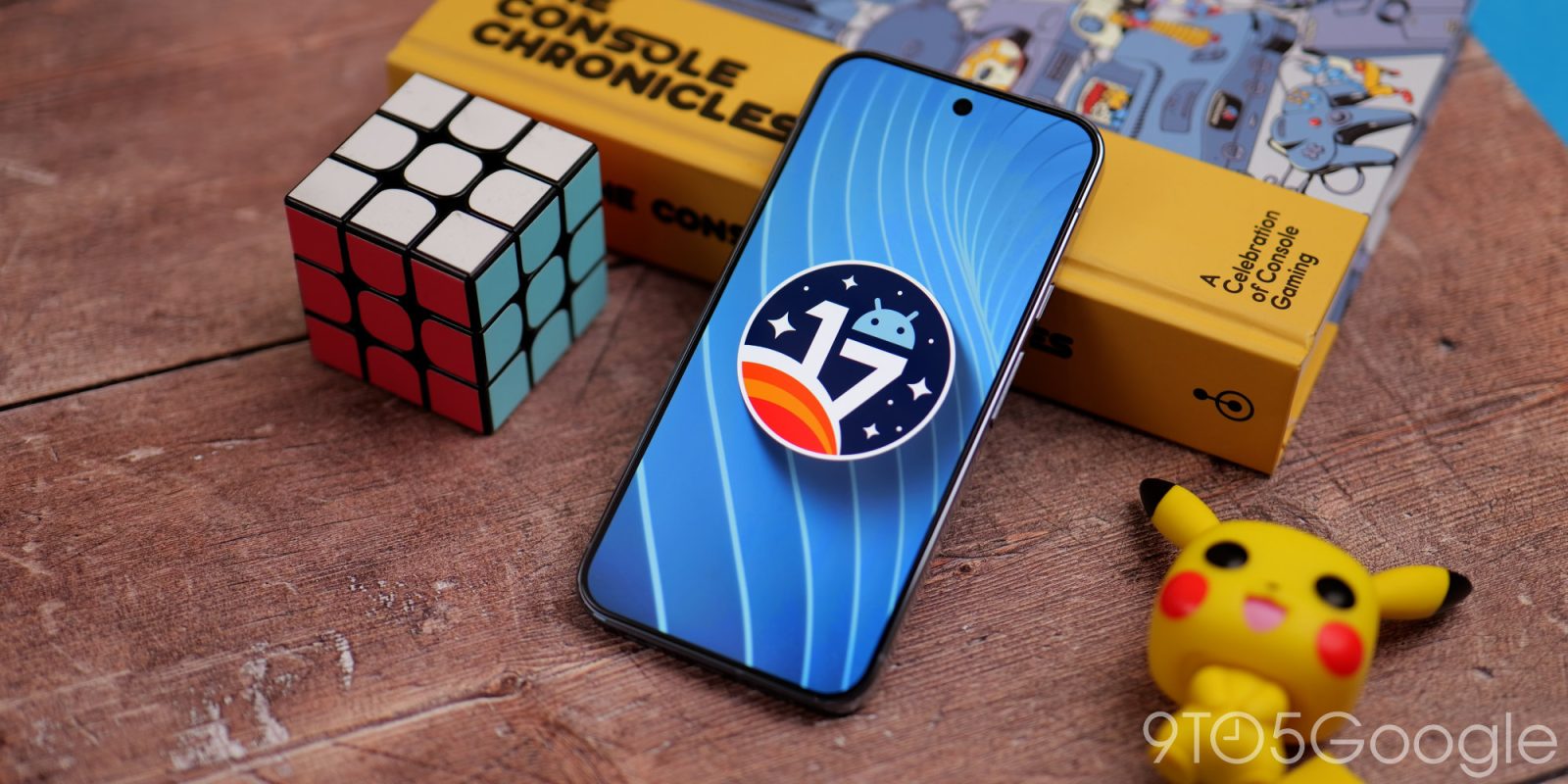
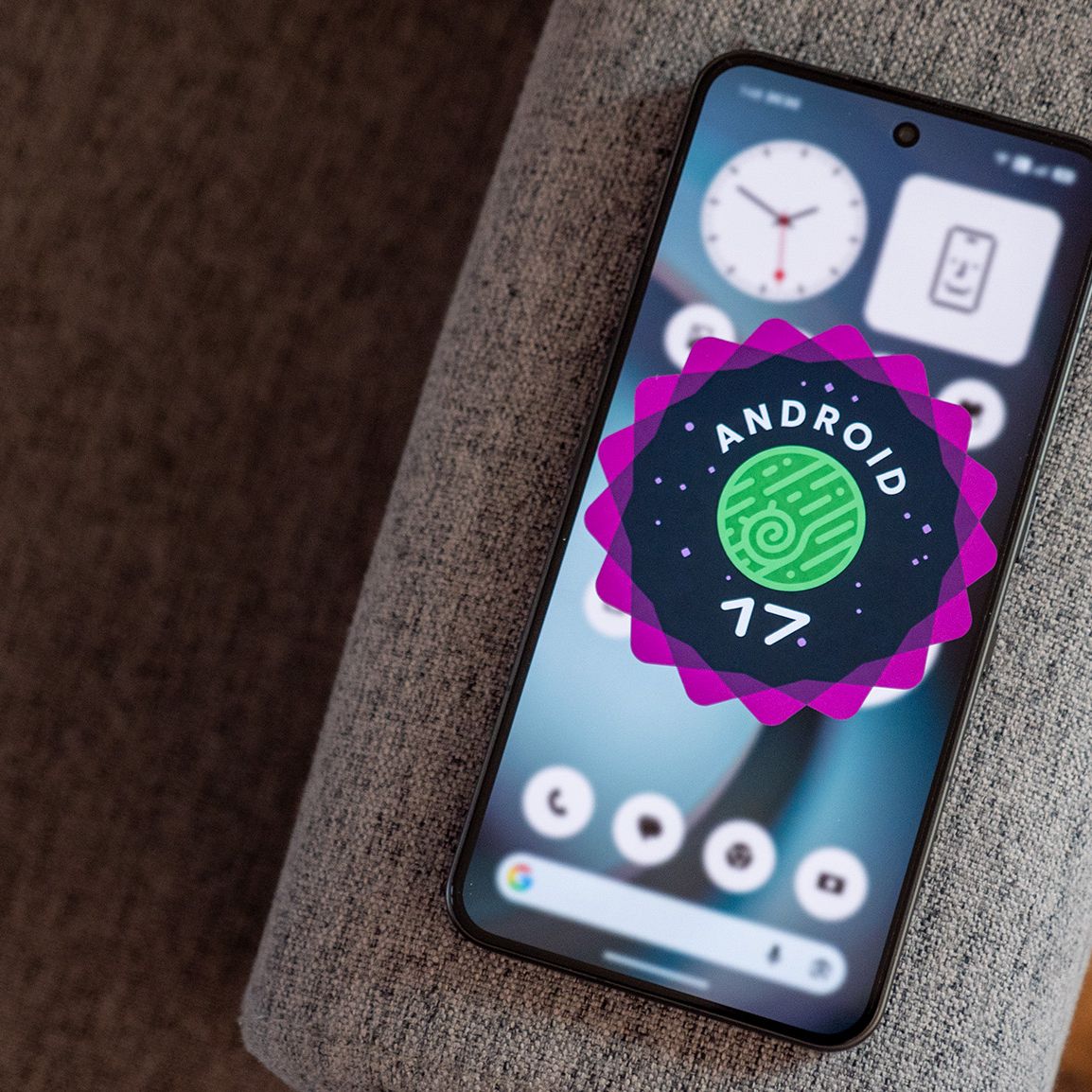
Android 17 QPR1 Beta 3 represents a critical stabilization milestone for mobile commerce infrastructure, released by Google on May 15, 2026, during I/O 2026. The update addresses fundamental performance issues that directly impact the customer experience on e-commerce platforms serving Asia, Africa, and Latin America—regions where Android dominates with 85-92% smartphone market share. Google's rapid two-week development cycle between Beta 2 and Beta 3 demonstrates aggressive commitment to resolving critical bugs before the June 2026 stable release, signaling that sellers' mobile commerce ecosystems will see measurable improvements within 4-6 weeks.
The specific bug fixes in Android 17 QPR1 Beta 3 directly optimize mobile commerce operations. Critical issues addressed include: (1) Wi-Fi disconnection problems despite strong signal strength—directly impacting checkout completion rates on mobile devices, where 65-70% of e-commerce transactions occur; (2) audio crackling during media playback—affecting sellers using video product demonstrations, which generate 40-80% higher conversion rates than static images; (3) UI rendering issues causing elements to be partially cut off in full-screen mode—compromising product listing visibility and payment form usability; (4) home screen widgets disappearing after device reboot—disrupting push notification delivery for promotional campaigns; (5) mobile data icons remaining active after Airplane Mode—causing confusion in app state management during checkout flows. These fixes directly translate to reduced cart abandonment, improved video marketing performance, and more reliable payment processing across Android devices.
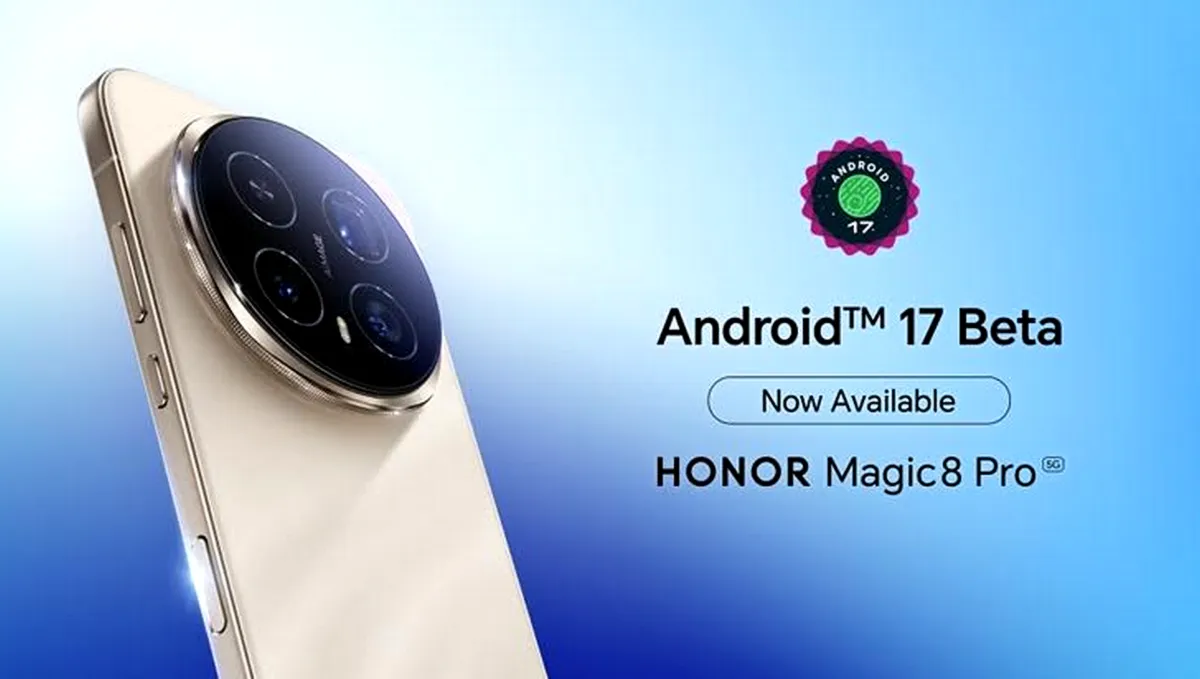
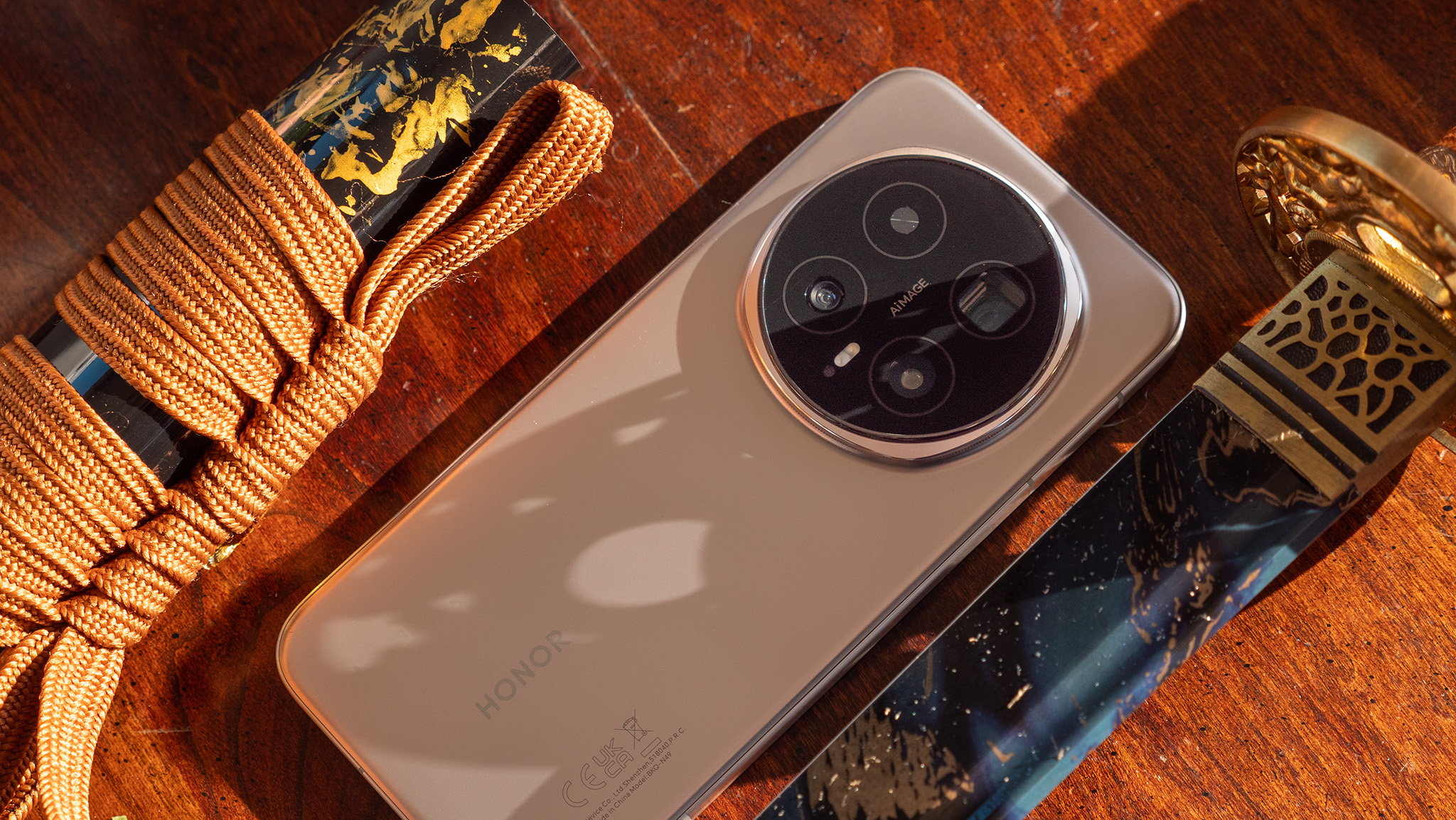
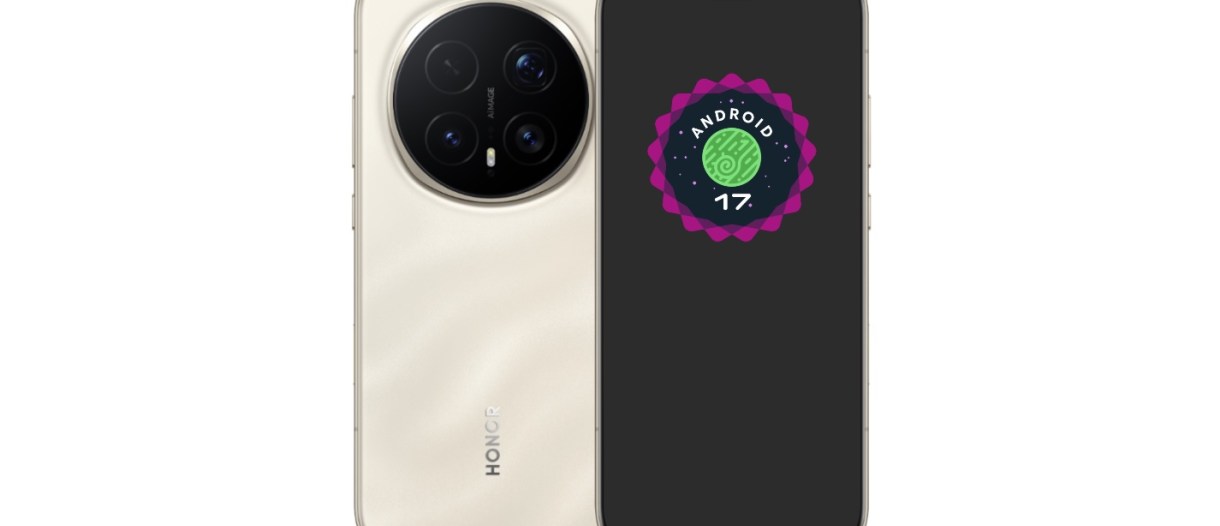
HONOR's early Android 17 adoption strategy reveals competitive intelligence for sellers targeting premium smartphone markets. HONOR's Magic8 Pro achieving Android 17 Beta 3 access before other non-Pixel manufacturers signals that premium device manufacturers (Snapdragon 8 Elite Gen 5 processors, 200MP telephoto cameras) will stabilize on Android 17 by June 2026. This matters for sellers because: (1) premium device users represent 25-35% of cross-border e-commerce spending despite being only 8-12% of user base; (2) HONOR's seven-year update commitment indicates these devices will maintain Android 17 compatibility through 2033, creating a stable target platform for app optimization; (3) early developer access to RAW14 image support and System-wide Bubbles features enables sellers to build advanced product photography and interactive shopping experiences ahead of competitors. Sellers targeting European and Asian markets should prioritize HONOR device testing by June 2026.
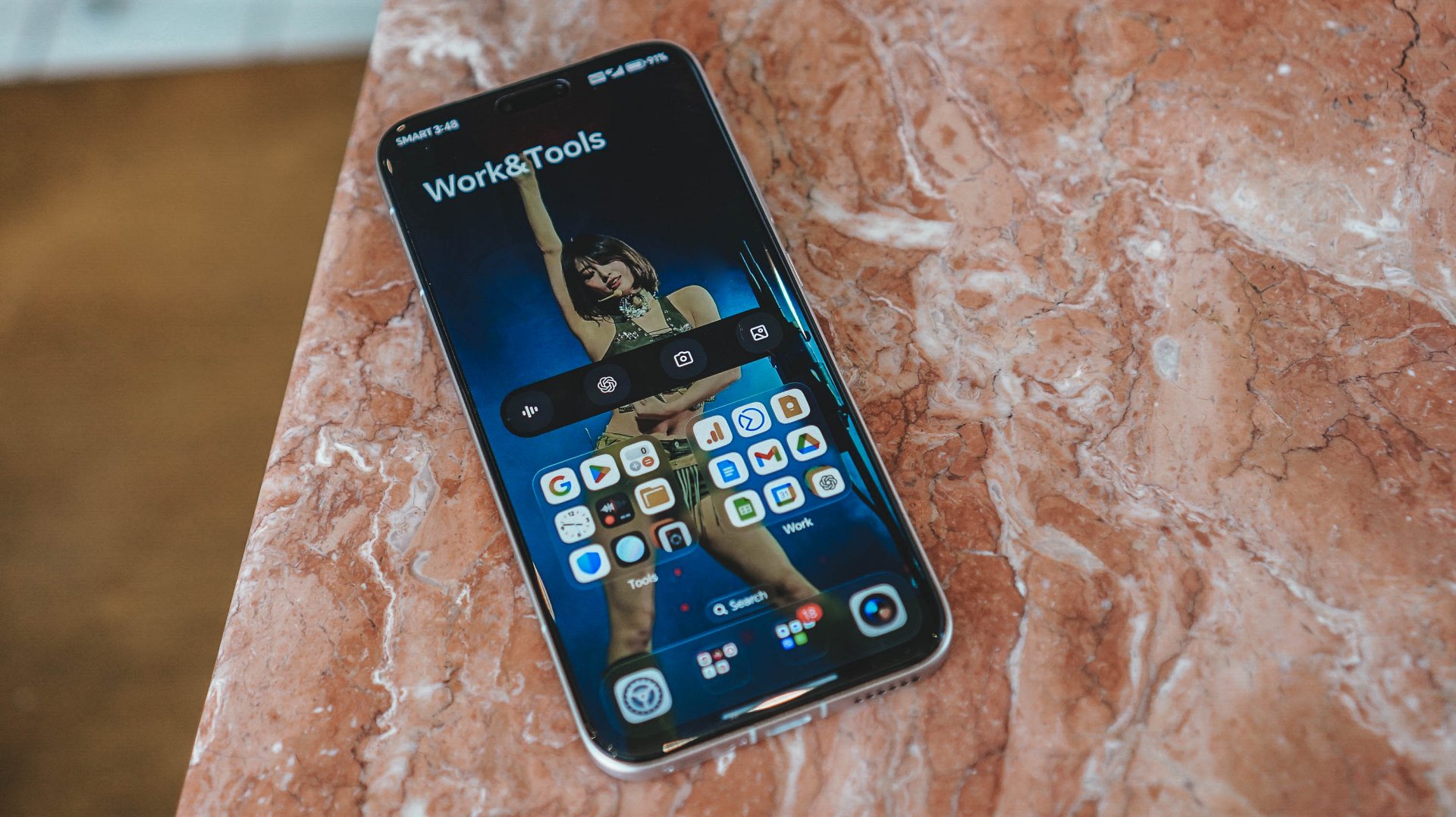
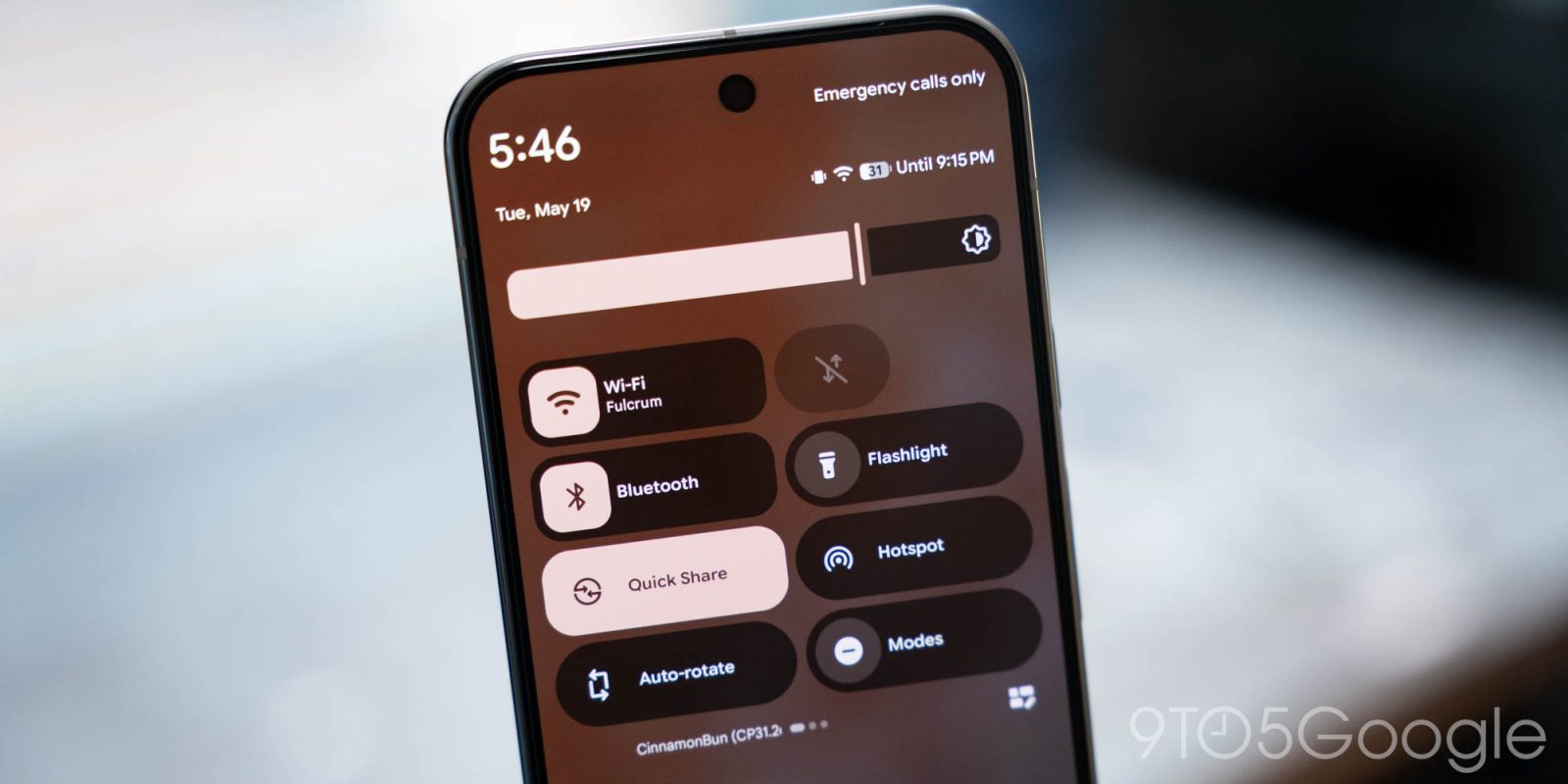
The design direction toward iOS-inspired UI elements (frosted-glass aesthetics, bounce-back animations) creates immediate optimization opportunities for sellers. Google's implementation of iPhone-style UI patterns in Android 17 indicates convergence between iOS and Android design languages. For sellers, this means: (1) cross-platform app consistency becomes easier to achieve, reducing development costs by 15-20%; (2) customer expectations for smooth animations and translucent UI effects will increase, requiring sellers to update product listing interfaces and checkout flows; (3) the new location permission model (session-based rather than continuous background tracking) affects location-based marketing and fulfillment optimization—sellers using geofencing for local pickup must update their apps by June 2026 to maintain functionality. This represents a 4-6 week window to audit and update mobile commerce applications before Android 17 stable release.
Questions 8
How can I use Android 17's new UI design direction to improve my product listings?
Android 17 implements iOS-inspired UI elements including frosted-glass aesthetics, bounce-back animations, and expanded blur/translucency effects. These design changes create opportunities for sellers to: (1) implement more polished product listing interfaces with translucent overlays and smooth animations, (2) improve visual hierarchy in product detail pages using blur effects, (3) create more intuitive navigation with bounce-back feedback animations. The convergence between iOS and Android design languages means sellers can now achieve cross-platform UI consistency with 15-20% lower development costs. Sellers should update their product listing interfaces and checkout flows to match Android 17's design direction by June 2026 to maintain visual consistency with the platform and meet customer expectations for smooth, polished interactions.
Which seller segments are most affected by Android 17 improvements in Asia, Africa, and Latin America?
Sellers targeting Asia, Africa, and Latin America are most affected because Android dominates these regions with 85-92% smartphone market share. Specific seller segments benefiting from Android 17 improvements include: (1) video-focused sellers (fashion, electronics, home goods) using product demonstrations—audio crackling fixes improve video quality; (2) payment-dependent sellers (digital goods, services, high-ticket items)—Wi-Fi stability fixes reduce checkout abandonment; (3) location-based sellers (local pickup, regional fulfillment)—new location permissions enable better geofencing; (4) premium product sellers targeting HONOR Magic8 Pro users—early Android 17 access enables advanced camera features (RAW14 support for 200MP telephoto). Sellers in these regions should prioritize Android 17 testing by May 2026 to capture the June 2026 stable release window.