
Boston Logan Remote TSA Program | Air Cargo Efficiency Gains for Cross-Border Sellers
- Decentralized airport security model launching June 1, 2026 signals infrastructure modernization benefiting air freight logistics and cargo processing for e-commerce sellers









.png?crop=800,600,x50,y0&width=1200&height=900)
Overview
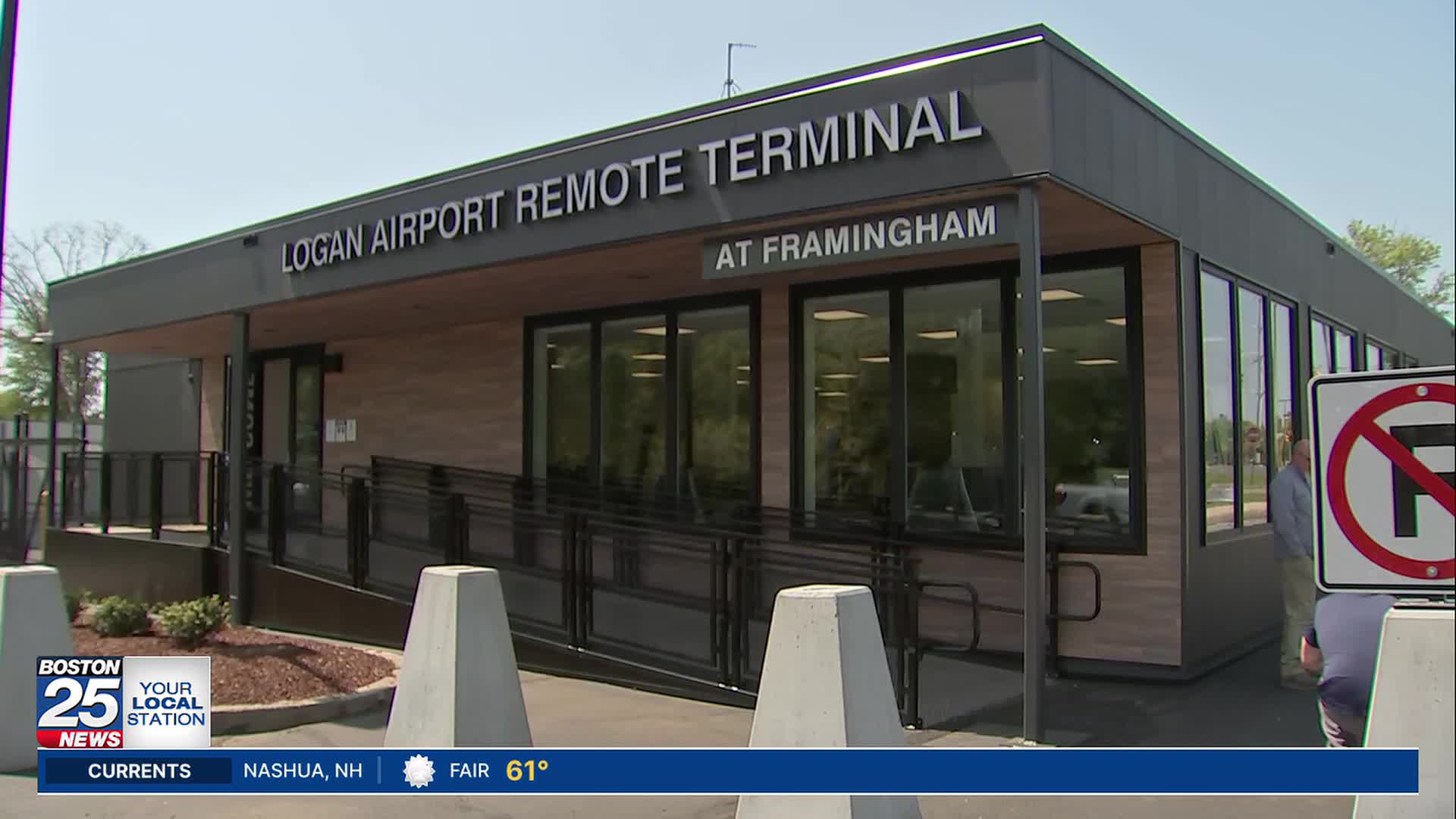
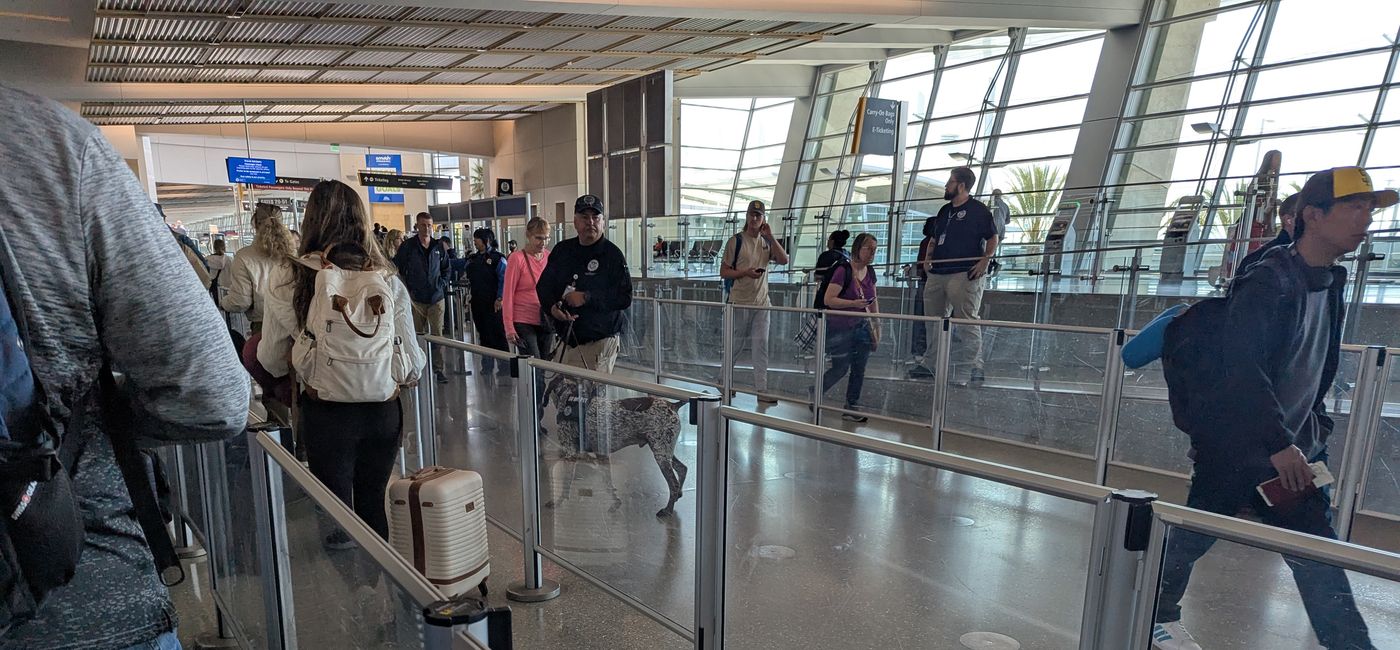
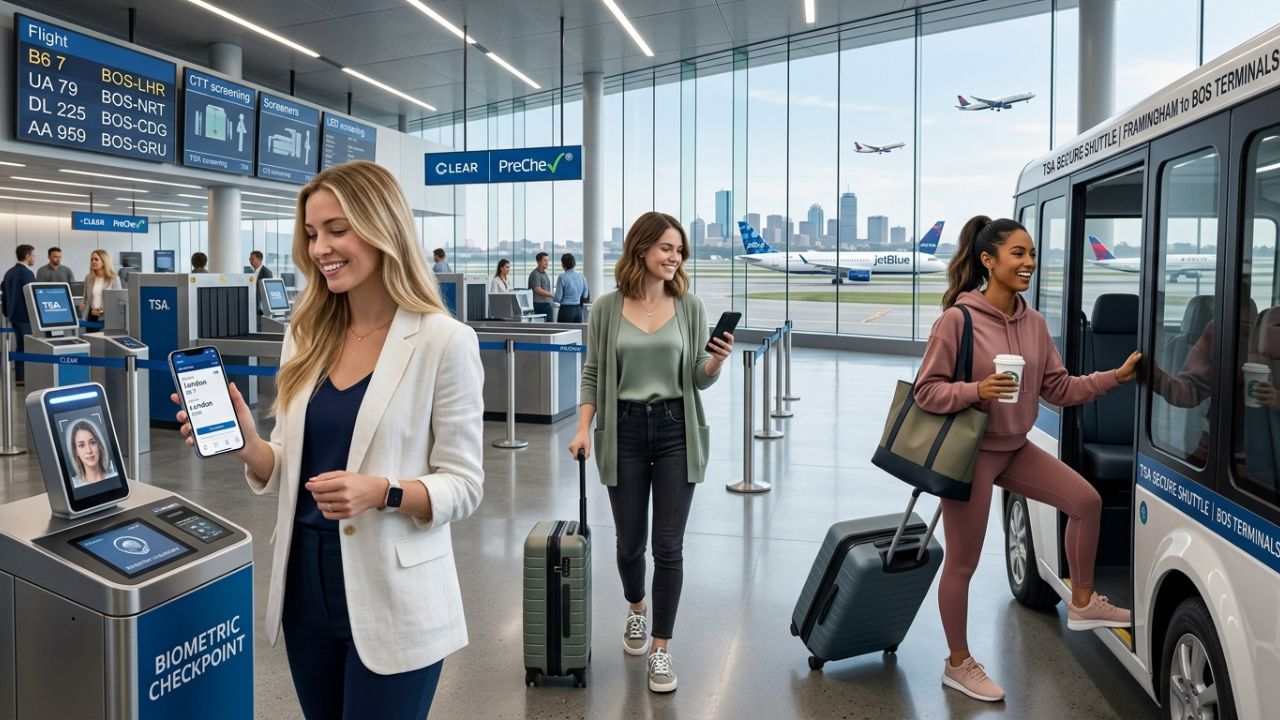
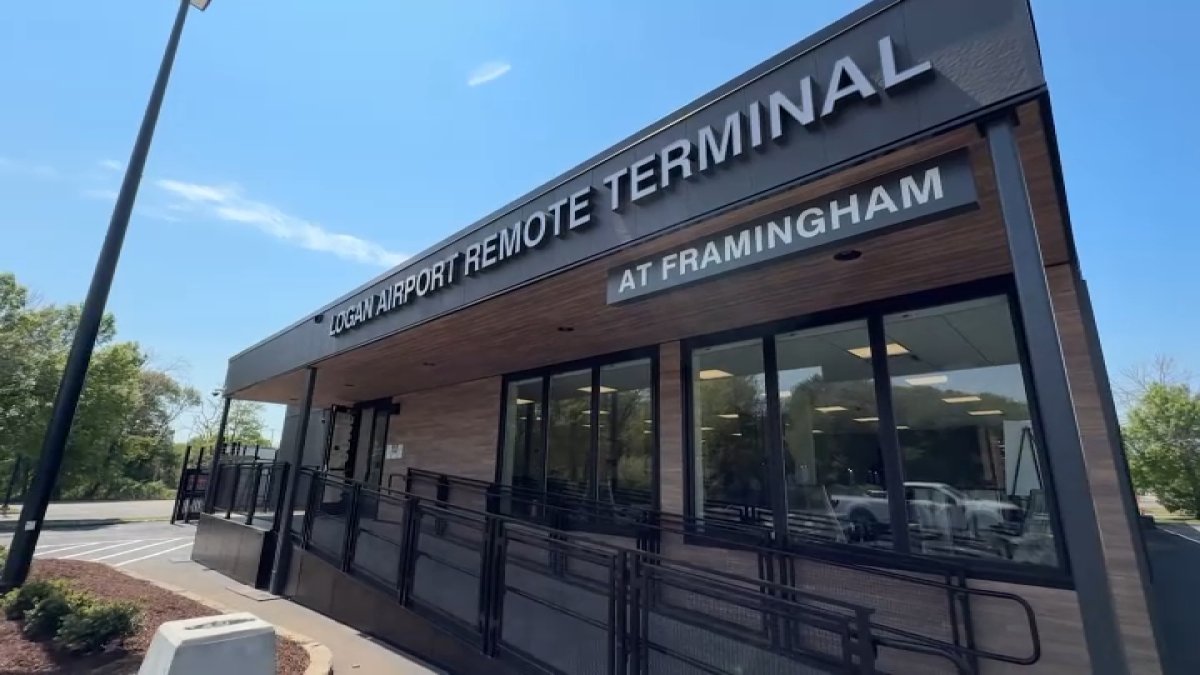
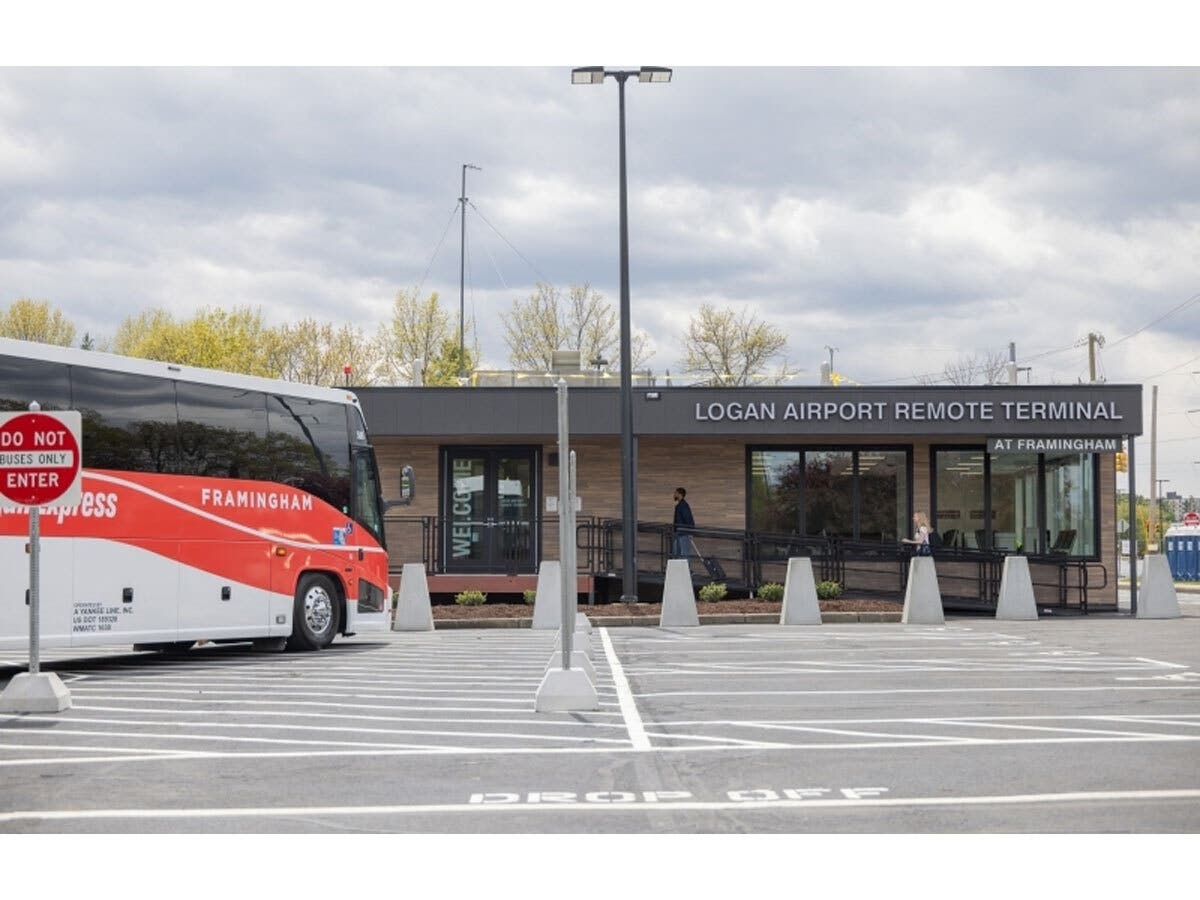
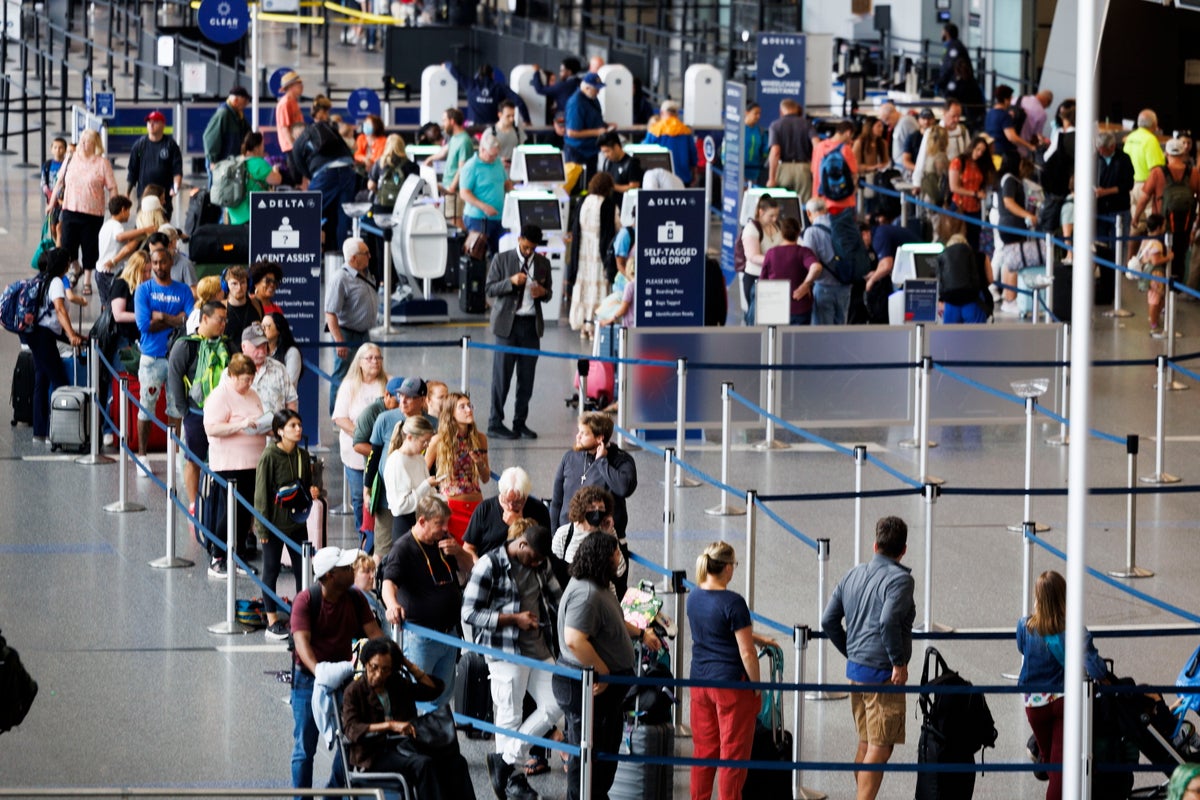
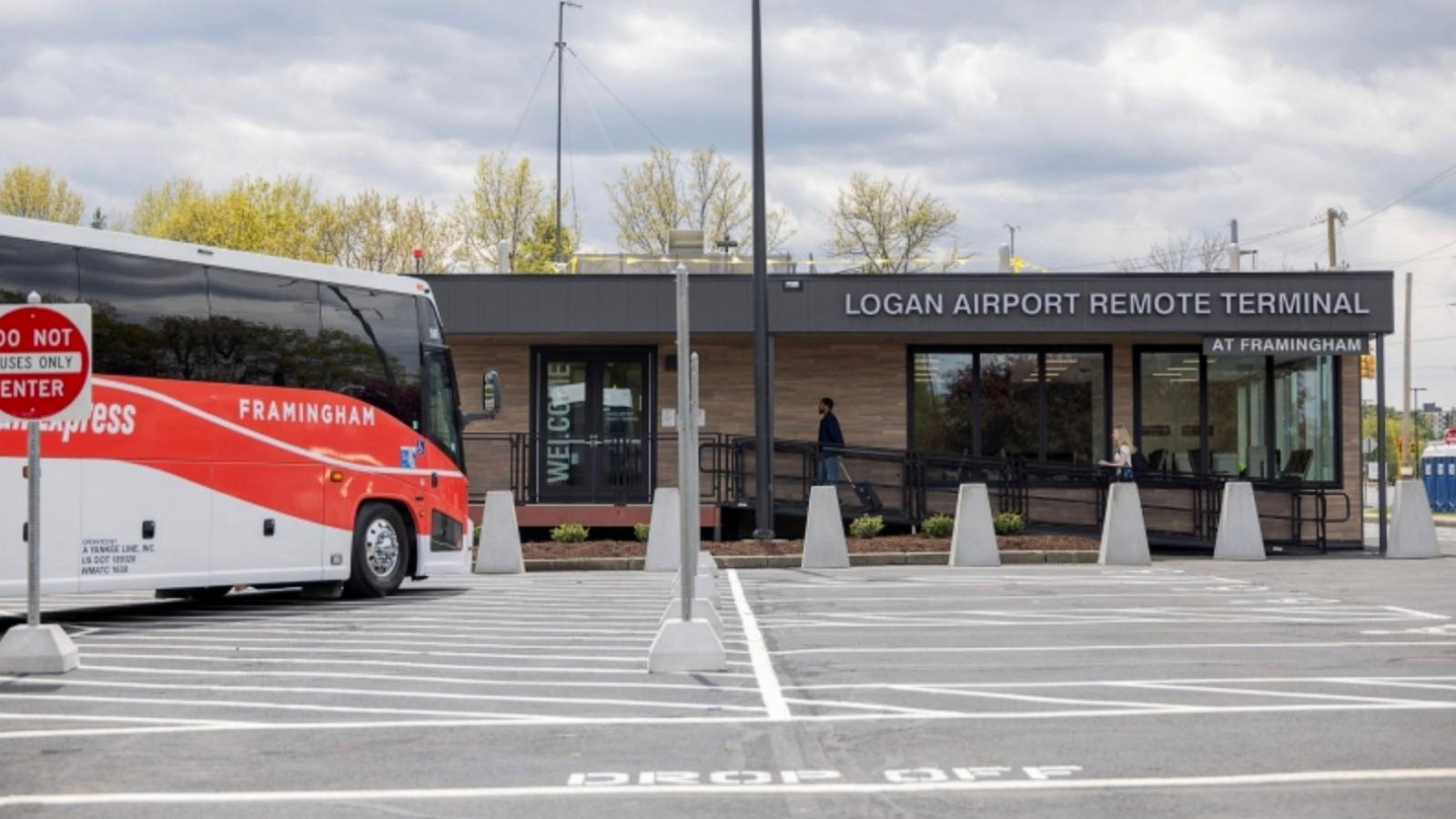
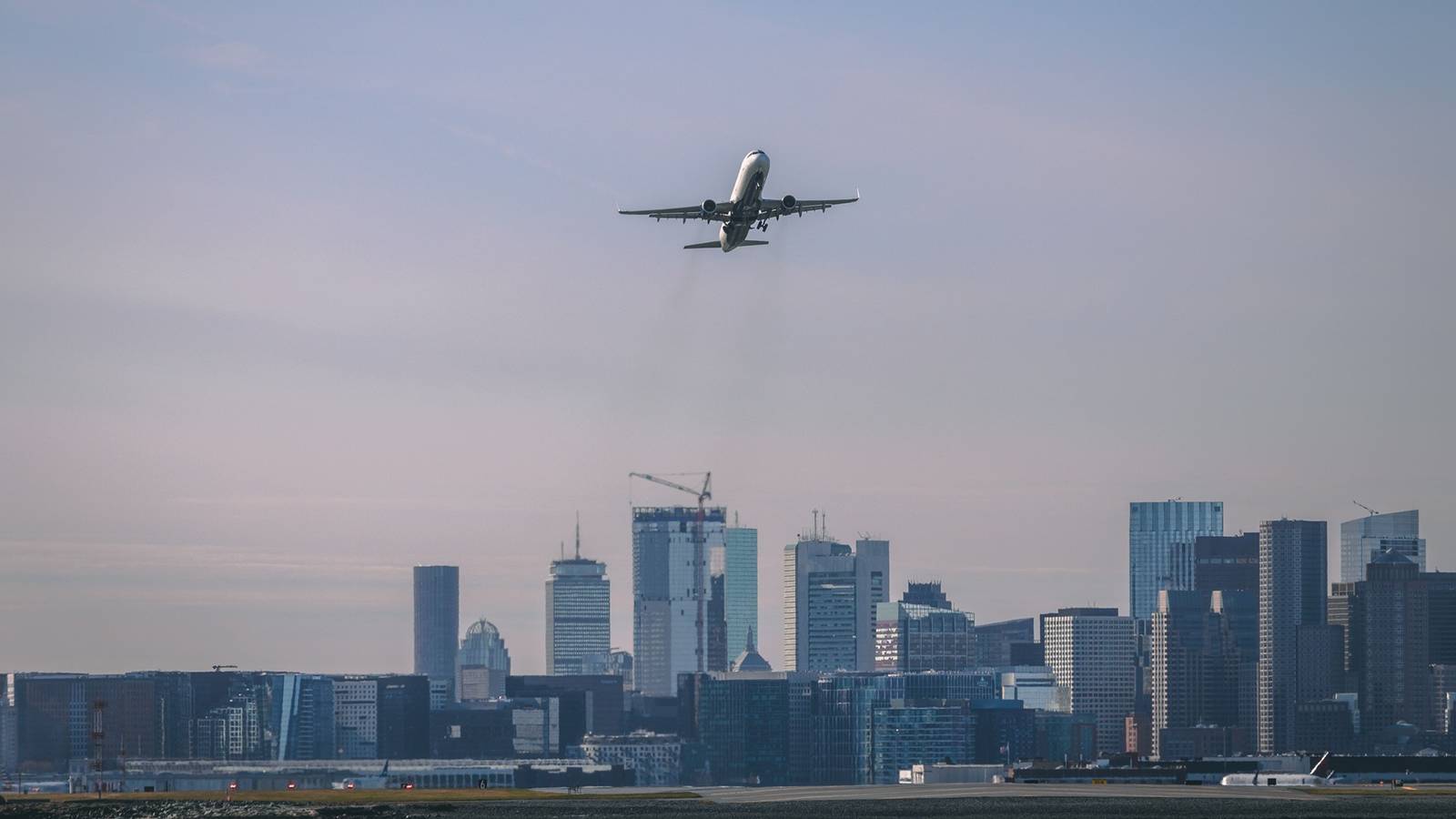
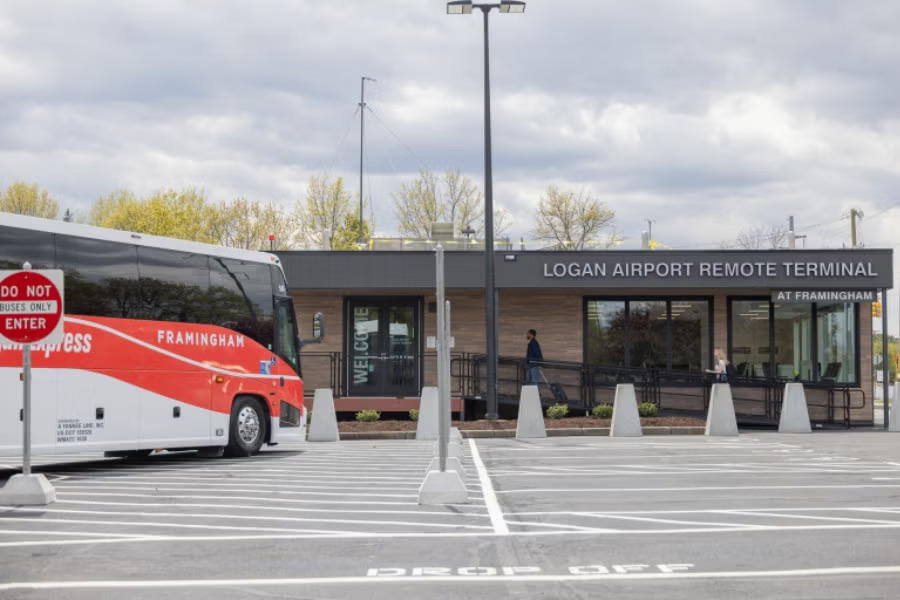
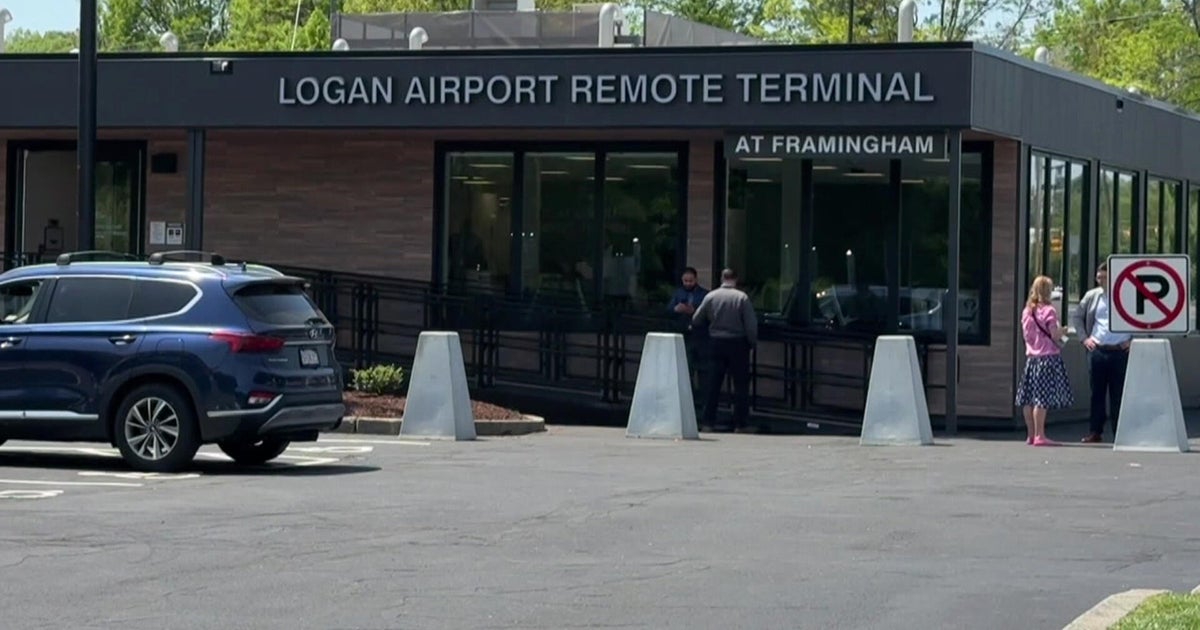
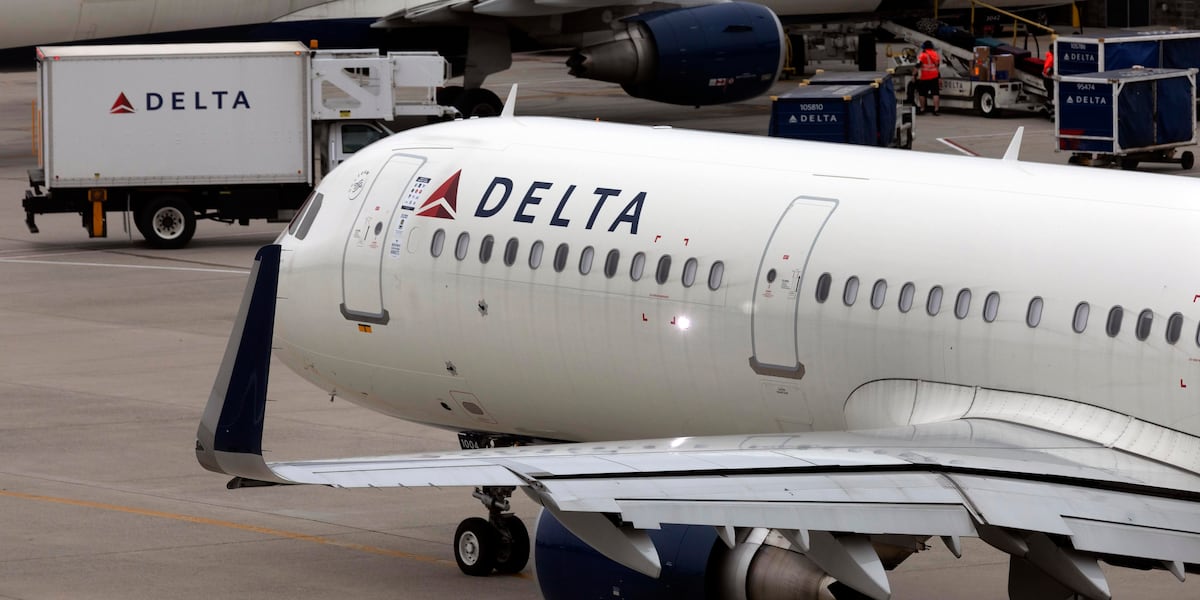
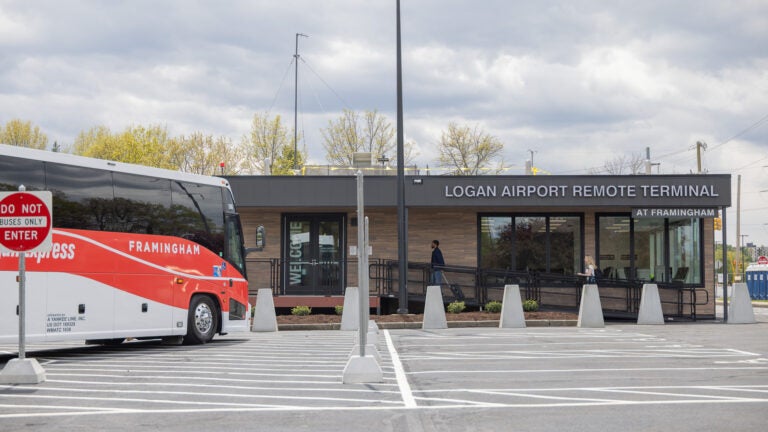
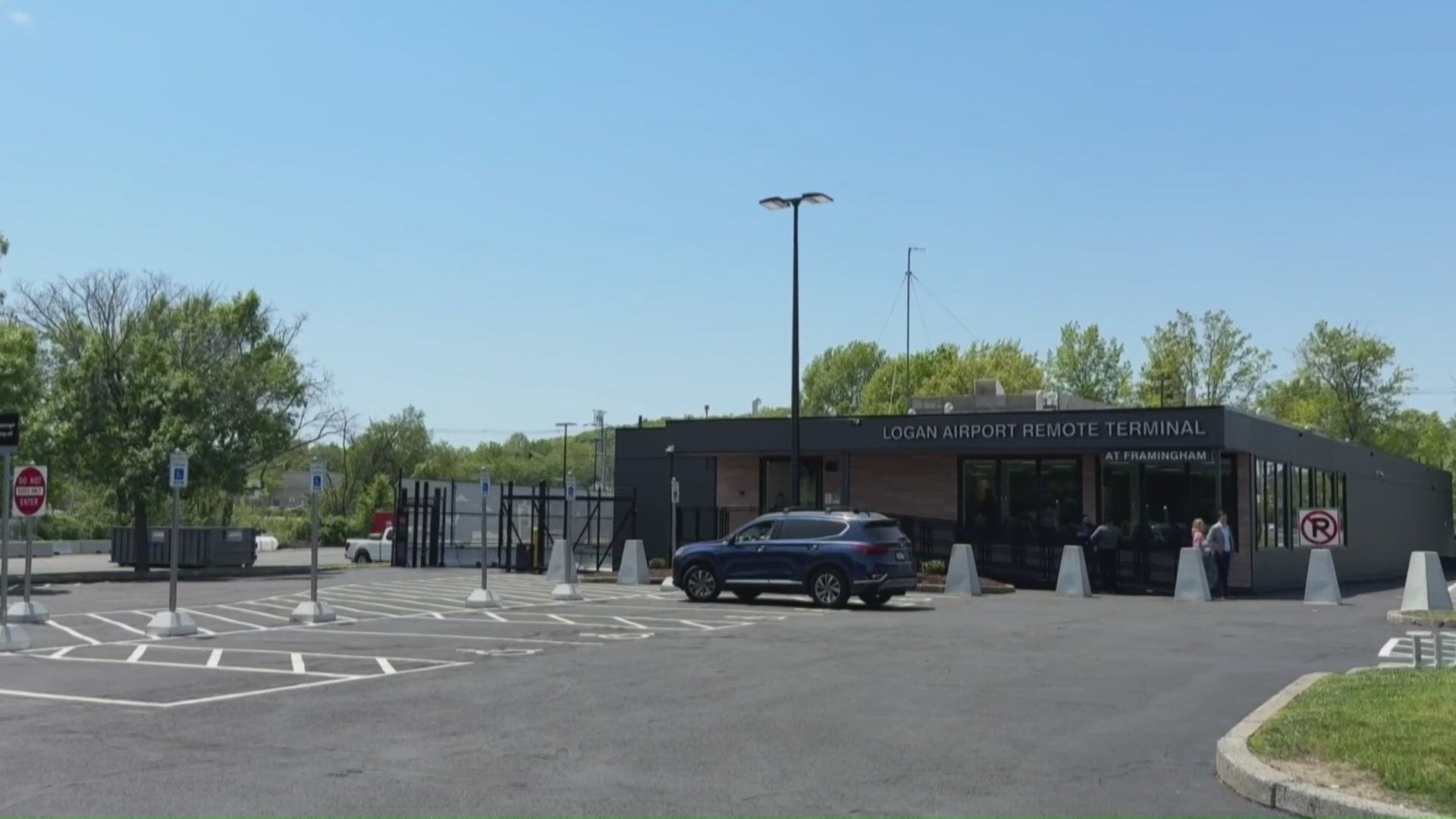
Boston Logan International Airport's groundbreaking remote TSA checkpoint program, launching June 1, 2026, represents a structural shift in airport operations that carries significant implications for cross-border e-commerce sellers utilizing air freight. The pilot initiative, operated by Massachusetts Port Authority (Massport) in partnership with Delta Air Lines and JetBlue, allows passengers to complete security screening and baggage check-in at a remote Framingham facility before boarding dedicated secure buses to the airport. This decentralized security model addresses persistent TSA staffing challenges and airport congestion that have plagued major U.S. transportation hubs—issues that directly impact cargo processing efficiency.
The operational innovation demonstrates how airports are adopting technology-driven solutions to distribute passenger and baggage processing across multiple locations, a model with direct applications to air cargo operations. The program processes 2.7 million passengers annually through Logan Express (with Framingham as the busiest hub), establishing proven infrastructure for off-site screening and secure transportation. For cross-border e-commerce sellers shipping via Boston Logan—a major gateway for transatlantic commerce—improved passenger flow efficiency translates to reduced airport congestion, faster baggage handling systems, and potentially expedited cargo processing windows. The $9 per-passenger fee structure and reservation-based scheduling (90 days to 90 minutes before departure) demonstrate Massport's commitment to predictable, scalable operations that benefit both passenger and freight logistics.
The pilot's success at Boston Logan will likely catalyze similar remote security initiatives at other major U.S. airports, creating standardized protocols for expedited cargo processing. Industry observers note this development occurs amid broader airport modernization discussions, with the Massachusetts Port Authority's investment signaling recognition that traditional single-location checkpoint models cannot adequately serve contemporary transportation volumes. For sellers in high-volume categories (electronics, apparel, perishables), faster airport processing translates to reduced dwell time, lower demurrage charges, and more predictable delivery windows to international markets. The program's expansion timeline (currently Delta/JetBlue, with plans for additional airlines) suggests Massport will eventually integrate cargo operations into this decentralized model, potentially reducing air freight costs by 5-8% through improved terminal efficiency and reduced congestion-related delays.
Questions 8
How will the remote TSA program expand beyond the initial pilot phase?
Massport plans to expand the program to additional airlines beyond Delta and JetBlue, with the Framingham facility featuring dedicated check-in desks and TSA screening areas designed for scalable remote processing. The program's success at Boston Logan will likely catalyze similar initiatives at other major U.S. airports, creating standardized protocols for decentralized security operations. For cross-border sellers, this expansion signals industry-wide adoption of distributed airport operations, potentially leading to integrated cargo processing models that reduce shipping times and costs across multiple U.S. gateways.
What product categories benefit most from improved Boston Logan cargo efficiency?
High-volume, time-sensitive categories benefit most from faster air freight processing: electronics (reduced damage risk during congestion), perishables (faster transit preserves quality), apparel (seasonal demand windows), and luxury goods (reduced dwell time lowers insurance costs). The remote TSA program reduces airport congestion, which directly impacts cargo handling speed and demurrage charges. Sellers shipping 500+ units monthly via Boston Logan may see cumulative savings of $1,500-3,000 annually through reduced processing delays and congestion-related fees as the program matures and integrates cargo operations.