





Rising Treasury Yields & Inflation Surge May 2025 | Cross-Border Seller Financing Impact
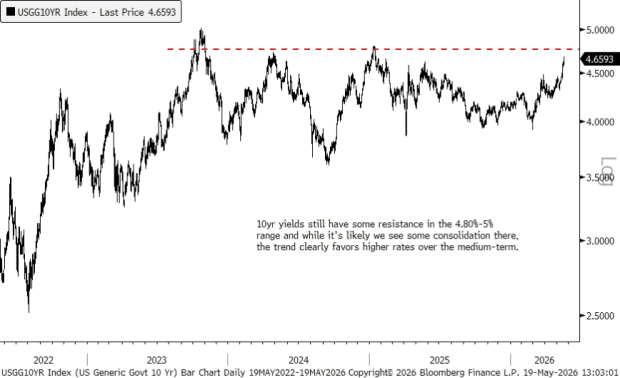
- 10-year Treasury yields hit 4.687% (highest since January 2025), triggering 41.7% probability of Fed rate hikes by December; oil prices above $110/barrel compress seller working capital and increase borrowing costs 150-250 basis points













Overview
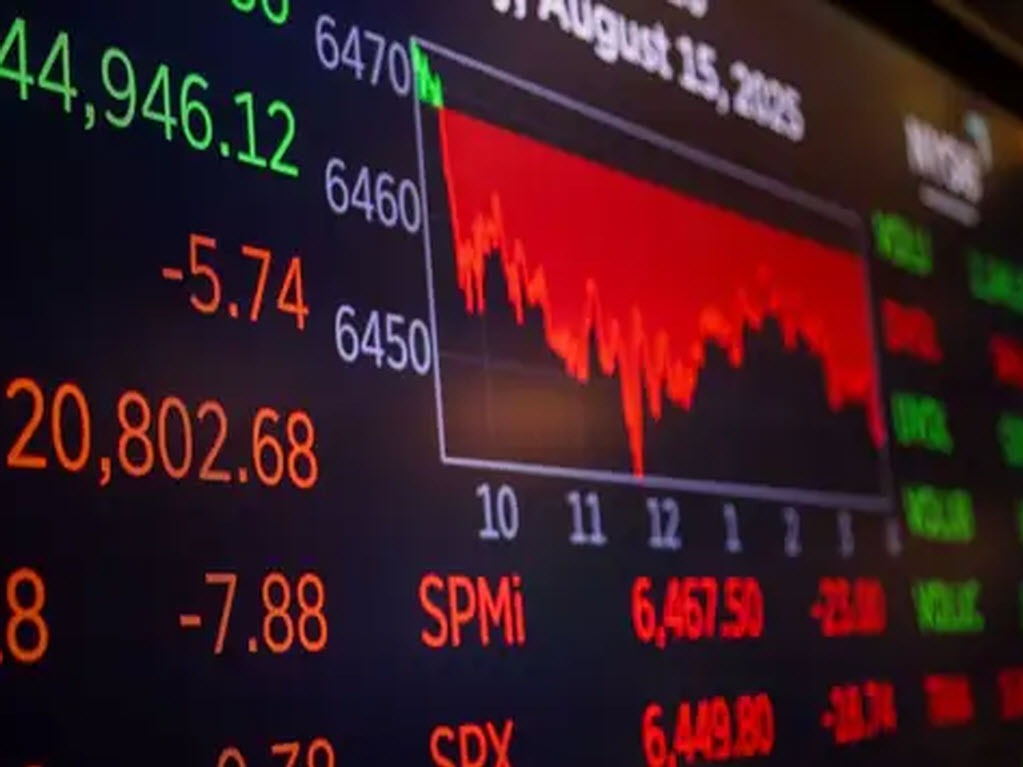
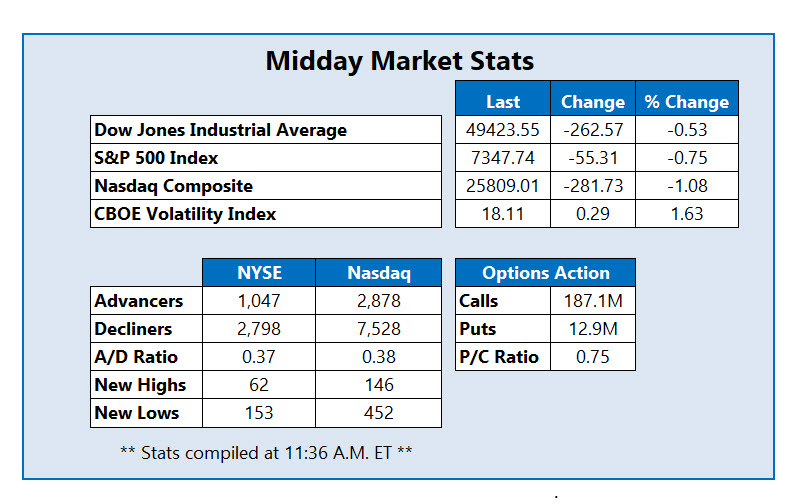
The macroeconomic environment for cross-border e-commerce sellers deteriorated sharply on May 19, 2025, as Wall Street's major indexes declined amid surging inflation concerns and rising Treasury yields. The 10-year Treasury yield surged to 4.687%—its highest level since January 2025—driven by persistent geopolitical tensions (U.S.-Iran standoff without peace agreement), elevated oil prices above $110/barrel, and mounting inflation expectations. The S&P 500 fell 0.67%, Nasdaq declined 0.84%, and technology sector dropped 1.2%, while the CME FedWatch tool now shows 41.7% probability of a 25-basis-point Fed rate hike in December, up from previous expectations. This represents a critical inflection point for seller financing costs and working capital management.
For cross-border sellers, rising Treasury yields directly translate to higher borrowing costs across all financing products. Invoice financing, purchase order financing, and inventory loans—critical tools for sellers managing cash conversion cycles—typically price at Treasury yield + 200-350 basis points. With the 10-year yield at 4.687%, sellers can expect working capital financing costs to reach 6.9-8.0% APR (up from 5.2-6.5% in March 2025), representing a 140-150 basis point increase in just 8 weeks. For a mid-sized seller with $500K in monthly inventory financing needs, this translates to $7,000-7,500 additional monthly financing costs. The technology sector's 1.2% decline and semiconductor index volatility signal reduced consumer spending on electronics—a category representing 35-40% of cross-border e-commerce volume. Sellers in consumer electronics, smart home devices, and tech accessories face dual headwinds: compressed consumer demand and elevated working capital costs.
The geopolitical oil price premium ($110+/barrel) directly impacts logistics costs and supply chain financing. Elevated fuel surcharges increase shipping costs 8-12% for sellers relying on air freight from Asia to North America/Europe. Additionally, higher interest rates reduce consumer credit availability, particularly affecting discretionary categories (fashion, home décor, electronics) where 35-45% of purchases involve financing. The market's 2.66-to-1 decline/advance ratio and 225 new lows signal broad-based weakness, indicating this isn't sector-specific but reflects systemic tightening. Sellers should expect reduced consumer spending velocity through Q2-Q3 2025, with particular pressure on non-essential categories. The Nvidia earnings uncertainty (mentioned in News 2) adds volatility to advertising costs on tech platforms—Amazon Advertising and Google Shopping CPCs typically rise 5-8% during market uncertainty as advertisers compete for reduced consumer attention.
Immediate financial optimization is critical. Sellers should lock in fixed-rate financing NOW before rates climb further—convertible bond offerings (like Akamai's $2.6B announcement) signal institutional capital is becoming scarce. Consider shifting from variable-rate inventory loans to fixed-rate purchase order financing, which typically offers 6-month rate locks. Evaluate 3PL partnerships to reduce working capital tied up in inventory—outsourced fulfillment can free 15-25% of inventory capital. For sellers with USD revenue but non-USD costs, the rising dollar (typically strengthens during Fed tightening) creates FX headwinds; consider forward contracts to lock in rates for 90-180 days of projected COGS. Monitor consumer spending indicators weekly; if Q2 retail sales disappoint, expect further yield compression and potential Fed pause, creating refinancing opportunities in July-August 2025.
Questions 8
When should sellers expect financing rates to stabilize or decline?
Financing rates will stabilize when either (1) inflation concerns ease and Fed signals pause in rate hikes, or (2) consumer spending data disappoints and Fed reverses course. Current CME FedWatch shows 41.7% December hike probability, but this could shift if Q2 retail sales disappoint (expected June 12, 2025 report). Monitor weekly jobless claims and monthly retail sales reports; if growth slows below 2% annualized, expect yield compression and refinancing opportunities in July-August 2025. Lock in 6-month fixed rates now to protect against further increases while maintaining flexibility for refinancing if rates decline.
How can sellers use currency hedging to protect against rising U.S. Treasury yields?
Rising Treasury yields typically strengthen the U.S. dollar, creating headwinds for sellers with non-USD costs (manufacturing in China, India, Vietnam). Lock in forward contracts for 90-180 days of projected COGS at current rates before the dollar appreciates further. For example, if you have $100K monthly COGS in CNY, a 3% dollar appreciation costs $3,000 in margin compression. Forward contracts cost 0.5-1.5% but protect against this risk. Coordinate hedging with inventory financing decisions to optimize total cost of capital.