


Samsung Strike Threatens 3-4% DRAM Supply Cut | Chip Sellers Face Price Surge
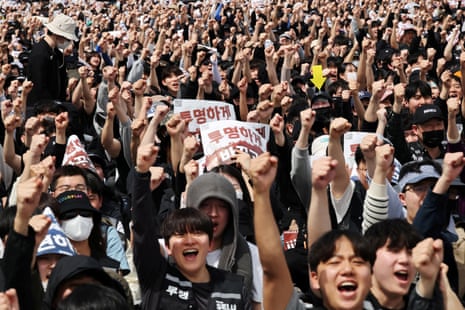
- 48,000 workers (38% of workforce) strike May 23-June 9, 2026; KB Securities estimates 3-4% global DRAM shortage; memory chip costs could spike 8-15% for electronics sellers sourcing components










Overview
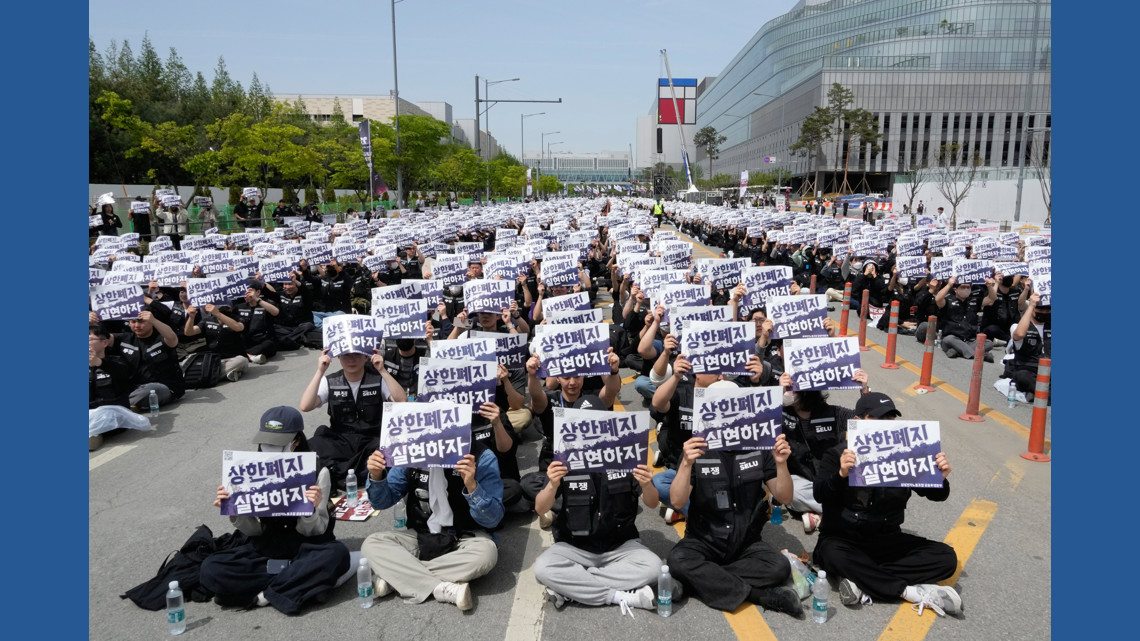
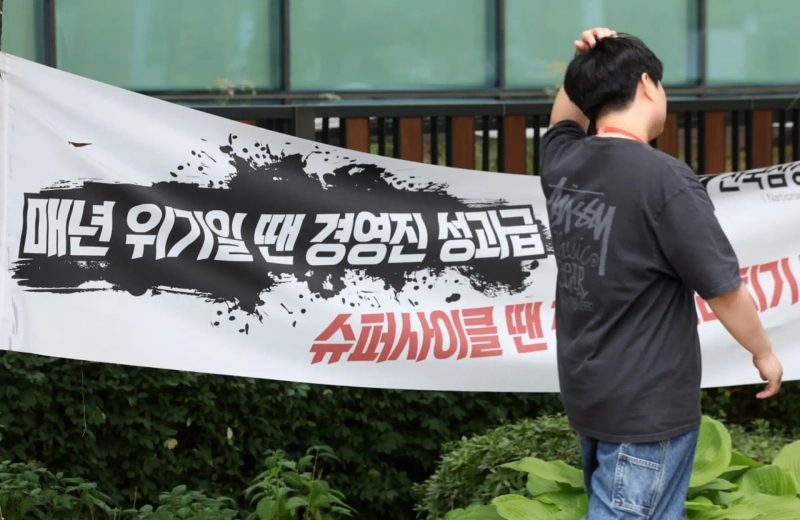
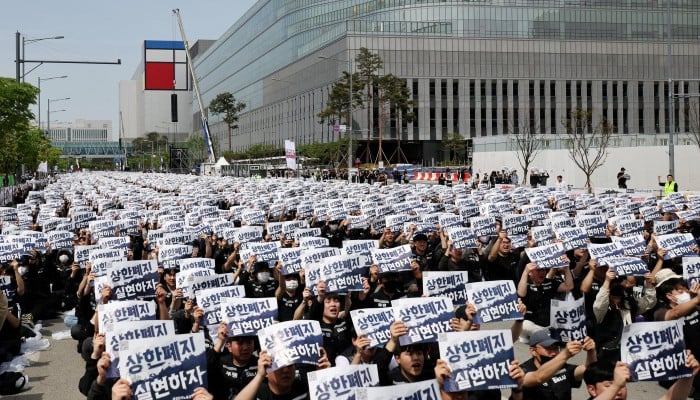
Samsung Electronics' 48,000-worker strike beginning May 23, 2026, represents a critical supply chain disruption for e-commerce sellers sourcing memory chips and electronics components. The strike, involving 38% of Samsung's domestic workforce, stems from failed negotiations over bonus structures—the union demands 15% of operating profit allocation versus Samsung's refusal to eliminate a 50% salary cap. This labor action directly impacts sellers across multiple categories: electronics retailers sourcing laptops, smartphones, and AI-powered devices; computer hardware sellers dependent on DRAM and NAND memory; and consumer electronics merchants relying on Samsung's memory chip supply.
Supply chain impact quantifies directly to seller costs. KB Securities analyst Jeff Kim estimates an 18-day strike reduces global DRAM supply by 3-4% and NAND memory by 2-3%, with potential price increases of 8-15% depending on duration. Samsung commands 36% of global DRAM market share and operates as the world's largest memory chip manufacturer, making this disruption exceptional. For sellers purchasing components in bulk, a 3-4% supply reduction during peak AI datacenter demand creates immediate sourcing challenges. Electronics retailers face inventory constraints on high-margin products (gaming laptops, workstations, AI-enabled devices) where memory represents 15-25% of component costs. The strike threatens South Korea's 2.0% forecasted 2026 GDP growth by 0.5 percentage points, signaling broader economic headwinds affecting consumer spending in key markets.
Competitive dynamics amplify seller opportunities and risks. SK Hynix, Samsung's primary competitor, abolished bonus caps a decade ago, resulting in worker bonuses exceeding 60% of annual salaries—three times Samsung's offerings. This wage disparity triggered employee exodus to SK Hynix and surged union membership, creating potential supply advantages for SK Hynix products. Sellers should monitor SK Hynix memory chip availability and pricing as customers may shift sourcing during Samsung disruptions. The South Korean government warned of emergency arbitration (suspending strikes for 30 days), but dialogue remains uncertain as both parties maintain entrenched positions. An 18-day strike's impact may remain "limited" per industry analysts, but longer disruptions could significantly affect memory chip pricing and reinforce cost pressures across the semiconductor industry—directly compressing margins for sellers dependent on stable component costs.
Operational implications span inventory, sourcing, and pricing strategies. Sellers should immediately audit memory chip inventory levels and supplier contracts, identifying alternative sources (SK Hynix, Micron, Intel) to mitigate single-supplier risk. For electronics retailers, consider pre-strike inventory builds of high-margin products (laptops, gaming systems, AI devices) if cash flow permits, as post-strike price increases could compress margins 5-8%. Monitor Samsung's official supply chain communications and customer notifications for production delays. Sellers in computer hardware categories should prepare pricing adjustments for Q2-Q3 2026, as memory chip costs may remain elevated even after strike resolution due to backlog clearing and demand surge.
Questions 7
How does this strike compare to Samsung's previous labor actions?
This strike dwarfs Samsung's 2024 labor action, which involved only 6,000 workers. The 2026 strike involves 48,000 workers (38% of domestic workforce), representing an 8x increase in scale and impact. The 2024 action had limited supply chain consequences, while the 2026 strike threatens 3-4% global DRAM supply reduction and 2-3% NAND memory reduction. This scale indicates escalating labor tensions in the semiconductor industry as AI demand creates unprecedented profit opportunities, yet wage structures haven't adjusted proportionally. Sellers should expect more frequent and larger labor actions across semiconductor manufacturers as workers demand profit-sharing aligned with industry boom conditions.
Could SK Hynix gain market share from Samsung's strike?
Yes, SK Hynix is positioned to capture market share during Samsung's disruption. SK Hynix abolished bonus caps a decade ago, resulting in worker bonuses exceeding 60% of annual salaries—three times Samsung's offerings. This wage advantage has already triggered employee exodus to SK Hynix and reduced union militancy at SK Hynix facilities. During Samsung's strike, customers may shift sourcing to SK Hynix products, potentially creating supply constraints at SK Hynix as well. Sellers should monitor SK Hynix memory chip availability and pricing as an alternative sourcing strategy, but expect potential price premiums as demand shifts.