



China-Russia $228B Trade Alliance | Supply Chain Costs Rise for Cross-Border Sellers
- Energy partnership deepens with 35% oil export growth; manufacturing costs and logistics reliability shift for sellers sourcing from China or selling to Russia










Overview
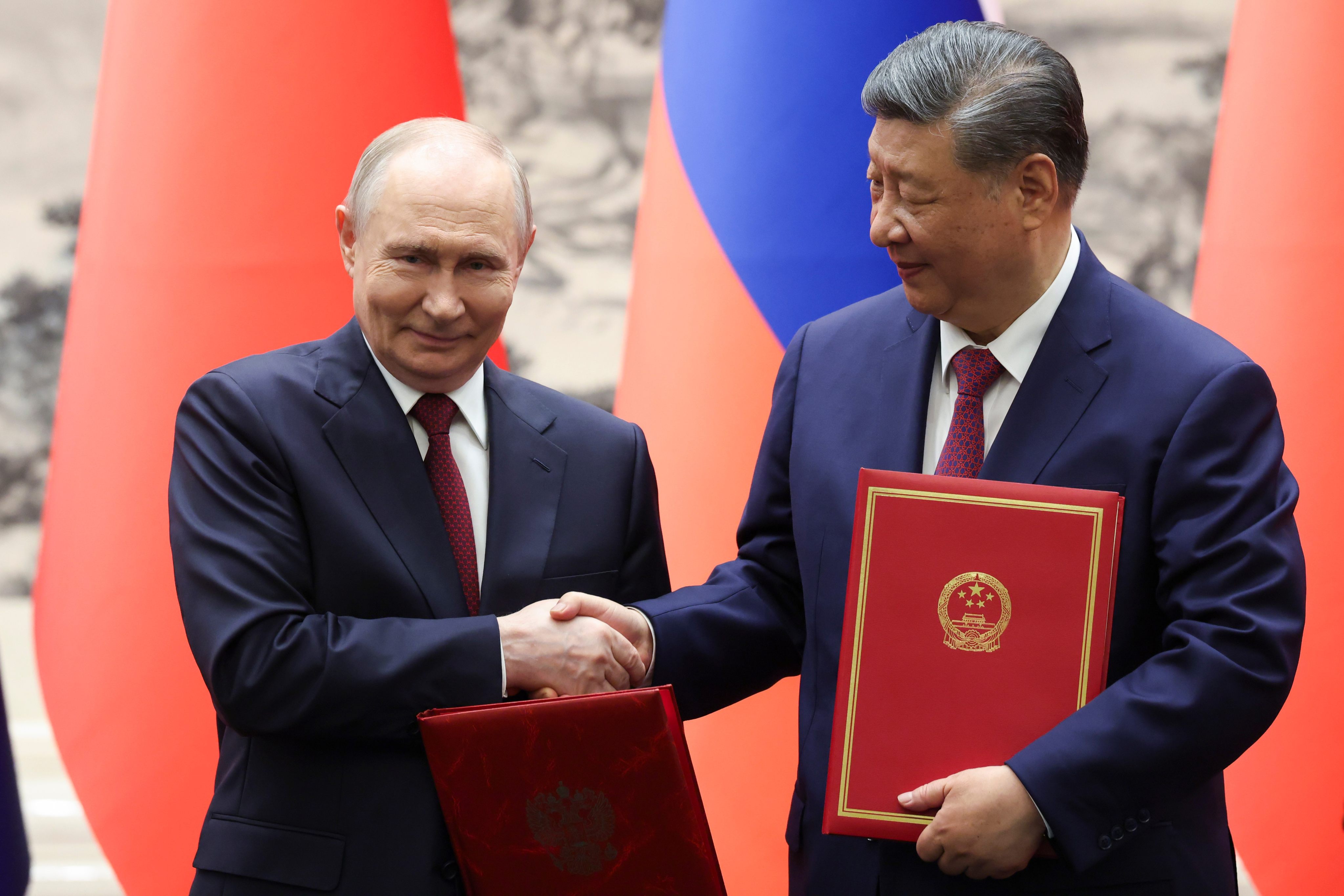
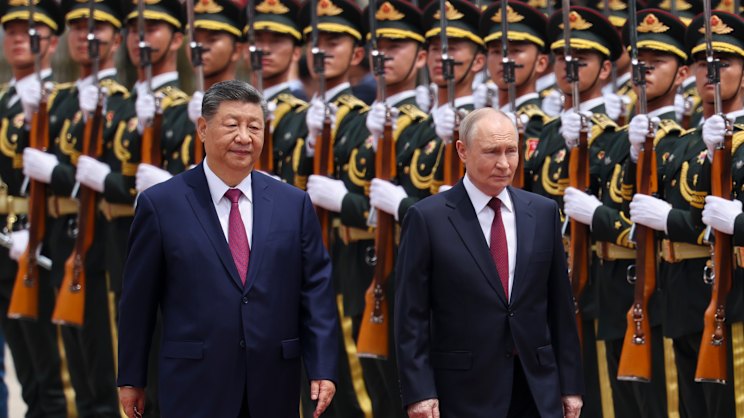
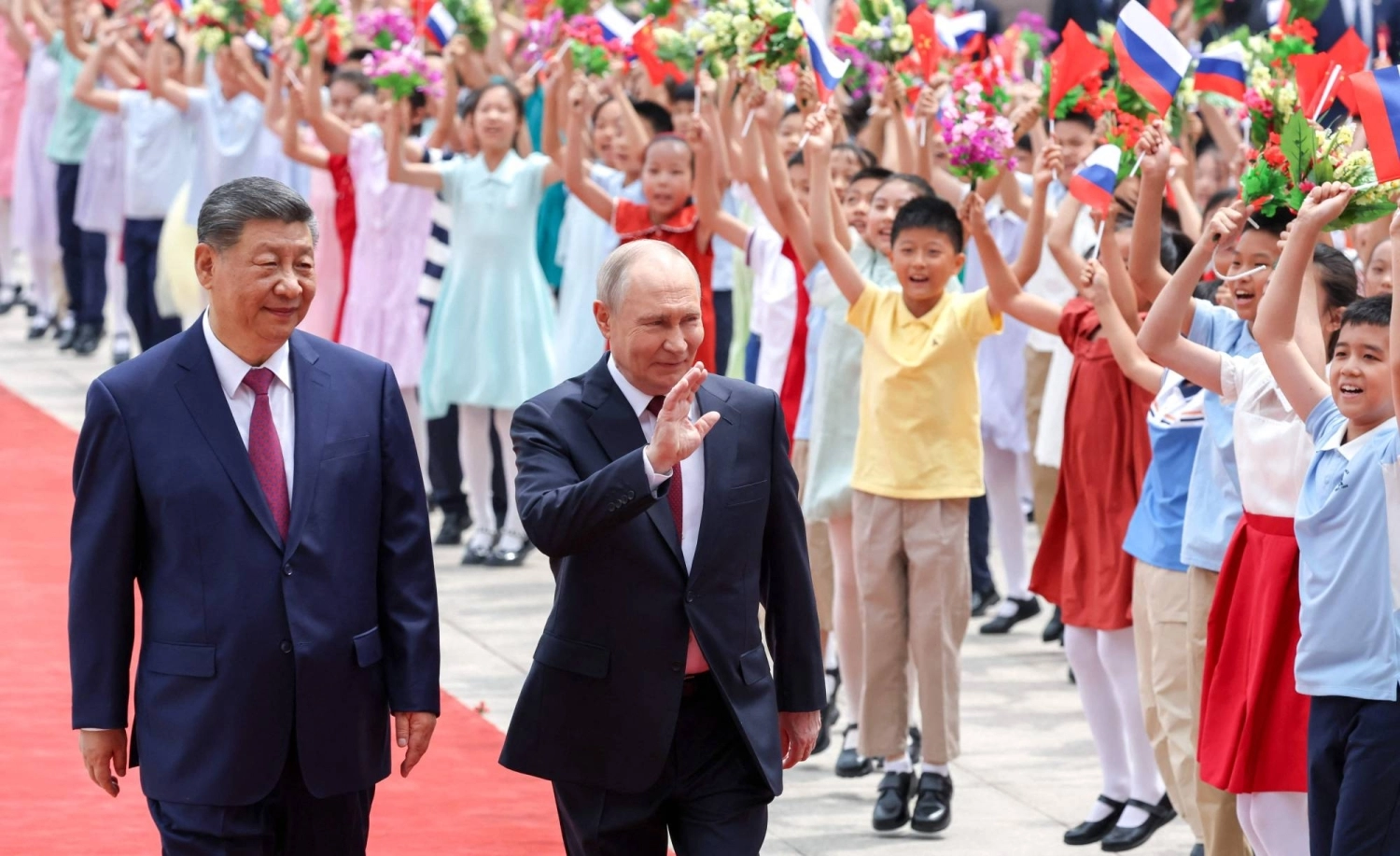
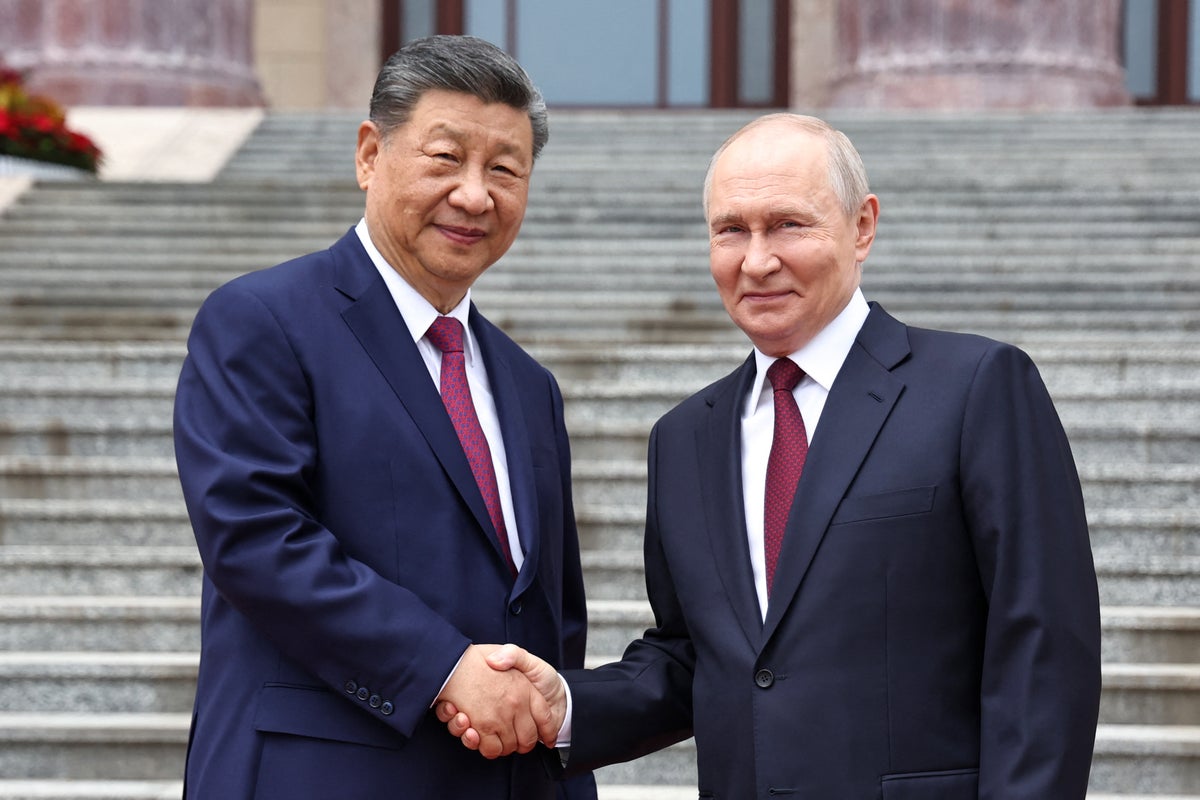
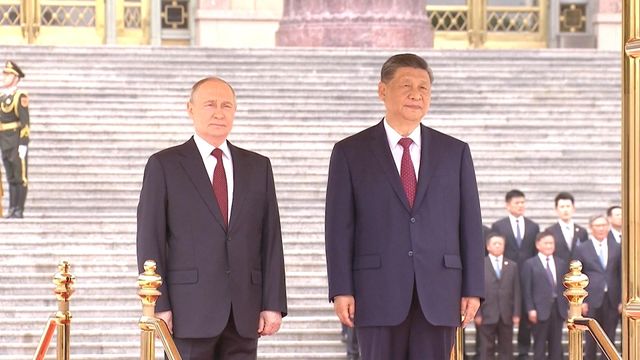
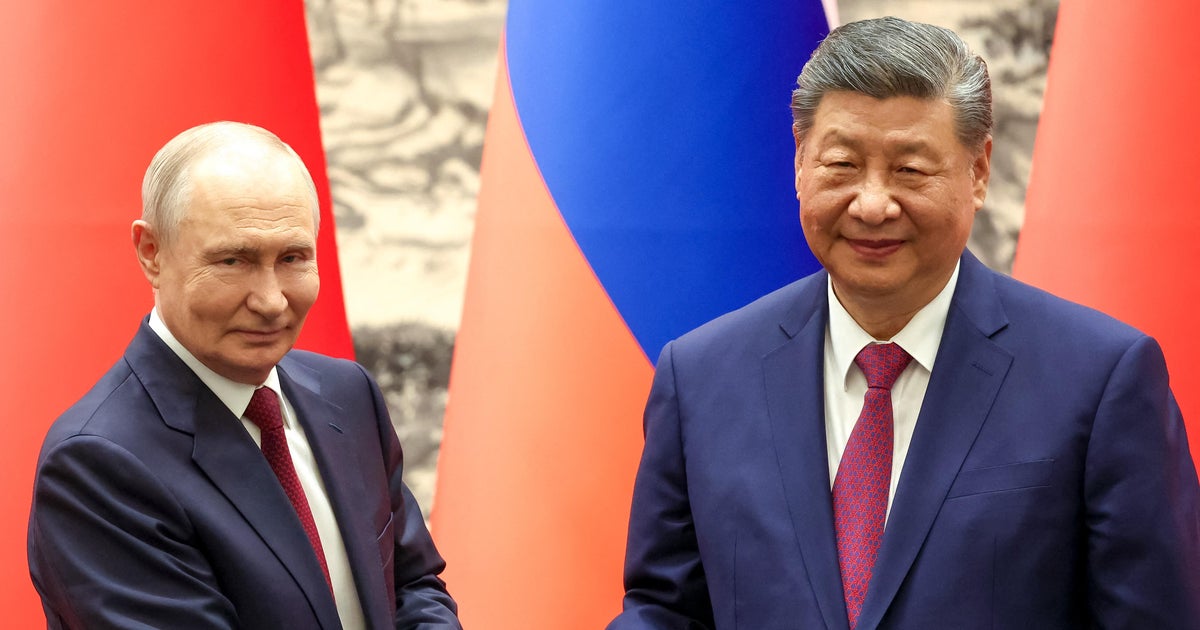
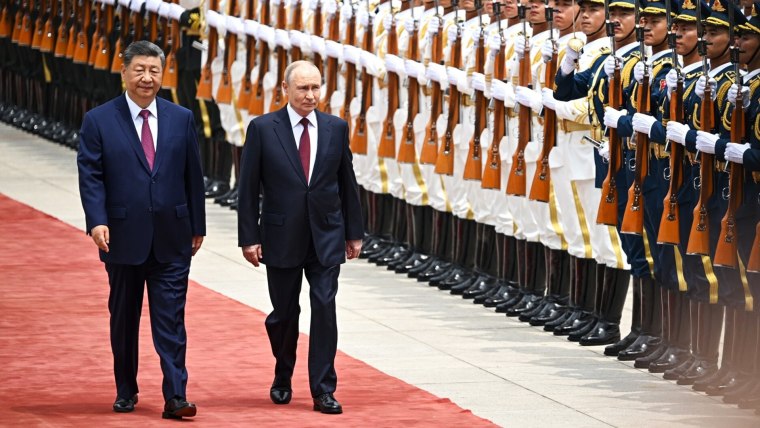
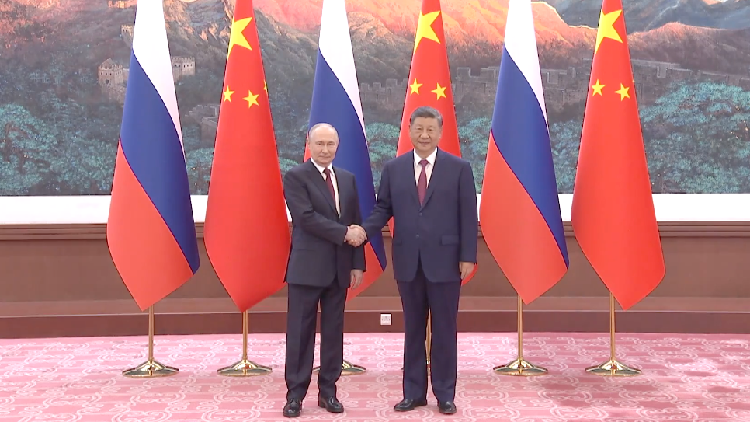
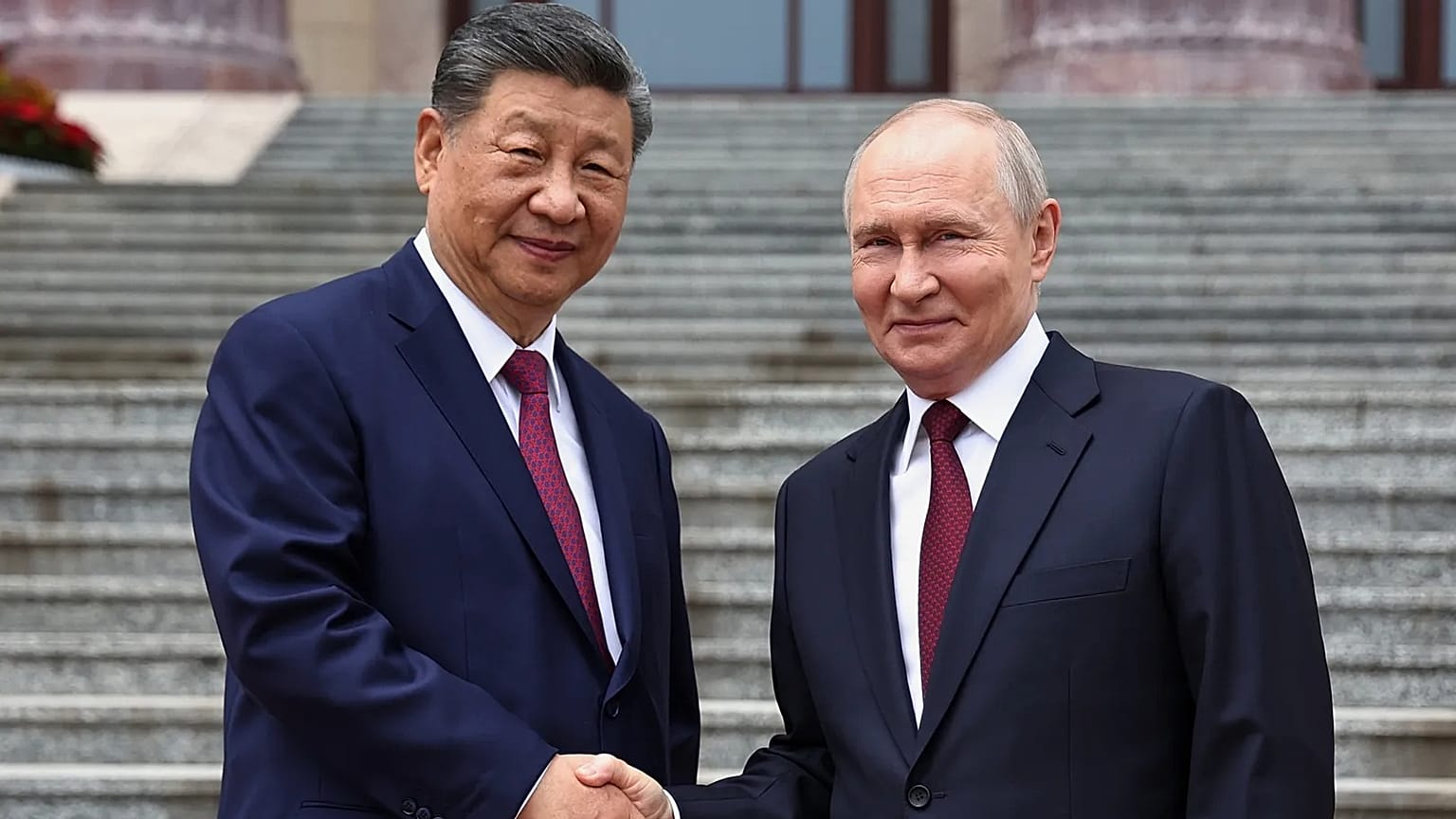
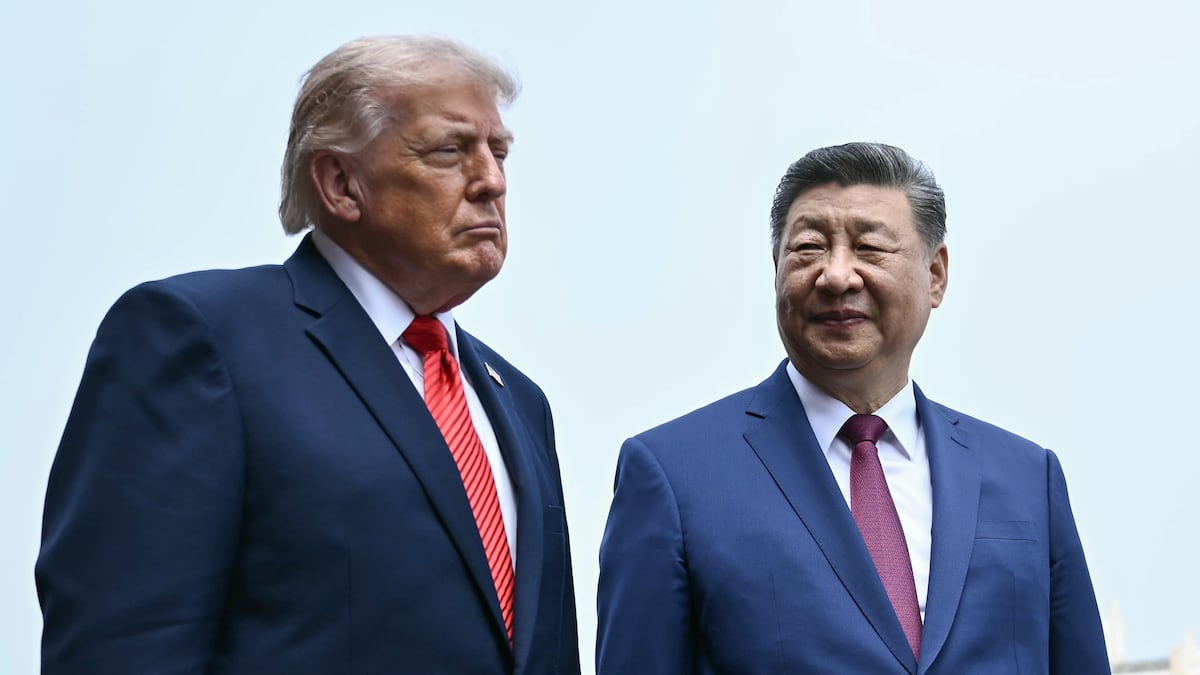
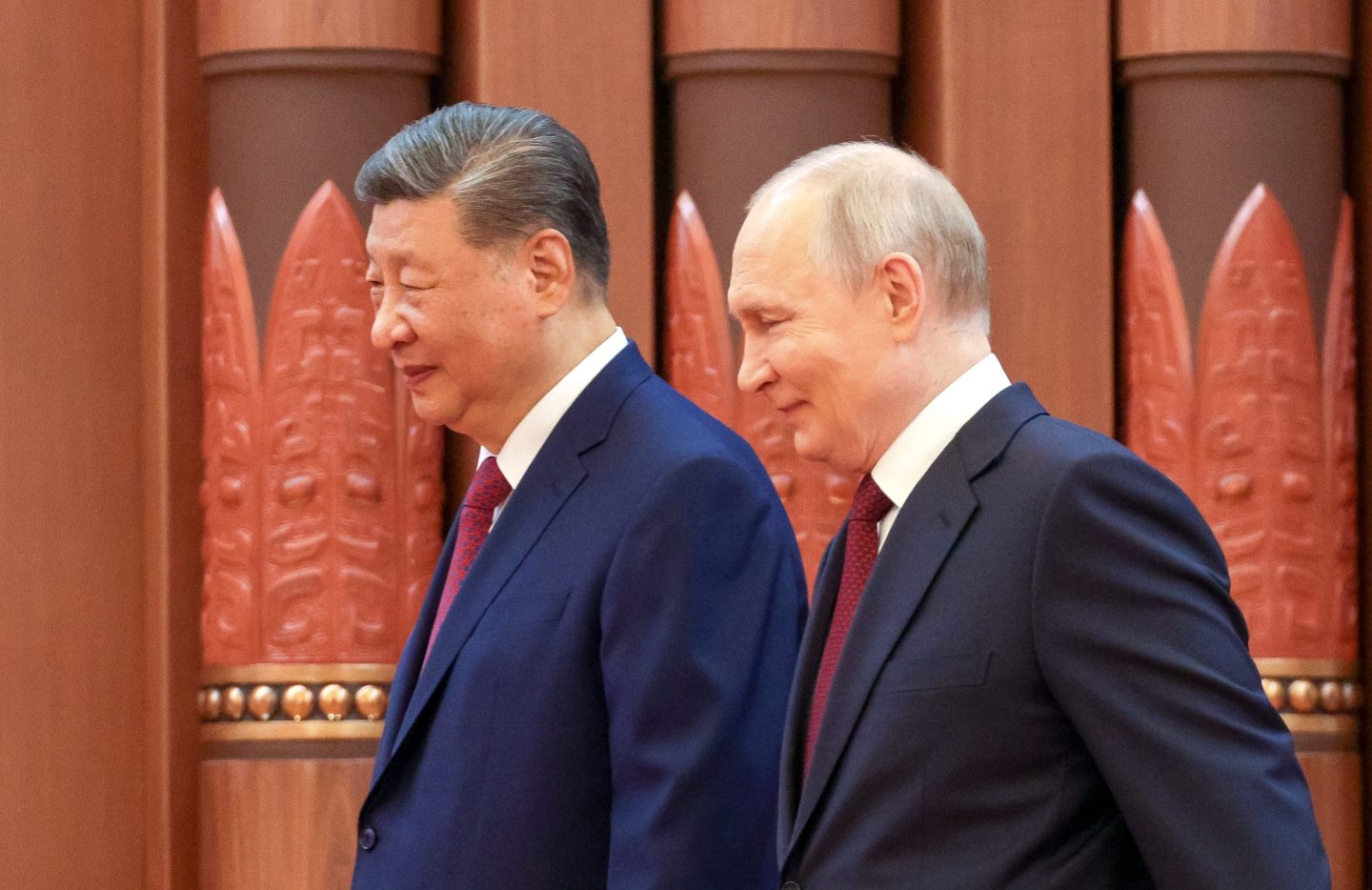
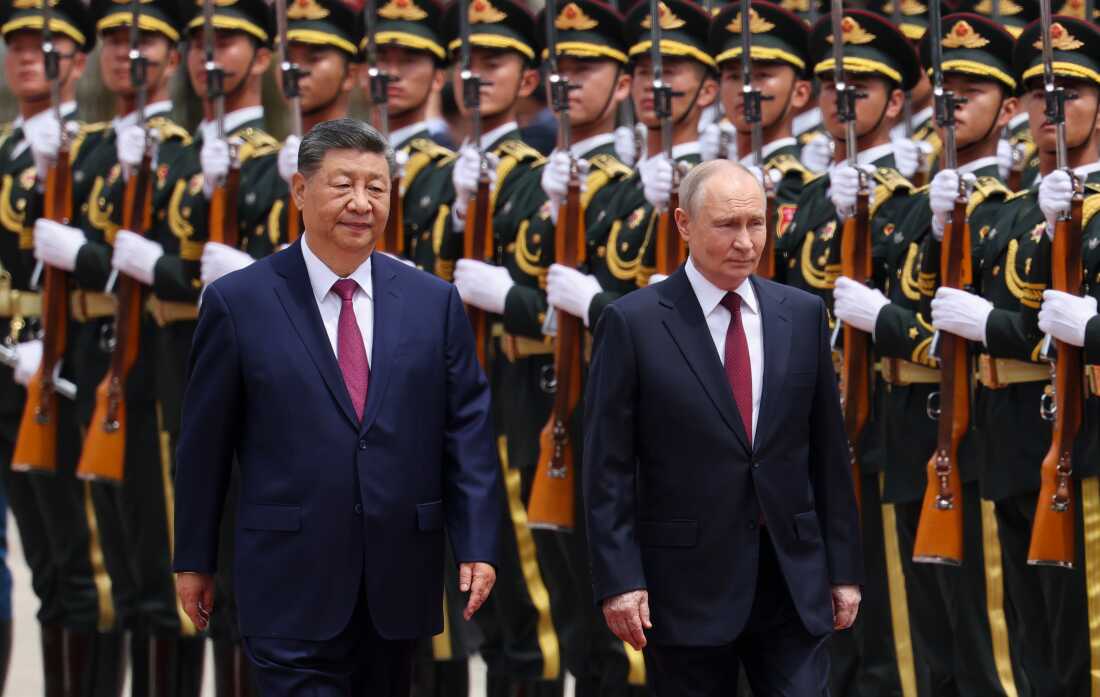
China's diplomatic repositioning as a global trade hub directly impacts cross-border sellers through supply chain cost pressures and emerging market access opportunities. The back-to-back visits by Trump and Putin to Beijing, followed by Xi-Putin meetings resulting in 40+ cooperation agreements, signal a fundamental shift in global trade dynamics that affects seller sourcing strategies, manufacturing costs, and market entry timelines.
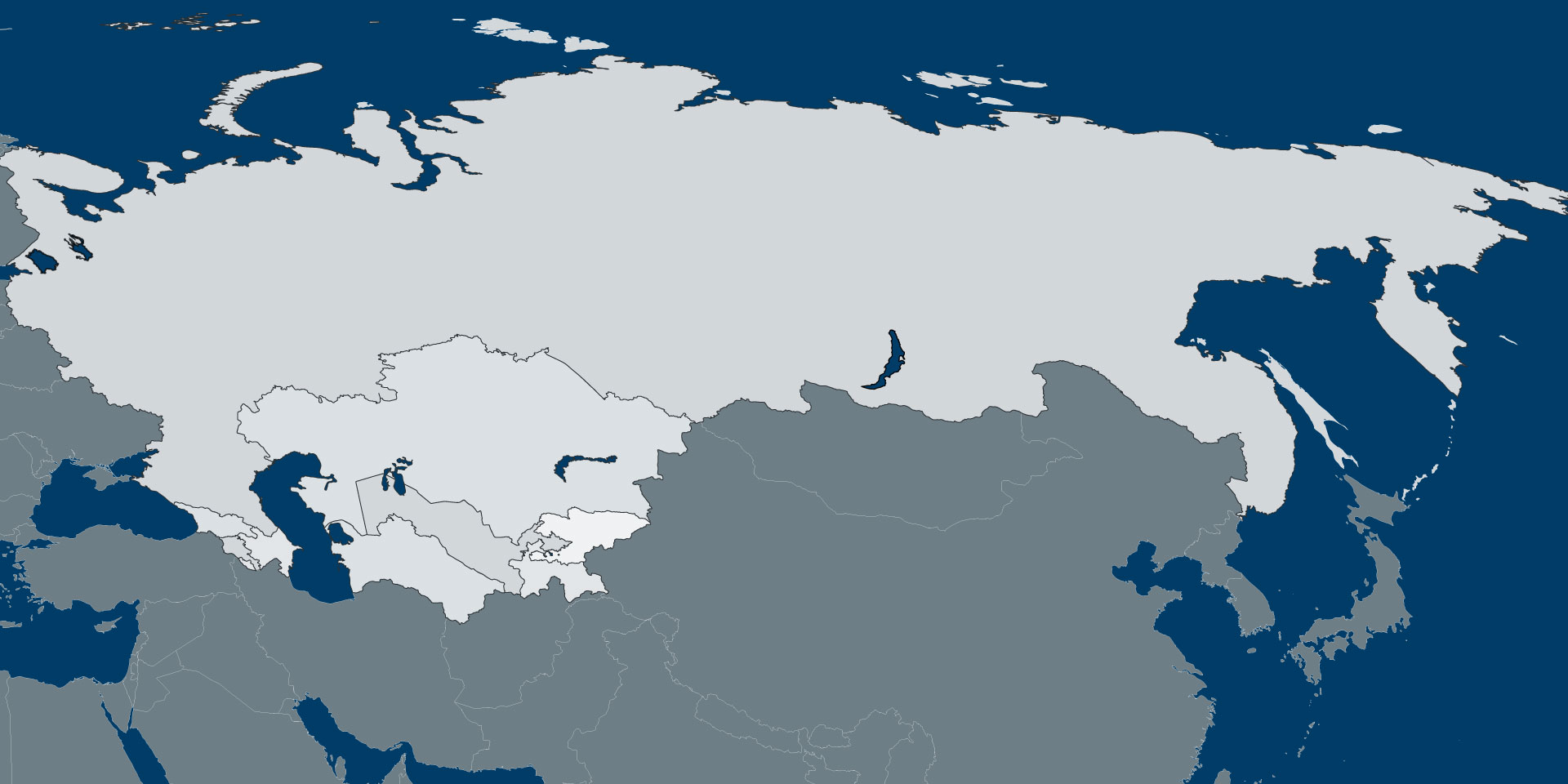
Supply Chain Cost Implications for Sellers: The strengthened China-Russia energy partnership—with Russian oil exports to China growing 35% in Q1 2026 and bilateral trade reaching $228 billion in 2025—directly impacts manufacturing costs for sellers sourcing from Chinese factories. Energy-intensive manufacturing categories (electronics, appliances, textiles, plastics) face 8-15% cost increases as China prioritizes energy stability through Russian supplies, reducing available capacity for export-oriented production. Sellers relying on Chinese suppliers for consumer electronics (HS codes 8471-8517), home appliances (HS 8418-8421), and synthetic textiles (HS 5407-5408) should expect 4-8 week lead time extensions and 6-12% price increases by Q2 2026. This particularly affects small-to-medium sellers (annual revenue $500K-$5M) who lack long-term supply contracts and must renegotiate terms at higher rates.
Market Access Opportunities in Russia and Emerging Sectors: The 40+ cooperation agreements emphasize AI, digital economy, and technology innovation—signaling regulatory harmonization between China and Russia that creates new e-commerce opportunities. Sellers can capitalize on Russia's growing demand for Chinese-manufactured consumer goods as sanctions limit Western supply. Categories with highest growth potential include: smart home devices (HS 8517.62), consumer electronics accessories (HS 8471.30), and apparel (HS 6204-6209). Russian e-commerce platforms like Wildberries and Ozon are expanding Chinese seller access, with tariff rates on Chinese goods remaining stable at 10-15% for most consumer categories. However, sellers must navigate 40-60 day customs clearance periods and require Russian business registration or local logistics partners. The diplomatic stability signals reduced geopolitical tariff volatility for 12-18 months, creating a window for sellers to establish Russian market presence before potential Western sanctions escalation.
Competitive Dynamics and Timing Windows: China's moderated diplomatic approach—repairing ties with Australia, Canada, and UK—indicates Beijing is balancing Russia relationships with Western trade access. This creates a 6-month window (through Q2 2026) where Chinese manufacturers maintain stable export capacity before energy partnerships fully mature and redirect production toward Russian markets. Large sellers (annual revenue $10M+) with established Chinese supplier networks should lock in Q2-Q3 2026 production slots immediately, as capacity will tighten. Small sellers should consider Vietnam and India sourcing alternatives for categories where Chinese costs rise above 12% premium. The emphasis on digital economy cooperation signals upcoming regulatory changes in data governance and AI standards—sellers using Chinese logistics platforms (Cainiao, S.F. Express) should audit data compliance by March 2026 to avoid operational disruptions.
Questions 8
How will the China-Russia energy partnership affect my manufacturing costs if I source from China?
Energy-intensive manufacturing categories will see 8-15% cost increases as China prioritizes Russian energy supplies for domestic production. Sellers sourcing consumer electronics, appliances, and textiles should expect 6-12% price increases and 4-8 week lead time extensions by Q2 2026. Small sellers without long-term contracts face the highest impact. Lock in supplier agreements immediately for Q2-Q3 2026 production to secure current pricing before capacity tightens. Consider Vietnam or India alternatives for categories where Chinese costs exceed 12% premium.
How do tariff rates compare between China-Russia trade and Western markets?
China-Russia tariff rates remain stable at 10-15% for most consumer categories, compared to 15-25% rates for US/EU imports. The 40+ cooperation agreements signal tariff stability for 12-18 months, reducing geopolitical volatility. However, Western sanctions could escalate tariff rates on Russian goods to 25-35% within 18 months. Sellers should monitor geopolitical developments and consider diversifying market exposure between Russia and Western markets to mitigate tariff risk.