
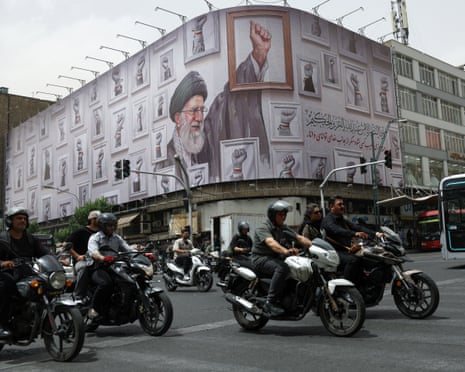





Strait of Hormuz Shipping Crisis | Cross-Border Sellers Face 8-12% Shipping Cost Surge
- Iran-US tensions halt 62% of maritime traffic through critical chokepoint; Brent crude at $108/barrel creates logistics cost inflation for Asia-to-US and Middle East sellers


























Overview
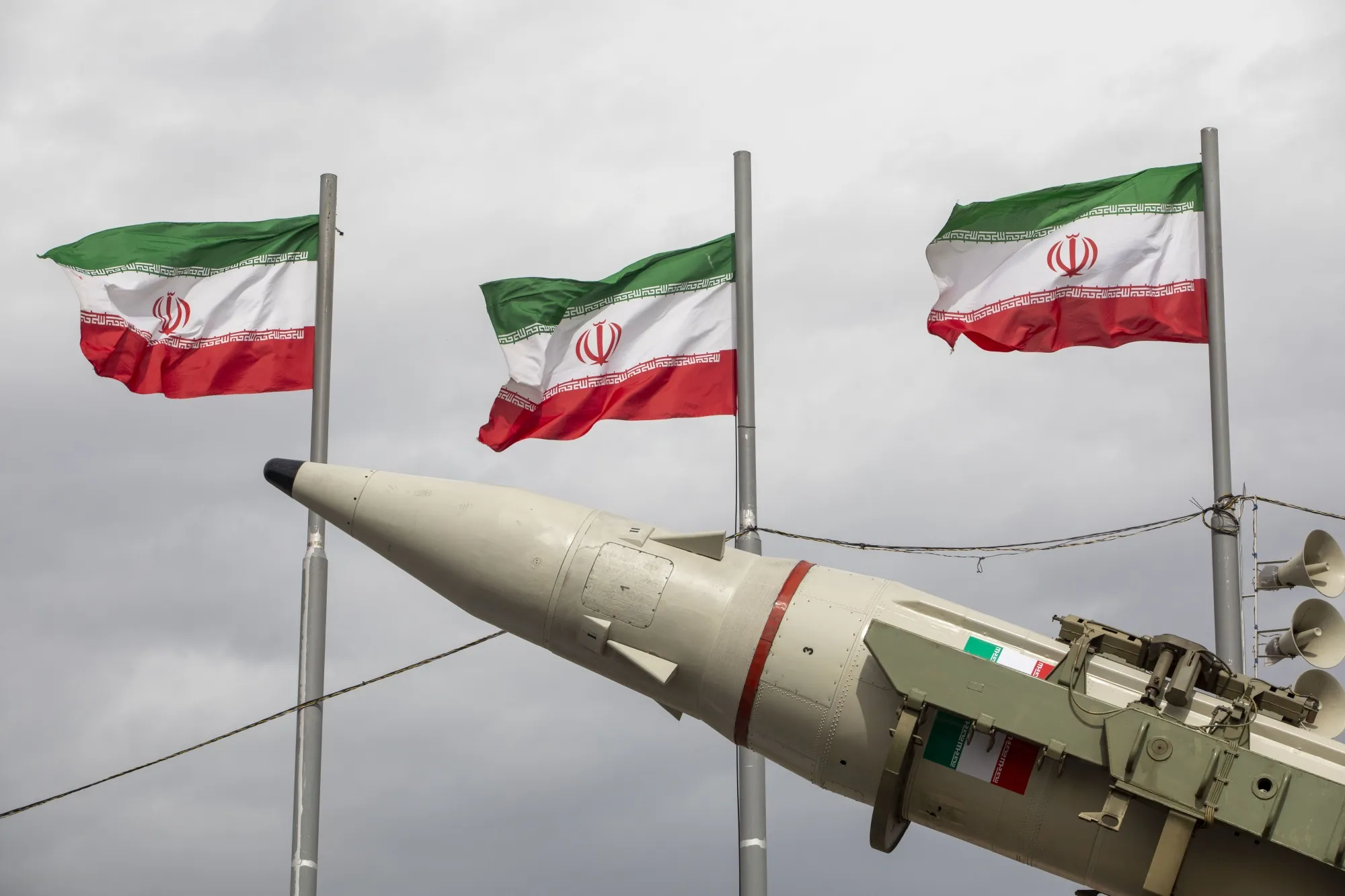
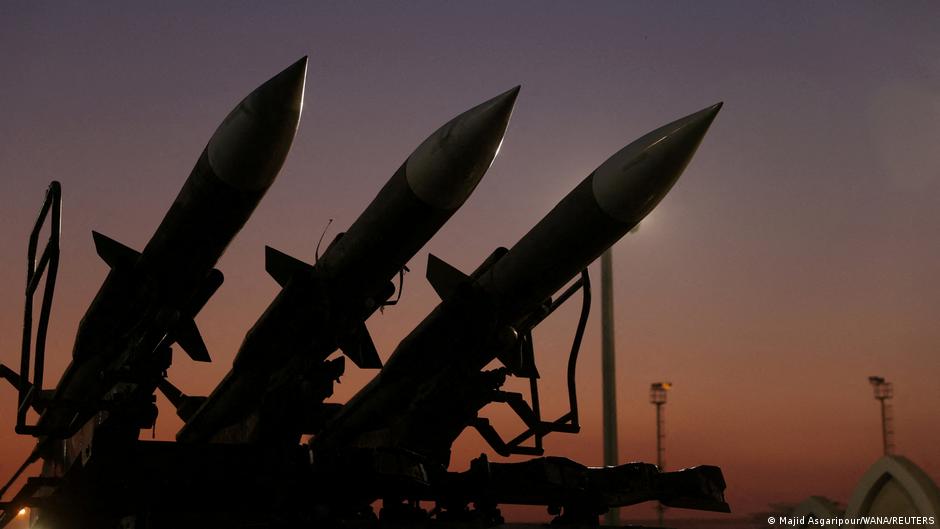
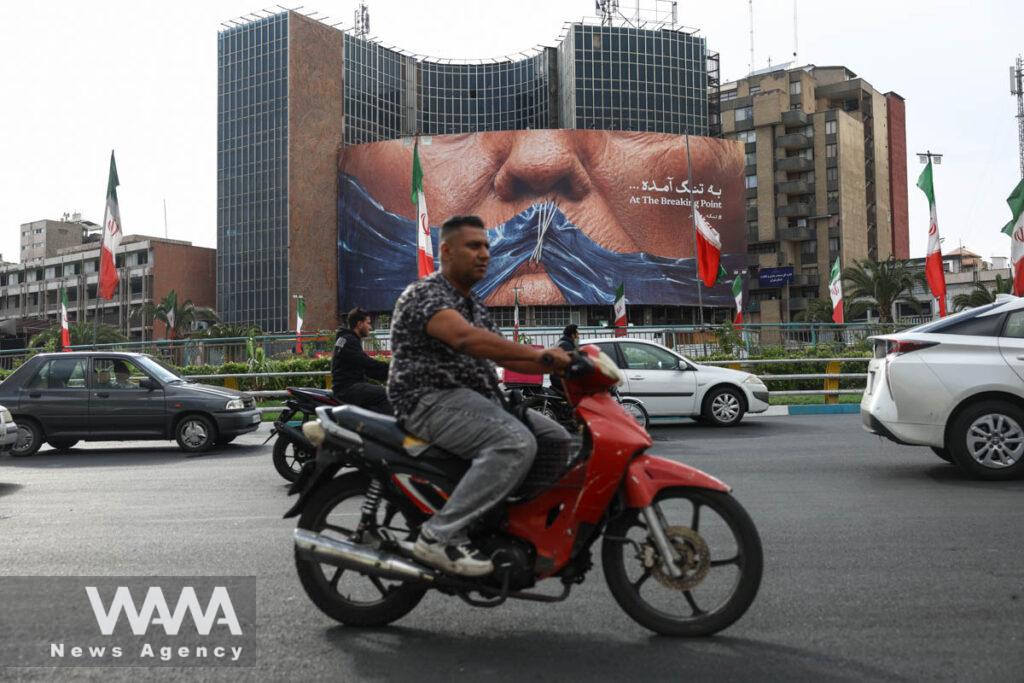
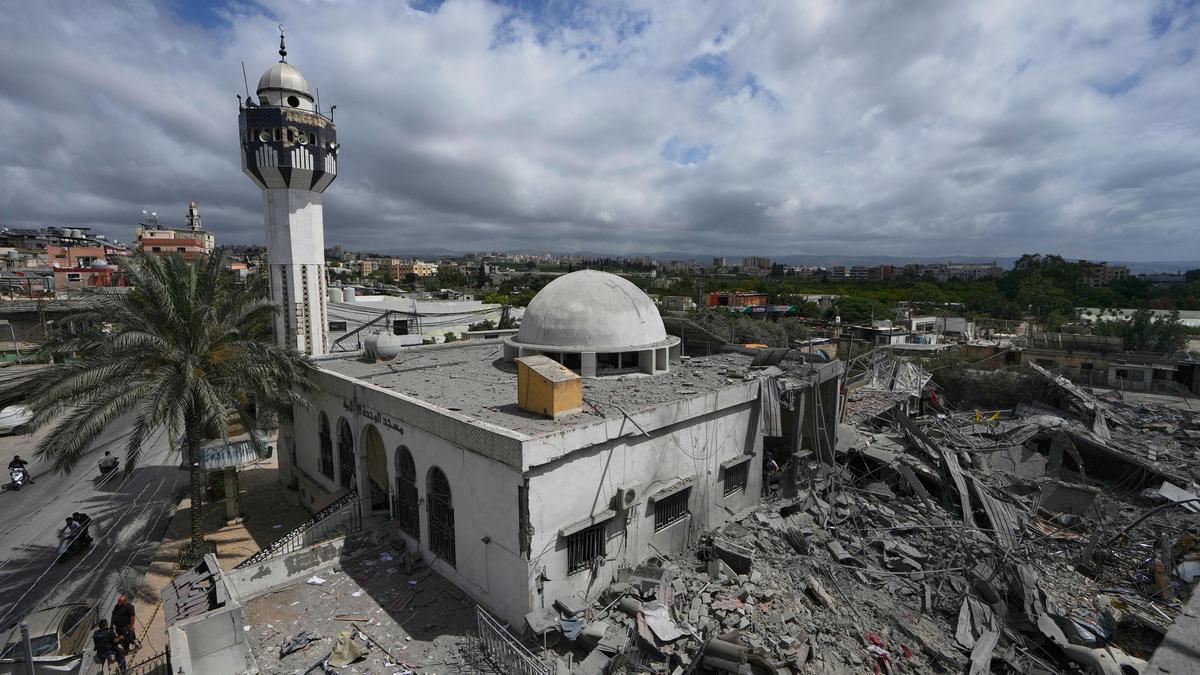
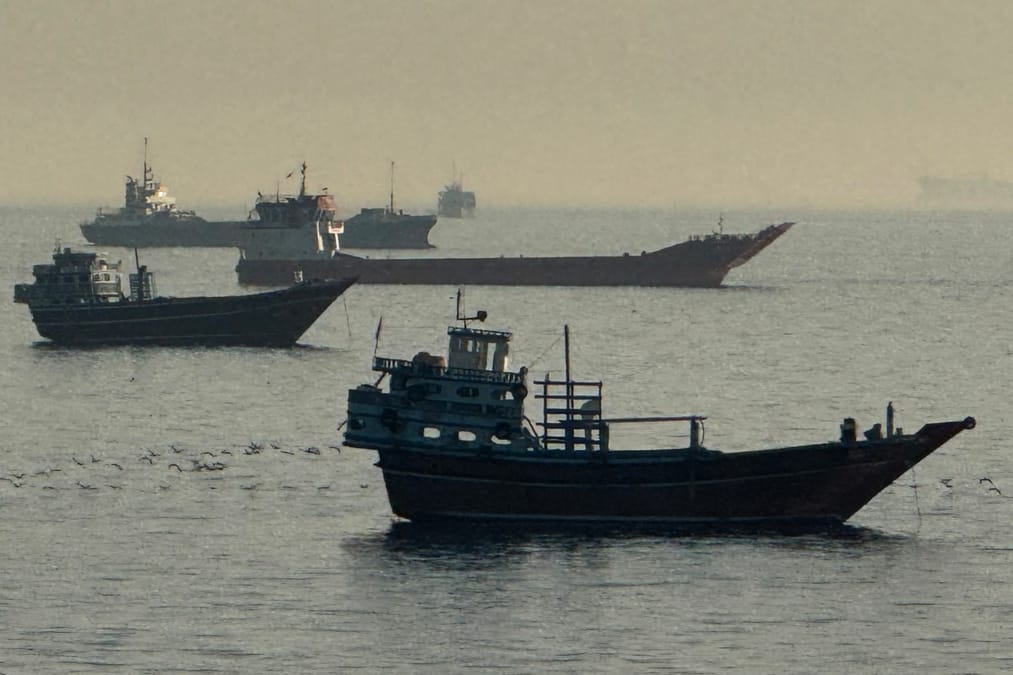
The escalating Iran-US military conflict centered on the Strait of Hormuz represents a critical supply chain disruption for cross-border e-commerce sellers. Since February 2025, Iran has effectively closed the strait to non-Iranian vessels, reducing daily maritime traffic from 140 ships to just 54 ships (38% of normal capacity), according to Lloyd's List data cited in the news reports. This blockade controls approximately 20% of global oil and liquefied natural gas flows, directly impacting shipping costs for sellers relying on Asian manufacturing and Middle Eastern market access.
Immediate Cost Impact on Seller Operations: Energy price volatility with Brent crude fluctuating around $108 per barrel translates to 8-12% increases in fuel surcharges on international shipping routes. For sellers shipping 1,000+ units monthly via ocean freight from China/Vietnam to US ports, this represents $200-400 additional monthly costs per container. Air freight premiums have increased 15-20% as sellers attempt to bypass maritime delays. Amazon FBA sellers shipping from Asia face extended lead times (45-60 days vs. normal 30-35 days), forcing inventory planning adjustments and increased working capital requirements.
Strategic Sourcing Opportunities Emerging: The news reports indicate Iran has negotiated preferential access agreements with Chinese and South Korean vessels, creating a competitive advantage for sellers with established supply chains in these countries. Sellers currently sourcing from Vietnam, India, and Indonesia face lower disruption risk compared to those dependent on direct China-to-Middle East-to-US routing. This geopolitical shift is accelerating the "China+1" sourcing strategy, where sellers diversify manufacturing across multiple Asian countries to reduce single-country dependency. The diplomatic uncertainty—with Trump administration statements shifting between military threats and peace negotiations—creates a 6-12 month window for sellers to restructure supply chains before potential normalization.
Market Access Shifts: The blockade has effectively created two shipping corridors: restricted (non-Iranian vessels through Hormuz) and preferred (Chinese/South Korean vessels with negotiated access). Sellers should evaluate 3PL providers with established relationships in Shanghai, Busan, and Qingdao ports to leverage these preferential routes. Middle Eastern market access for US-based sellers has become more expensive and uncertain, making this market less attractive for inventory positioning. Conversely, sellers with direct-to-consumer operations in Southeast Asia and India are gaining competitive advantages as these markets become more accessible relative to Middle East distribution.
Questions 8
Are there tariff or trade policy changes I should monitor related to this geopolitical crisis?
The news reports indicate Trump administration negotiations with Iran focus on sanctions relief as a fundamental demand, which could trigger new US tariff policies on Iranian goods and potentially affect broader Middle East trade. Monitor the Office of Foreign Assets Control (OFAC) website for sanctions updates that could impact your supply chain. If negotiations succeed, expect potential tariff reductions on goods from Iran-aligned countries (China, Russia, Pakistan) which could create new sourcing opportunities. Conversely, if conflict escalates, expect broader sanctions that could restrict access to certain manufacturing inputs. Subscribe to trade policy alerts from your industry association and review your supply chain for any Iran-connected suppliers that might face sanctions exposure. The 6-12 month diplomatic window creates both risks and opportunities for tariff arbitrage.
How do I calculate the true cost impact of shipping delays on my Amazon FBA profitability?
Calculate three cost components: (1) Fuel surcharge increase: 8-12% of ocean freight costs, (2) Extended lead time cost: additional 15-25 days of working capital tied up in inventory, and (3) Opportunity cost: lost sales from potential stockouts during delays. For a seller with $50K monthly inventory investment, the extended lead time alone costs $2,500-5,000 in additional working capital. Add 10% fuel surcharge ($5,000 monthly) and potential 5-10% lost sales from stockouts ($2,500-5,000). Total monthly impact: $10,000-15,000 for mid-sized sellers. Use Amazon Seller Central's forecasting tools to model these scenarios and adjust pricing 3-5% upward to maintain margins while absorbing increased logistics costs.