



Africa Ebola Crisis 2025-2026 | Supply Chain Disruption & Health Product Demand Surge
- 600+ confirmed cases in DRC outbreak triggers PPE shortage, logistics delays, and 25-40% demand spike for medical supplies across African markets










Overview
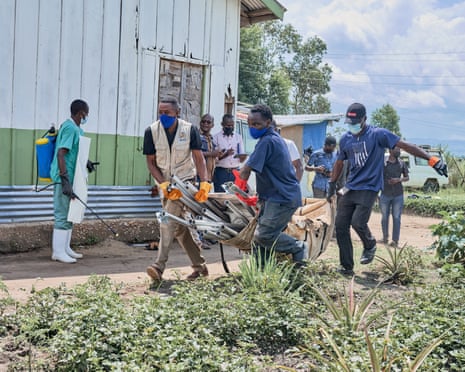
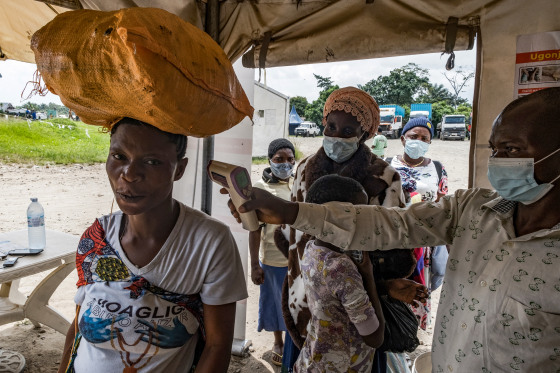
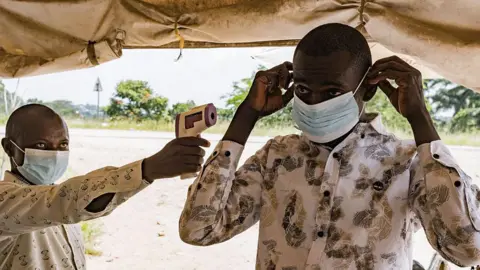
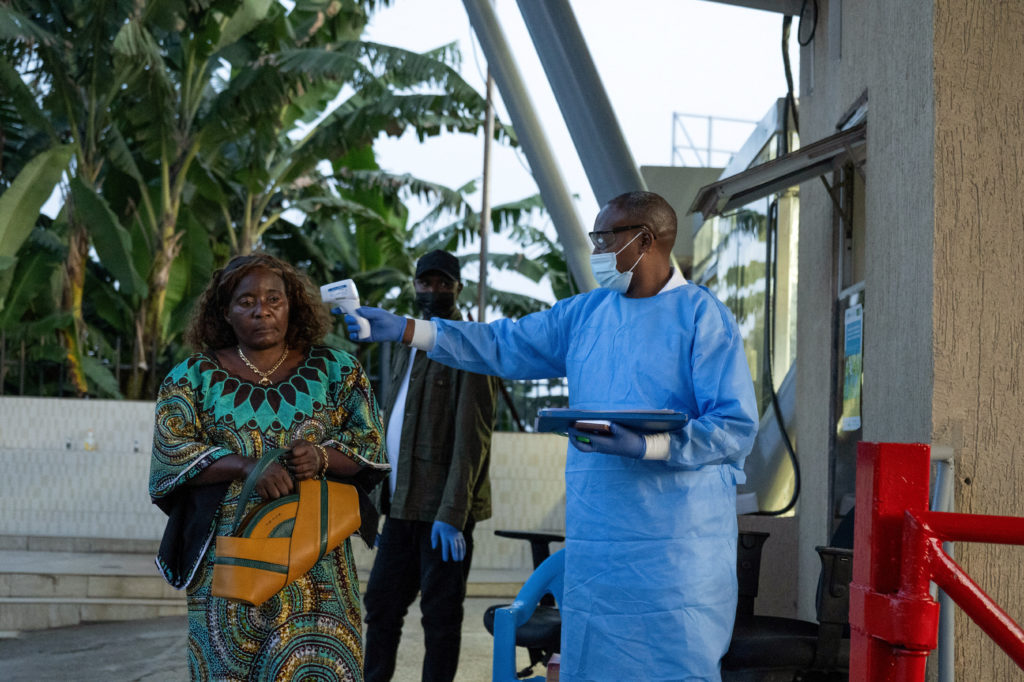
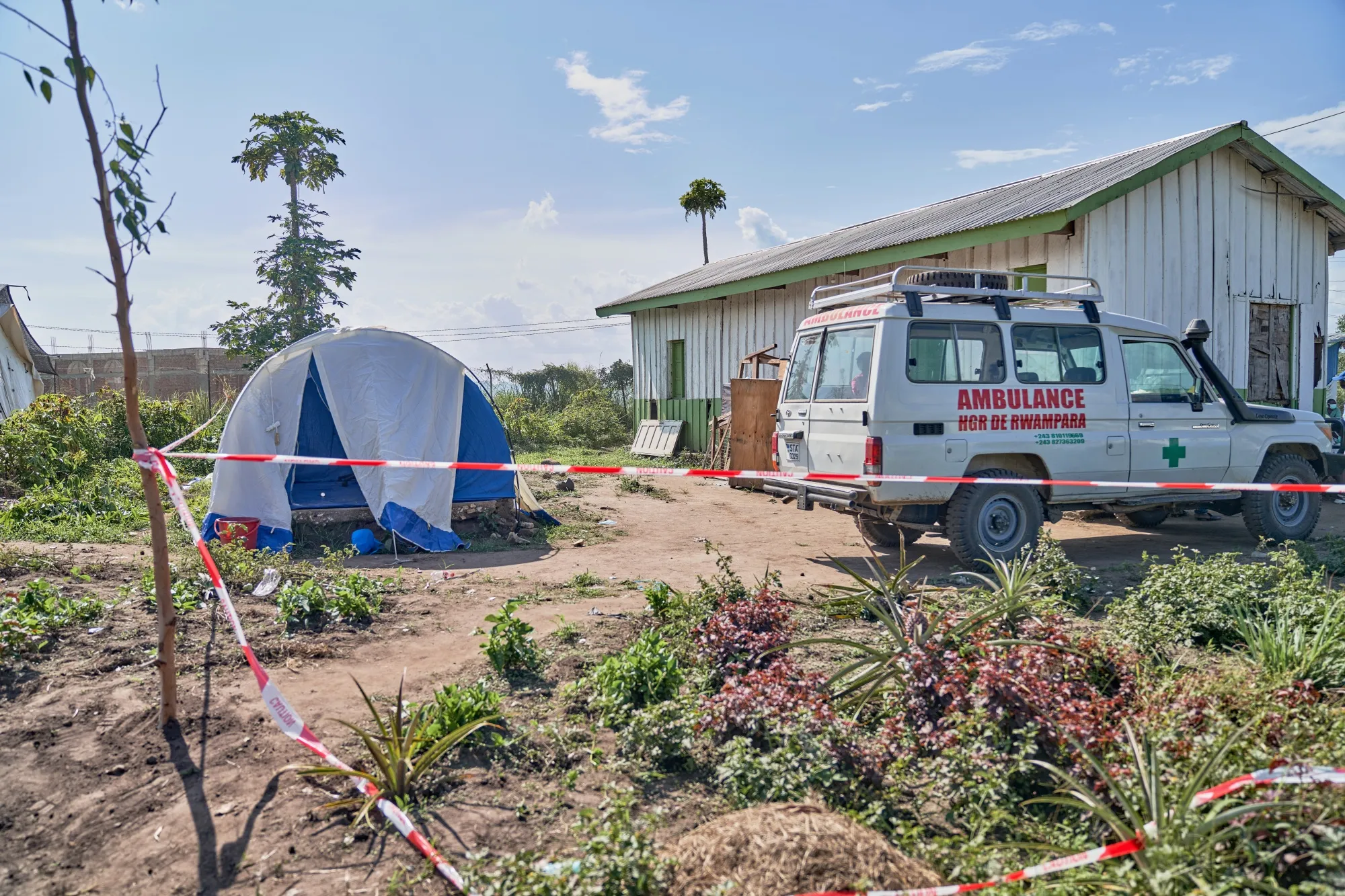
The Bundibugyo Ebola outbreak in the Democratic Republic of Congo (identified late April 2025, confirmed 600+ suspected cases and 139+ deaths as of May 2026) represents a critical inflection point for cross-border e-commerce sellers operating in African markets and supplying medical/protective equipment globally. This crisis exposes three interconnected seller opportunities and risks: (1) Immediate PPE/Medical Supply Demand Surge: The outbreak has created acute shortages of personal protective equipment, diagnostic supplies, and sanitation products across Central and West Africa. USAID's dismantling in early 2025 eliminated pre-positioned medical resource networks, forcing healthcare systems to source PPE through commercial channels. Sellers specializing in medical-grade masks, gloves, hand sanitizers, and diagnostic equipment can expect 25-40% demand increases in African markets through Q4 2026. (2) Supply Chain Vulnerability & Logistics Delays: The news reveals critical infrastructure gaps—labs in Ituri province lacked testing equipment, samples shipped to Kinshasa at incorrect temperatures, and community health worker networks collapsed due to funding cuts. This signals that African supply chains for medical goods remain fragile and dependent on international coordination. Sellers using African manufacturing or distribution hubs face potential 2-4 week delays in sample testing, customs clearance, and regulatory approvals. The CDC's expanded role (offices in Congo and Uganda) may create new compliance requirements for sellers exporting medical products to these regions. (3) Market Consolidation & Competitive Pressure: Dr. Craig Spencer's emphasis on "learning critical information way too quickly" indicates the outbreak is more severe than official reports suggest. This creates urgency for sellers to establish market presence before larger medical suppliers (3M, Medtronic, Johnson & Johnson) dominate African procurement contracts. The $23 million State Department emergency funding and planned 50 emergency clinics represent procurement opportunities for bulk medical supplies, but require established vendor relationships and regulatory certifications. Cross-border implications: The WHO's reactive response ("playing catch up") and reduced U.S. international health engagement mean sellers cannot rely on government-coordinated supply chains. Instead, sellers must develop direct relationships with NGOs (Doctors Without Borders, International Rescue Committee), private healthcare networks, and regional distributors. The outbreak also highlights demand for non-medical products—water purification systems, sanitation infrastructure, and hygiene education materials—that address underlying health system gaps exposed by the crisis.
Questions 8
How should sellers navigate regulatory compliance for medical products in DRC during the health emergency?
The outbreak creates both opportunities and compliance risks. The news reports that CDC offices in Congo and Uganda are now supporting surveillance, diagnostics, and PPE distribution—meaning CDC approval may become de facto requirement for medical products. Sellers should: (1) Obtain FDA clearance or equivalent certifications (CE marking for EU sellers) before shipping; (2) Register with CDC-supported facilities and healthcare networks in DRC; (3) Comply with WHO guidelines for medical product quality and safety; (4) Maintain documentation of product origin, testing, and chain of custody for customs clearance. The State Department's $23M emergency funding suggests expedited approval pathways may be available for critical supplies. Contact CDC offices directly or work through established NGO partners (Doctors Without Borders, International Rescue Committee) to navigate regulatory requirements and access procurement opportunities.
What competitive advantages do sellers have in capturing African healthcare market share during this crisis?
The news reveals that larger medical suppliers may face delays in establishing African distribution networks due to infrastructure gaps and reduced government coordination. Sellers can gain competitive advantage by: (1) Establishing direct relationships with NGOs and healthcare networks now (before larger competitors move in); (2) Offering flexible payment terms and bulk pricing to cash-constrained healthcare facilities; (3) Providing technical support and training for product use in resource-limited settings; (4) Sourcing from African manufacturers where possible to reduce logistics delays and costs; (5) Positioning as "emergency response" suppliers to access State Department procurement contracts. The news emphasizes that CDC lacks USAID's infrastructure for coordinating broad responses and employing local personnel—creating opportunity for sellers with regional expertise and local partnerships to differentiate. First-mover advantage is critical; sellers should establish market presence in Q2-Q3 2026 before crisis subsides and competition intensifies.