


DFW Airport Disruptions Impact Air Freight | Sellers Face 48-72 Hour Delays
- 500+ flight cancellations at major logistics hub disrupt time-sensitive shipments; sellers must activate contingency routes immediately








Overview
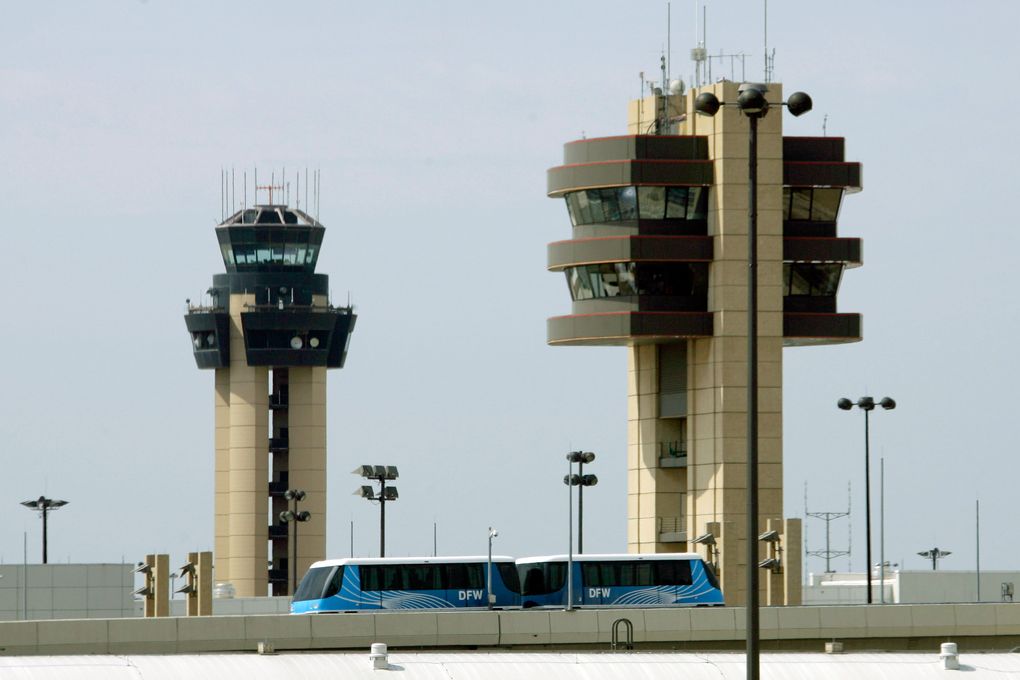
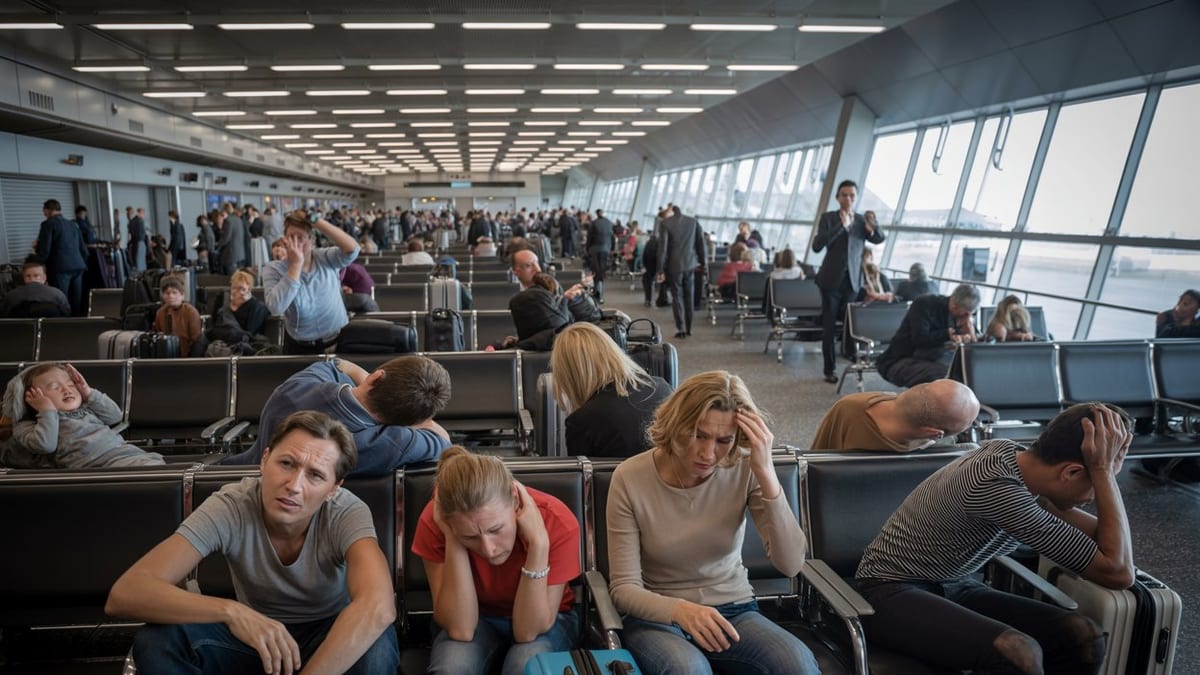
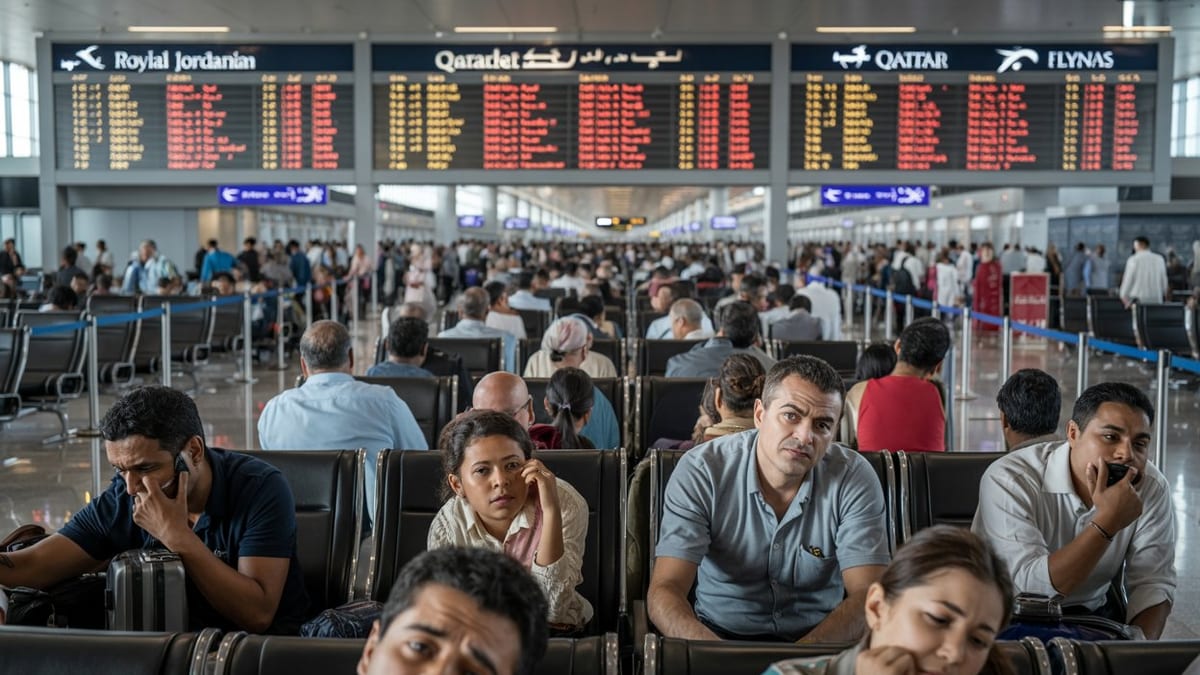
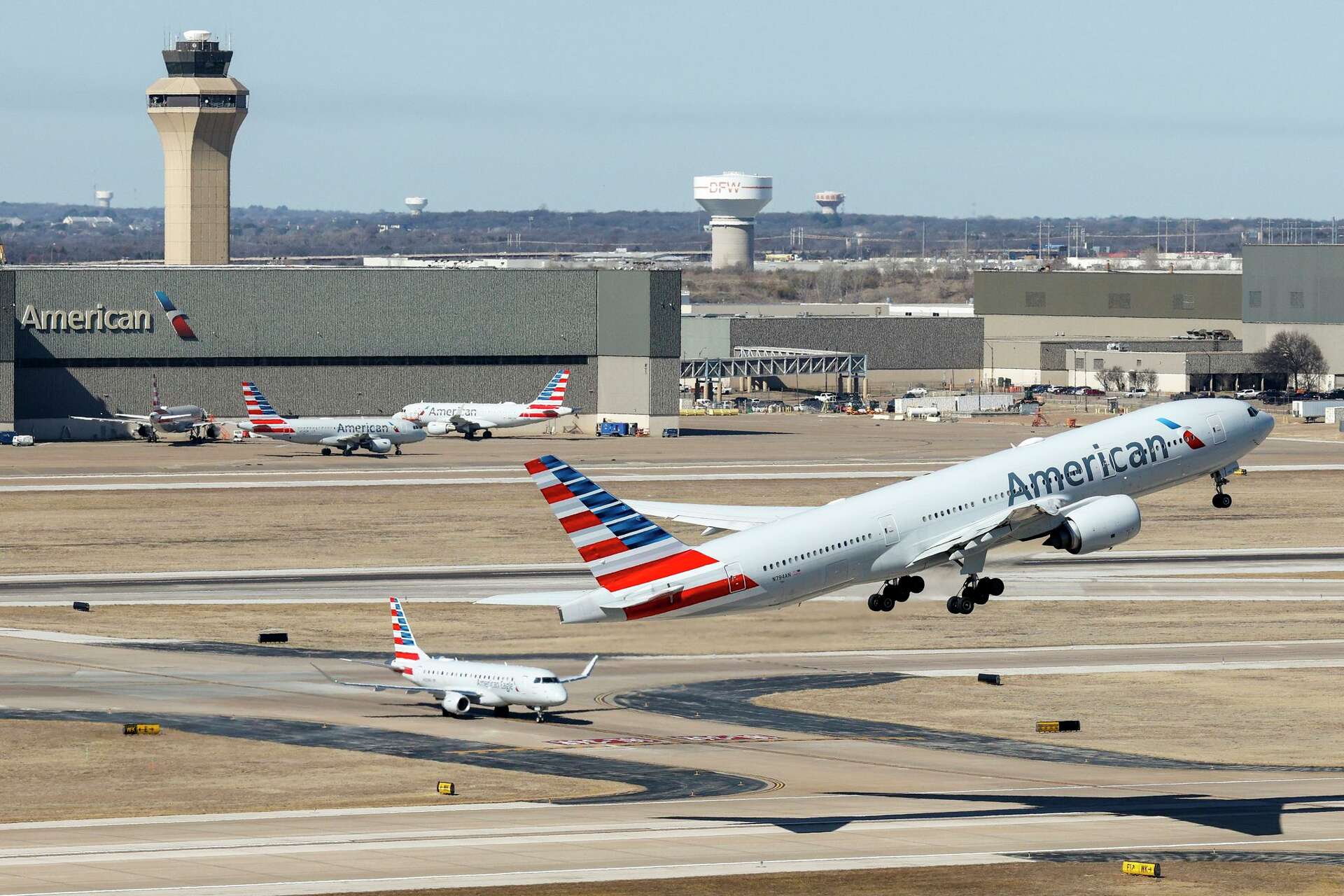
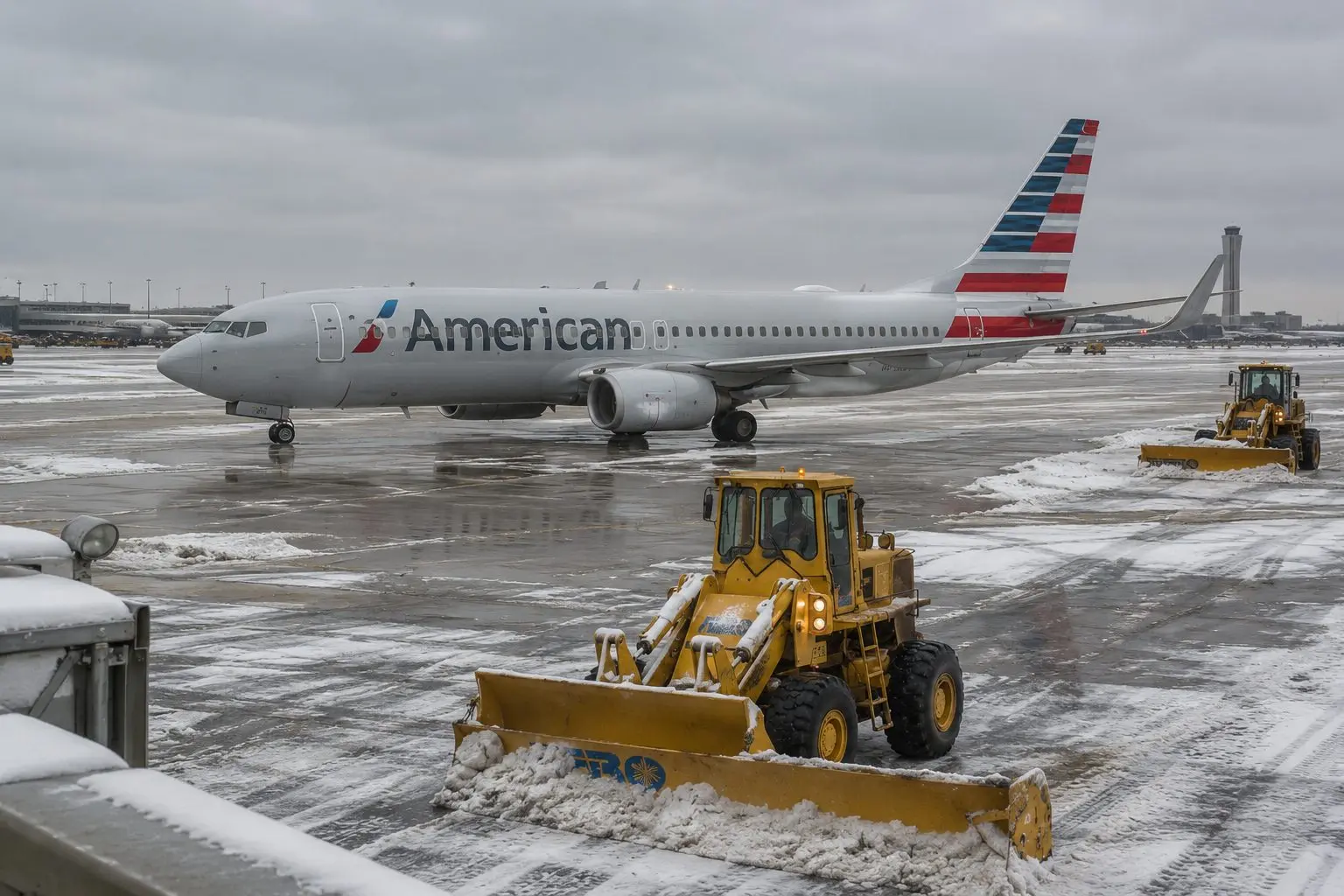
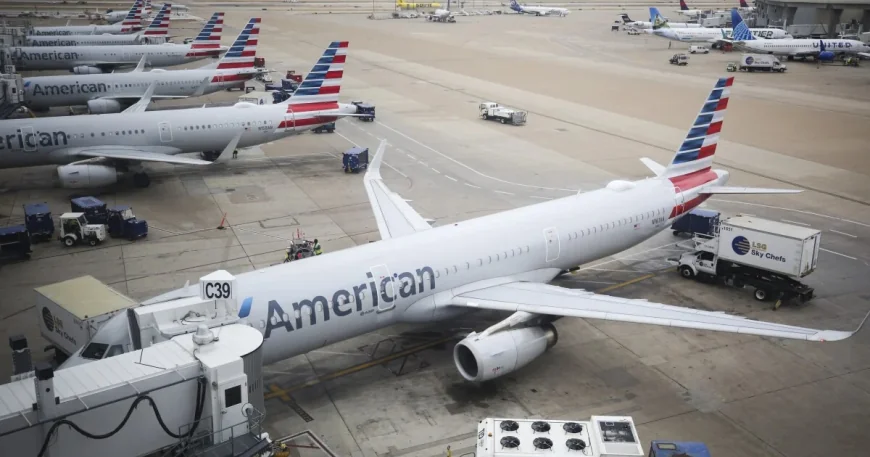
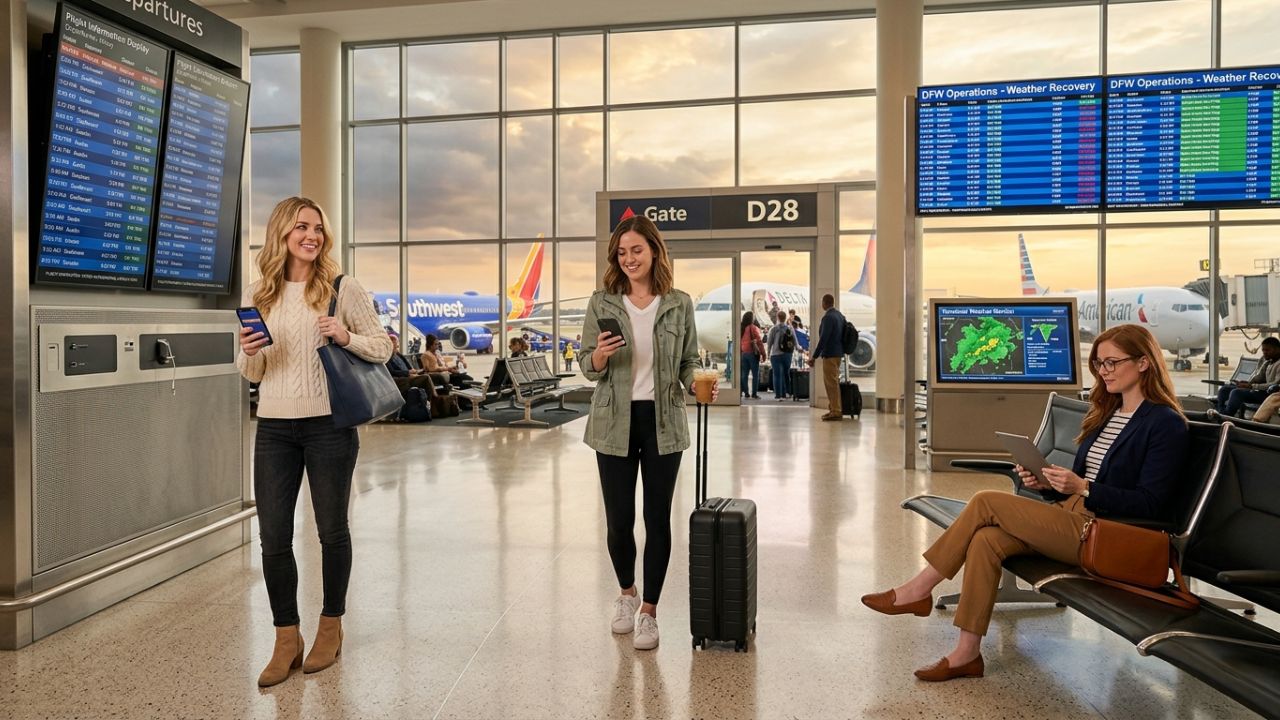
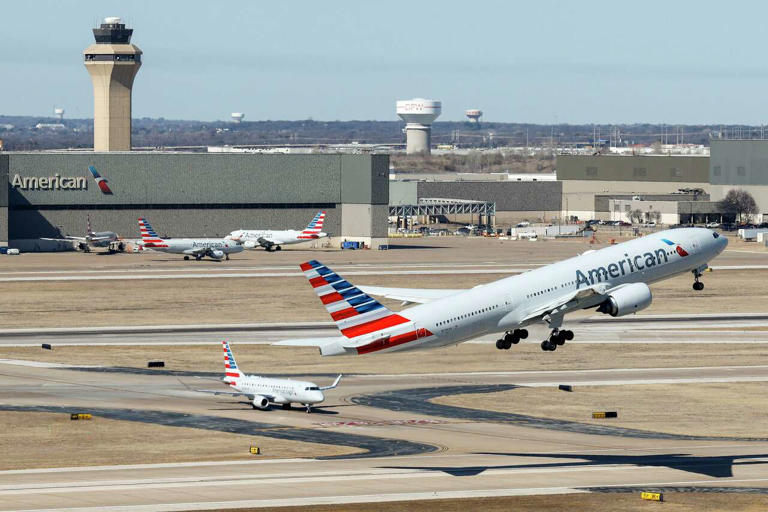
Dallas-Fort Worth International Airport experienced catastrophic operational disruption on May 19, 2026, with 500+ inbound/outbound flights canceled and 700+ delayed due to severe thunderstorms, creating immediate supply chain vulnerabilities for cross-border e-commerce sellers. The Federal Aviation Administration implemented ground delay programs extending 3+ hours, with National Weather Service forecasting continued precipitation through May 25, 2026, signaling extended disruption potential beyond the initial 24-hour window. This event directly impacts sellers utilizing air freight for time-sensitive inventory replenishment, expedited customer fulfillment, and just-in-time supply models—particularly those shipping high-value electronics, perishables, and seasonal merchandise requiring rapid delivery windows.
For sellers relying on DFW as a primary air cargo hub, immediate cost implications include 15-25% premium surcharges for alternative routing through secondary hubs (Memphis, Indianapolis, Atlanta) and potential 48-72 hour fulfillment delays affecting Amazon FBA commitments and customer delivery promises. Sellers shipping 500+ units monthly through DFW face $3,000-8,000 in rerouting costs per disruption event. The timing during Memorial Day weekend—a peak travel and commerce period—amplifies impact, as many sellers pre-positioned inventory for holiday demand surge. Inventory positioned in DFW warehouses or awaiting air shipment faces holding cost increases of $0.50-1.50 per unit daily as flights remain grounded.
Strategic logistics response requires immediate activation of contingency routes and alternative fulfillment models. Sellers should immediately divert shipments to Memphis International Airport (FedEx hub) or Indianapolis International (UPS hub), accepting 12-24 hour delays but avoiding premium surcharges. For sellers with 3PL partnerships, activate secondary warehouse locations in California, Illinois, or Georgia to redistribute inventory and reduce DFW dependency. Consider temporary shift to ground shipping for non-urgent categories (apparel, home goods, non-perishables) to avoid air freight premiums, accepting 5-7 day delivery windows. Sellers with FBA inventory in Texas distribution centers should monitor fulfillment center capacity and consider temporary pause on new inventory shipments until airport operations normalize (typically 48-72 hours post-weather clearance).
Long-term risk mitigation requires geographic diversification of air freight routing and inventory positioning. Sellers currently concentrating 40%+ of air shipments through single hubs face recurring vulnerability to weather events. Industry data shows major US airports experience 8-12 significant weather disruptions annually, with DFW experiencing above-average frequency due to Texas storm patterns. Optimal strategy: maintain 30-40% inventory buffer in secondary fulfillment centers (non-DFW), negotiate volume commitments with 2-3 alternative carriers, and implement real-time logistics monitoring via FlightAware or Fourkites to trigger contingency protocols within 2-4 hours of disruption detection.
Questions 8
Which product categories face highest risk from DFW air freight disruptions?
High-risk categories requiring rapid air freight: (1) Electronics/tech accessories (high value, time-sensitive, 2-3 day delivery expectations); (2) Perishables/fresh food (spoilage risk, 24-48 hour delivery windows); (3) Seasonal merchandise (holiday items, weather-dependent demand windows); (4) Fashion/apparel (trend-driven, short selling windows). Low-risk categories viable for ground shipping: (1) Home goods/furniture (5-7 day delivery acceptable); (2) Books/media (no spoilage, flexible delivery); (3) Non-perishable food (extended shelf life). Sellers in high-risk categories should prioritize geographic diversification and maintain 40-50% inventory buffer in secondary fulfillment centers to mitigate disruption impact.
What is the total landed cost impact of DFW disruptions on cross-border sellers?
Total landed cost impact includes: (1) Air freight premium surcharges: 15-25% increase = $0.50-2.00 per unit for typical shipments; (2) Rerouting costs: $3,000-8,000 per disruption event; (3) Inventory holding costs: $0.50-1.50 per unit daily for stranded inventory; (4) Fulfillment delays: potential Amazon FBA penalties ($0.50-2.00 per unit for late delivery). For a seller shipping 5,000 units monthly through DFW, a 48-hour disruption generates $5,000-15,000 in total additional costs. Annualized impact (8-12 disruptions yearly) reaches $40,000-180,000 for mid-sized sellers, justifying investment in geographic diversification and contingency planning.