



Target's $6B Turnaround Drives 5.6% Comp Sales Growth | O2O Retail Partnership Opportunity
- CEO Fiddelke's strategy boosts comparable sales 5.6% YoY, digital growth 8.9%, signaling renewed demand for exclusive brand collaborations and experiential retail formats























Overview
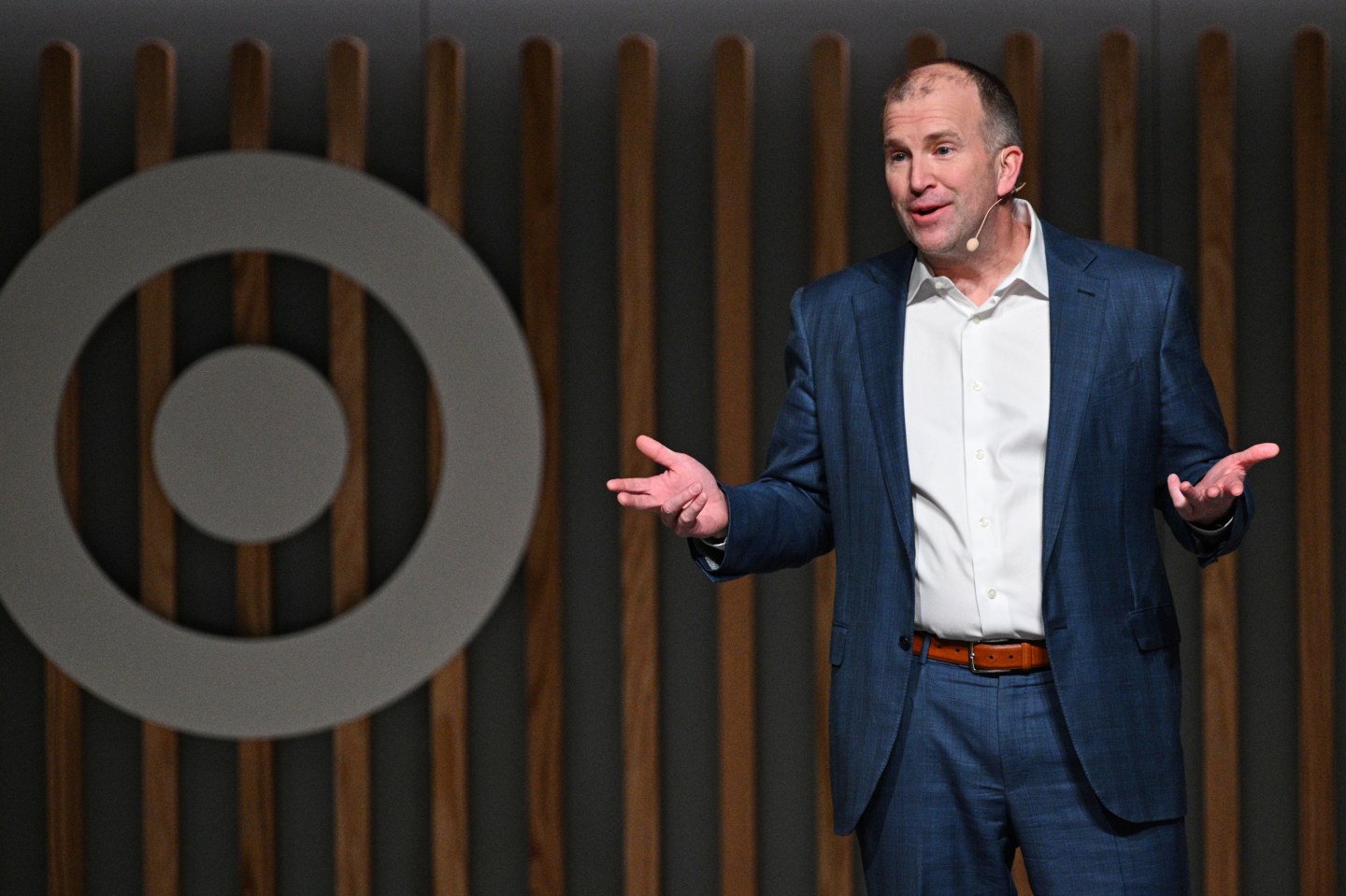
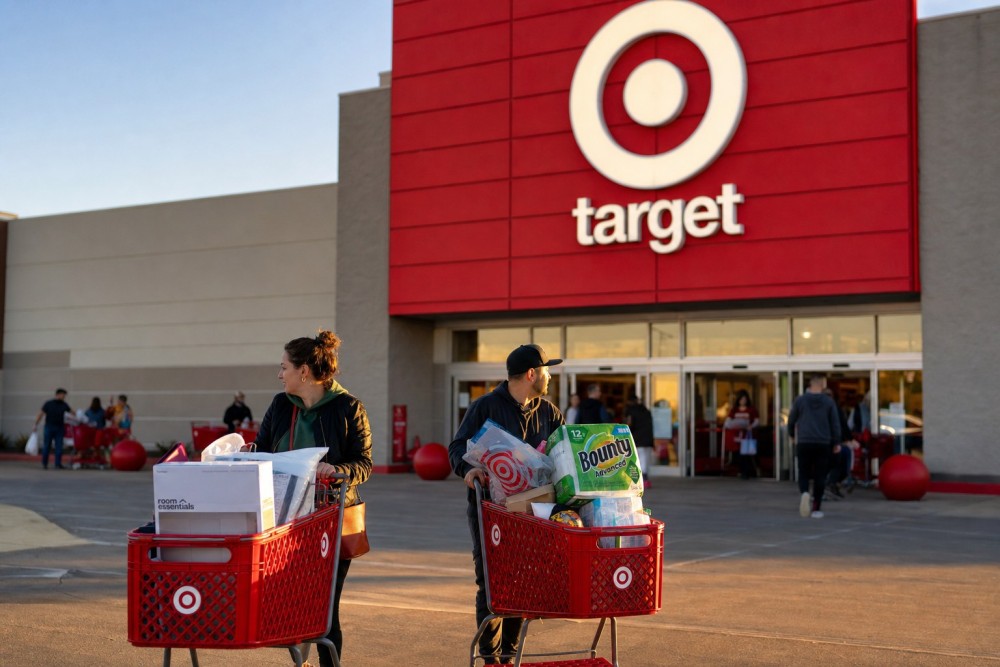
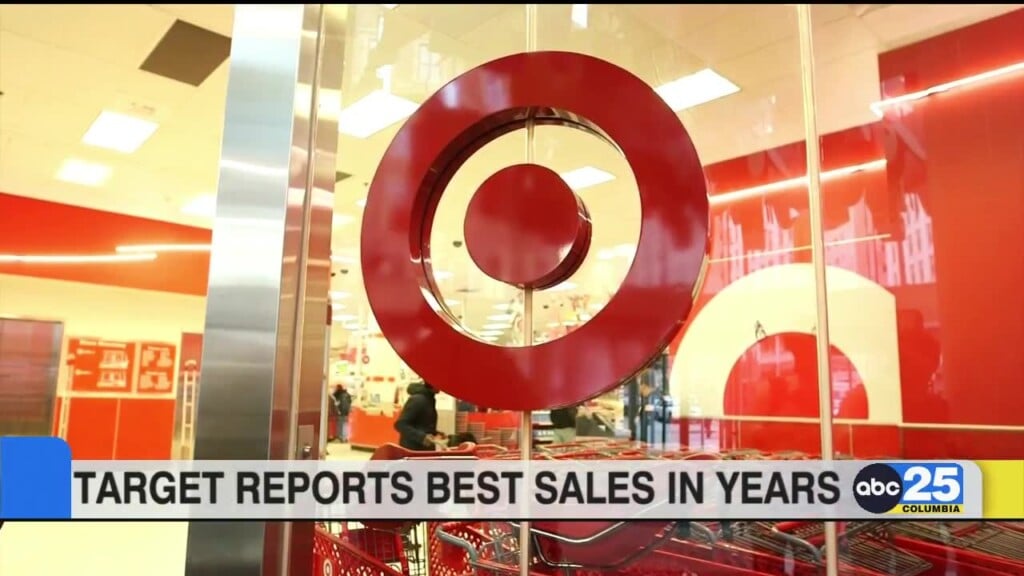
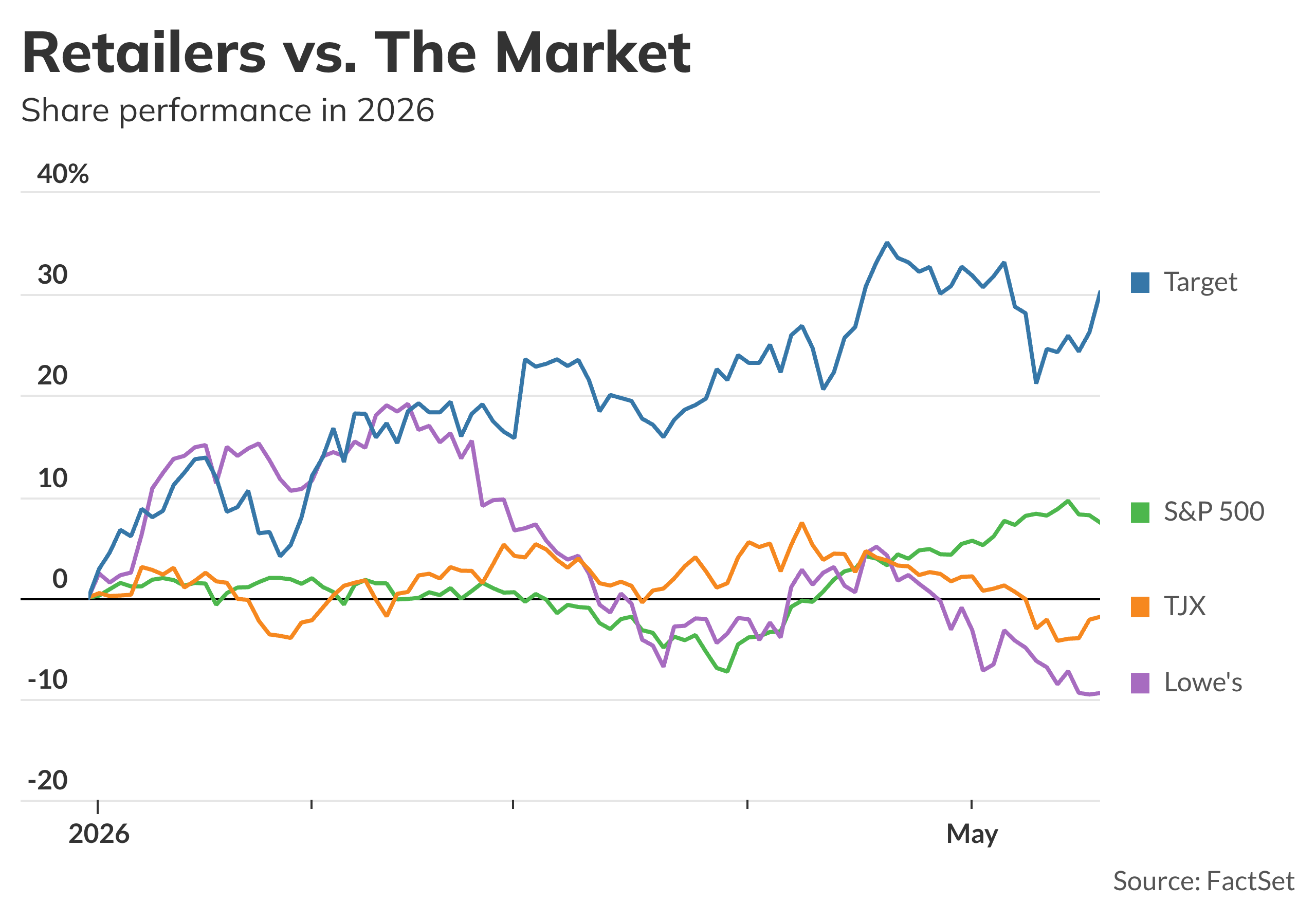
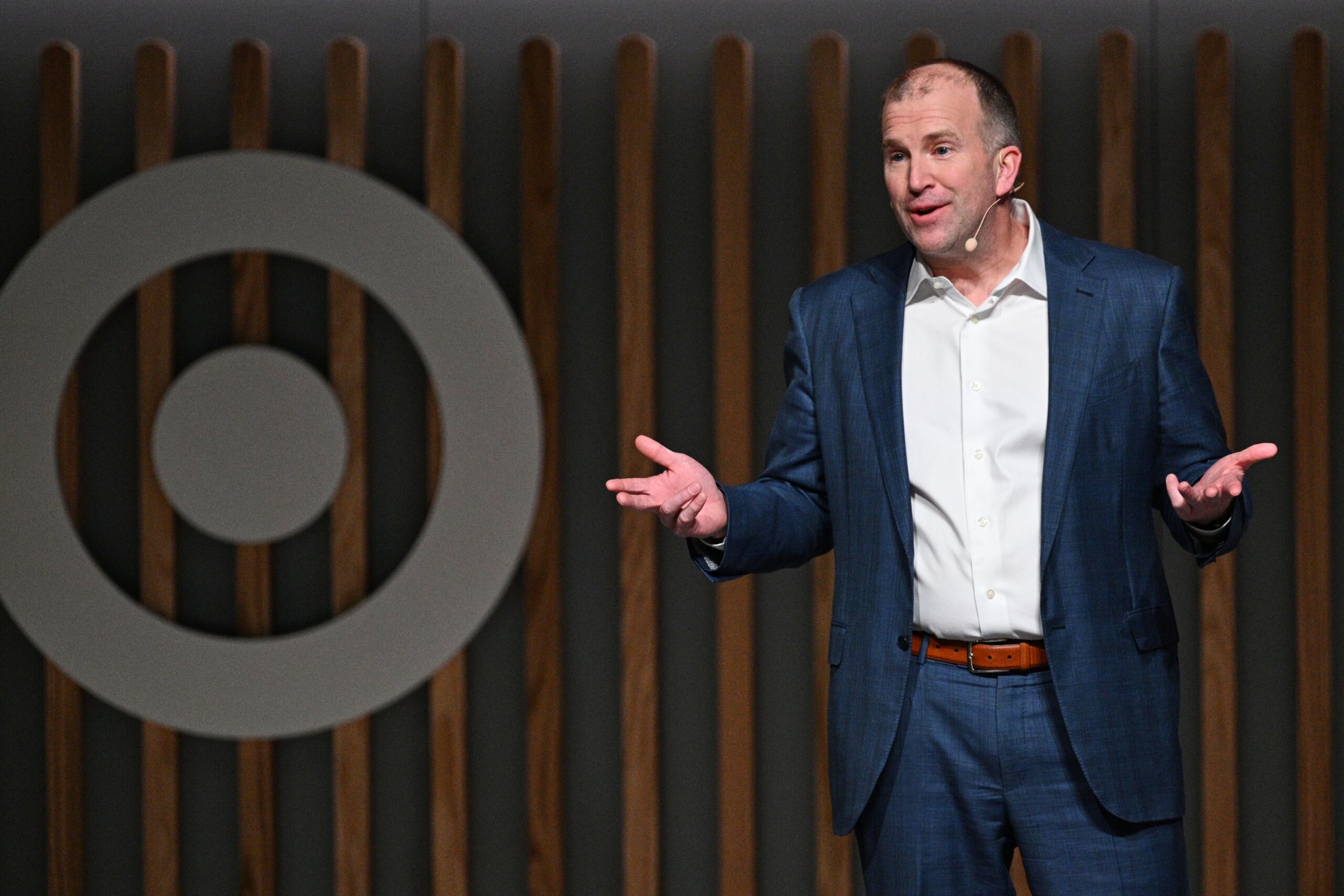
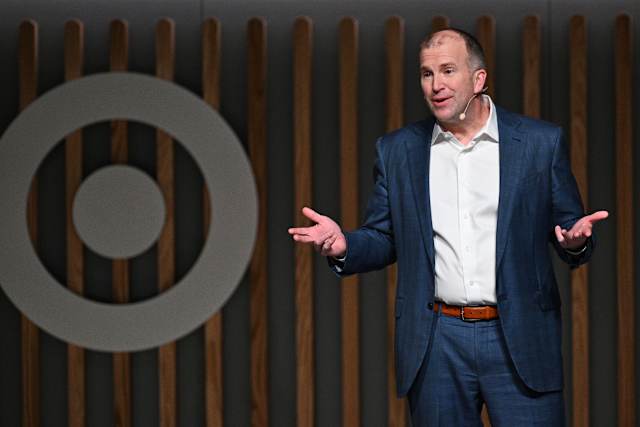
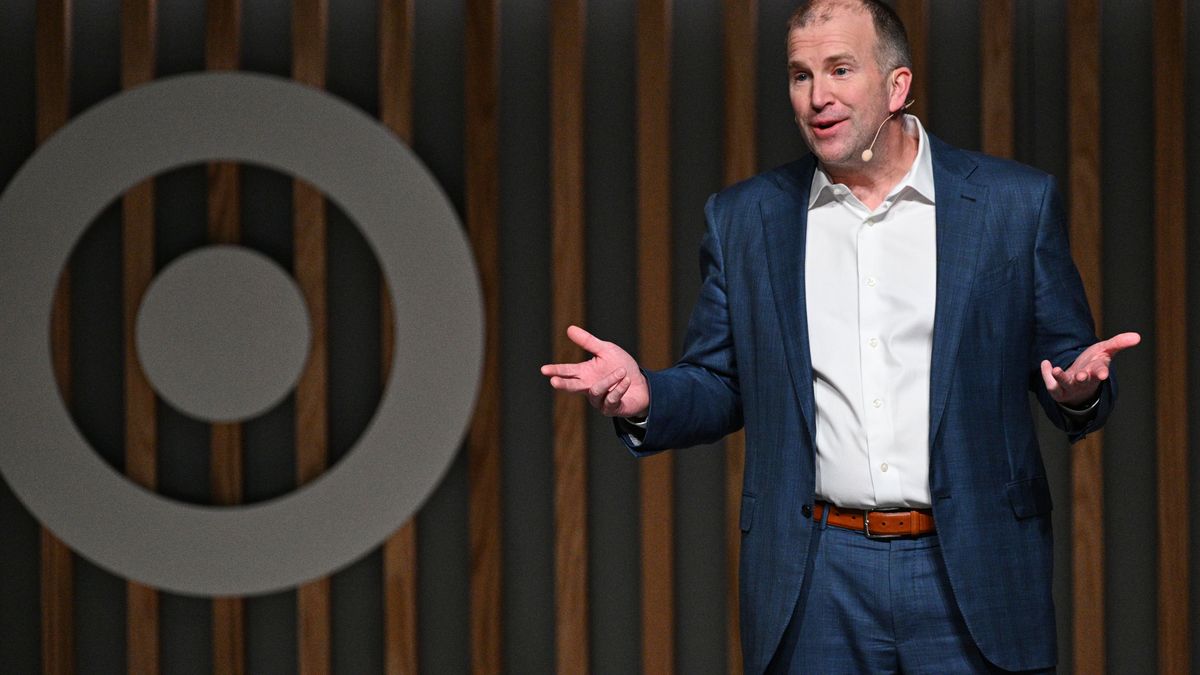
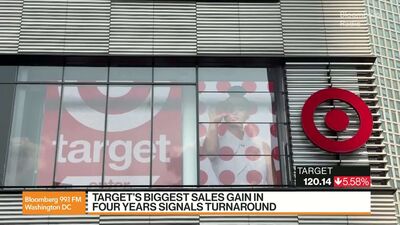
Target Corporation's dramatic Q1 2026 turnaround represents a critical inflection point for retail operations strategy and O2O (Online-to-Offline) expansion opportunities. The company reported net sales of $25.44 billion (up 6.7% YoY), comparable sales growth of 5.6% (reversing prior-year 3.8% decline), and digital comparable sales growth of 8.9%, driven by CEO Michael Fiddelke's $6 billion operational overhaul launched in March 2026. This performance—Target's strongest in four years—demonstrates that strategic inventory management, supply chain reliability, and exclusive brand partnerships directly drive foot traffic and omnichannel conversion.
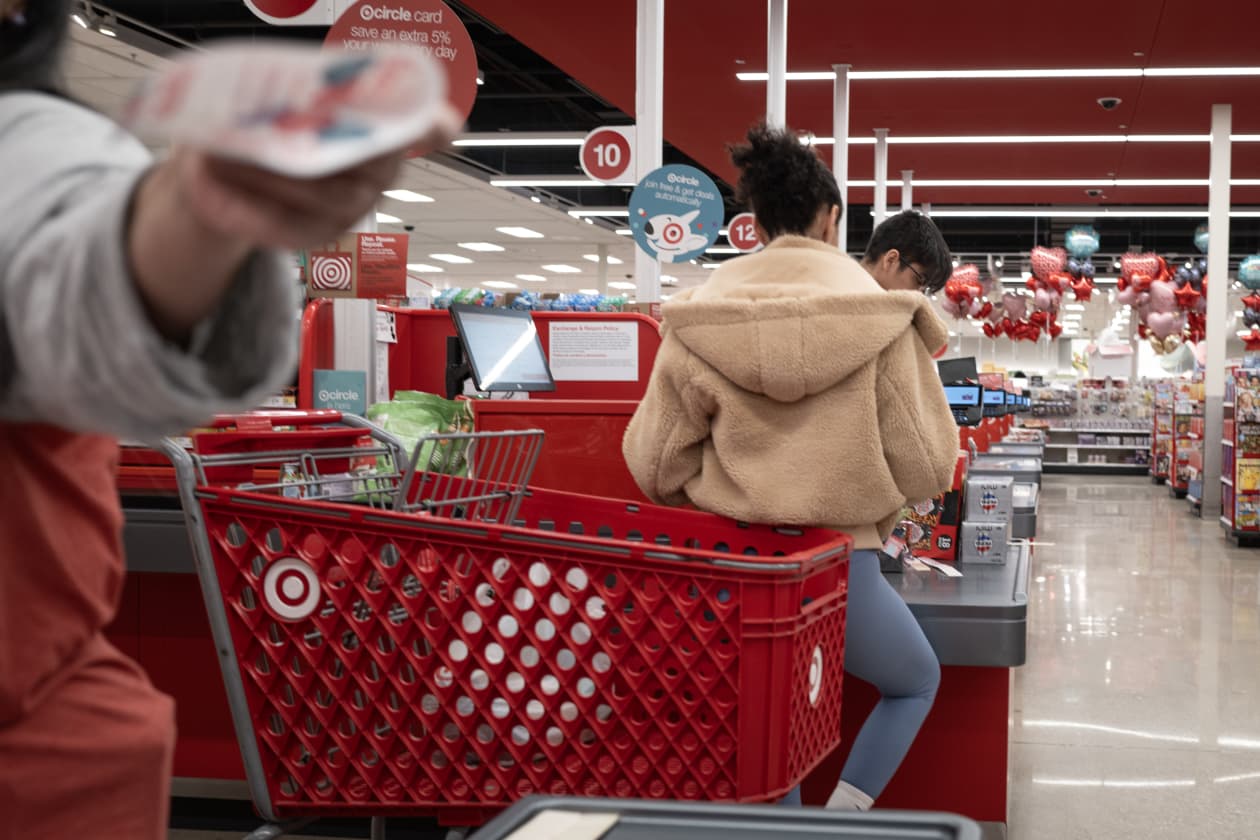
For retail operations experts, Target's recovery reveals three critical O2O opportunities: First, exclusive brand collaboration strategy is proving highly effective. Target's partnerships with Roller Rabbit (apparel/home goods), Pokémon, and Parke (influencer-favorite brand) drove measurable foot traffic increases and expanded customer acquisition across all six merchandising categories. This signals strong demand for curated, limited-edition product experiences that differentiate Target from Amazon and Walmart. Sellers and brands seeking offline presence should prioritize exclusive partnerships with major retailers pursuing "Tarzhay" positioning—premium-budget positioning that resonates across income segments. Second, supply chain visibility directly impacts store traffic. Target's appointment of a former Walmart executive as supply chain head specifically addressed "unreliably stocked shelves" that had damaged customer satisfaction. The company's improved gross margin (29.0% vs. 28.2% prior year) reflects enhanced supply chain productivity. For cross-border sellers, this underscores that inventory accuracy and reliable fulfillment are non-negotiable for retail partnerships. Third, same-day delivery and membership programs are accelerating omnichannel conversion. Target Circle 360 membership drove same-day delivery growth of 27%, while non-merchandise sales (advertising, marketplace, membership) surged 25%. This indicates retailers are shifting from pure retail to platform models, creating opportunities for third-party sellers to access Target's 150+ million customer base through its marketplace and advertising network (Roundel).
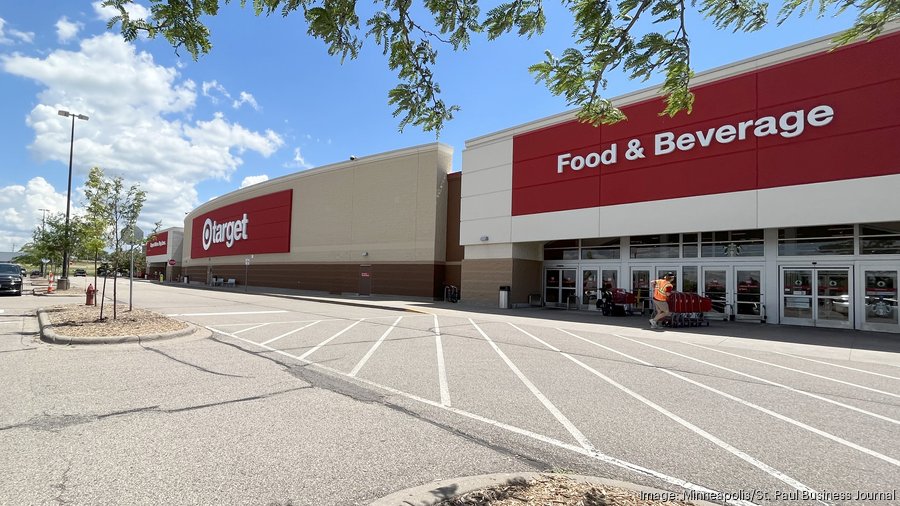
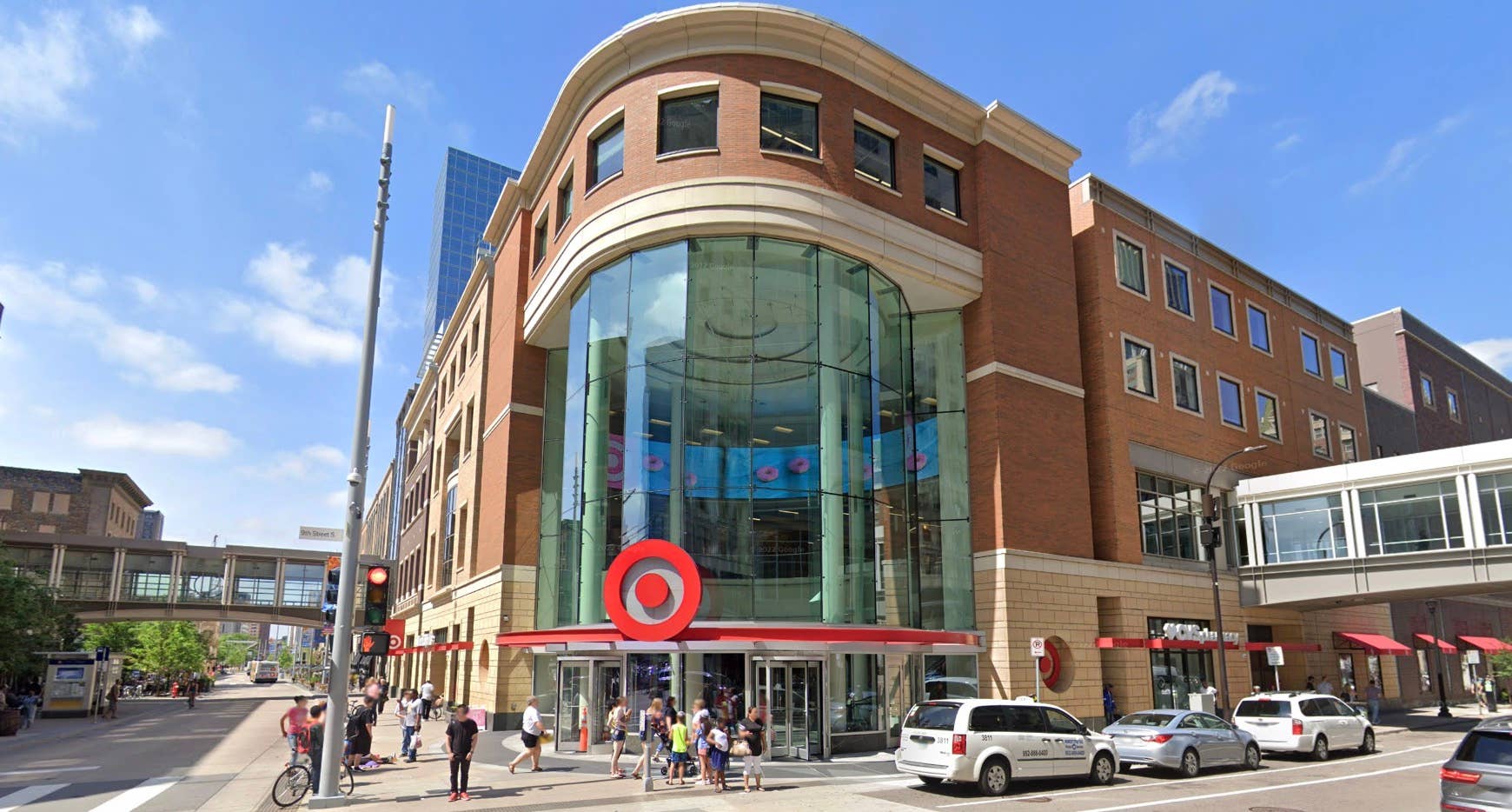
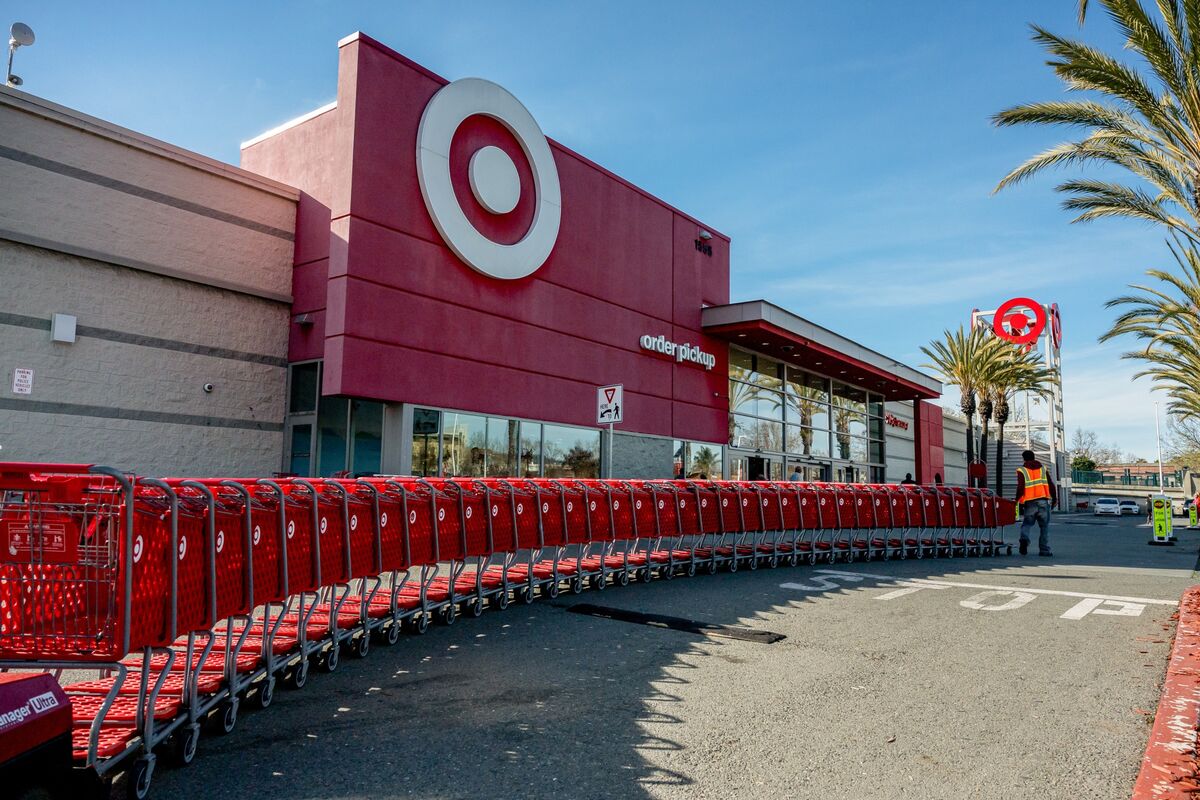
Immediate O2O and retail partnership implications: Target is opening 7 new stores and completing 100+ remodels quarterly, with capital expenditures increasing 31% to $1.0 billion annually. The company plans its "largest food and beverage transition in over a decade" and is launching Target Beauty Studio across 600+ stores in 2026. These physical expansion initiatives create immediate opportunities for suppliers and brands to secure shelf space, pop-up locations, and exclusive in-store experiences. The company's emphasis on "trend-driven merchandising" and "exclusive brand collaborations" indicates openness to vendor partnerships for limited-edition products, seasonal collections, and category-specific showrooms. For sellers targeting toys (expanded selections under $10), health and wellness, baby products, and beauty categories—all showing strong Q1 performance—Target represents a high-ROI retail partnership opportunity. The retailer's success in attracting price-conscious consumers despite elevated energy costs (gasoline prices up from geopolitical tensions) suggests resilient demand across income segments, making Target an attractive channel for value-oriented brands and cross-border sellers offering differentiated products in discretionary categories.
Questions 7
How does Target's brand repositioning as 'Tarzhay' affect pricing and positioning strategies for seller partnerships?
Target is reclaiming its 'Tarzhay' reputation for 'stylish, budget-friendly merchandise,' emphasizing premium positioning within the discount retail segment. The company's success in attracting price-conscious consumers despite elevated energy costs indicates strong demand for value-oriented products with design appeal. For sellers, this means Target seeks brands that offer: (1) differentiated design or exclusive features (not commodity products), (2) price points 10-20% below department store equivalents but 5-10% above pure discount retailers, and (3) appeal to middle-income consumers ($40K-$100K household income) seeking style without luxury pricing. Sellers should position products as 'affordable luxury' or 'trend-forward value' rather than pure budget offerings. This positioning supports 25-35% higher retail margins than Walmart partnerships while maintaining Target's value-conscious customer appeal.
What are the key timelines and capital requirements for securing retail partnerships with Target in 2026?
Target is executing 100+ store remodels quarterly and opening 7 new stores per quarter, with $5 billion annual capital expenditure (up $1 billion from prior year). The company plans its 'largest food and beverage transition in over a decade' and is launching Target Beauty Studio across 600+ stores in 2026. For sellers seeking partnerships, key timelines are: (1) Q2-Q3 2026 for beauty category partnerships (Beauty Studio launch), (2) Q3-Q4 2026 for holiday toy and gift partnerships (expanded toy selections under $10), and (3) ongoing for health/wellness and baby categories. Typical partnership setup requires 60-90 days for negotiation, product approval, and shelf-ready packaging. Sellers should initiate outreach immediately to secure Q2-Q3 placement windows, as Target's renewed momentum is attracting increased vendor interest.