



Conservative Tide Rises: Chile's Rightward Swing Signals Regional Transformation
- Emerging political realignment exposes deep social tensions around migration and security












Overview
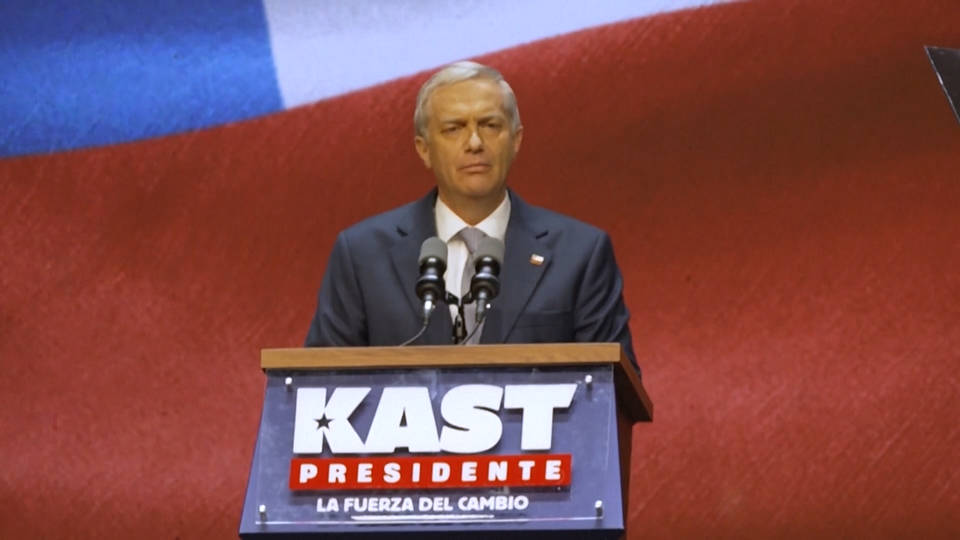
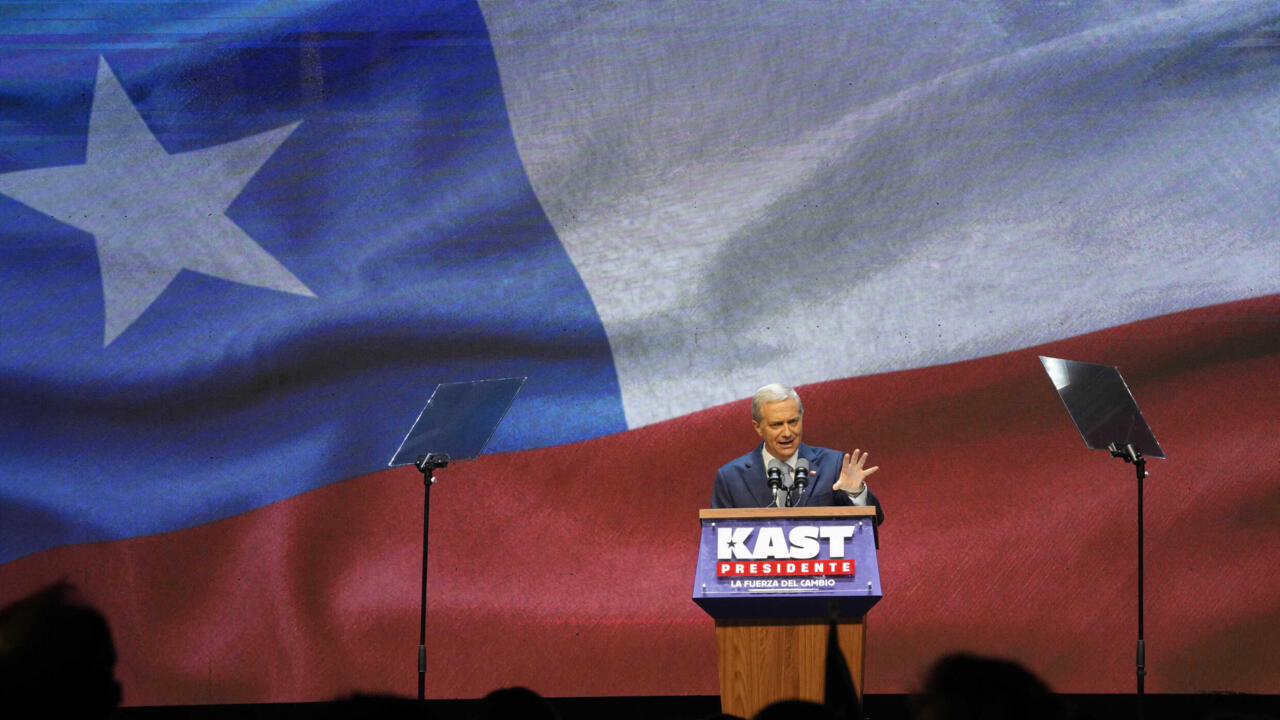
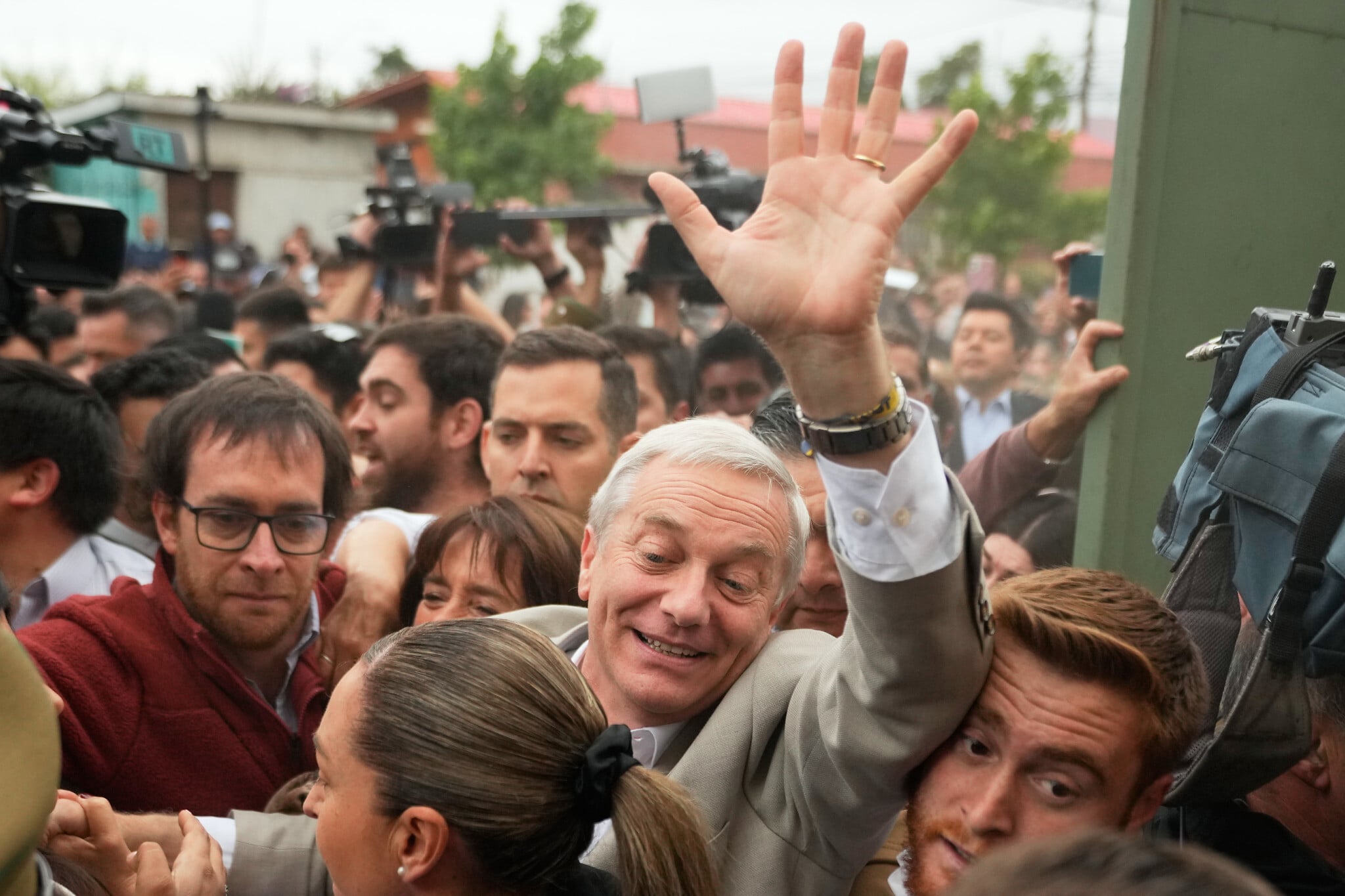
Chile's recent presidential election marks a pivotal moment in Latin American political dynamics, revealing profound shifts in regional governance and social attitudes. The election of José Antonio Kast represents more than a simple political transition—it signals a fundamental recalibration of national security and immigration policy driven by growing public anxieties.
The migration landscape is undergoing a dramatic transformation, with Chile experiencing a 46% increase in undocumented migrants since 2018. This surge has created complex economic and social pressures that are reshaping political discourse. Kast's hardline platform, focusing on border security and migrant control, emerges from a deeper societal tension between economic necessity and perceived cultural threat.
Economic implications are particularly nuanced. Business owners like Carlos Alberto Cossio warn that aggressive anti-migration policies could severely disrupt critical sectors like agriculture, which heavily rely on migrant labor. This creates a strategic paradox: while public sentiment demands stricter border controls, the economic ecosystem depends on the very population being targeted. The Venezuelan migrant population, now comprising nearly two million people in Chile, sits at the epicenter of this complex dynamic.
The broader regional context is equally significant. Kast's victory is not an isolated event but part of a wider conservative political swing across Latin America, including similar trends in Argentina, Bolivia, and Ecuador. This suggests a systematic reconfiguration of political priorities, where security and cultural preservation are increasingly trumping traditional economic considerations.
However, the practical implementation of Kast's ambitious proposals remains uncertain. Without a congressional majority and facing diplomatic challenges—such as Venezuela's refusal to accept deportees—his most extreme policy proposals will likely require significant negotiation and moderation. This political constraint highlights the gap between rhetorical ambition and practical governance.
Strategic Outlook: Monitor the delicate balance between security rhetoric and economic pragmatism. Anticipate potential policy compromises that balance migration control with economic sustainability. Organizations and businesses operating in Chile should prepare for a potentially volatile regulatory environment with shifting immigration frameworks.
Questions 3
What are the key economic implications of Kast's proposed migration policies?
Kast's strict migration policies could significantly disrupt sectors like agriculture that rely heavily on migrant labor. While addressing public security concerns, these policies risk creating economic instability by removing a crucial workforce, potentially causing labor shortages and increased production costs.
How likely are Kast's most extreme migration proposals to be implemented?
Implementation is unlikely to be straightforward. Without a congressional majority and facing diplomatic challenges like Venezuela's refusal to accept deportees, Kast will need to negotiate and moderate his most extreme proposals. Expect a more nuanced approach that balances security rhetoric with practical governance.