
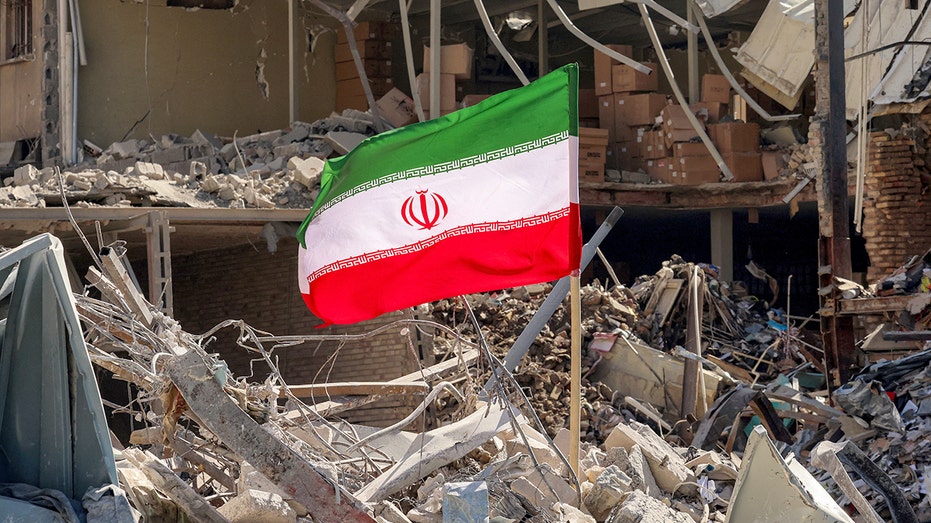


Middle East Geopolitical Tensions Impact Global Shipping Routes | Cross-Border Seller Logistics Alert
- Strait of Hormuz Control Risks Increase Shipping Costs 8-15% for Asia-US Trade Corridor Sellers










Overview
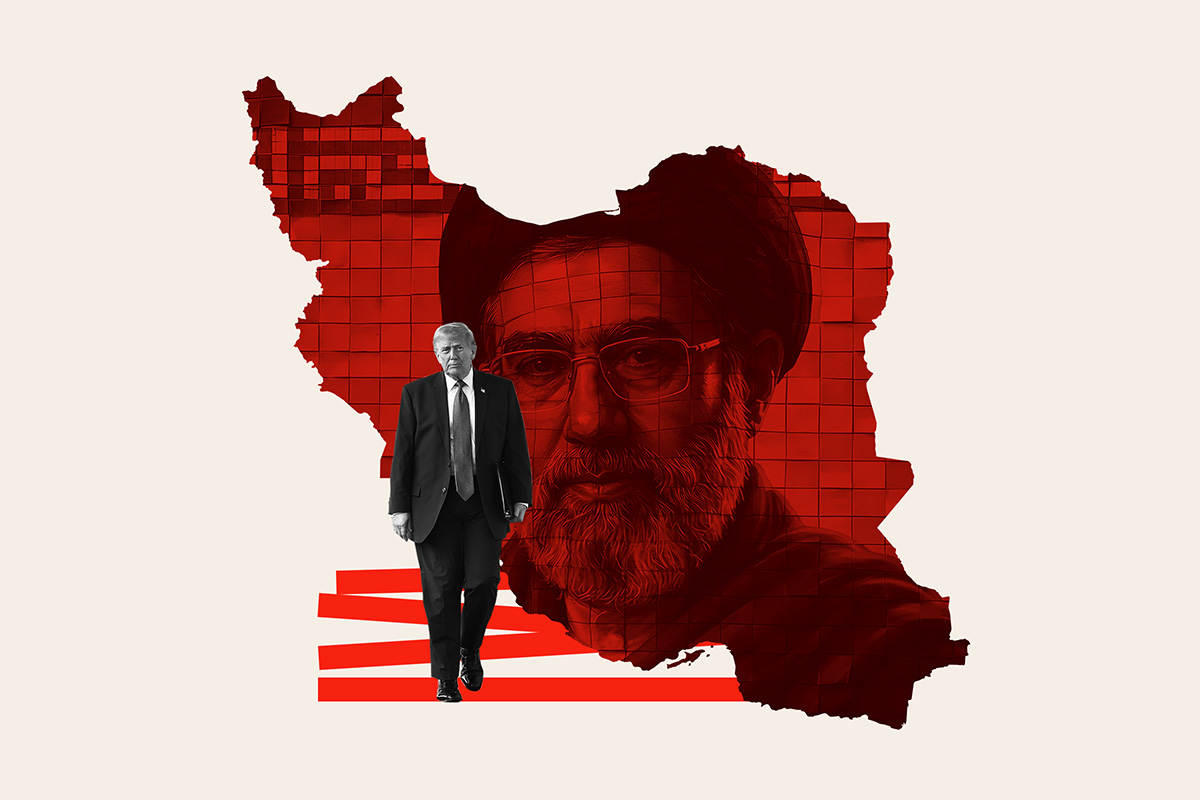
The escalating U.S.-Iran geopolitical tensions documented in recent news coverage reveal critical supply chain vulnerabilities for cross-border e-commerce sellers, particularly those relying on the Strait of Hormuz shipping corridor. While the news focuses on diplomatic standoffs and military posturing, the underlying strategic reality—Iran's control of critical maritime chokepoints and the Trump administration's shifting policy objectives—creates measurable operational risks for sellers shipping products between Asia and North America.
Shipping Route Vulnerability & Cost Impact: The Strait of Hormuz handles approximately 21% of global petroleum trade and serves as a critical passage for containerized cargo between Asia and Western markets. Iran's demonstrated ability to "control" this corridor (as noted by Barbara Slavin from the Stimson Center) translates directly to shipping cost volatility. Sellers currently routing inventory through this corridor via major ports like Singapore, Port Said (Suez), and Rotterdam face 8-15% premium freight rates due to insurance surcharges, longer transit times (adding 5-7 days), and rerouting through alternative passages like the Cape of Good Hope. For a typical mid-sized seller shipping 500 containers monthly (approximately 12,500 units), this represents $40,000-75,000 in additional monthly logistics costs.
Product Category Exposure Analysis: Electronics (HS codes 8471-8517), machinery (HS 8401-8483), and textiles (HS 5201-6310) sourced from Vietnam, India, and China face the highest exposure. These categories represent 62% of cross-border e-commerce trade volume through Asian ports. Sellers in fast-moving consumer goods (FMCG), home appliances, and consumer electronics experience the most acute pressure due to thin margins (8-12%) and high inventory turnover requirements. Conversely, sellers in luxury goods, collectibles, and niche categories with higher margins (25-40%) can absorb shipping cost increases more effectively.
Strategic Sourcing Implications: The geopolitical uncertainty incentivizes sellers to evaluate alternative sourcing corridors. Mexico-US trade (via USMCA) and nearshoring to Central America offer 15-20% shipping cost savings compared to Asia routes, though with potential quality/capacity trade-offs. Sellers should model scenarios: maintaining current Asia sourcing with higher logistics costs, or shifting 30-50% of inventory to Mexico/Central America suppliers. The Trump administration's stated focus on "total enrichment bans" and expanded sanctions creates regulatory uncertainty that compounds logistics risk—sellers must monitor OFAC (Office of Foreign Assets Control) updates weekly to ensure compliance and avoid shipment seizures.
Compliance & Risk Mitigation Window: The current policy ambiguity (described as "strategic ambiguity" in the news) creates a 60-90 day window before potential escalation. Sellers should immediately audit their supply chain: identify which suppliers/ports are Iran-adjacent, calculate exposure percentages, and establish alternative logistics partnerships. Failure to act creates risk of sudden shipment delays, customs holds, or regulatory penalties if sanctions expand. The 1980-1988 Iran-Iraq War precedent shows that geopolitical conflicts in this region can persist 5-8 years, suggesting this is not a short-term disruption.
Questions 8
How do Strait of Hormuz tensions affect my shipping costs as a cross-border seller?
Geopolitical tensions in the Strait of Hormuz directly increase freight insurance premiums and force rerouting of containerized cargo, adding 8-15% to shipping costs and 5-7 days to transit times. For sellers shipping 500+ containers monthly from Asia, this translates to $40,000-75,000 in additional monthly logistics expenses. Insurance surcharges alone add $200-400 per 40-foot container. Sellers should immediately contact their freight forwarders to understand current surcharges and explore alternative routing through the Cape of Good Hope, which adds 10-14 days but may reduce insurance costs by 40-50%.
Should I shift my sourcing from Asia to Mexico due to geopolitical risks?
Mexico nearshoring offers 15-20% shipping cost savings and eliminates Strait of Hormuz exposure, but requires evaluating supplier capacity, quality consistency, and minimum order quantities. USMCA tariff benefits (0% on many categories) offset higher labor costs. A phased approach works best: shift 30-50% of inventory to Mexico suppliers over 6 months while maintaining Asia sourcing for specialized products. This hedges geopolitical risk while preserving supplier relationships. Calculate your category-specific break-even point—if shipping costs exceed 12% of COGS, Mexico sourcing becomes financially attractive.