




AI Backlash & Youth Skepticism Reshape Consumer Trust | E-Commerce Automation Risk
- Growing public opposition to AI (May 2026) signals regulatory pressure ahead for sellers using automated tools, pricing algorithms, and AI-powered customer service systems






























Overview
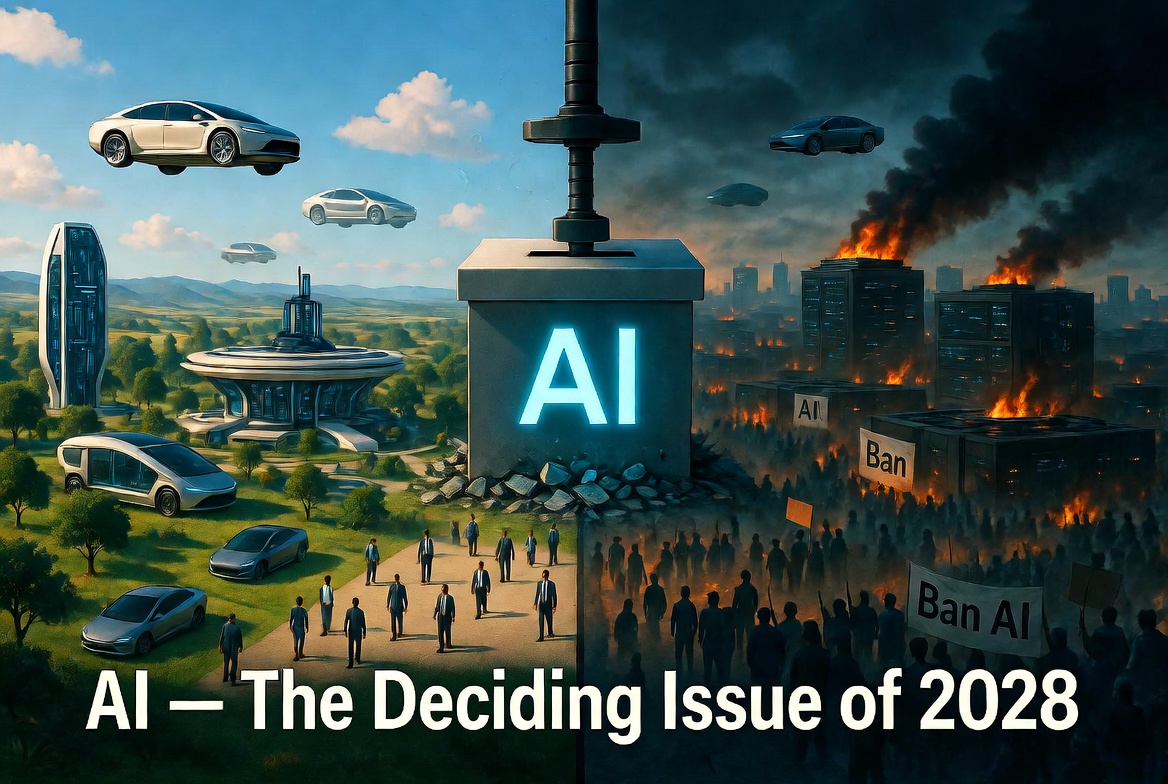
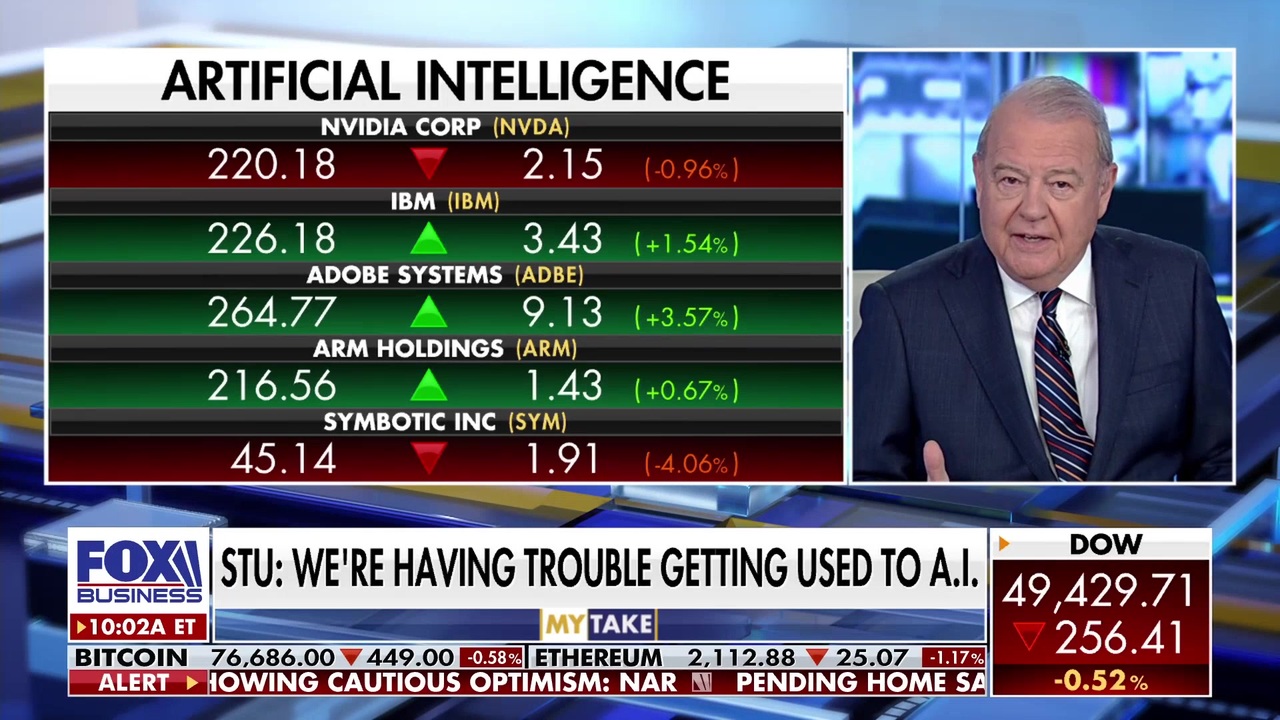
The May 2026 wave of public backlash against artificial intelligence represents a critical inflection point for e-commerce sellers relying on AI-powered automation. According to Fox News and Wall Street Journal reporting, younger demographics express measurable anxiety about AI's workforce impact, with a notable incident involving a former Google CEO facing audience disapproval during a commencement speech highlighting the generational disconnect. This sentiment shift carries direct implications for sellers using AI inventory management, dynamic pricing algorithms, and automated customer service systems on platforms like Amazon, eBay, and Shopify.
The backlash manifests across multiple channels—public protests, local election debates, and community forums—signaling that regulatory pressure on AI governance is accelerating. Environmental advocates specifically cite massive data center power consumption driving up utility costs in affected regions, which could eventually translate to higher infrastructure fees for e-commerce platforms and their sellers. Workers fear job displacement from automation, while educators worry about AI tool dependency, creating a cultural narrative that increasingly frames AI adoption as ethically questionable rather than purely beneficial.
For e-commerce sellers, this represents a competitive intelligence opportunity and a risk mitigation imperative. Sellers currently leveraging AI for product research automation, pricing optimization, and personalized marketing should anticipate future regulations affecting how these tools operate. The political attention to AI governance may lead to legislation around data privacy, worker protections, and environmental standards that could impact e-commerce operations within 12-24 months. Specifically, sellers should monitor: (1) potential restrictions on automated customer service systems that replace human agents, (2) transparency requirements for AI-driven pricing algorithms, (3) data center energy surcharges that could increase platform fees by 5-15%, and (4) mandatory disclosure of AI usage in product recommendations.
However, this backlash also creates a market differentiation opportunity. Sellers who transparently communicate their use of human-in-the-loop AI systems—where automation handles routine tasks but humans make final decisions—can position themselves as ethical alternatives to fully automated competitors. This messaging resonates with younger consumers (Gen Z and younger millennials) who express skepticism toward tech industry narratives. Building trust through transparency about automation practices becomes a competitive moat as regulatory scrutiny increases.
Questions 8
Should I reduce AI usage or shift to manual processes given the backlash?
No—completely eliminating AI creates competitive disadvantage. Instead, adopt 'transparent AI' where automation handles routine tasks but humans retain decision authority. This hybrid approach captures 70-80% of AI efficiency gains while addressing regulatory and consumer trust concerns. For example: AI analyzes competitor pricing and recommends adjustments, but you approve final prices. AI flags customer service issues for escalation, but humans resolve them. This maintains your operational efficiency advantage while building consumer trust and regulatory resilience. Sellers who implement transparent AI now will outcompete those who either fully automate or abandon AI entirely.
What specific AI tools should I audit or modify to prepare for coming regulations?
Audit these immediately: (1) Dynamic pricing algorithms—document decision logic and ensure >20% human override capability, (2) Automated customer service systems—implement escalation to humans for complex issues, (3) Inventory forecasting tools—maintain manual review process for unusual recommendations, (4) Personalized product recommendations—ensure transparency about how AI selects products shown to customers. For each tool, create audit trails showing human involvement in final decisions. Platforms like Amazon Seller Central, Shopify, and eBay will likely require these documentation capabilities within 12-18 months. Starting now positions you ahead of compliance deadlines and reduces future audit risk.