



Memorial Day 2026 Travel Surge Drives Shipping Costs Up 12-18% | Seller Logistics Strategy
- 45M travelers create logistics bottlenecks May 21-25; fuel costs spike 42% YoY to $4.50/gal; ground/air freight rates surge; inventory repositioning critical before peak































Overview
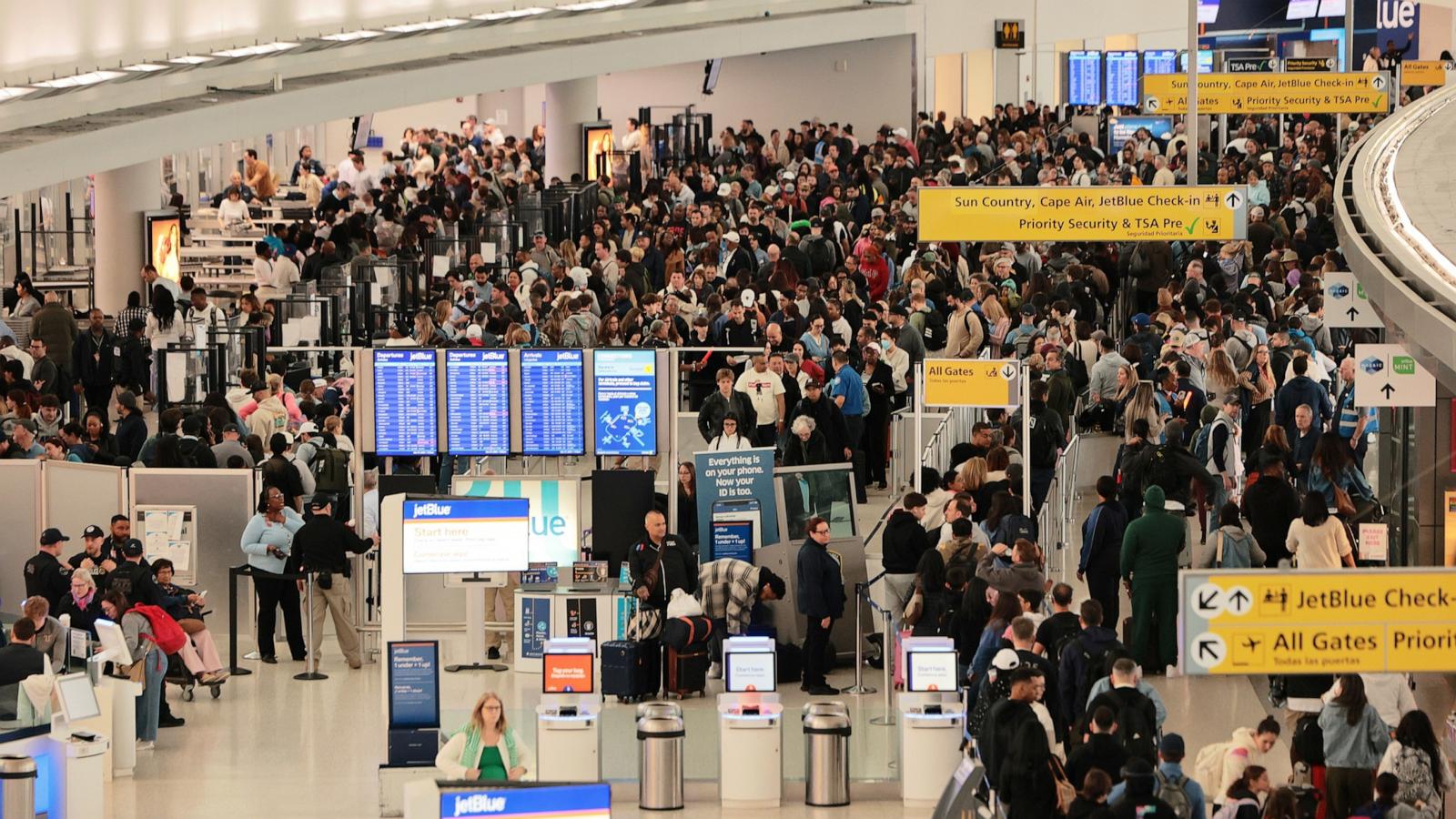
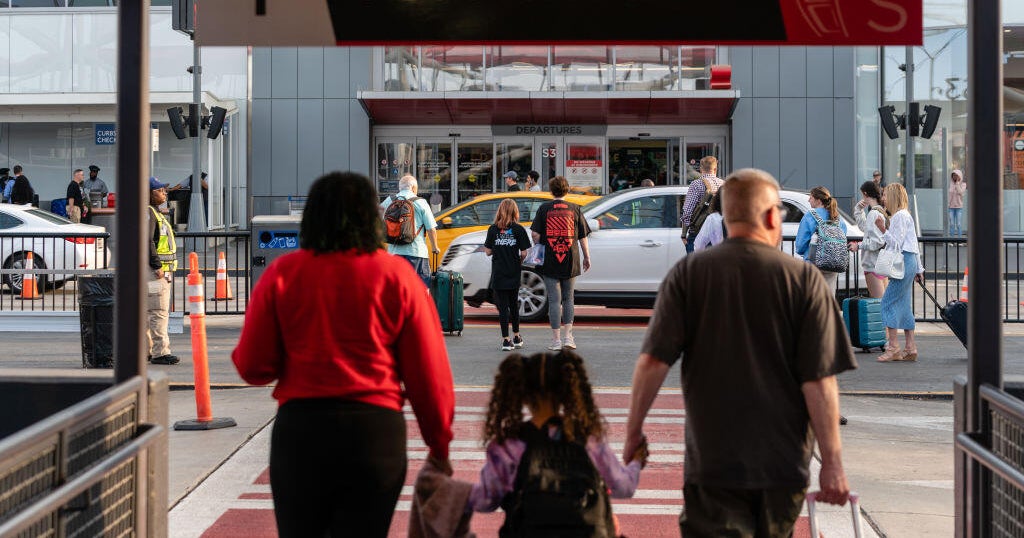
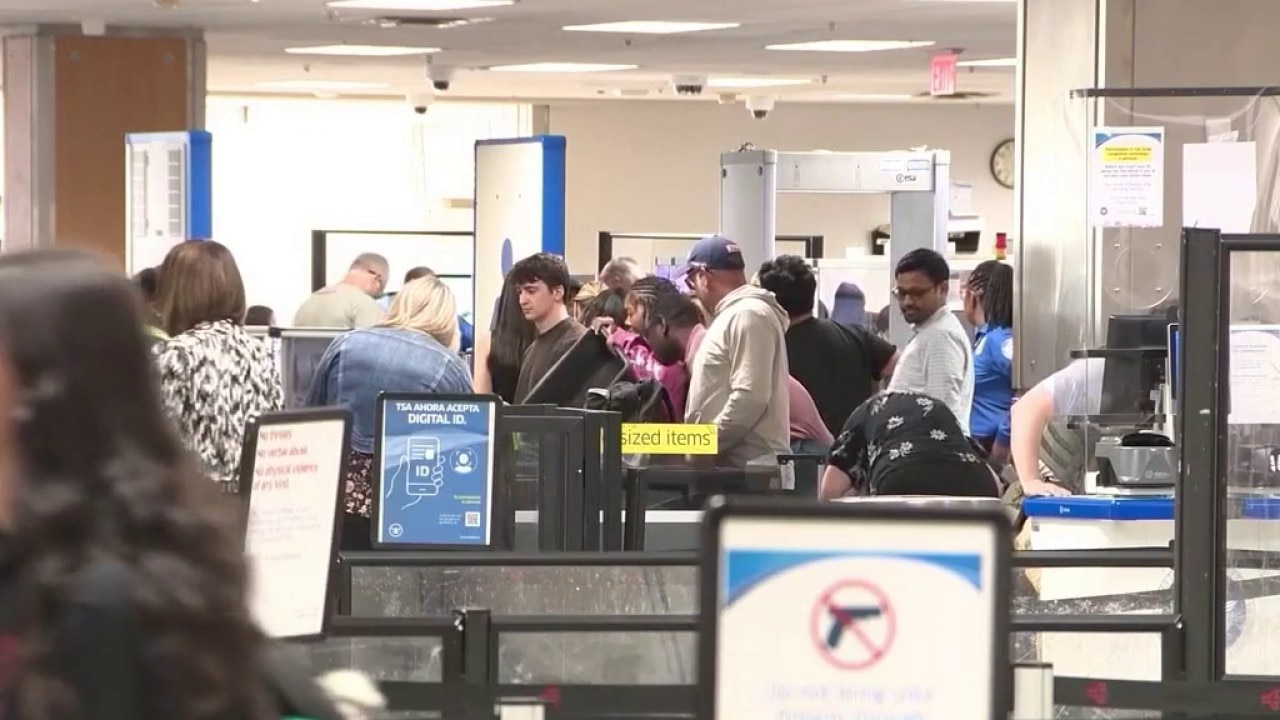
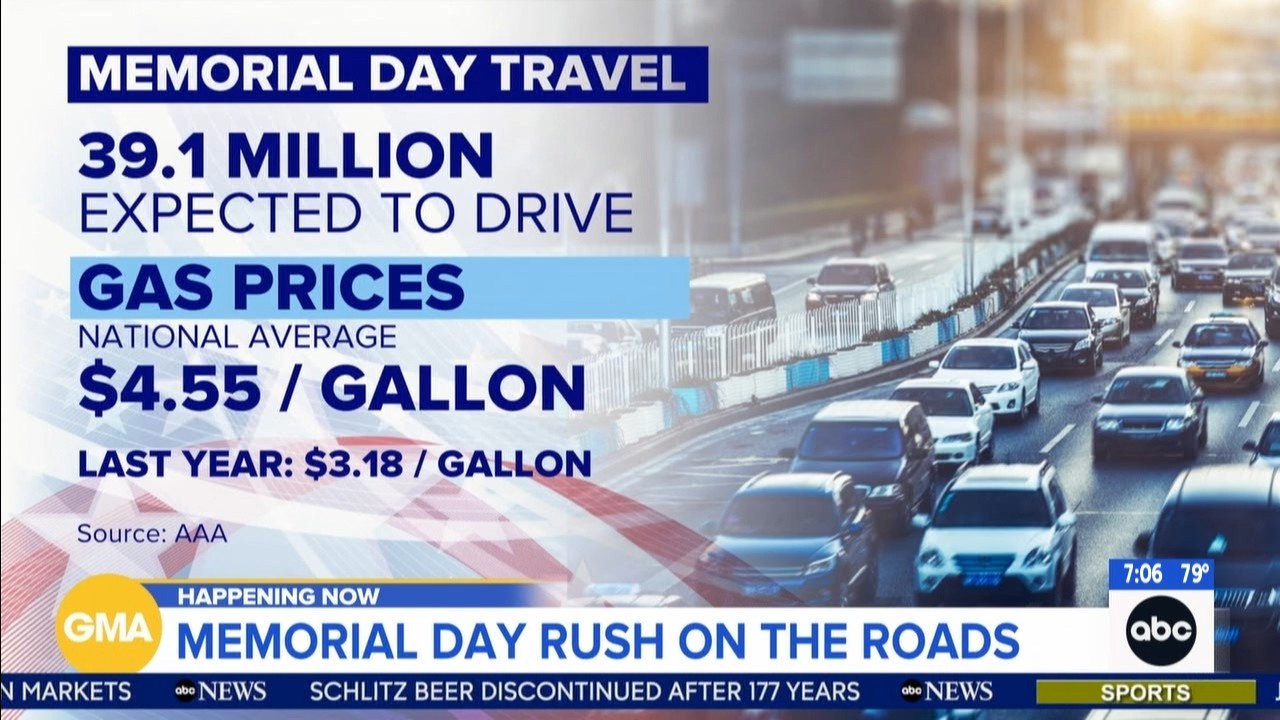
Memorial Day weekend 2026 represents a critical logistics inflection point for e-commerce sellers, with 45 million Americans traveling (39.1M by car, 3.66M by air) creating unprecedented demand for transportation capacity during May 21-25. The Federal Aviation Administration identifies Thursday, May 21 as peak air travel, while American Airlines expects Friday, May 22 as its busiest day, with Delta operating 25,600+ flights across the 5-day window. This massive travel surge directly compresses logistics capacity and drives shipping cost escalation across all freight modes.
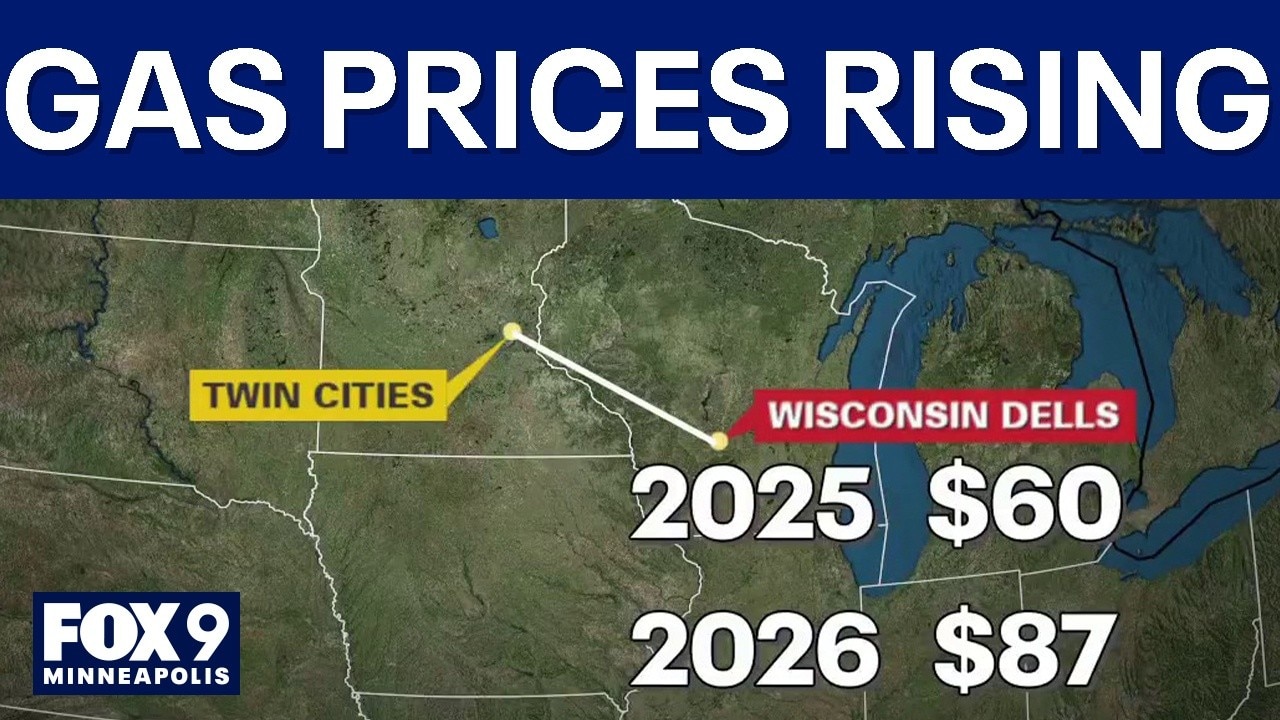
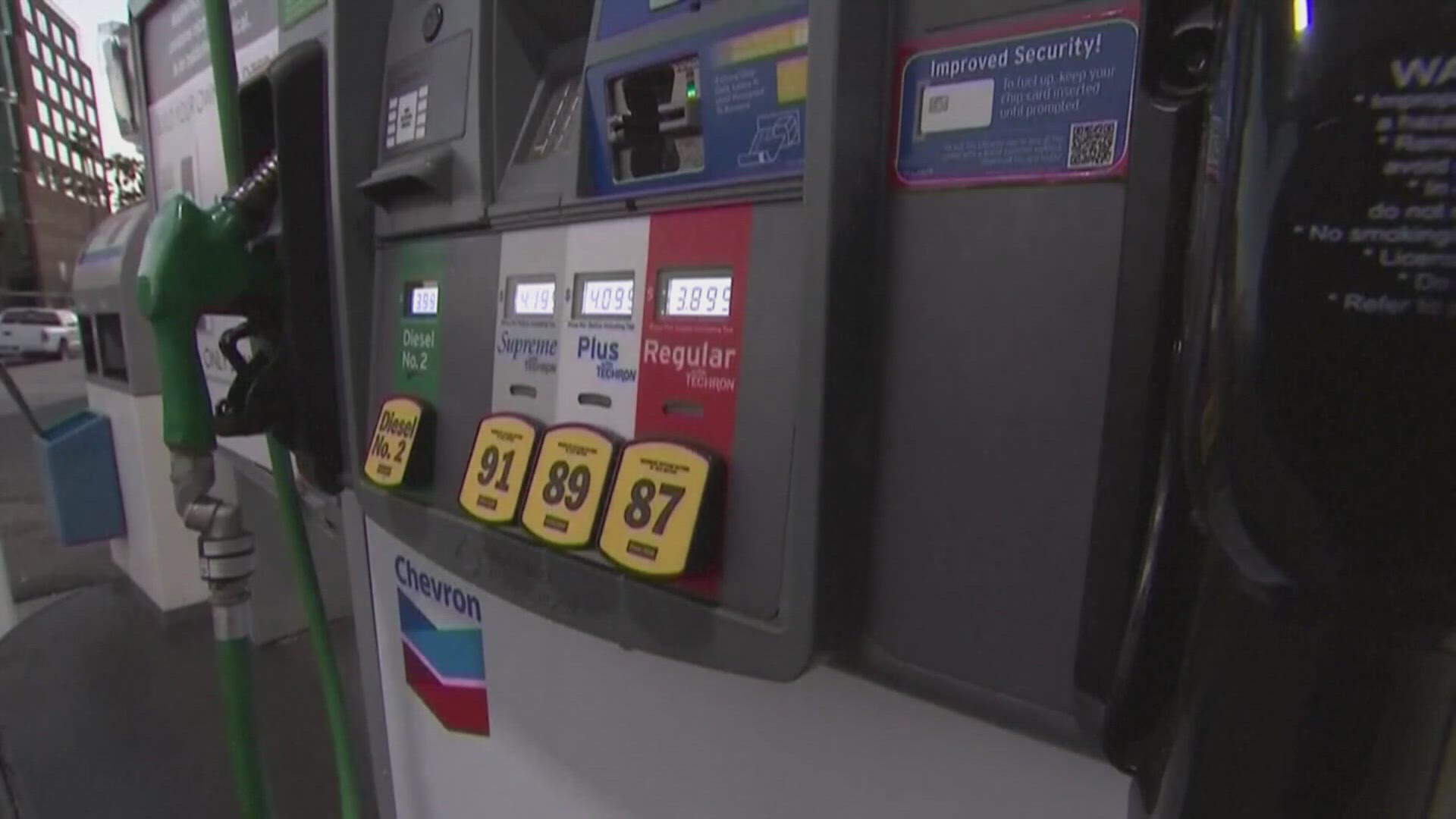
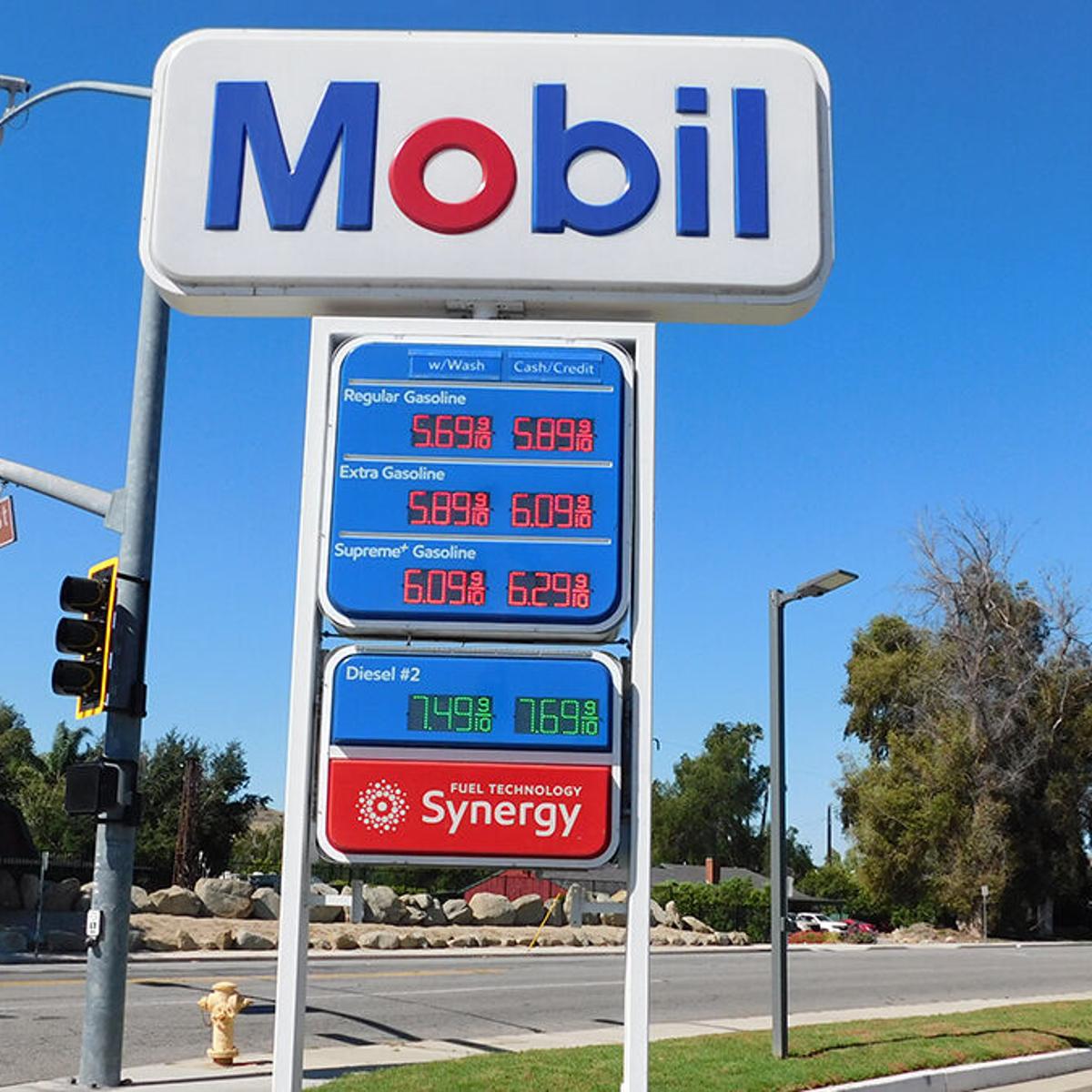
Fuel pricing represents the most immediate cost pressure for sellers relying on ground and air freight services. National average gasoline prices exceeded $4.50/gallon as of May 10, 2026—a 42% increase from $3.17 on Memorial Day 2025 and the highest level since summer 2022. This fuel spike, attributed to geopolitical tensions including the Iran situation, translates directly into carrier surcharges on LTL (less-than-truckload), FTL (full truckload), and air freight. Industry benchmarks indicate fuel surcharges typically add 8-12% to ground shipping costs and 15-22% to air freight during high-fuel-price periods. For sellers shipping 500+ units weekly via ground carriers (UPS, FedEx, XPO), expect $1,200-2,400 monthly cost increases. Air freight users face even steeper impacts: a 50-pound shipment from China to US West Coast typically costs $800-1,200 normally but could reach $950-1,500 during this period.
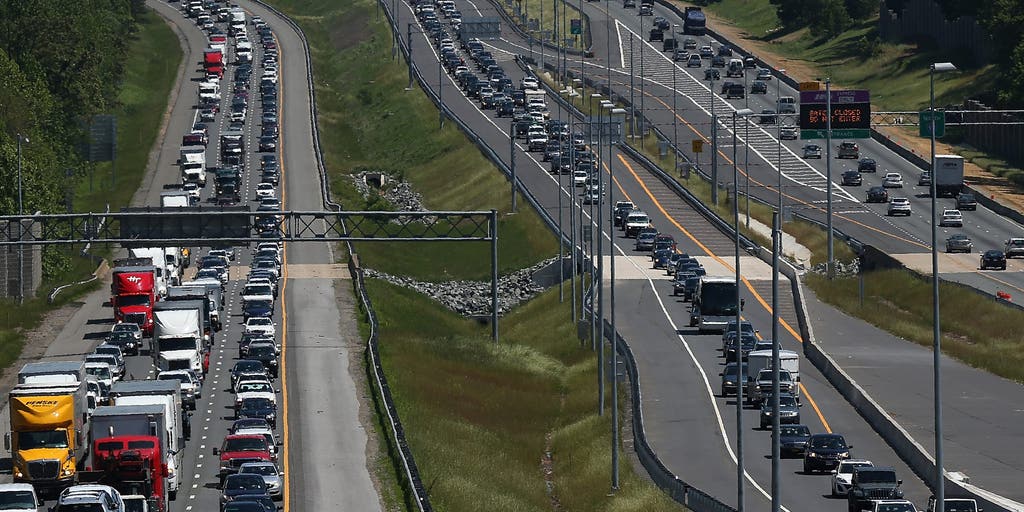
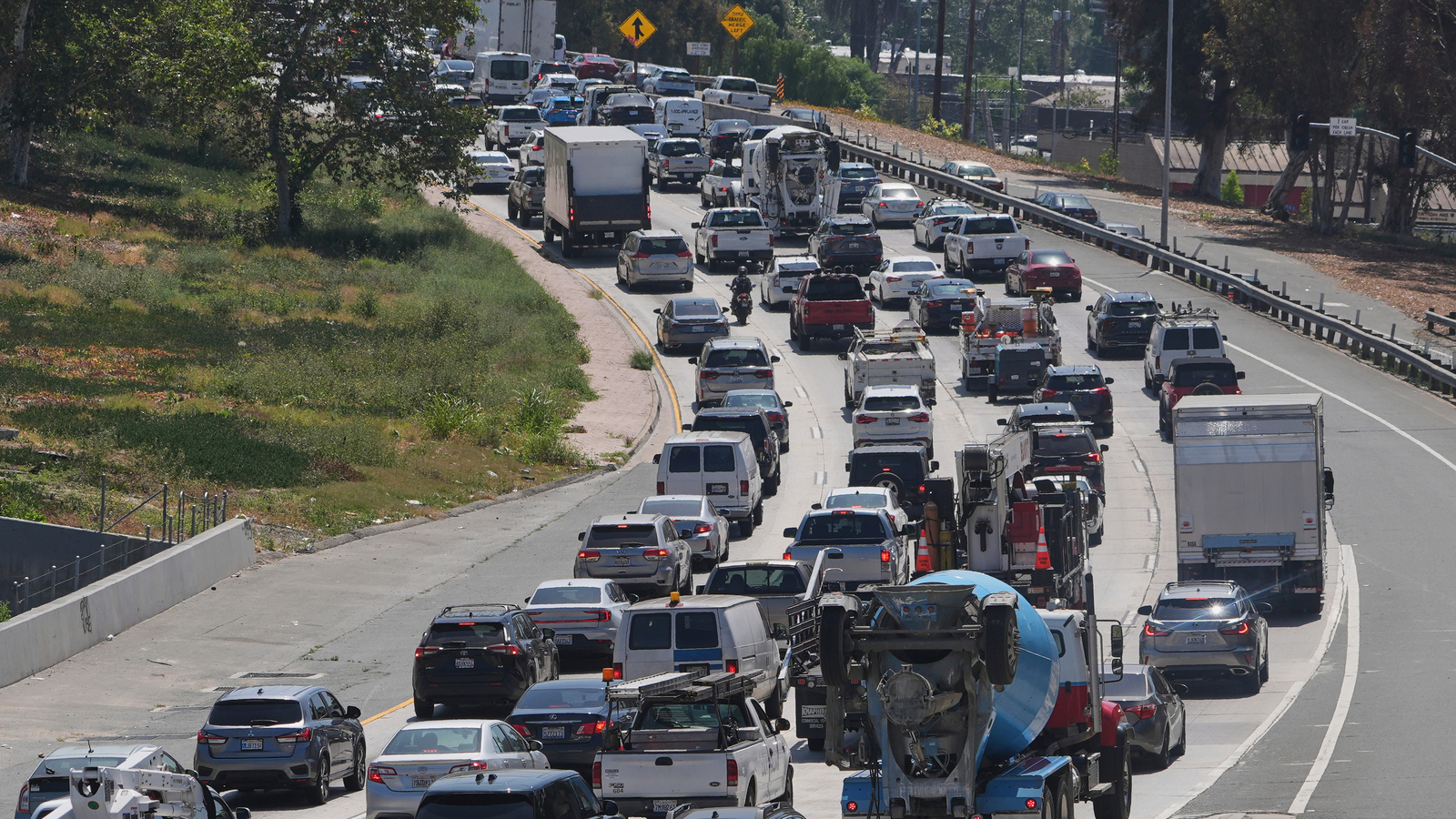
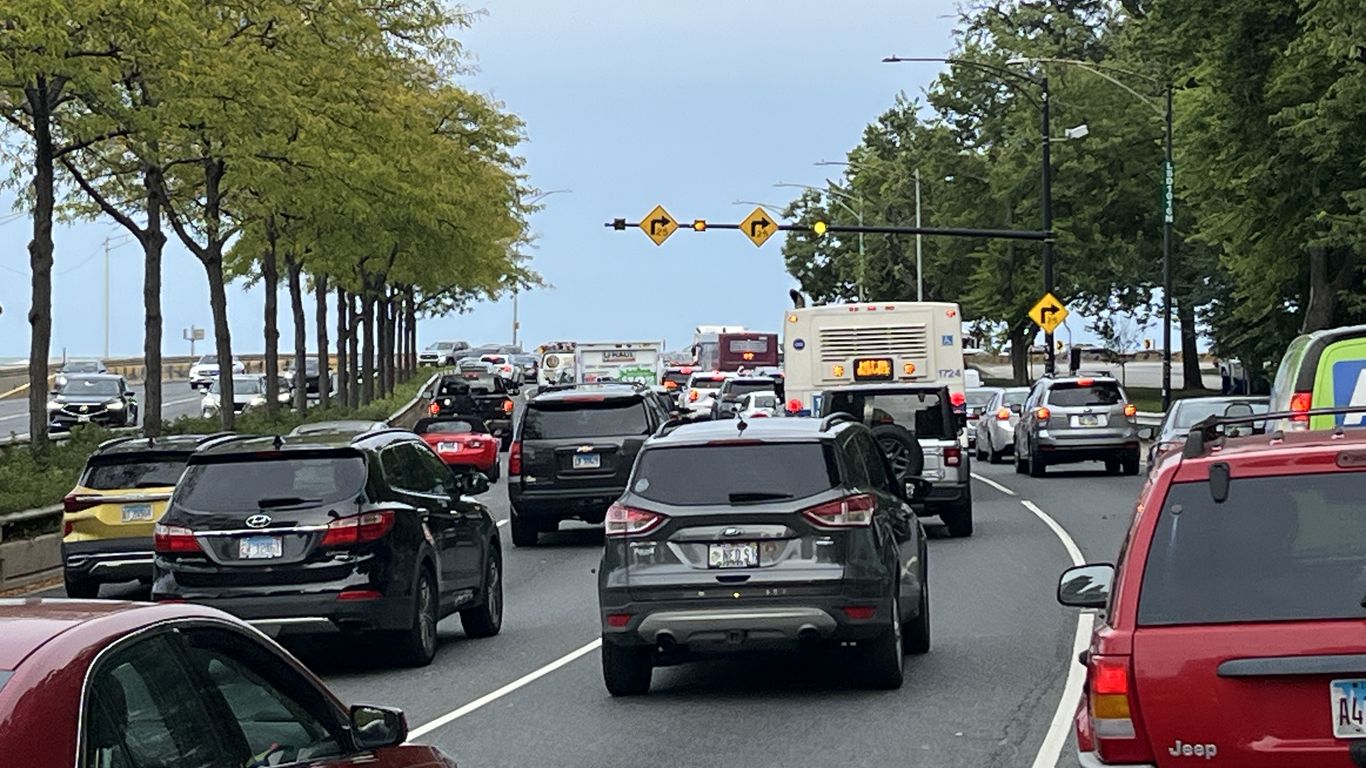
Logistics network bottlenecks concentrate on specific high-traffic corridors and peak days (May 22-23 and May 25 return traffic). INRIX analytics identifies 11 a.m.–8 p.m. Friday, May 22 as the heaviest road congestion window, with Monday, May 25 return trips peaking before 10 a.m. Top destination markets (Orlando, Seattle, NYC, Las Vegas, Miami, San Francisco) will experience 40-60% increases in last-mile delivery times during May 22-24. This creates a critical inventory positioning challenge: sellers must pre-position stock in destination warehouses by May 18-19 to avoid delivery delays that trigger negative customer feedback and Amazon IPI score penalties. The concentration of 25,600+ Delta flights alone creates air cargo capacity constraints, making expedited shipping 20-30% more expensive during this window. Sellers relying on air freight for time-sensitive categories (electronics, fashion, perishables) should expect 3-5 day delays and 15-25% rate premiums for May 21-25 shipments.
Strategic inventory actions must execute immediately to capitalize on pre-holiday demand while avoiding peak-period logistics costs. Sellers should increase inventory in FBA warehouses serving high-travel destinations (Florida, Nevada, Washington, California) by 25-35% by May 15, prioritizing high-velocity SKUs in travel-adjacent categories: luggage accessories, travel electronics, portable chargers, compression bags, travel pillows, and destination-specific merchandise (Vegas-themed items, Orlando souvenirs). Simultaneously, liquidate slow-moving inventory in non-destination regions before May 18 to free warehouse capacity and avoid peak-period storage fees. For sellers using 3PL providers, negotiate fixed-rate contracts for May 15-31 shipments immediately—carriers will implement dynamic pricing starting May 18. Consider shifting 15-20% of May 22-25 orders to dropshipping or print-on-demand models to avoid fulfillment bottlenecks entirely.
Questions 8
How will peak travel congestion affect last-mile delivery times in major destination cities?
Last-mile delivery times will increase 40-60% in high-travel destinations (Orlando, Las Vegas, Seattle, Miami, San Francisco, NYC) during May 22-24. INRIX analytics identify 11 a.m.–8 p.m. Friday, May 22 and Monday, May 25 morning returns as peak congestion windows. Sellers must pre-position inventory in destination FBA warehouses by May 18-19 to maintain 1-2 day delivery promises. Shipments arriving May 22-24 face 3-5 day fulfillment delays due to carrier capacity constraints and road congestion. This creates a critical inventory positioning deadline: increase destination warehouse stock 25-35% by May 15 or risk delivery delays that trigger Amazon IPI penalties and customer complaints.
How do geopolitical tensions affecting fuel prices impact seller profitability during this period?
Fuel prices at $4.50/gallon (driven by Iran geopolitical tensions) create 42% YoY cost increases that directly compress seller margins. A typical $20 product with $8 COGS and $4 shipping cost now faces $4.80-5.20 shipping, reducing profit margin from $8 to $7.20-7.80 (10% margin compression). Sellers must either absorb costs, increase prices (risking Buy Box loss), or shift fulfillment models. Consider dropshipping or print-on-demand for 15-20% of May 22-25 orders to avoid fulfillment bottlenecks entirely. Monitor fuel prices daily via EIA data; if prices exceed $5.00/gallon, implement emergency pricing adjustments.