


Gas Prices Hit $4.48 for Memorial Day 2025 | Seller Logistics & Consumer Spending Impact
- National average up 42 cents YoY to second-highest record; $43B consumer energy cost spike reshapes e-commerce demand patterns and fulfillment economics for 39.1M holiday travelers























Overview
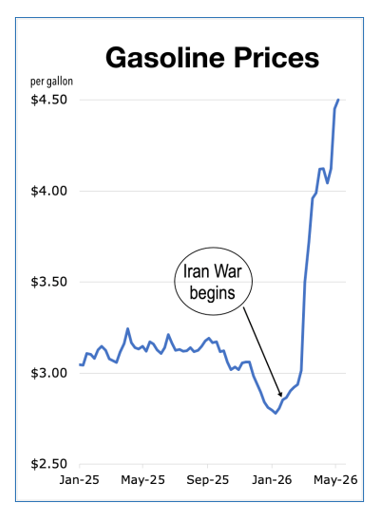
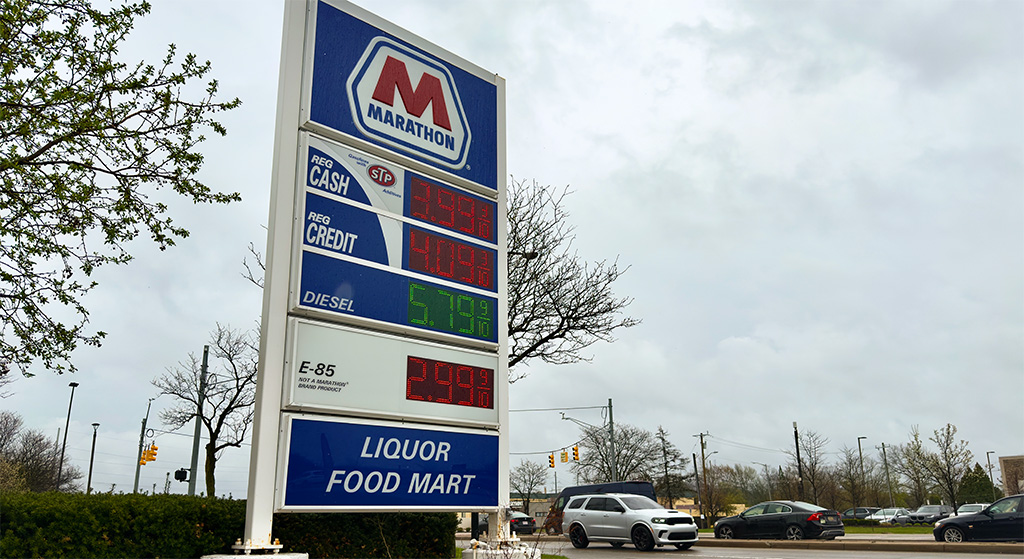
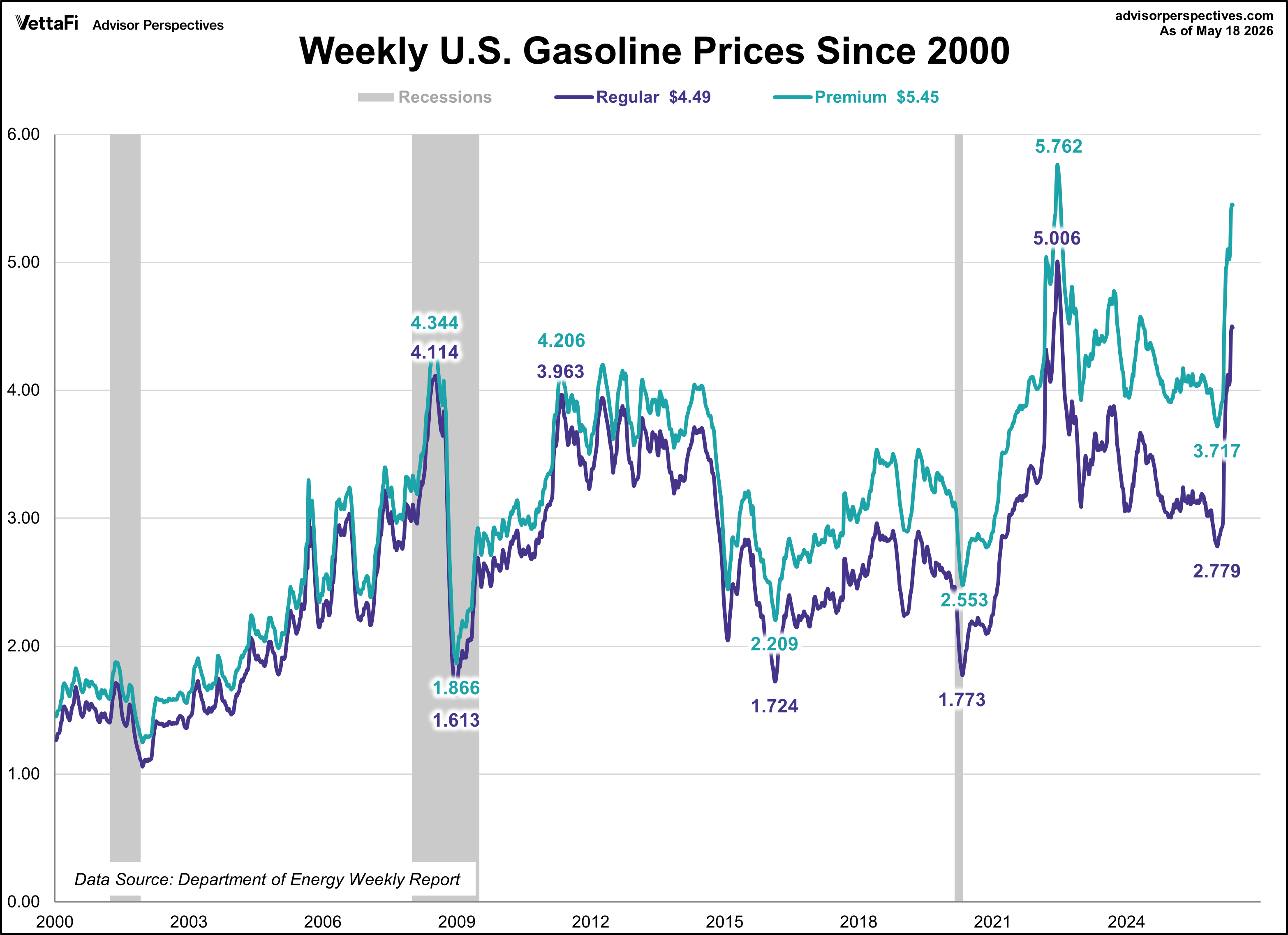
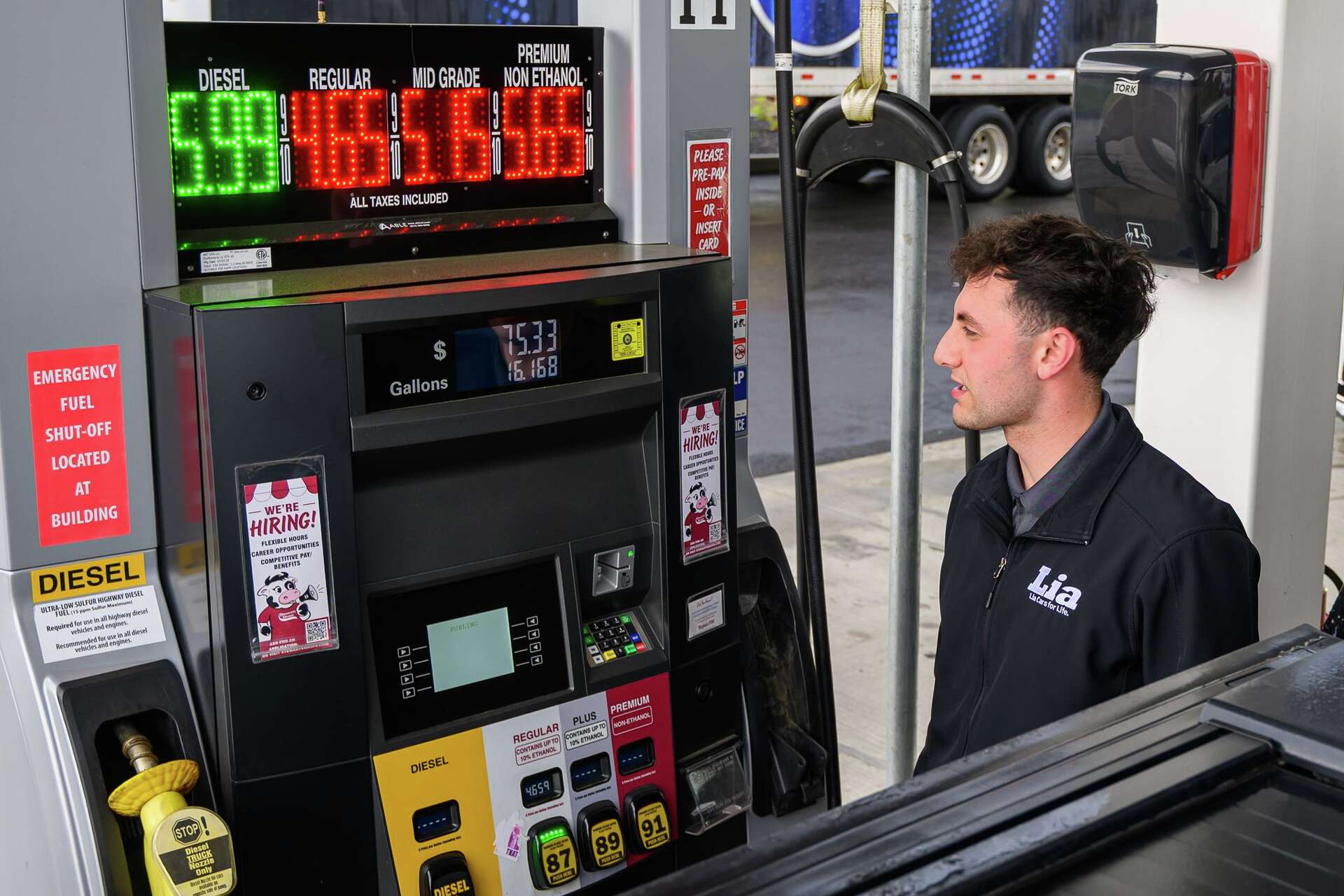
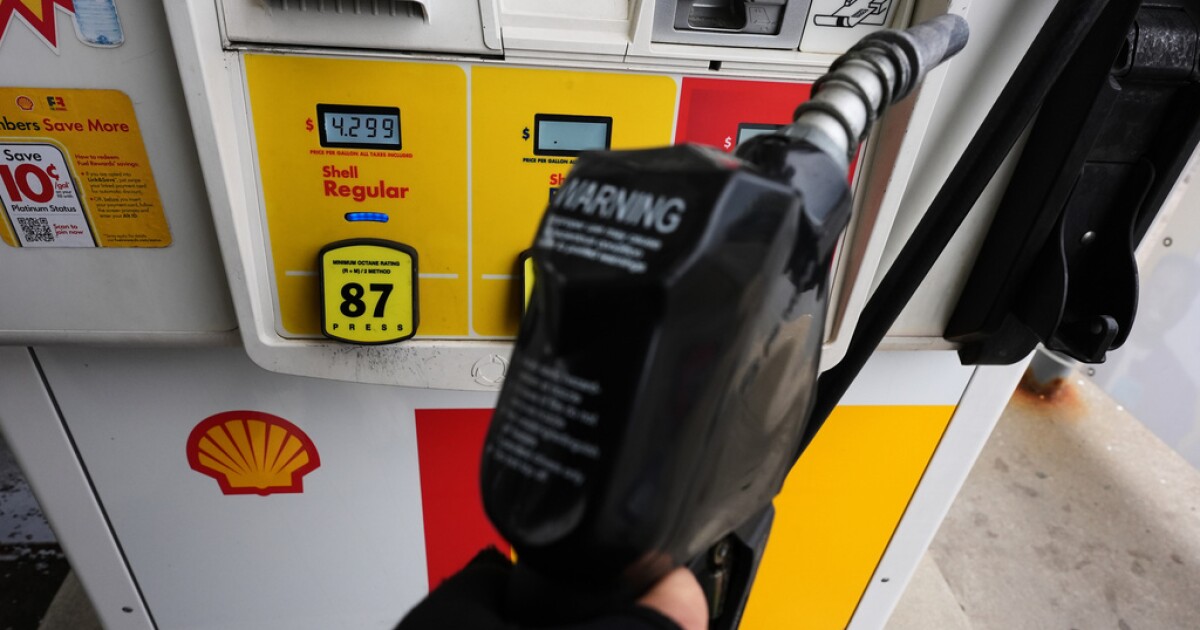
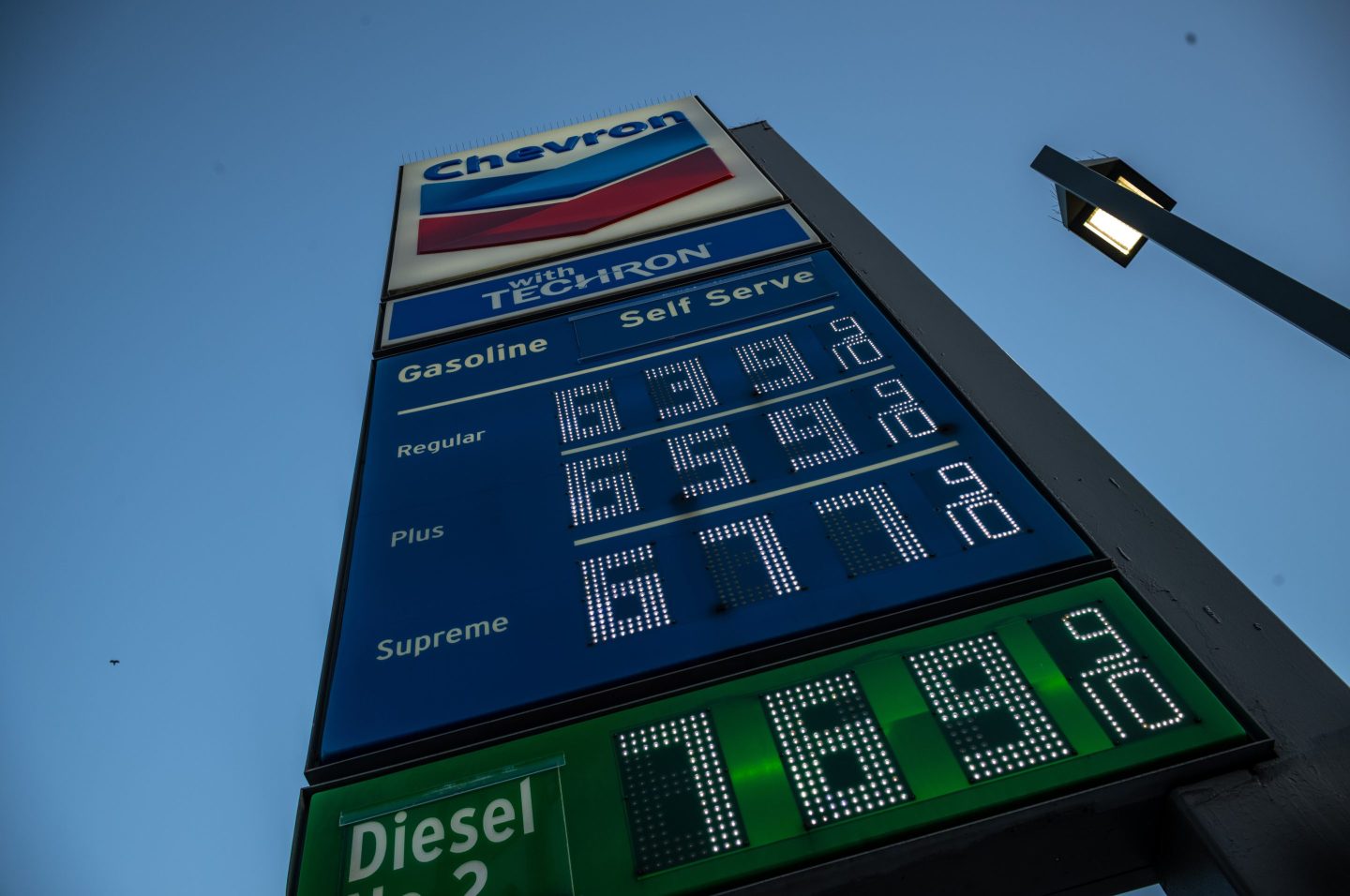
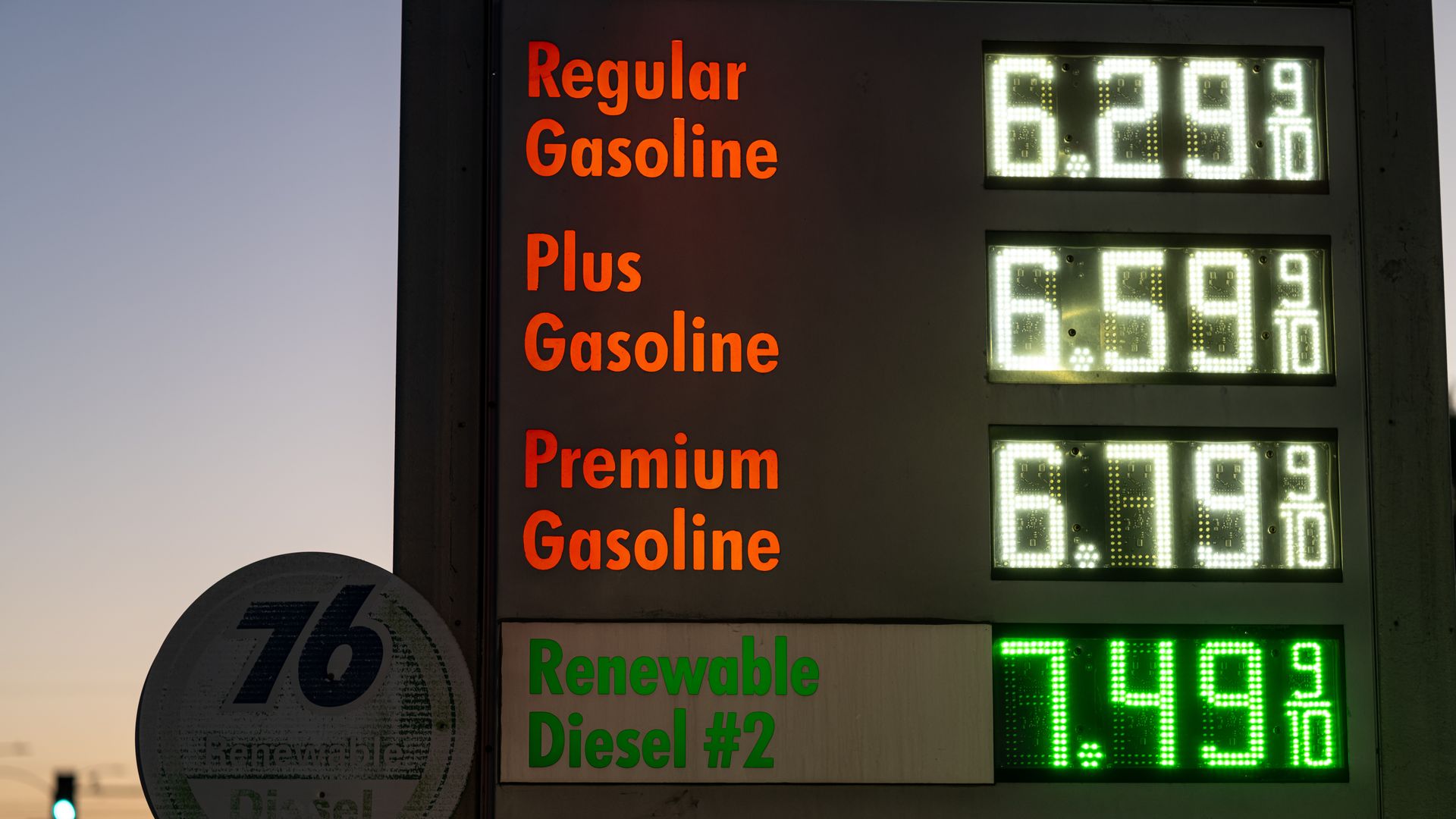
The Memorial Day 2025 gas price surge to $4.48 per gallon—42 cents above 2024 and the second-highest on record—represents a critical inflection point for e-commerce sellers across multiple operational and consumer behavior dimensions. Driven by Middle East geopolitical tensions and Strait of Hormuz supply disruptions, this energy crisis directly impacts three core seller ecosystems: fulfillment costs, consumer purchasing power, and seasonal demand patterns.
Fulfillment Economics Under Pressure: The 10% Strategic Petroleum Reserve decline and record inventory depletion translate directly to increased logistics costs for Amazon FBA sellers, 3PL providers, and last-mile delivery networks. Fuel surcharges on FedEx, UPS, and regional carriers typically increase 8-15% during $4.50+ price environments. For sellers shipping 1,000+ units monthly via FBA, this represents $150-300 additional monthly costs. Smaller sellers using 3PL providers face similar margin compression, with some carriers already implementing temporary fuel adjustment fees of 3-5% on shipments. The White House's emergency measures—Strategic Petroleum Reserve releases, Jones Act waivers, Defense Production Act invocation—provide temporary relief but remain insufficient to prevent sustained cost increases through summer 2025.
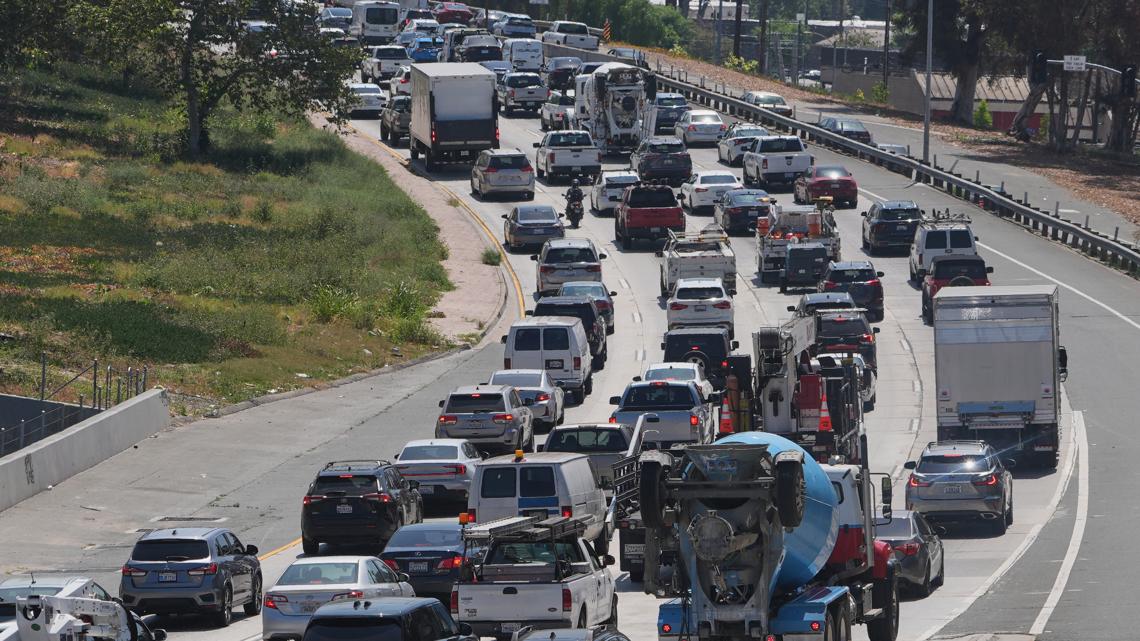
Consumer Spending Reallocation and Demand Shifts: Brown University's $43 billion energy cost spike ($24B gasoline alone, ~$200 per household) fundamentally alters consumer discretionary spending. The CNN poll showing 75% of Americans reporting negative financial effects signals reduced purchasing power, particularly among fixed-income demographics (retirees, seniors) who typically drive Q2 seasonal categories like outdoor furniture, gardening supplies, and home improvement products. However, the record 39.1 million Americans traveling by car this Memorial Day weekend creates countervailing demand: automotive accessories (roof racks, fuel efficiency products), travel-related merchandise (coolers, portable chargers, travel organizers), and convenience items see 15-25% demand spikes during holiday travel periods. Sellers in automotive aftermarket, outdoor recreation, and travel accessories categories should expect elevated traffic but compressed margins due to increased customer acquisition costs and reduced average order values.
Inflation Cascade and Margin Compression: The gas price surge contributed to pushing U.S. inflation to nearly 4% in April, with real wages shrinking for the first time in three years. This creates a dual squeeze: seller input costs rise (manufacturing, materials, shipping) while consumer purchasing power contracts. Amazon sellers face potential margin compression of 5-12% across most categories, with electronics and discretionary goods hit hardest. The approval rating collapse (only 21% approve of Trump's gas price handling) suggests sustained political pressure for price controls or additional interventions, creating regulatory uncertainty for Q2-Q3 2025 planning.
Questions 8
How can sellers capitalize on the 39.1 million Memorial Day travelers through targeted marketing?
The record 39.1 million Americans traveling by car this Memorial Day weekend represent a concentrated demand spike for travel-related merchandise. Sellers should launch targeted PPC campaigns 2-3 weeks before Memorial Day (early May 2025) emphasizing 'road trip essentials,' 'travel organizers,' and 'fuel-efficient driving.' Optimize product listings with seasonal keywords: 'Memorial Day travel,' 'road trip gear,' 'car organization.' Create bundles combining complementary products (cooler + portable charger + travel organizer) at 10-15% discounts to increase average order value. Leverage Amazon's Sponsored Brands campaigns to capture high-intent traffic. Expect 20-30% traffic increases during May 20-27, 2025; ensure inventory is stocked 3-4 weeks prior. Post-holiday (May 28+), expect demand to normalize—plan clearance strategies for excess inventory.
What regulatory risks should sellers monitor given political pressure on gas prices?
Only 21% of Americans approve of Trump's gas price handling, creating political pressure for price controls, additional Strategic Petroleum Reserve releases, or regulatory interventions. The White House has already invoked the Defense Production Act and paused Russian oil sanctions—further interventions could include fuel price caps, export restrictions, or refinery regulations affecting supply chains. Sellers should monitor energy policy announcements weekly and maintain flexible pricing strategies. If price controls are implemented, expect margin compression and potential supply shortages. Consider diversifying supplier bases away from fuel-dependent logistics regions. Subscribe to energy policy alerts from the Department of Energy and Federal Reserve to anticipate regulatory changes affecting Q2-Q3 2025 operations.