



U.S.-Canada Trade Tensions Escalate | Cross-Border Sellers Face Tariff Risk
- Pentagon suspends defense board amid trade renegotiations; sellers shipping to Canada should prepare for potential tariff increases and compliance delays













!role~Preview!mt~photo!fmt~JPEG%20Baseline)
Overview
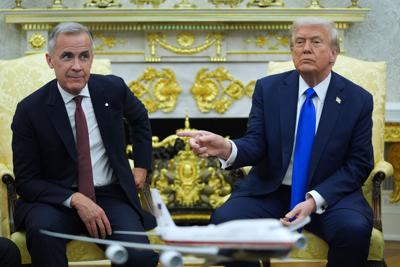
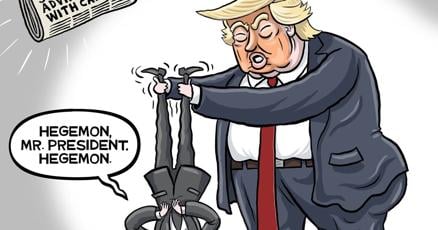
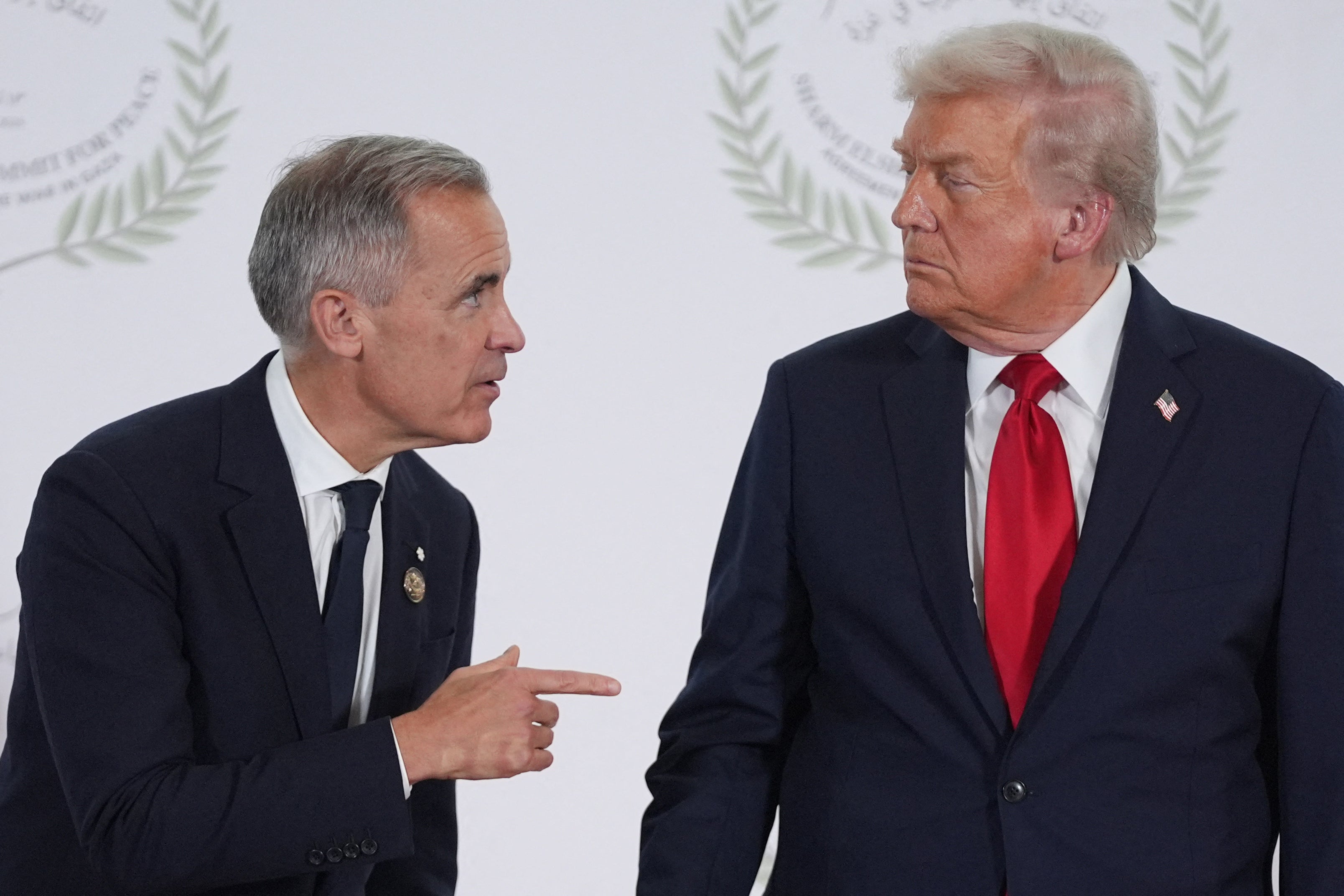
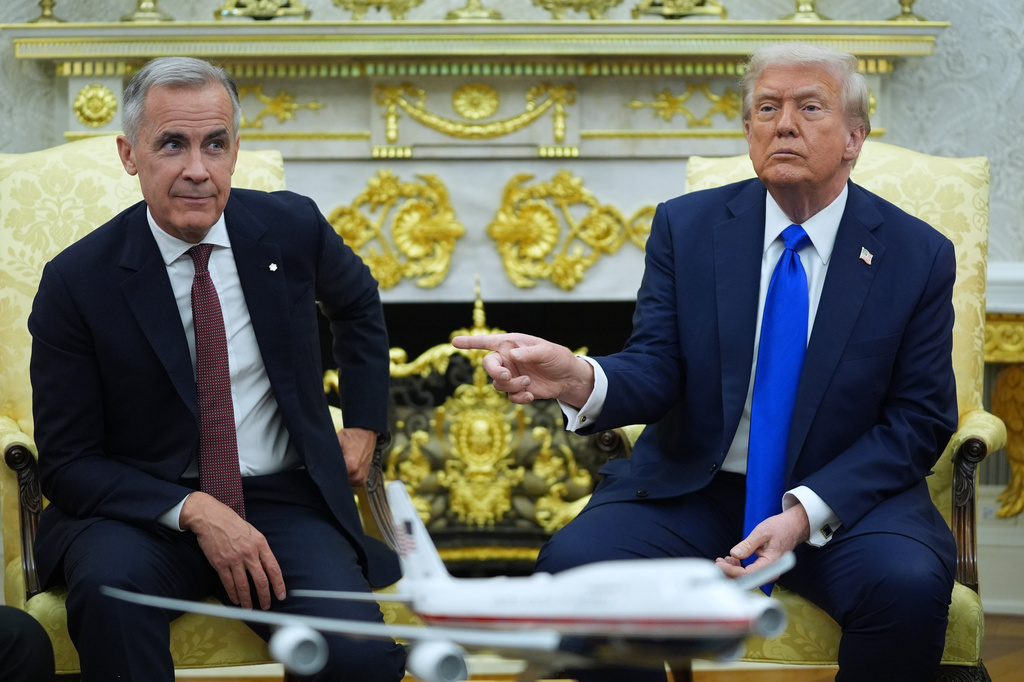
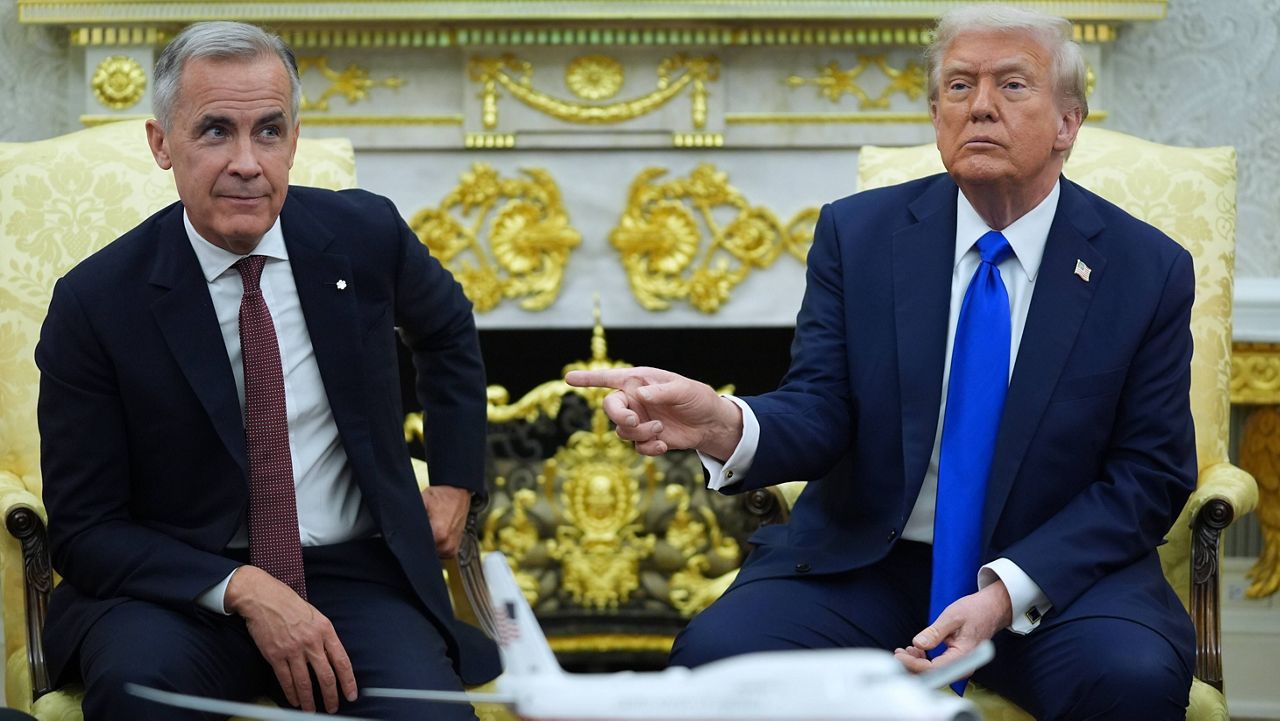
The Pentagon's suspension of the Permanent Joint Board on Defense with Canada signals a critical deterioration in U.S.-Canada relations that directly threatens cross-border e-commerce operations. While the military board suspension carries minimal operational consequences, the underlying tensions—centered on trade agreement renegotiations, defense spending disputes, and strategic procurement decisions—create substantial tariff and compliance risks for sellers. Canada is now spending 2% of GDP on defense ($40 billion NORAD investment), yet Trump administration officials cite insufficient modernization, reflecting broader frustrations over trade imbalances and Canadian "self-reliance" positioning.
The core trade threat: Countries renegotiating USMCA (the successor to NAFTA) typically introduce tariff modifications, non-tariff barriers, and compliance requirements that directly impact cross-border sellers. The news explicitly mentions ongoing trade agreement renegotiations between the U.S. and Canada, suggesting tariff schedules for key product categories are under review. Sellers shipping electronics, machinery, automotive parts, and consumer goods to Canada face potential tariff increases on HS codes currently benefiting from preferential rates. Historical precedent shows trade tensions between these nations result in 5-15% tariff increases on affected categories within 6-12 months.
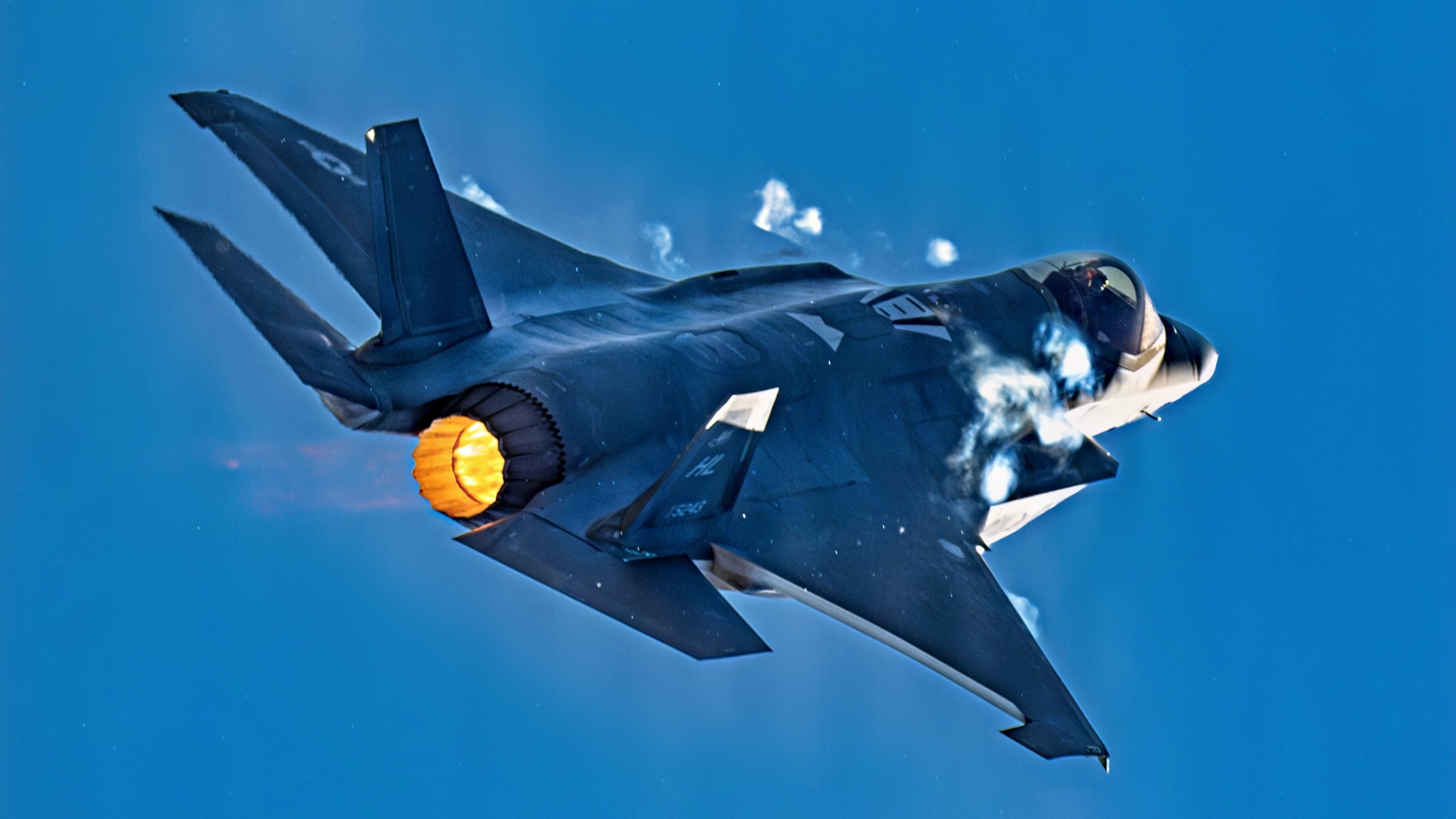
Competitive sourcing implications: Canada's decision to select Australia for Arctic radar systems and reconsider F-35 purchases in favor of Swedish alternatives indicates a strategic shift away from U.S. suppliers. This "self-reliance" positioning suggests Canadian procurement policies will increasingly favor non-U.S. suppliers, creating opportunities for sellers based in Australia, Sweden, and other allied nations. U.S.-based sellers should anticipate reduced market access for defense-adjacent categories (electronics, precision instruments, industrial equipment) while European and Asia-Pacific sellers gain competitive advantages.
Compliance and logistics urgency: The deteriorating relationship increases likelihood of enhanced customs inspections, documentation requirements, and potential delays at U.S.-Canada border crossings. Sellers should expect 3-7 day processing delays for shipments to Canada within 90 days, with possible temporary tariff holds pending trade agreement finalization. The timing window for inventory repositioning is 60-90 days before potential tariff implementation.
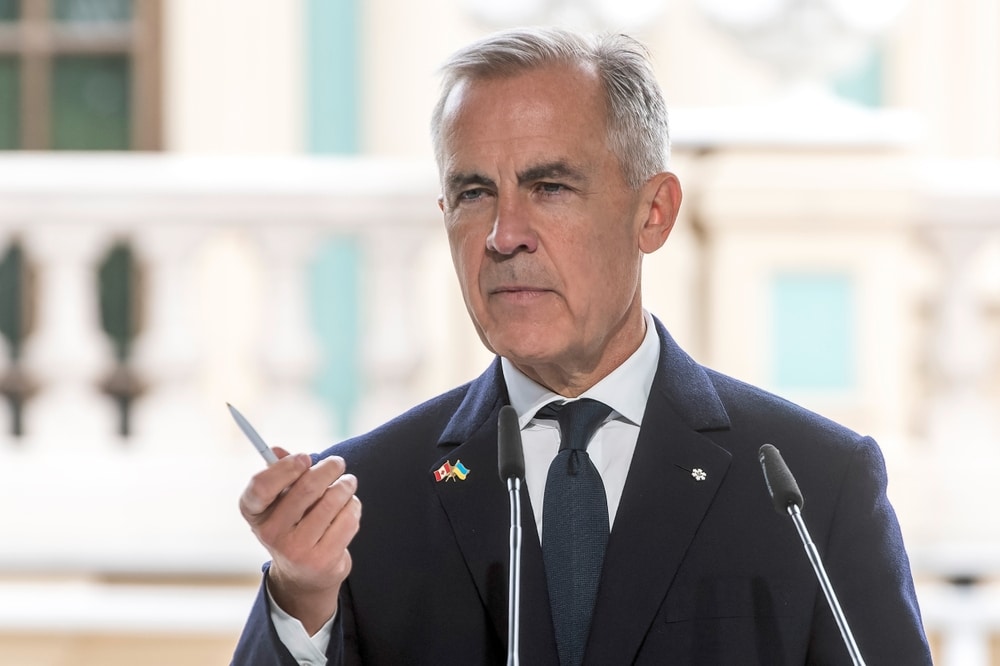
Market access compression: Carney's January WEF remarks about "middle powers creating united fronts against superpowers" signal Canada may pursue trade diversification away from the U.S., potentially accelerating adoption of alternative suppliers from EU, UK, and Asia-Pacific regions. This creates a 6-month window where U.S. sellers can still access Canadian markets at current tariff rates before potential renegotiated schedules take effect.
Questions 8
How do trade tensions impact Amazon FBA Canada and cross-border fulfillment costs?
Amazon FBA Canada fulfillment costs are directly exposed to tariff changes on imported inventory. If tariffs increase 8-12% on electronics and consumer goods, Amazon's landed costs rise proportionally, potentially triggering FBA fee increases of 5-8% within 6 months. Sellers should calculate current tariff costs per unit (tariff rate × landed cost) and model scenarios for 10%, 15%, and 20% tariff increases. For example, a $100 electronics item with 5% current tariff ($5) could face $8-12 tariff costs if rates increase. This compresses margins by 3-7 percentage points. Sellers should consider hybrid fulfillment strategies: use FBA for high-velocity SKUs and 3PL for slower-moving inventory to optimize tariff exposure. Monitor Amazon Seller Central announcements for FBA fee adjustments tied to tariff changes.
What sourcing countries should sellers consider as alternatives to U.S. suppliers?
Canada's strategic pivot toward Australia and Sweden, combined with Carney's 'middle powers' positioning, signals preference for non-U.S. suppliers. Sellers should evaluate sourcing from: Australia (preferred for defense-adjacent products), Sweden (electronics, machinery), EU nations (Germany, Netherlands for industrial goods), and Mexico (USMCA-compliant manufacturing). Mexico offers the strongest tariff advantage—products manufactured in Mexico enter Canada at lower rates under USMCA. Vietnam and India provide cost advantages but face potential tariff increases if trade tensions escalate. For sellers currently sourcing from China, Mexico offers a 3-6 month transition window to establish manufacturing relationships before U.S. tariffs potentially increase on Chinese-origin goods entering Canada.